Synced word for word from SEObot (scripts/seobot-sync). Not fact-checked: health claims, prices, offers and quotes are as first published. Prune or rewrite after launch.
Quick answer
- I approach contrast therapy as a way to practice attention, not test endurance.
- Prepare: Review health concerns with a health professional, arrive hydrated, and set a simple intention, perhaps by using visualization.
- If choosing cold, enter slowly, keep your face above water, and breathe normally.
In this article · 5 sections
I approach contrast therapy as a way to practice attention, not test endurance. That means noticing warmth, cold, and breathing without chasing a session length or a certain feeling. Cold is optional, and a 2 to 5-minute body scan offers a way to practice without either temperature.
My approach comes down to three steps:
- Prepare: Review health concerns with a health professional, arrive hydrated, and set a simple intention, perhaps by using visualization.
- Notice: Keep heat comfortable. If choosing cold, enter slowly, keep your face above water, and breathe normally. Follow cold plunge safety tips and stop if you feel unwell.
- Recover: Rest, warm up gradually, and reflect without scoring your performance. Seek help for symptoms that persist; call 911 for emergency symptoms such as chest pressure or severe trouble breathing.
My focus is attention, not endurance. Feeling calmer can be part of the experience, but it is not proof of lasting mental-health benefits.
Step 1: Plan a Safe Session
Review Health Concerns and Set an Intention
Check with a health professional before starting if you have heart disease, blood-pressure concerns, breathing conditions, diabetes, seizures, trouble regulating body temperature, or other major medical conditions. This also applies if you’re pregnant or trying to become pregnant.[7][8][5] A safe, simple setup makes it easier to pay attention to how you feel rather than just get through the session.
Cold immersion can increase heart rate, breathing rate, and blood pressure. Moving between heat and cold adds cardiovascular strain. Following established sauna and cold plunge protocols can help manage this stress safely.[8][9]
Arrive hydrated, drink water before and after your session, and avoid alcohol. Stop if you feel unwell.[7][5]
Before starting, locate the exit and shower, and read the posted instructions. Treat the suite as a wellness space, not a setting with medical supervision. Set an intention to notice how you feel and slow down, rather than chase a target temperature, time, or number of rounds.[6]
Book a Private Suite at Conscious Body Recovery
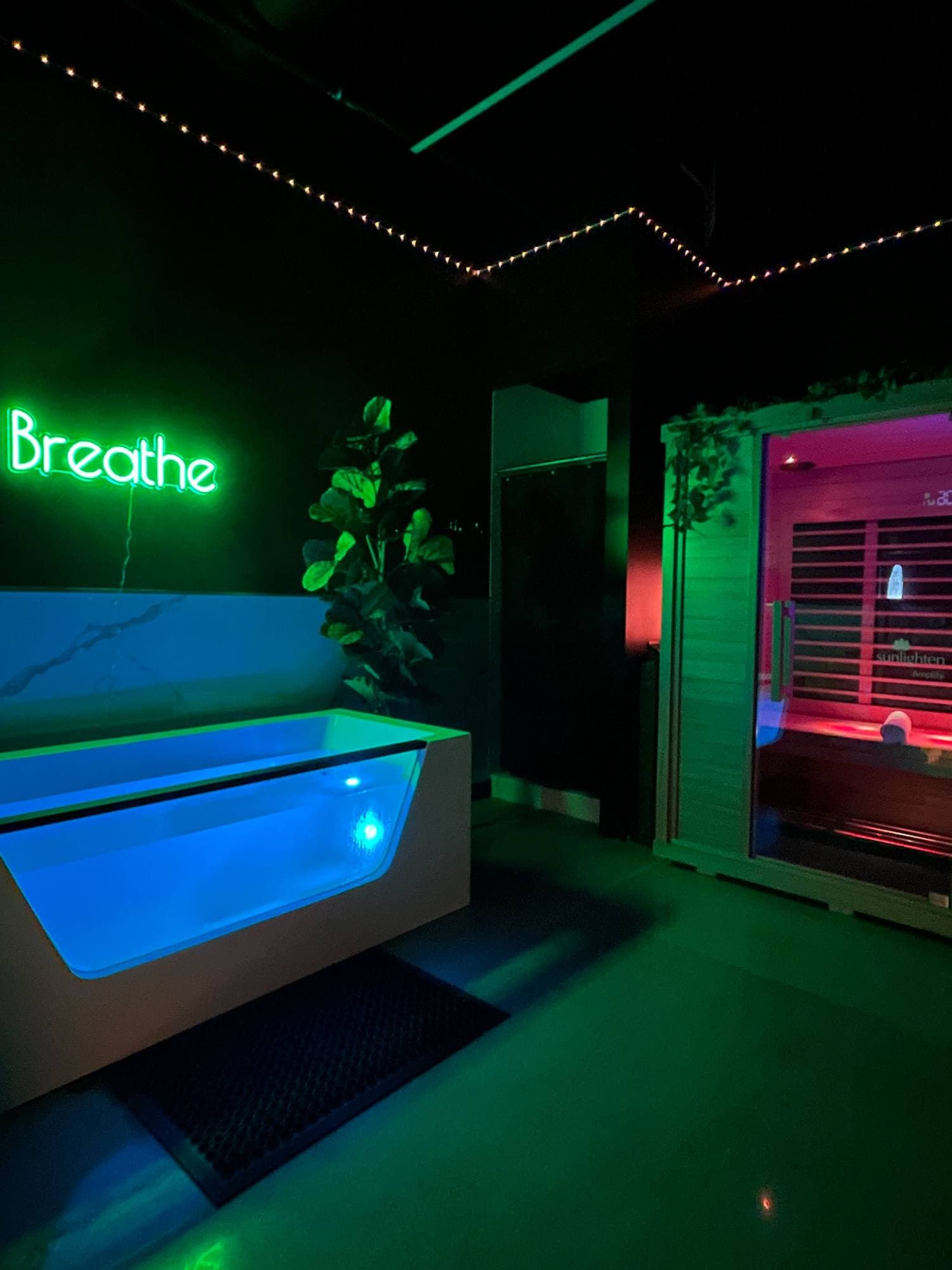
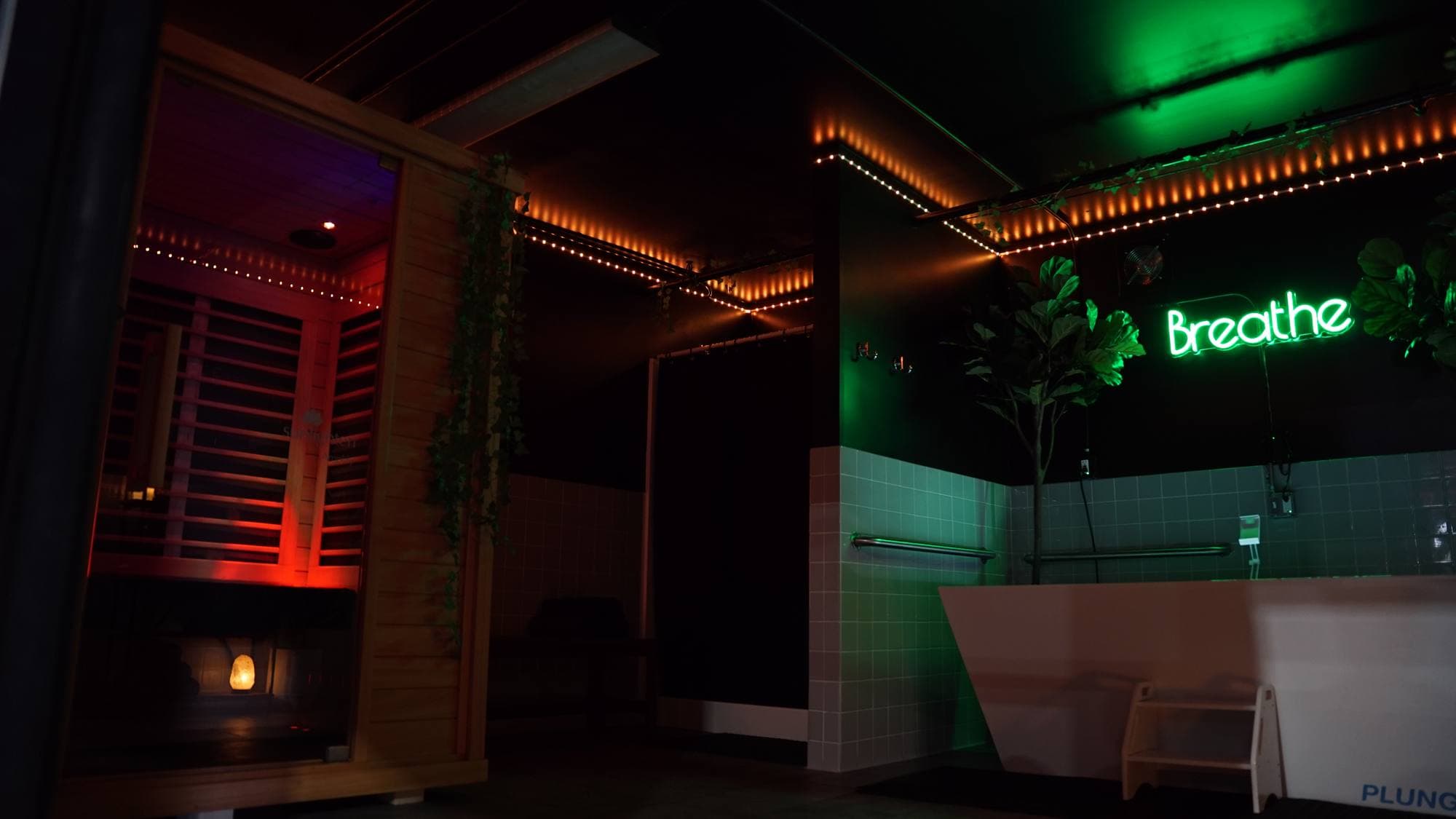
Conscious Body Recovery offers private suites with an infrared sauna, cold plunge, and shower in San Diego and the Temecula area (Murrieta). Choose a 25-, 55-, or 85-minute booking for uninterrupted time at your own pace. New guests can get 50% off a first visit, subject to current terms.[11][12][14][10][13]
Step 2: Notice Sensations During Heat and Cold
Notice Warmth and Steady Breathing
Let the intention you set earlier guide your attention. Begin with a short sauna round and notice what changes as you experience the benefits of contrast therapy. Sit securely, feel the bench beneath you, and pay attention to warmth and muscle tension as you breathe normally. Name what you notice, then bring your attention back to your breath and body. Leave if you feel dizzy, weak, nauseated, unusually short of breath, or otherwise unwell.[7][15]
Once your attention feels settled, pause before moving to the cold.
Pause Before Entering Cold Water Slowly
Step out of the sauna, pause, and steady yourself. Rinse first for a gentler transition. Cold exposure is optional. The American Heart Association warns that immersion can quickly increase breathing, heart rate, and blood pressure. An involuntary gasp with your face underwater can also create a drowning risk.[3]
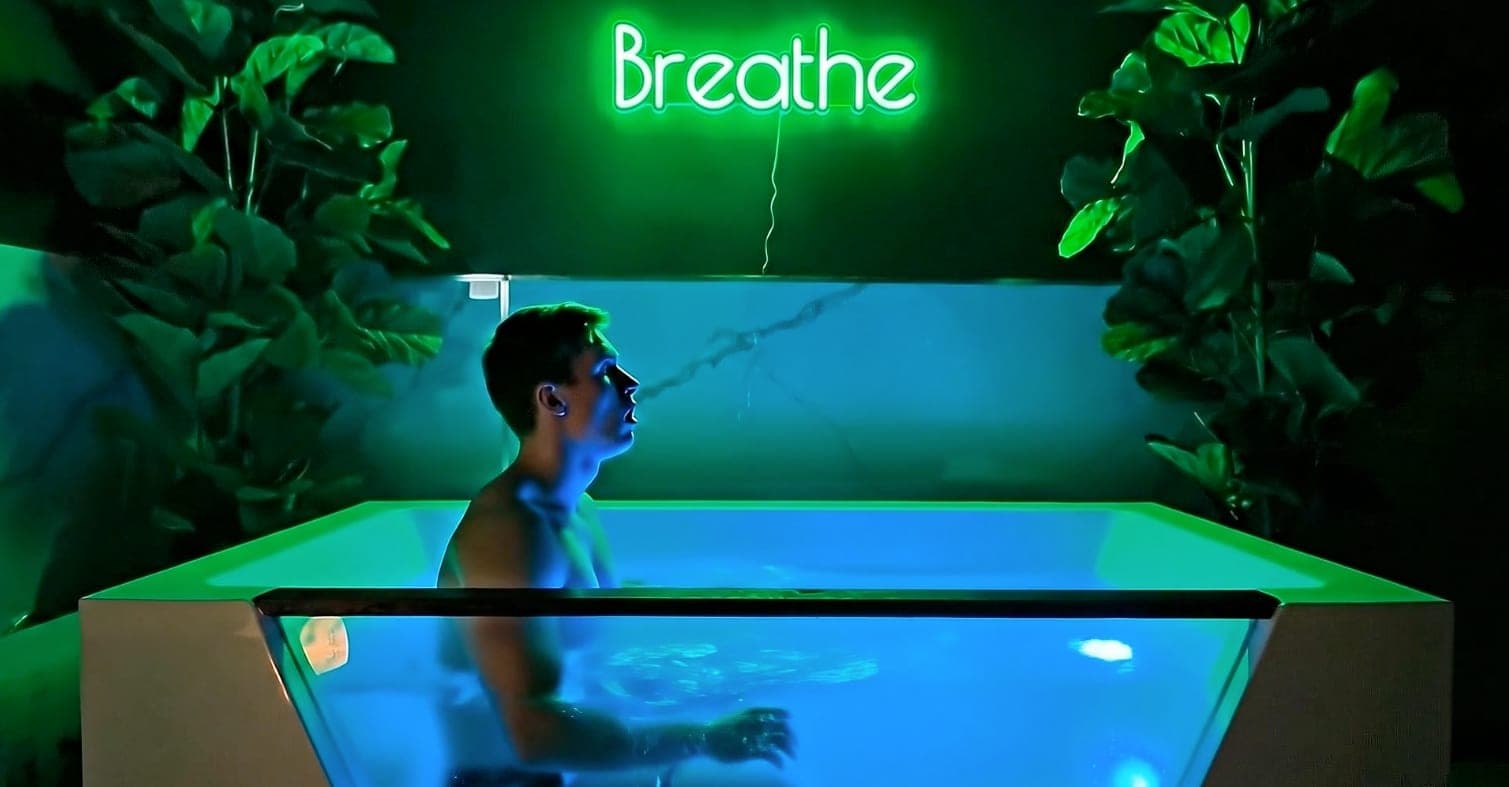
If you choose to enter, move slowly, use available handholds, and keep your head and face above water. Keep your first exposure brief; no single duration suits everyone. You may find it helpful to track your cold plunge progress to see how your body adapts over time. Breathe normally: do not hyperventilate or hold your breath. Pay attention to sensations rather than trying to endure them. Exit if you cannot control your breathing or begin to feel distressed.[3][16]
After cold exposure, move straight into rest.
Rest Before Deciding to Repeat
Rest is part of the practice, not a break from it. Dry off and get comfortable. Notice sensations as they settle, without judging the session or rushing into another round. Let what you notice guide whether you repeat or finish; mindfulness does not require repeated rounds.
Step 3: Recover and Reflect
After the last round, shift your attention from sensations to recovery. Dry off, put on comfortable clothing, and warm up gradually. Drink water according to thirst, then sit quietly for several minutes. Check that your breathing, balance, energy, and comfort feel normal for you.
Do not drive, work, train, or take on family duties if you feel unwell. If dizziness, weakness, confusion, unusual fatigue, or shortness of breath continues, get help and seek medical attention.
Once your body settles, note what changed.
Record Your Response Without Judgment
Write down one physical sensation, one emotion, and one choice for next time. Describe your experience without giving it a score. Feeling calm or focused is your experience, not proof that the session helped. Cold tolerance and session length do not measure mindfulness progress. Skip tracking if it puts pressure on you to perform.
Practice Mindfulness Between Visits
Bring the same attention you practiced in the suite to everyday moments. Try a two- to five-minute body scan at home or during a work break. Sit comfortably and move your attention from your feet toward your head, noticing sensations without trying to change them. Or simply notice comfortable, unforced breathing.
NCCIH describes body scan, progressive muscle relaxation, and guided imagery as mindfulness and relaxation practices [19][20]. Use them as separate mindfulness tools, and stop if they make you feel worse [21].
Know When to Seek Medical Help
Mindfulness does not mean ignoring warning signs. Call 911 for chest pressure, severe shortness of breath, fainting, confusion, or other emergency symptoms. [17][18] Do not drive yourself if you’re experiencing potentially serious symptoms [22].
Conclusion: Focus on Attention, Not Endurance
Prepare safely, keep the heat comfortable, and pause before changing temperatures. If you choose cold exposure, ease in slowly, keep it brief, and stop if it feels wrong.[23]
Let each sensation bring your attention back to comfortable, unforced breathing. The aim is less effort and more attention, not endurance.[25]
You can carry that attention outside the suite, whether you’re sitting or walking. Heat and cold are optional tools for mindfulness. Feeling calmer afterward does not prove lasting mental-health benefits; current research does not support that claim.[26][27]
FAQs
How often should I practice mindful contrast therapy?
Start with two to three sessions per week to give your body time to adjust to the temperature changes. As you get more comfortable, you can gradually work up to daily sessions if they fit your routine [3].
Pay attention to how you feel and adjust as needed. Aim for a mindful practice you can stick with, rather than forcing yourself through intense exposure.
What if cold sensations make me anxious?
Feeling nervous when you first experience cold sensations is normal. Focus on your breath with controlled breathing techniques, such as box breathing or cyclic sighing. Start with shorter sessions and gradually work your way up.
Conscious Body Recovery offers private suites in San Diego and Temecula, giving you space to practice these techniques in private.
How can I notice progress without tracking endurance?
Keep a journal of how you feel physically and mentally after each session. Track your energy, mood, sleep, muscle soreness, stress, and ability to stay calm and focused. Look for patterns, rather than focusing on endurance.
Prefer numbers? Track your heart rate or heart rate variability. Use what you learn to adjust your routine at Conscious Body Recovery so it better fits your wellness goals.