Synced word for word from SEObot (scripts/seobot-sync). Not fact-checked: health claims, prices, offers and quotes are as first published. Prune or rewrite after launch.
Quick answer
- A cold plunge uses temperature-controlled water, an ice bath uses water cooled with ice, and cryotherapy uses very cold air.
- Cold-water immersion may help reduce post-exercise soreness, but research does not clearly separate cold plunges from ice baths.
- People with heart, circulation, or other health concerns should seek medical advice first.
In this article · 5 sections
A cold plunge uses temperature-controlled water, an ice bath uses water cooled with ice, and cryotherapy uses very cold air. Choose based on temperature control, cleanup, comfort, and safety, not the lowest temperature. Water removes body heat faster than air, so temperature readings alone don’t show how intense a session will feel.
Quick Comparison
| Method | How it works | Typical temperature | Setup and care |
|---|---|---|---|
| Cold plunge | A chiller maintains the water temperature | 39 to 59°F | Requires water treatment, filtration, and cleaning |
| Ice bath | Added ice cools the water | Varies with the amount of ice and water | Requires temperature checks, ice handling, and draining |
| Whole-body cryotherapy | A chamber provides brief cold-air exposure | About -166 to -220°F | Requires trained supervision, protective gear, and chamber safety checks |
Cold-water immersion may help reduce post-exercise soreness, but research does not clearly separate cold plunges from ice baths. Support for whole-body cryotherapy is less certain. Less soreness does not always mean better performance.
Never enter cold water alone. People with heart, circulation, or other health concerns should seek medical advice first. For studio visits, check screening, cleaning, supervision, and total booking time, not just time spent in the cold. Many people also explore contrast therapy with saunas to further enhance these benefits.
How Each Method Works
The main difference is how the cold is controlled: a cold plunge holds a set water temperature, an ice bath warms as the ice melts, and cryotherapy uses cold air.
Cold Plunge: Temperature-Controlled, Filtered Water
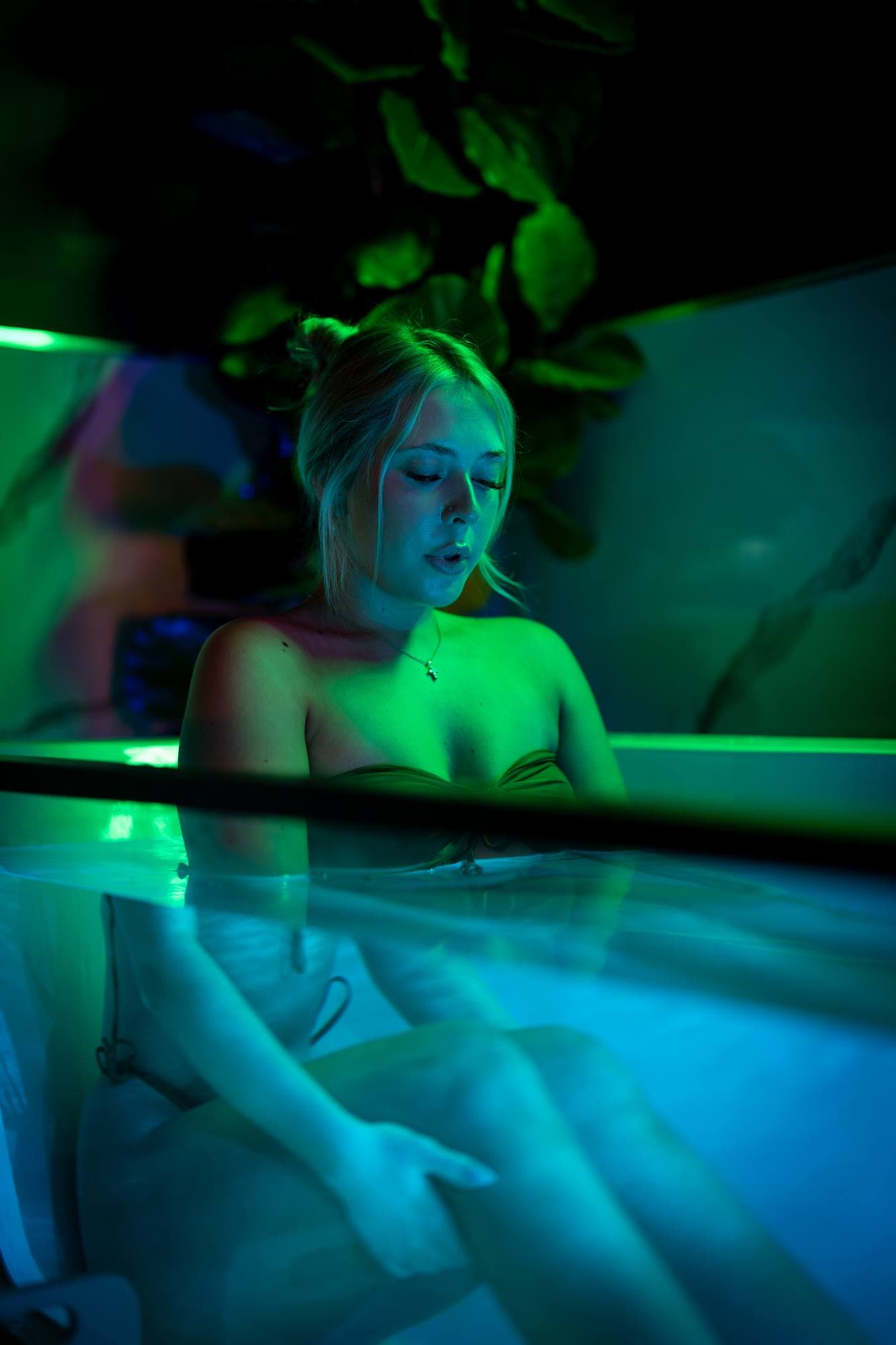
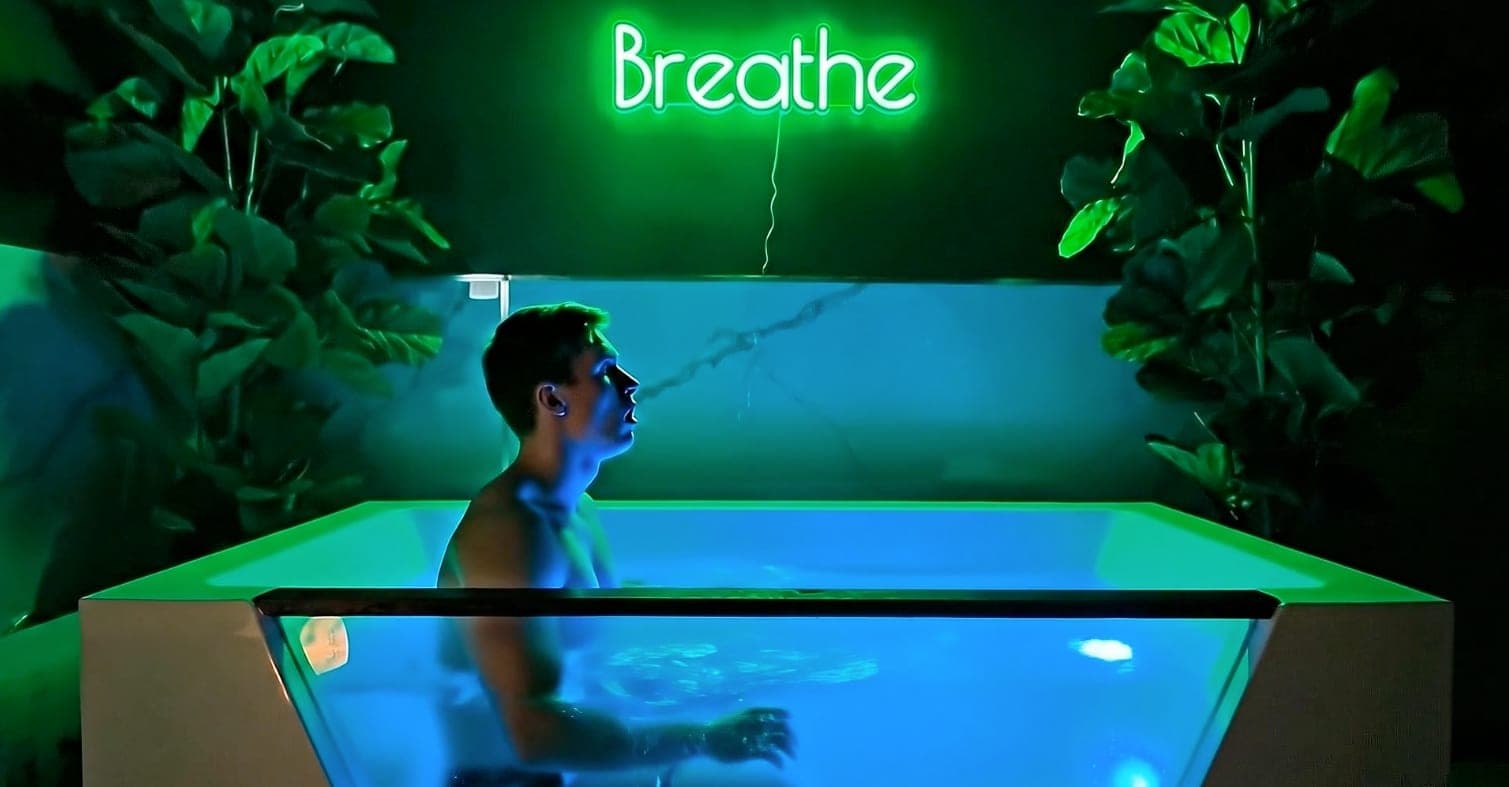
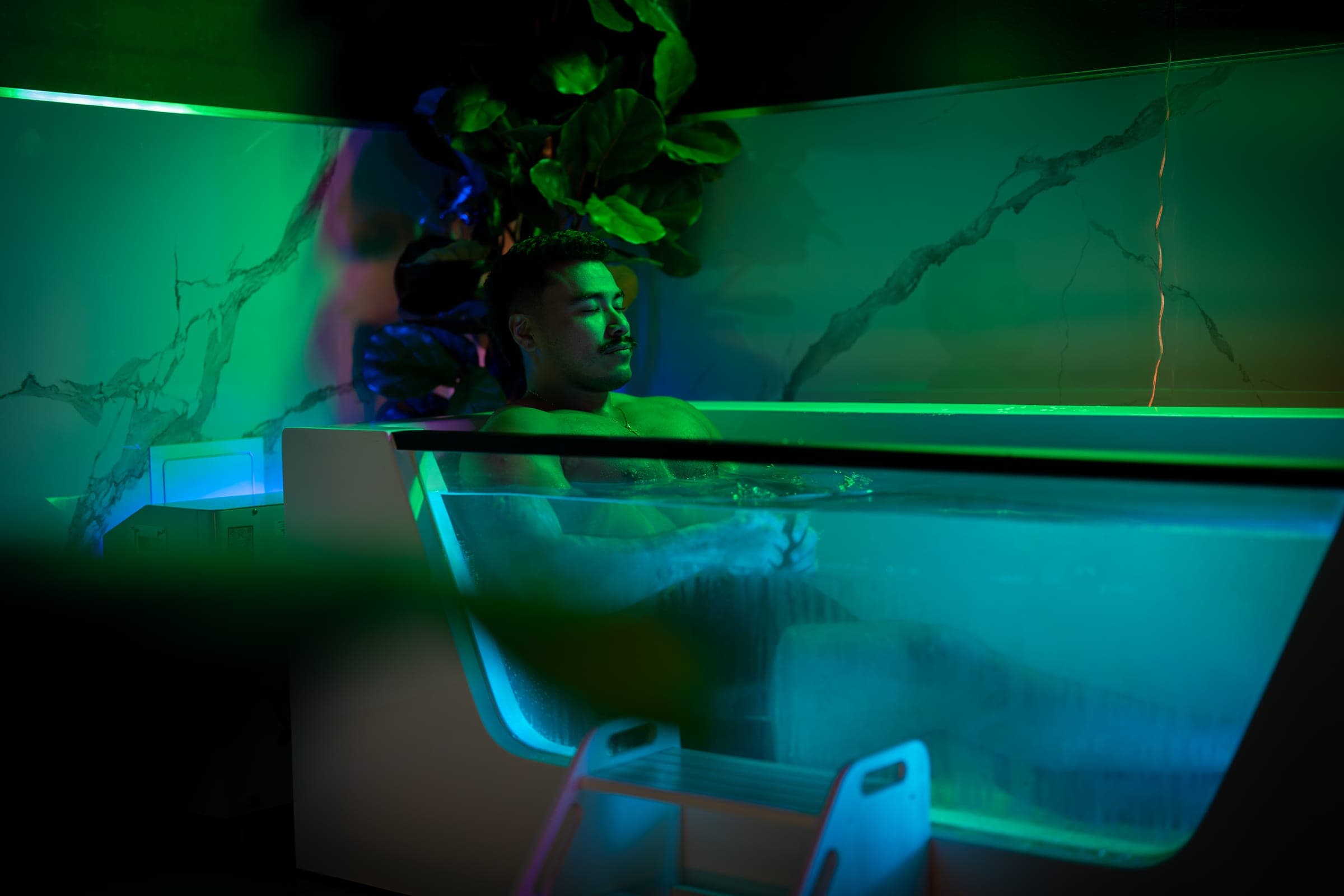
A chiller holds the water at a set temperature, usually 39°F to 59°F, while filtration helps keep it clean.[5] See Conscious Body Recovery’s cold plunge information.
Ice Bath: Water Cooled With Ice
An ice bath cools water with ice. It takes more setup and cleanup, and the temperature changes as the ice melts.[5] Studies on saunas and cold plunges for recovery have also tested water around 52°F to 59°F.
Whole-Body Cryotherapy: Brief Cold-Air Exposure
A whole-body chamber surrounds your body with cold air. A partial-body cabin leaves your head outside and often uses nitrogen vapor. Wear dry clothing and follow the operator’s instructions for protective gear, including ear protection.
Here, cryotherapy refers to chamber-based cold exposure, not localized medical treatments. Chamber temperatures can reach about -166°F, but you can’t compare that number directly with a water temperature.
The setup also affects temperature control, cleanup, and how much time to allow for a visit.
Cold Plunge vs Ice Bath vs Cryotherapy at a Glance
These are typical use and research ranges, not session recommendations. Water-based studies often group chilled tubs and ice baths under cold-water immersion.
The main differences come down to control, cleanup, and total time.
| Method | Cooling medium | Temperature control | Exposure time | Feel | Setup | Main limitation |
|---|---|---|---|---|---|---|
| Cold plunge | Chilled water | 39 to 59°F (4 to 15°C); chiller-controlled.[5] | 2 to 15 minutes. | Immediate, full-body cold | Chiller and regular maintenance | Cold shock response.[4] |
| Ice bath | Water and ice | 33 to 39°F (0.5 to 4°C); temperature changes as ice melts.[5] | 1 to 3 minutes. | Wet cold, with more temperature variation | Fill, add ice, measure temperature, and drain | Harder to control the dose.[5] |
| Whole-body cryotherapy | Cold air | -166°F to -220°F (-110°C to -140°C); equipment-controlled. | 2 to 4 minutes. | Dry, sharp surface cold | Specialized chamber | Requires a specialized chamber, an operator, and strict safety controls. |
Temperature, Duration and How the Cold Feels
Water versus air, exposure time, and how much of your body is exposed all affect how the cold feels. That means chamber and tub sessions aren't interchangeable.
Setup, Cleaning and Total Visit Time
Ask how the water is treated, when surfaces are cleaned, and how staff check the temperature. Private access does not replace water treatment.
A chilled tub needs regular maintenance and cold plunge safety tips. An ice bath also requires ice handling and draining. Cryotherapy has no shared bathwater, but surfaces still need cleaning.[5] Allow extra time for changing, showering, and rewarming, not just the cold session itself.[5]
What Research Says About Soreness and Recovery
Reviews suggest cold-water immersion may reduce muscle soreness after exercise, though study sizes and protocols vary. The evidence doesn't clearly separate chilled cold plunges from ice baths.
A Cochrane review of whole-body cryotherapy included four small trials and rated the evidence very low certainty. Findings about cold water can't be assumed to apply to cold air. Less soreness doesn't always mean better performance.
Cold Exposure Preparation and Safety
Water and air cool your body differently, so preparation matters as much as duration. Cold tolerance also varies from person to person. Talk with a qualified clinician first if you have high blood pressure, heart rhythm problems, structural or coronary heart disease, a family history of sudden cardiac death, Raynaud’s, cold urticaria, cold-induced asthma, or seizure disorders, or if you’re pregnant. [5]
Before a Cold Plunge or Ice Bath
Check the temperature and basic maintenance. For an ice bath, stir the water thoroughly before measuring its temperature. Keep a towel within reach and make sure your exit path is clear.
Enter slowly, keep your head and face above water, and never plunge alone. Don’t hold your breath or deliberately hyperventilate. [4][5]
Before Whole-Body Cryotherapy
Cryotherapy safety depends on the chamber type, supervision, and how sessions are controlled. Arrive dry, complete screening before entering, and wear the required gloves and socks. Follow the studio’s exposure limits.
Choose a studio based on its screening, monitoring, and emergency procedures, not just its temperature or session length. For nitrogen systems, confirm that oxygen monitoring and ventilation are in place. Never enter a chamber alone.
Stop immediately if you notice unusual pain, numbness, dizziness, or trouble breathing. The FDA warns of frostbite, burns from extreme cold, and eye injuries. Nitrogen-cooled systems can also displace oxygen, which can cause asphyxiation.
When to Stop Cold Exposure
Avoid alcohol, don’t participate when your judgment is impaired, and don’t turn cold exposure into a competition. Cold tolerance doesn’t prove safety. If you feel unusual pain, dizziness, numbness, or trouble breathing, stop immediately and ask for help getting out.
Afterward, dry off and put on warm clothes. Your body temperature can keep falling after you leave the water. Seek urgent medical help if breathing trouble, palpitations, numbness, or skin discoloration persist after rewarming. [4][5][7]
Choosing the Right Method for You
Choose based on safety, comfort, access, and evidence, not the coldest temperature. Match the method to your cold tolerance and the setup you’re willing to handle.
| If you want… | Choose | Trade-off |
|---|---|---|
| Controlled immersion in filtered, temperature-stabilized water | Cold plunge | You need access to a maintained tub. |
| Manual ice cooling | Ice bath | You handle temperature checks, ice, draining, and cleaning. |
| Brief, dry, supervised exposure | Whole-body cryotherapy | You need a supervised visit, and there’s less evidence supporting recovery. |
Private Cold Plunge Sessions in San Diego and Temecula
If a cold plunge fits your needs, a private session lets you skip the setup.
First-Visit Offer and Booking
Conscious Body Recovery offers private cold plunge sessions at 4030 Sports Arena Blvd in San Diego and 25389 Madison Ave in Murrieta.
Each booking includes a private infrared sauna, cold plunge, and shower for 25, 55, or 85 minutes. Visit solo or bring up to two guests. Visits use self check-in.
Your booking covers total suite time, not plunge time. You can use the sauna, the plunge, or both to optimize your recovery.
New guests get 50% off their first session through the first-visit offer. Check current booking options before reserving. [11]
FAQs
How do I choose a beginner-friendly cold plunge temperature?
Start with cool water, not freezing water. Aim for 50 to 60°F [2], and keep your first sessions to 30 to 60 seconds. As you get more comfortable, gradually work toward 5 to 10 minutes [2].
Check with a healthcare professional before starting, and never plunge alone. Choose a consistent temperature you can tolerate rather than pushing for extreme cold [2].
When should I use cold exposure after exercise?
Cold water immersion may ease soreness or help you feel more recovered after intense exercise [2]. But if you’re training for muscle size or strength, cold plunges right after lifting may limit long-term gains [2]. Consider using them on rest days or after cardio instead.
For acute injuries, icing is typically recommended only during the first few days to help manage early pain and swelling [4].
How can I use a private cold plunge without plunging alone?
At Conscious Body Recovery, your booking includes a private suite for you and up to two guests, so you can enjoy the cold plunge together. Everyone must rinse off in the suite’s shower before entering the cold plunge to help keep the water clean.