Quick answer
- In the world of holistic wellness and optimal performance, saunas and cold plunges have emerged as transformative tools for recovery, cardiovascular health, and even longevity.
- Saunas are often associated with relaxation, but their benefits extend far beyond unwinding after a long day.
- Increased Sweating Efficiency: Heat-acclimated individuals begin sweating earlier and produce more sweat, which helps regulate body temperature and sustain endurance.
In this article · 7 sections
In the world of holistic wellness and optimal performance, saunas and cold plunges have emerged as transformative tools for recovery, cardiovascular health, and even longevity. While these practices are often discussed in isolation, their true potential lies in understanding the science behind them and strategically integrating them into daily routines. This article explores the physiological benefits of saunas and cold exposure, provides practical advice for implementation, and examines their role in enhancing health, fitness, and overall well-being.
The Science Behind Heat Acclimation: Why Saunas Are More Than Just Relaxation
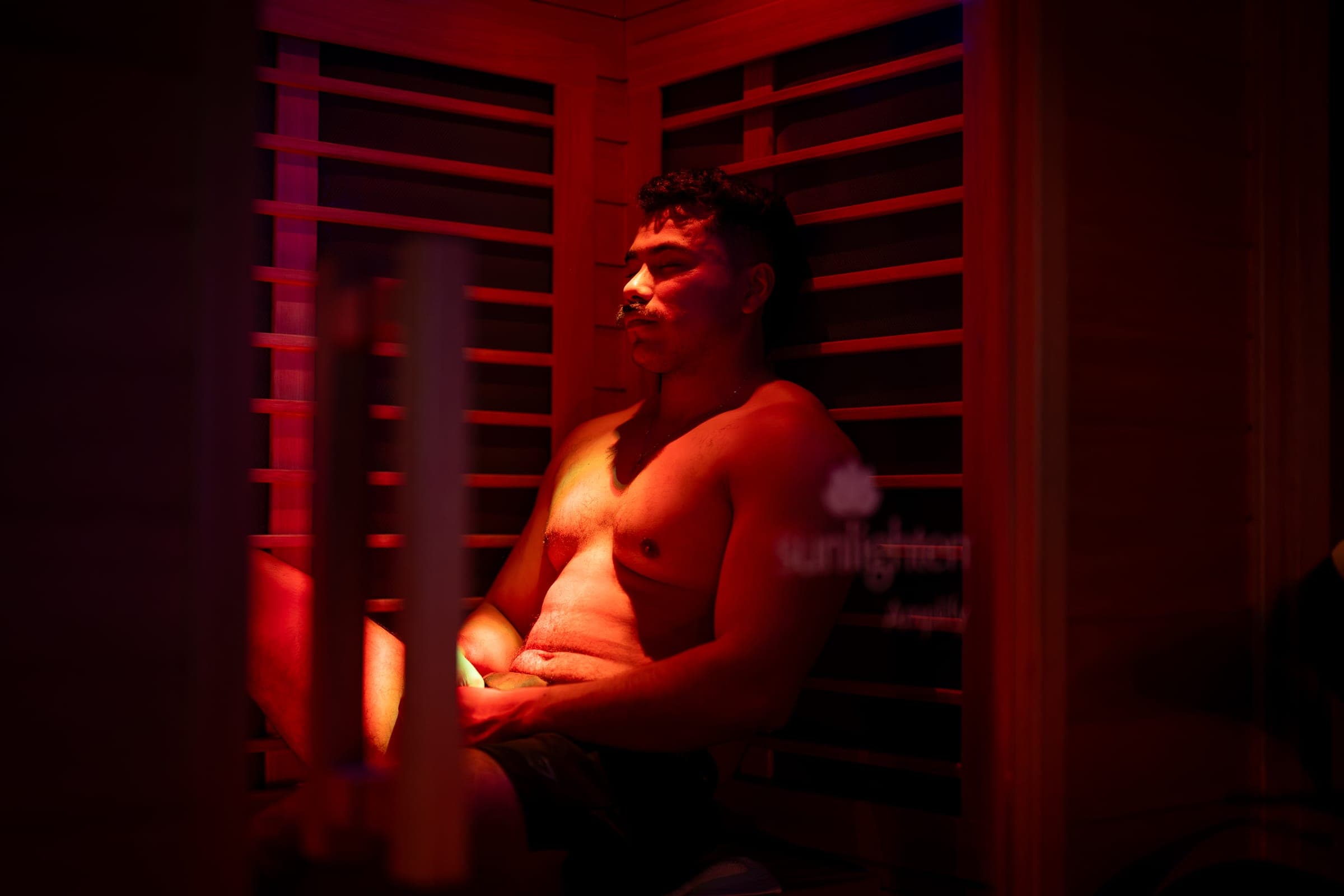
Saunas are often associated with relaxation, but their benefits extend far beyond unwinding after a long day. Using heat as a form of stress - known as hormesis - triggers remarkable physiological adaptations. This process, called heat acclimation, allows the body to better tolerate heat and improves cardiovascular and endurance performance.
Key Adaptations to Heat Acclimation:
- Increased Sweating Efficiency: Heat-acclimated individuals begin sweating earlier and produce more sweat, which helps regulate body temperature and sustain endurance. Contrary to the belief that excessive sweating indicates poor fitness, it actually signals advanced heat adaptation.
- Plasma Volume Expansion: Prolonged heat exposure increases blood plasma volume, improving circulation and reducing strain on the heart during exercise.
- Improved Cardiovascular Function: With regular sauna use, heart rate during heat exposure decreases, and vascular function improves, mimicking many benefits of low-intensity exercise.
- Enhanced Aerobic Performance: Heat acclimation not only improves performance in hot climates but also provides benefits in cooler conditions by delaying body temperature rise.
Saunas as Passive Heat Conditioning
Unlike active heat acclimation strategies like exercising in hot environments, saunas provide a passive yet effective alternative. This means individuals can enjoy the benefits of heat stress without the physical toll of intense exercise. For those recovering from injuries or looking to supplement their fitness routines, saunas offer a safer way to build resilience.
Cold Plunges: The Ice Bath Debate
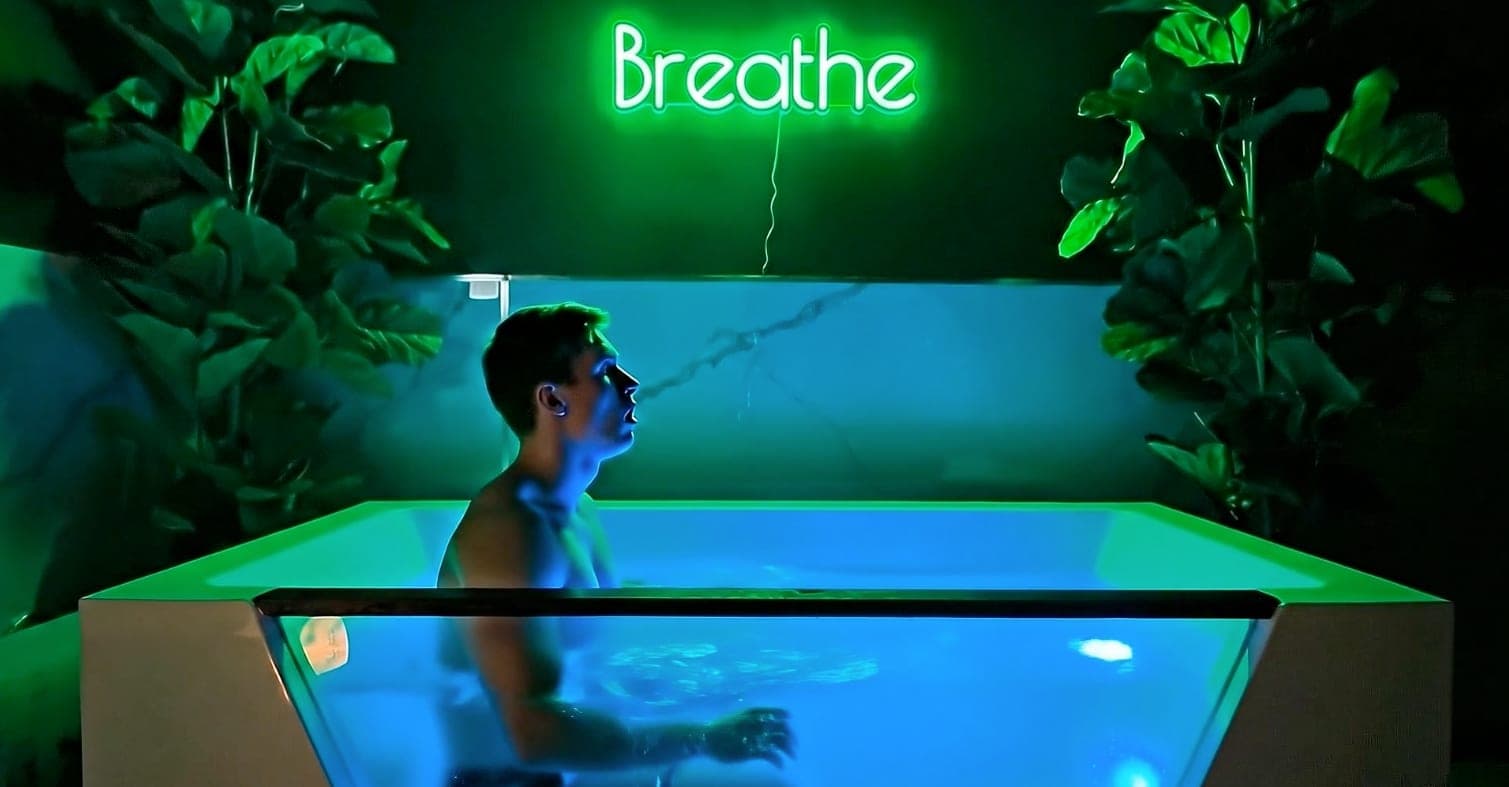
The growing trend of cold plunges or ice baths has captured attention for its immediate effects, such as reducing muscle soreness and boosting mental clarity. However, the role of cold exposure in long-term health and performance is less conclusive compared to saunas. Here’s what the research suggests:
Cold Exposure Benefits:
- Reduced Inflammation: Ice baths have been shown to lower inflammation, making them popular among athletes seeking faster recovery.
- Mental Resilience: The shock of cold water immersions can stimulate the release of adrenaline, which enhances focus and energizes the body.
- Potential for Brown Fat Activation: Exposure to cold may increase brown fat activity, which helps regulate body temperature and metabolism.
Limitations and Concerns:
- Muscle Recovery: While ice baths may alleviate soreness, research warns against cold exposure immediately after strength training, as it can interfere with muscle protein synthesis and long-term gains.
- Lack of Longevity Evidence: Unlike saunas, there is minimal human research linking regular cold plunges to enhanced longevity or cardiovascular health.
Optimizing Recovery: A Combined Approach
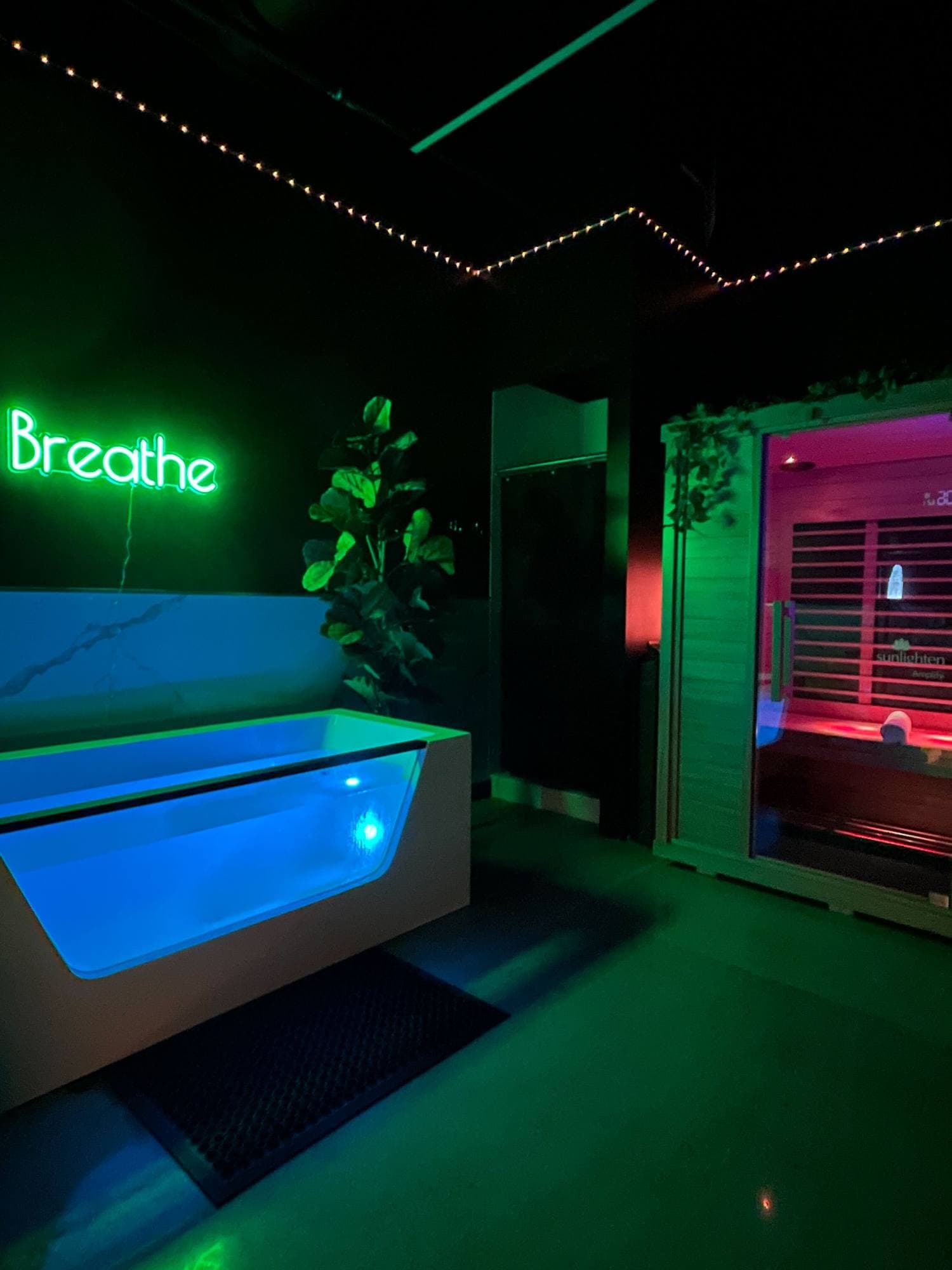
For wellness enthusiasts seeking the ultimate recovery routine, combining sauna sessions with cold exposure - often referred to as contrast therapy - offers a balanced and synergistic approach.
Contrast Therapy Protocol:
- Begin with a 10 to 15-minute sauna session to elevate body temperature and promote relaxation.
- Transition to a cold plunge or ice bath for 1 to 2 minutes to reduce inflammation and promote vasoconstriction.
- Repeat the cycle 2 to 3 times for maximum benefits, ending with the modality that aligns with your goals (e.g., sauna for relaxation or cold for an energizing finish).
This cyclic approach promotes vascular flexibility by alternating between vasodilation (heat) and vasoconstriction (cold), improving circulation and recovery. However, it’s essential to avoid overdoing it, as excessive cold exposure can dampen important recovery processes.
Practical Implementation: Harnessing Heat and Cold for Everyday Wellness
The benefits of heat acclimation and cold exposure are best realized through consistency and strategic integration.
Sauna Recommendations:
- Duration: 20 to 30 minutes per session, 2 to 3 times per week.
- Post-Workout Timing: For endurance athletes, adding a sauna session immediately after cardiovascular exercise enhances aerobic adaptations and boosts VO2 max.
- Hydration: It’s essential to replenish fluids after sweating. Consider adding electrolytes to water to support recovery.
- Sweat Threshold: Allow your body to begin sweating before starting the timer to reach the optimal heat exposure threshold.
Cold Plunge Tips:
- Timing: Avoid cold plunges immediately after strength training to prevent interference with muscle recovery. Post-cardio sessions or separate recovery days are better options.
- Duration: Limit exposure to 1 to 2 minutes to reduce overexposure to extreme cold.
- Psychological Benefits: Treat cold plunges as a mental reset rather than a primary recovery tool.
Heat and Cold for Longevity:
While the benefits of saunas for longevity are supported by strong epidemiological evidence, cold exposure remains speculative. Regular sauna use correlates with reduced cardiovascular disease, lower rates of Alzheimer’s, and improved overall mortality, making it a cornerstone of a longevity-focused lifestyle.
Key Takeaways
- Saunas Boost Performance and Recovery: Regular sauna use improves cardiovascular health, expands plasma volume, and enhances endurance. It’s an excellent complement to both strength and aerobic training.
- Cold Exposure Has Targeted Benefits: Ice baths can reduce inflammation and aid recovery but should be used with caution after strength training to avoid impairing muscle gains.
- Contrast Therapy Enhances Circulation: Alternating between heat and cold exposure improves vascular flexibility and promotes recovery.
- Hydration is Critical: Sweating during saunas and heat acclimation increases the need for water and electrolytes. Avoid excessive dehydration, though allowing mild dehydration during saunas may enhance adaptations.
- Adaptation Timing Matters: For heat acclimation to enhance performance, maintain consistency leading up to an event and avoid breaks of more than a week.
- Longevity Evidence Favors Saunas: Unlike cold exposure, saunas have robust human studies linking their use to longer, healthier lives.
Conclusion
Saunas and cold plunges are more than trendy wellness practices - they represent powerful tools in the pursuit of recovery, performance, and holistic health. While saunas have a clear edge in terms of cardiovascular and longevity benefits, cold exposure provides unique mental and anti-inflammatory advantages. Whether you are a seasoned athlete or someone seeking improved well-being, integrating these practices into your routine can yield significant benefits. By understanding the science and tailoring these tools to your needs, you can unlock their transformative potential and elevate your wellness journey.
Source: "The Truth About Saunas, Ice Baths & Athletic Recovery" - Siim Land, YouTube, Nov 21, 2025 - https://www.youtube.com/watch?v=jWEGmImSyzc