Quick answer
- Thermogenesis is your body’s way of generating heat, and it plays a big role in how you burn energy.
- Cold exposure activates brown fat (BAT), increasing calorie burn and improving fat metabolism.
- Heat exposure enhances circulation, oxygen delivery, and cellular repair.
In this article · 6 sections
Thermogenesis is your body’s way of generating heat, and it plays a big role in how you burn energy. Contrast therapy, which alternates between hot and cold treatments, uses this process to boost metabolism, improve recovery, and regulate energy balance. Here’s a quick breakdown:
- Cold exposure activates brown fat (BAT), increasing calorie burn and improving fat metabolism.
- Heat exposure enhances circulation, oxygen delivery, and cellular repair.
- Alternating hot and cold creates a vascular pump effect, flushing out waste and supporting recovery.
Studies show cold exposure can increase daily energy use by about 188 calories, while heat therapy improves blood flow and reduces inflammation. Together, they’re a powerful tool for fat loss, better metabolism, and faster recovery.
Want to try it? Start with 10 to 20 minutes in an infrared sauna (130 to 150°F), followed by 1 to 3 minutes in a cold plunge (50 to 59°F). Repeat 2 to 3 cycles for optimal results.
How Thermogenesis Works in Contrast Therapy
When you immerse yourself in a cold plunge during contrast therapy, your body kicks off a fascinating chain reaction at the cellular level. Cold exposure triggers sensory neurons equipped with TRPM8 and TRPA1 channels, which detect temperatures between 61°F to 66°F (16 to 19°C). This process releases norepinephrine, a chemical that binds to β-adrenergic receptors on brown fat cells, setting off a series of metabolic changes.
Brown Adipose Tissue (BAT) Activation
Norepinephrine plays a critical role here, increasing intracellular cAMP levels, which activates PKA. This, in turn, causes UCP1 phosphorylation, a process that allows brown fat to generate heat by burning energy instead of storing it as ATP. UCP1 is what makes brown fat so special - it turns regular energy production upside down, releasing heat instead of storing fuel.
"The exceptional thermogenic potential of BAT is conferred by abundant well-developed mitochondria comprising uncoupling protein 1 (UCP1), a protein uncoupling mitochondrial respiration from ATP synthesis." - Véronique Ouellet et al., Researchers
In February 2012, André C. Carpentier and his team at the Université de Sherbrooke studied BAT metabolism in six healthy men during controlled cold exposure. Using PET/CT scans, they discovered a 1.8-fold increase in resting energy expenditure, confirming BAT's oxidative metabolism was fully engaged. Interestingly, nearby skeletal muscles and white fat showed no similar response. BAT primarily burns its own triglycerides but also pulls glucose and fatty acids from the bloodstream, making it one of the most metabolically active tissues on a per-gram basis.
After BAT activation from the cold plunge, the heat phase of contrast therapy takes things further.
Heat-Induced Cardiovascular Response
The heat exposure from an infrared sauna creates a complementary effect by increasing blood flow and oxygen delivery. Blood vessels dilate, heart rate jumps by about 27 beats per minute, and cardiac output can rise by up to 3 liters per minute.
Between December 2013 and August 2015, researchers at the University of Oregon studied 20 sedentary participants who underwent 4 to 5 heat therapy sessions weekly for eight weeks. Each session involved 60 minutes of immersion in 104.9°F (40.5°C) water. The results were impressive: flow-mediated dilation improved from 5.6% to 10.9%, aortic pulse wave velocity dropped from 7.1 to 6.1 meters per second, and mean arterial blood pressure decreased by 5 mmHg. Heat exposure also stimulates Heat Shock Proteins (HSPs), which help repair damaged proteins and reduce oxidative stress, aiding in cellular recovery.
This cardiovascular boost sets the stage for the vascular pump effect, a key component of contrast therapy.
The Vascular Pump Effect
Alternating between hot and cold temperatures creates a vascular pump effect, as the body rapidly switches between vasodilation (widening of blood vessels) and vasoconstriction (narrowing of blood vessels). This pumping action improves blood flow to BAT, boosting energy expenditure and oxidative metabolism. The repeated thermal shifts also help clear inflammatory debris, support lymphatic drainage, and maintain heightened sympathetic nervous system activity, which is essential for BAT thermogenesis.
For the best results, a typical protocol involves a 20-minute sauna session followed by a 3 to 4 minute cold plunge. The goal is to cool the body just before shivering begins, maximizing non-shivering thermogenesis while avoiding the less efficient shivering response. This method can increase daily energy expenditure by an average of 188.43 calories and raise metabolic rates by about 14% in individuals with active BAT. Together, these mechanisms highlight the powerful metabolic benefits of contrast therapy.
Research on Thermogenesis and Body Composition
Cold Exposure and BAT Activity Studies
In June 2013, Kong Y. Chen and his team at the National Institutes of Health (NIH) explored how cold impacts brown adipose tissue (BAT) activity. Their randomized crossover study involved 24 healthy participants who spent 12 hours overnight at 66.2°F (19°C), compared to a baseline of 75.2°F (24°C). The findings revealed a 5.3% increase in energy expenditure and a 10.5% rise in mean BAT activity. This demonstrated that slight temperature reductions within comfortable ranges can stimulate BAT without causing discomfort or shivering.
"A small reduction in ambient temperature, within the range of climate-controlled buildings, is sufficient to increase human BAT activity, which correlates with individual CIT response." - Kong Y. Chen, PhD, National Institutes of Health
A meta-analysis of 10 randomized controlled trials further supported these findings. It showed that cold exposure at temperatures between 60.8°F and 66.2°F (16 to 19°C) increased daily energy expenditure by an average of 188.43 calories. These insights highlight how cold exposure can influence fat metabolism and energy use.
Effects on Fat Burning and Energy Use
The activation of BAT goes beyond merely burning calories - it plays a direct role in fat metabolism. In February 2012, Véronique Ouellet and André C. Carpentier from the University of Sherbrooke used PET/CT imaging to study six healthy men during controlled cold exposure. Their scans revealed BAT glucose uptake at 10.8 micromoles/min and a 17% increase in radio density, indicating active triglyceride combustion. Despite making up just 0.1% to 0.5% of adult body weight, BAT demonstrates one of the highest rates of nutrient uptake per gram in the body.
Repeated cold exposure appears to reshape metabolic processes over time. For instance, a 10-day cold acclimation protocol involving patients with type 2 diabetes - exposing them to temperatures of 57.2°F to 59°F (14 to 15°C) for six hours daily - resulted in a 43% increase in insulin-stimulated glucose uptake. This suggests that regular cold exposure can improve how the body processes both glucose and fat, with potential long-term benefits.
Hormonal and Metabolic Responses
Cold exposure also triggers hormonal changes that complement BAT activation. The NIH study noted increases in urinary norepinephrine and serum thyroid-stimulating hormone (TSH), both of which are linked to higher BAT activity and an elevated metabolic rate. Additionally, activated BAT releases specific bioactive lipids, known as batokines, such as 12-HEPE and 12,13-diHOME. These compounds help boost glucose uptake in skeletal muscle and reduce serum triglycerides.
"BAT activation in humans may have the potential to increase the BAT mass, augment energy expenditure, and improve metabolic status." - Aaron M. Cypess, MD, PhD, NIH
Interestingly, higher body fat levels can reduce cold-induced thermogenesis, as individuals with more adiposity tend to show less BAT activation. However, this doesn't mean cold exposure is ineffective for those with higher body fat. Instead, it underscores the importance of consistency. Over time, regular cold exposure can increase BAT mass and activity, potentially improving metabolic health and body composition. These findings highlight how cold therapy can be a valuable tool for optimizing metabolic function and fat burning.
Using Contrast Therapy for Recovery
Thermogenesis and Recovery Benefits
Contrast therapy does more than just burn calories - it plays a key role in recovery at the cellular level. Switching between heat and cold improves circulation, which helps deliver oxygen and nutrients to damaged tissues while flushing out inflammatory byproducts quickly.
This temperature-driven process also supports mitochondrial health and growth, crucial for cell repair. For instance, brown fat (activated by cold exposure) has up to five times more mitochondria than white fat, providing the energy needed for effective recovery. On the heat side, it can trigger the heme oxygenase-1 (HO-1) gene, which reduces oxidative stress and inflammation. Meanwhile, cold exposure helps lower inflammatory markers like IL-6 and TNF-α.
A study conducted in August 2020 at Incheon Hospital in South Korea tested contrast therapy on 20 healthy adults. Participants alternated between 4 minutes of heat (100.4 to 104°F) and 1 minute of cold (53.6 to 57.2°F) for four cycles. The results were striking: blood flow increased from a baseline of 98.91 flux to 481.48 flux, far surpassing the gains seen in traditional water immersion therapy, which only rose from 88.29 to 142.47 flux. The study also found improvements in muscle elasticity, reduced stiffness, and a higher pain threshold.
These findings highlight how contrast therapy can be tailored for a more personalized recovery experience.
Private Contrast Therapy Sessions
To get the most out of contrast therapy, personalizing your sessions is key. Individual responses to cold exposure vary widely - some people see no increase in thermogenesis, while others experience a jump of up to 280%, depending on factors like age and body composition. A private setting allows you to find your "non-shivering" temperature, the ideal point where brown fat is activated without causing muscle tension.
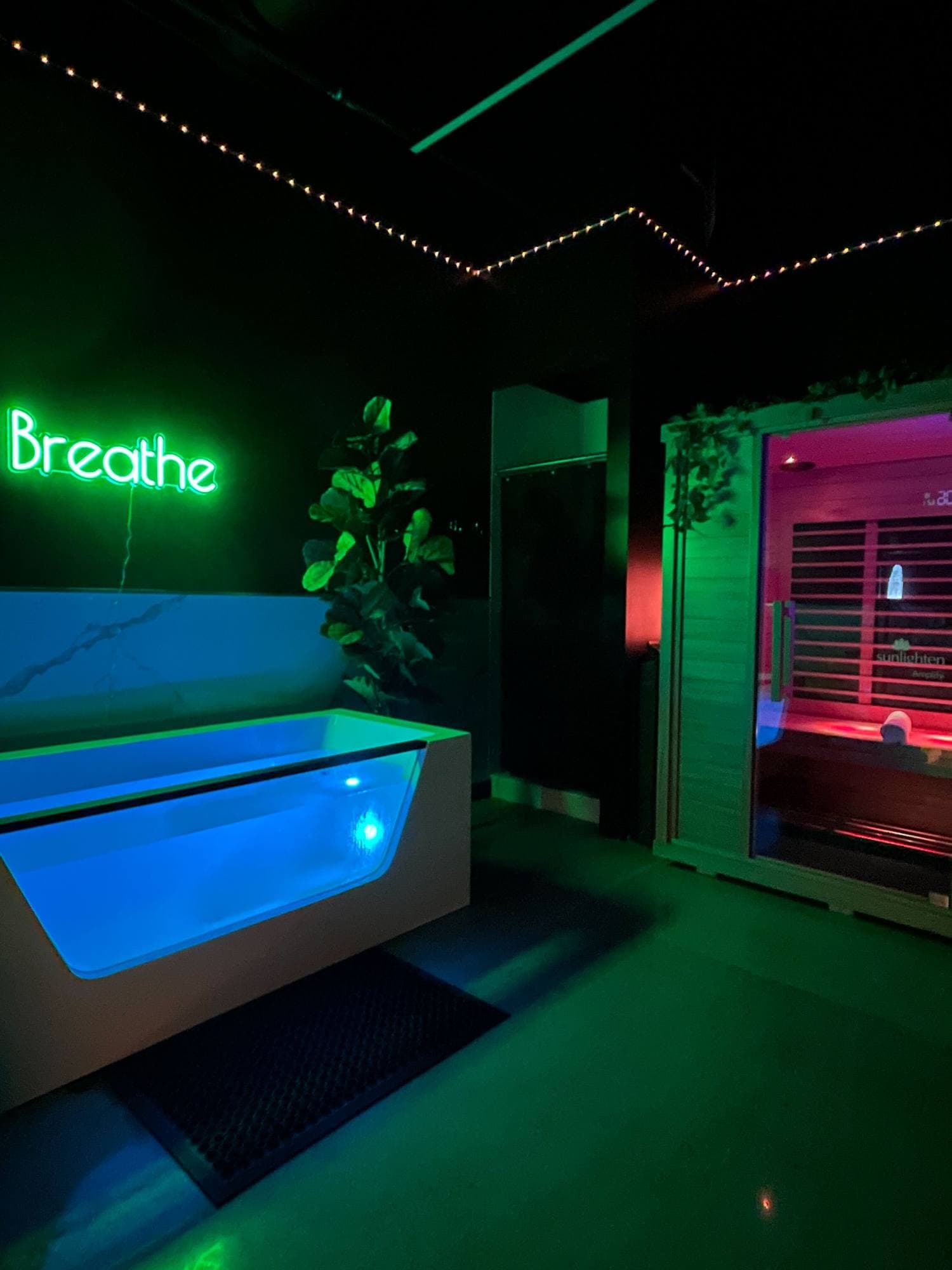
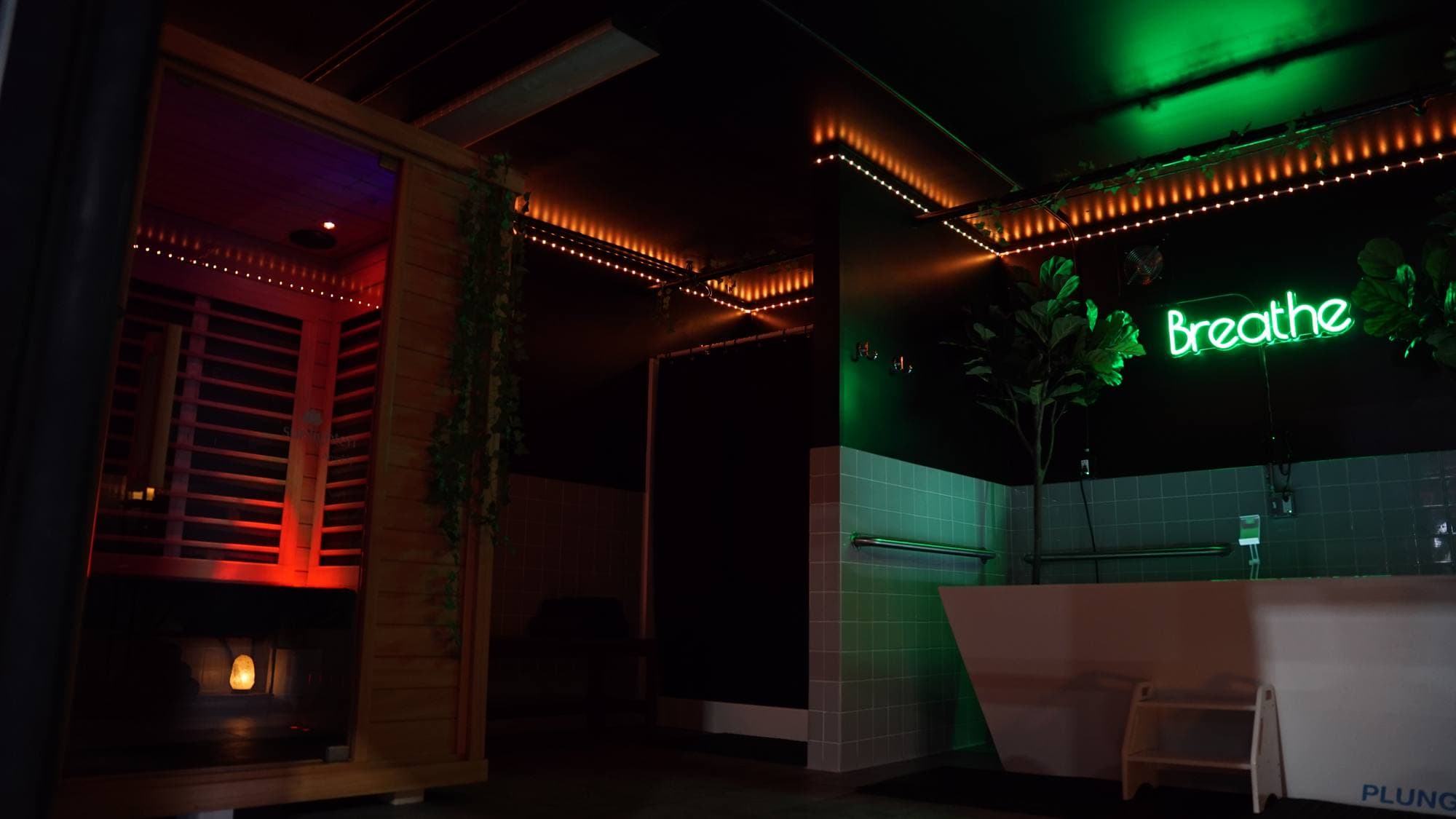
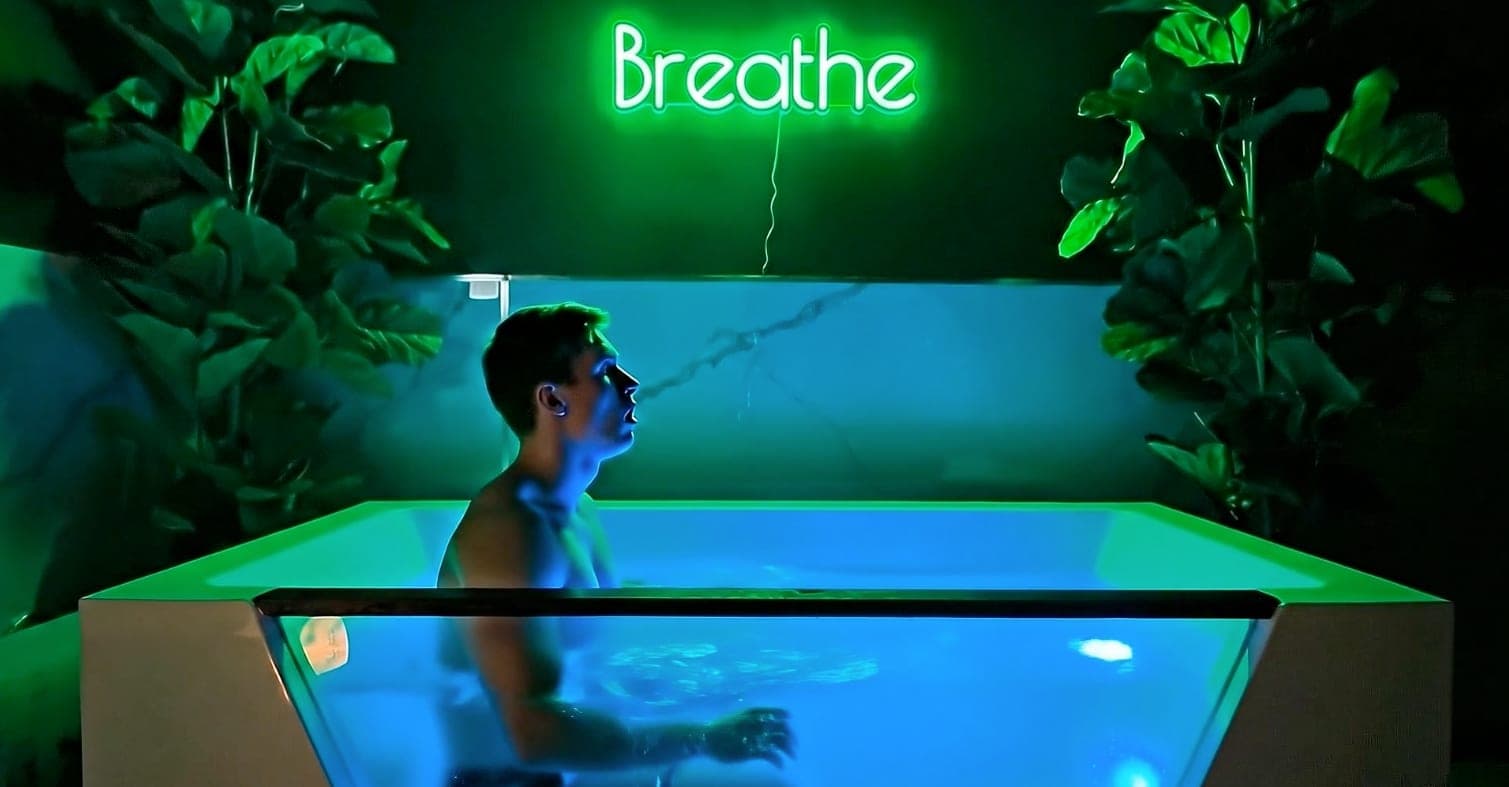
Conscious Body Recovery in San Diego offers private contrast therapy sessions with infrared saunas and cold plunges. These sessions, available in 25-, 55-, or 85-minute durations, provide a distraction-free environment to experiment with different cycles and recovery protocols.
Customizing your approach can help you unlock the full potential of contrast therapy.
Customizing Your Contrast Therapy Protocol
Begin with a basic recovery routine: spend 10 to 20 minutes in an infrared sauna (130 to 150°F), followed by 1 to 3 minutes in a cold plunge (50 to 59°F). Repeat this cycle 2 to 3 times for a balanced session. For more targeted muscle recovery after intense exercise, you could try the clinical protocol used in the Incheon Hospital study - 4 minutes of heat followed by 1 minute of cold, repeated over 20 minutes.
Always end your session with cold exposure to maximize the benefits. This final cold phase activates natural thermoregulation, releasing norepinephrine and stimulating mitochondrial growth. Afterward, let your body warm up naturally to maintain the metabolic boost. Aim for at least 11 minutes of total cold exposure per week. You can spread this time over 2 to 3 sessions to keep your recovery routine manageable.
"Brown fat, a type of healthy fat stored around the spine that acts as our body's temperature regulator, boosts metabolism and can even aid blood-sugar response and weight control. The more we expose ourselves to the cold, the more brown fat cells we have." Dr. Susanna Soeberg, Expert in Contrast Therapy
Conclusion
Contrast therapy leverages the science of thermogenesis to support body composition and metabolic health. By alternating between heat and cold, you stimulate brown adipose tissue, setting off a chain reaction of metabolic benefits that go beyond just burning calories. For example, acute cold exposure can increase daily energy expenditure by approximately 188.43 calories while also improving metabolic markers like insulin sensitivity and lipid profiles. These effects also contribute to faster recovery after physical activity.
In addition to boosting energy expenditure, contrast therapy plays a role in reducing inflammation and promoting tissue repair. Alternating between hot and cold temperatures creates a vascular pumping effect, which helps flush out metabolic waste, decrease inflammation, and aid in cellular repair. A large retrospective study involving over 52,000 patients highlighted that individuals with detectable brown fat had significantly lower rates of type 2 diabetes, dyslipidemia, and coronary artery disease.
The adaptability of contrast therapy allows it to be customized to individual needs. Responses to cold exposure can vary widely - from no noticeable increase to a 280% surge in thermogenesis - making a controlled and private setting essential for fine-tuning the process. At Conscious Body Recovery, personalized sessions help you optimize your protocol to maximize these scientifically supported benefits.
Using protocols like infrared sauna sessions followed by cold plunges offers a powerful way to improve fat loss, recovery, and metabolic health. A simple starting point could be 10 to 15 minutes of heat exposure followed by 1 to 2 minutes of cold. From there, you can adjust the timing and intensity based on your body’s response. With consistent practice, you’ll activate thermogenic pathways that not only reshape your body composition but also improve overall health, delivering long-term benefits.
FAQs
How does contrast therapy activate brown fat and support thermogenesis?
Contrast therapy works by activating brown fat through controlled exposure to cold temperatures. When the body is exposed to cold, brown adipose tissue (BAT) kicks into action, producing heat through a process called thermogenesis. This not only helps to regulate body temperature but also burns calories. Studies suggest that even mild cold exposure can ramp up BAT activity, leading to increased energy use and potential shifts in body composition.
Adding contrast therapy to your routine - like switching between infrared saunas and cold plunges - can amplify these effects. It supports recovery, reduces inflammation, and can leave you feeling more energized overall.
What are the health benefits of regularly practicing contrast therapy?
Contrast therapy, which involves switching between heat (like infrared saunas) and cold (such as cold plunges), can offer a range of health perks when done regularly. One of its key benefits is boosting thermogenesis - the process your body uses to produce heat. This can play a role in improving metabolism, supporting weight management, and fine-tuning body composition.
Cold exposure, a crucial part of contrast therapy, stimulates brown adipose tissue (BAT). This special type of fat burns calories to generate heat, which increases energy use and may help reduce fat storage. Beyond that, contrast therapy promotes better blood flow, helps lower inflammation, and aids in muscle recovery. Over time, it can be a helpful addition for managing physical recovery, easing pain, and supporting metabolic health.
How can I personalize contrast therapy sessions for the best results?
To make the most of contrast therapy, it's important to tailor the timing and sequence of heat and cold exposure to fit your specific needs. A popular method involves alternating between heat - like an infrared sauna - and cold plunges, with each phase lasting around 10 to 15 minutes. Starting with heat can boost blood circulation, while finishing with cold may trigger thermogenic effects, such as stimulating brown fat metabolism.
Pay attention to how your body responds and adjust the intensity and duration of your sessions to align with your comfort level and recovery objectives. Staying consistent with your routine can lead to benefits like less inflammation, increased energy, and improved muscle recovery. If you have any health concerns, it's always a good idea to consult a healthcare professional before diving into contrast therapy.