Quick answer
- Contrast therapy, which alternates between hot and cold treatments, is more than just a recovery method for athletes - it’s a practical way to strengthen emotional resilience.
- Reduces cortisol levels: Helps lower the stress hormone by up to 30%, promoting relaxation.
- Boosts serotonin and dopamine: Cold exposure increases dopamine by up to 250%, while heat enhances serotonin, improving mood and motivation.
In this article · 11 sections
Contrast therapy, which alternates between hot and cold treatments, is more than just a recovery method for athletes - it’s a practical way to strengthen emotional resilience. By exposing your body to controlled temperature extremes, you can train your nervous system to manage stress better, balance hormones, and improve mood. Here’s how it works:
- Reduces cortisol levels: Helps lower the stress hormone by up to 30%, promoting relaxation.
- Boosts serotonin and dopamine: Cold exposure increases dopamine by up to 250%, while heat enhances serotonin, improving mood and motivation.
- Balances the autonomic nervous system: Teaches your body to transition smoothly between stress and recovery states.
- Strengthens stress response: Trains your brain to recover quickly from challenges.
- Encourages deep relaxation: Activates the vagus nerve for a calming effect.
- Improves sleep quality: Aligns your body’s temperature with natural sleep rhythms.
- Enhances body awareness: Cold exposure sharpens focus on breathing and sensations, improving emotional control.
For best results, aim for 2 to 3 sessions per week, alternating between 10 to 15 minutes of heat (e.g., saunas boost brain health) and 45 to 60 seconds of cold plunge recovery (50 to 54°F). This practice not only helps with stress but also improves overall mental well-being.
1. Lowers Cortisol to Reduce Chronic Stress
Cortisol, often called the stress hormone, is released during "fight-or-flight" situations. While it’s useful in short-term scenarios, consistently high cortisol levels can lead to issues like anxiety, irritability, poor sleep, and a weakened immune system. Unfortunately, many people face daily stress that keeps their cortisol levels elevated.
Contrast therapy offers a way to counteract this by stimulating the parasympathetic nervous system - also known as the "rest-and-digest" mode. Infrared saunas play a key role here, helping to lower cortisol levels by as much as 30%.
"Most people are stuck in chronic low-grade stress. Contrast therapy gives you a controlled way to practice the shift [between activation and recovery]." Brass Monkey Health
This practice introduces controlled periods of stress, known as hormetic stress, which retrains your body's response to stress over time. Short bursts of heat and cold exposure help your nervous system become more flexible. Heat therapy encourages relaxation, while cold exposure stimulates the vagus nerve, improving heart rate variability. These thermal cycles help reduce cortisol and build emotional resilience.
To get the most out of contrast therapy, aim for 10 to 15 minutes of heat followed by 30 to 60 seconds of cold exposure at 50 to 54°F. Repeat this cycle 2 to 3 times per week.
2. Increases Serotonin and Dopamine for Better Mood
Contrast therapy doesn't just lower cortisol; it also naturally boosts serotonin and dopamine - key neurotransmitters that play a big role in mood, motivation, and emotional balance. When these chemicals dip, you might feel sluggish, anxious, or mentally foggy. The good news? Contrast therapy can help bring them back up.
Infrared saunas are known to enhance serotonin production and improve receptor activity, which supports mood regulation and overall happiness. Meanwhile, cold water immersion triggers a dopamine surge - up to an impressive 250% increase.
"Infrared saunas have been shown to optimize the production and reception of the natural antidepressants in our brain - dopamine, norepinephrine and serotonin." Dr. Jessica Tranchina, PT, DPT, Co-founder of Generator Athlete Lab
The magic of contrast therapy lies in its ability to create a "neurochemical high." The shift between heat and cold combines the calming effects of serotonin with the energizing boost of dopamine. This powerful combination can help counter feelings of low energy, sadness, and lack of drive. With consistent sessions, your brain can become better at releasing these feel-good chemicals over time.
For the best results, tailor your sauna and cold plunge protocols to the time of day. In the morning, end with cold exposure to maximize dopamine levels and kickstart your day. In the evening, wrap up with heat to promote serotonin release and improve sleep. Aim for 2 to 3 sessions a week to support long-term emotional balance.
3. Balances the Autonomic Nervous System
The autonomic nervous system (ANS) is like your body's autopilot, managing essential functions like heart rate and digestion without you even thinking about it. It has two key branches: the sympathetic nervous system, which handles "fight-or-flight" responses, and the parasympathetic nervous system, responsible for "rest-and-digest" activities. Emotional resilience depends on how well your body can switch between these two states. Chronic stress disrupts this balance, but contrast therapy helps restore it by training your body to transition more smoothly.
Cold exposure activates the sympathetic system, increasing your heart rate and adrenaline levels, which sharpens focus and alertness. On the flip side, heat exposure taps into the parasympathetic system, lowering your heart rate, reducing cortisol levels, and promoting relaxation. By alternating between these two extremes, you’re effectively teaching your body how to recover from stress more efficiently. This process is known as hormetic stress - a controlled use of brief discomfort to boost your adaptability.
"You're training your autonomic nervous system to switch states more efficiently. Over time, this builds what researchers call 'stress inoculation' - your body gets better at handling physiological stress, which translates to handling psychological stress more effectively too." Brass Monkey Health
Another benefit of regular cold exposure, especially when applied to the face and neck, is its ability to stimulate the vagus nerve. This can lead to improved heart rate variability (HRV), which is a key marker of emotional regulation and overall resilience.
If you’re new to contrast therapy, start with 10 to 15 minutes of heat, followed by 60 seconds of cold at a temperature between 50 to 54°F. Over time, this practice trains your ANS to better handle both stress and recovery.
4. Strengthens Nervous System Response to Stress
Contrast therapy doesn't just regulate your autonomic nervous system - it also trains it to handle stress more effectively. Think of it as interval training, but for your nervous system. By exposing your body to the alternating extremes of heat and cold, you're teaching it to bounce back from everyday stressors like tight deadlines, tough conversations, or unexpected curveballs.
Here’s how it works: moving between a sauna and cold plunge heated to 140 to 158°F and 50 to 54°F respectively creates a controlled environment for your brain and nervous system to adapt. Each cycle helps your nervous system recover more efficiently from stress, building resilience over time.
The prefrontal cortex, the part of your brain responsible for decision-making and emotional regulation, benefits significantly from this practice. Regular exposure to these thermal shifts helps this region stay composed under pressure, making it easier to think clearly during stressful moments. The quick transitions between vasodilation (from heat) and vasoconstriction (from cold) act as a workout for both your circulatory and nervous systems, improving your ability to recover from stress. Over time, these neural changes enhance your emotional resilience, equipping you to handle daily challenges with greater ease.
For best results, start with 10 to 15 minutes in the sauna (140 to 158°F), followed by 45 to 60 seconds in the cold plunge (50 to 54°F). Repeat this process for 2 to 3 cycles, finishing with a cold plunge if your goal is to boost stress recovery and mental toughness. Following cold plunge best practices ensures you reap these benefits safely.
5. Triggers the Parasympathetic Relaxation Response
Contrast therapy doesn’t just help you manage stress - it actively encourages your body to enter a state of deep relaxation. Here’s how it works: cold exposure initially activates your sympathetic "fight-or-flight" response, but then your parasympathetic nervous system - responsible for rest and recovery - takes over. This process trains your body to quickly shift from stress to calm, building emotional resilience over time.
The science behind it is fascinating. When cold water touches areas like your face and neck, it stimulates the vagus nerve, a critical part of the parasympathetic system. Heat exposure, such as infrared sauna vs. cold plunge detox effects, complements this by raising your core temperature, which further encourages parasympathetic activity. Together, these alternating temperatures reset your nervous system, creating a balance between stress and relaxation.
"The combination of heat and cold can help balance the autonomic nervous system, shifting the body from the fight-or-flight state into a more relaxed, parasympathetic state." - Contrast Studios
To make the most of this effect, end your session with heat rather than cold. For instance, spend 2 to 3 minutes in a cold plunge (50 to 54°F), followed by 10 to 20 minutes in a sauna. Timing matters too - schedule your session 2 to 3 hours before bed. This allows your core body temperature to naturally drop afterward, signaling your brain that it’s time to rest.
Regularly activating the vagus nerve through this practice also boosts heart rate variability (HRV), an important measure of emotional regulation and stress resilience. Over time, this not only improves HRV but also strengthens your ability to handle daily challenges with greater emotional control. By fine-tuning the sequence of your contrast therapy sessions, you can enhance your body’s recovery and emotional well-being.
6. Improves Sleep Quality and Emotional Control
Struggling with poor sleep? It can disrupt emotional balance, problem-solving, and stress management, making daily life harder. Contrast therapy offers a way to address this by gently adjusting your core body temperature to align with your natural sleep signals.
Wrapping up your session with heat raises your core temperature, followed by a cooldown that mimics the natural drop associated with your circadian rhythm. This process encourages sleepiness and boosts melatonin production. Earlier cold exposure in the session activates your vagus nerve, improving heart rate variability and nudging your nervous system into a calm, restorative mode.
"Better sleep = better mood, memory, and overall mental health." MedHouse
The benefits don’t stop there. Regular sauna use has been shown to lower cortisol levels by as much as 30%, reducing the stress hormone that often disrupts sleep. On the other hand, cold exposure helps counteract the sluggishness caused by lack of rest, stabilizing your mood further. Together, these effects bolster emotional control and resilience.
These physiological changes pave the way for more restorative sleep. To make the most of these benefits, try scheduling your contrast therapy session 2 to 3 hours before bedtime, ending with 10 to 15 minutes in the sauna. This timing gives your body a chance to cool down naturally, signaling your brain that it’s time to wind down. Over time, better sleep and balanced neurotransmitters can help you handle stress with greater ease.
7. Stimulates the Vagus Nerve and Body Awareness
Contrast therapy does more than just relax your body - it actively engages the vagus nerve, refining your emotional resilience in the process.
The vagus nerve, often referred to as your body's "calm switch", is the longest cranial nerve, connecting your brain to key organs like your heart, lungs, and digestive system. When cold water touches areas like your face and neck, it directly activates this nerve, triggering an almost immediate sense of calm.
But the benefits go beyond a fleeting moment of relaxation. Regular activation of the vagus nerve improves your vagal tone, which is crucial for stress recovery. A high vagal tone allows you to transition smoothly from a state of anxiety to calm, while a low vagal tone can leave you feeling stuck in a stress response. By using controlled temperature stress, such as contrast therapy, you're training your nervous system to better handle life's pressures.
"With steady, slow exhales and stillness, you override the stress signal. Your vagus nerve begins to activate, your heart rate slows, and your brain receives the message: You are safe. You can stay." ISKA Recovery Team
Contrast therapy also sharpens your body awareness. The cold shock demands your full attention - there's no room for mental distractions. Instead, you're fully focused on your breath and physical sensations, which becomes a valuable tool for managing emotions. Dr. Jessica Tranchina, PT, DPT, and Co-founder of Generator Athlete Lab, highlights this connection:
"Cold water exposure, even if it's only splashing our face, activates the vagus nerve, thus slowing down our breathing and heart rate and switching us into a state referred to as parasympathetic mode".
To make the most of cold immersion, focus on slow, controlled exhales, ensuring the water covers your neck and face. This practice not only enhances sensory awareness but also builds your ability to stay calm and present under stress.
Private Contrast Therapy at Conscious Body Recovery
Building emotional resilience through contrast therapy is most effective when you can fully immerse yourself in the mind-body connection. Conscious Body Recovery, located in San Diego, offers private contrast therapy sessions designed for individuals, couples, or small groups. This personalized approach ensures a distraction-free environment that allows you to focus entirely on your recovery journey.
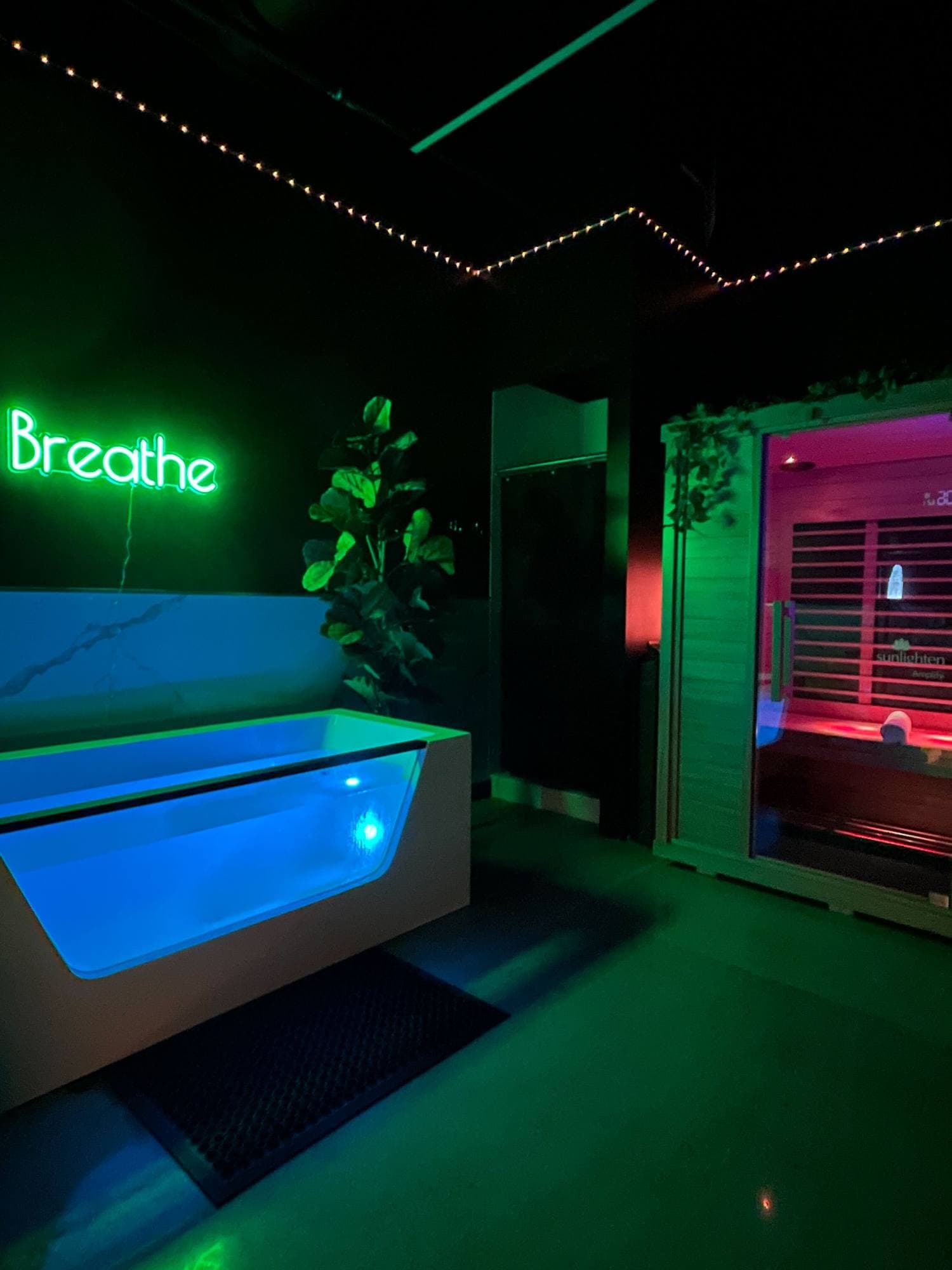
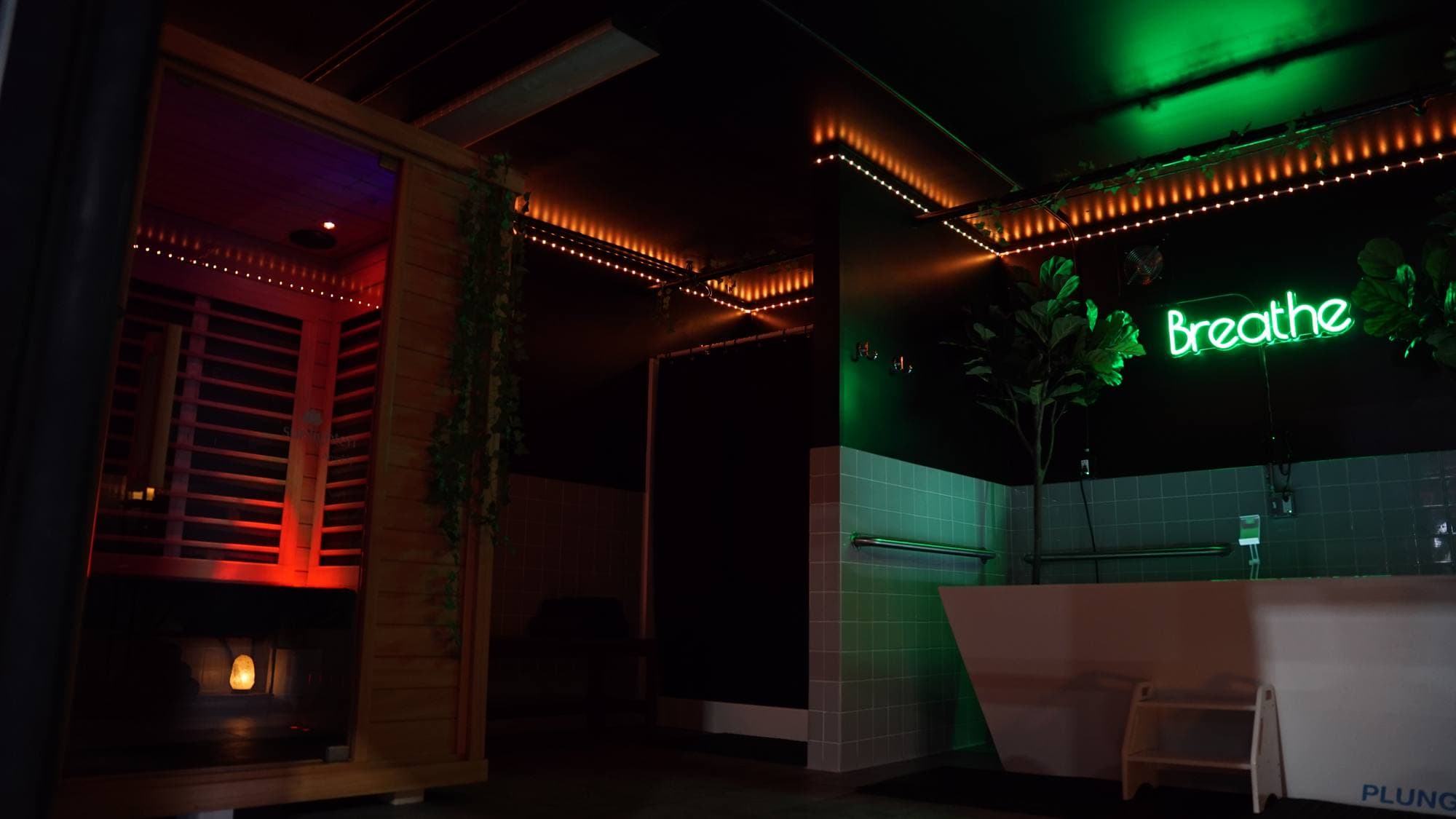
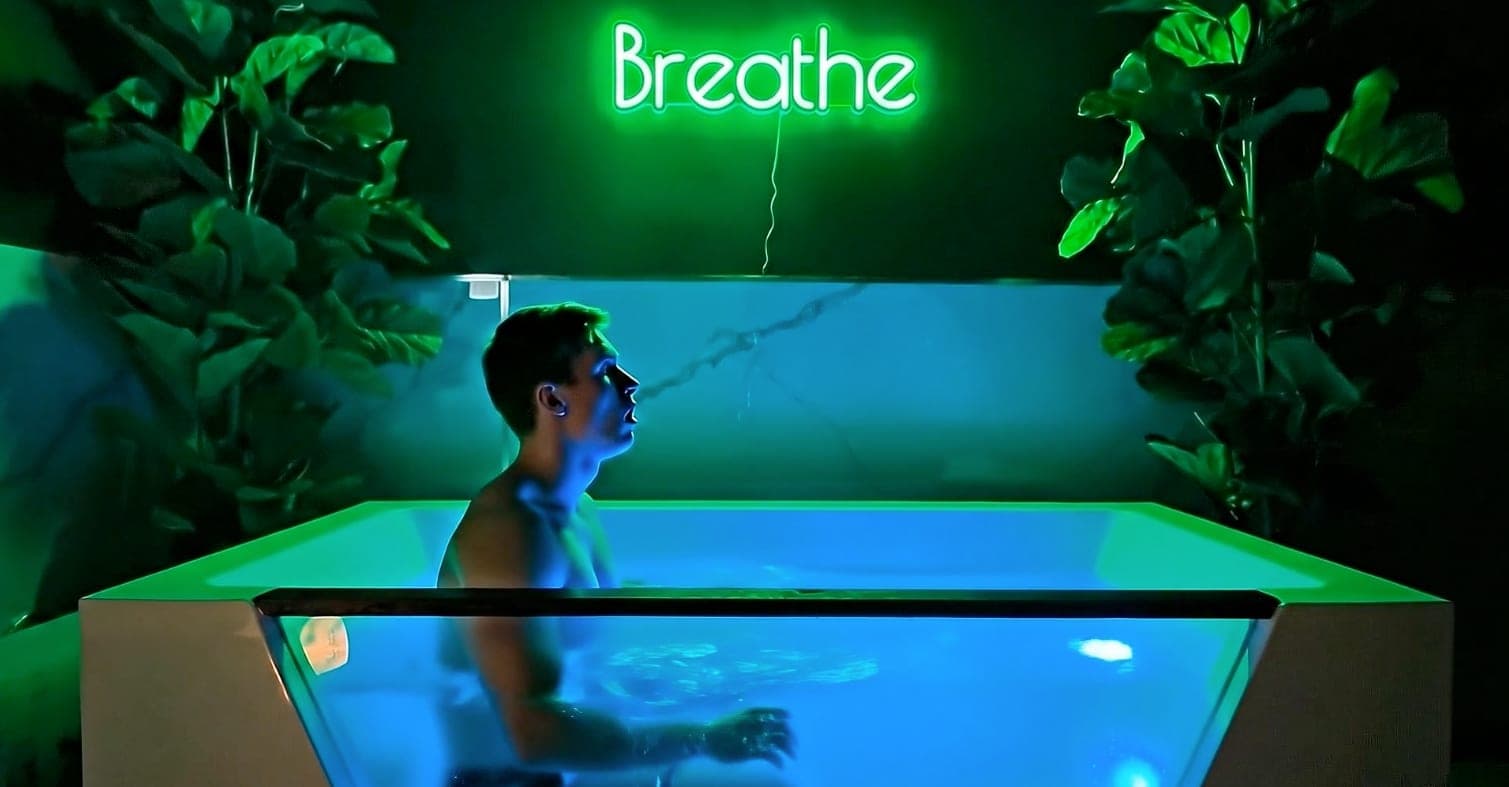
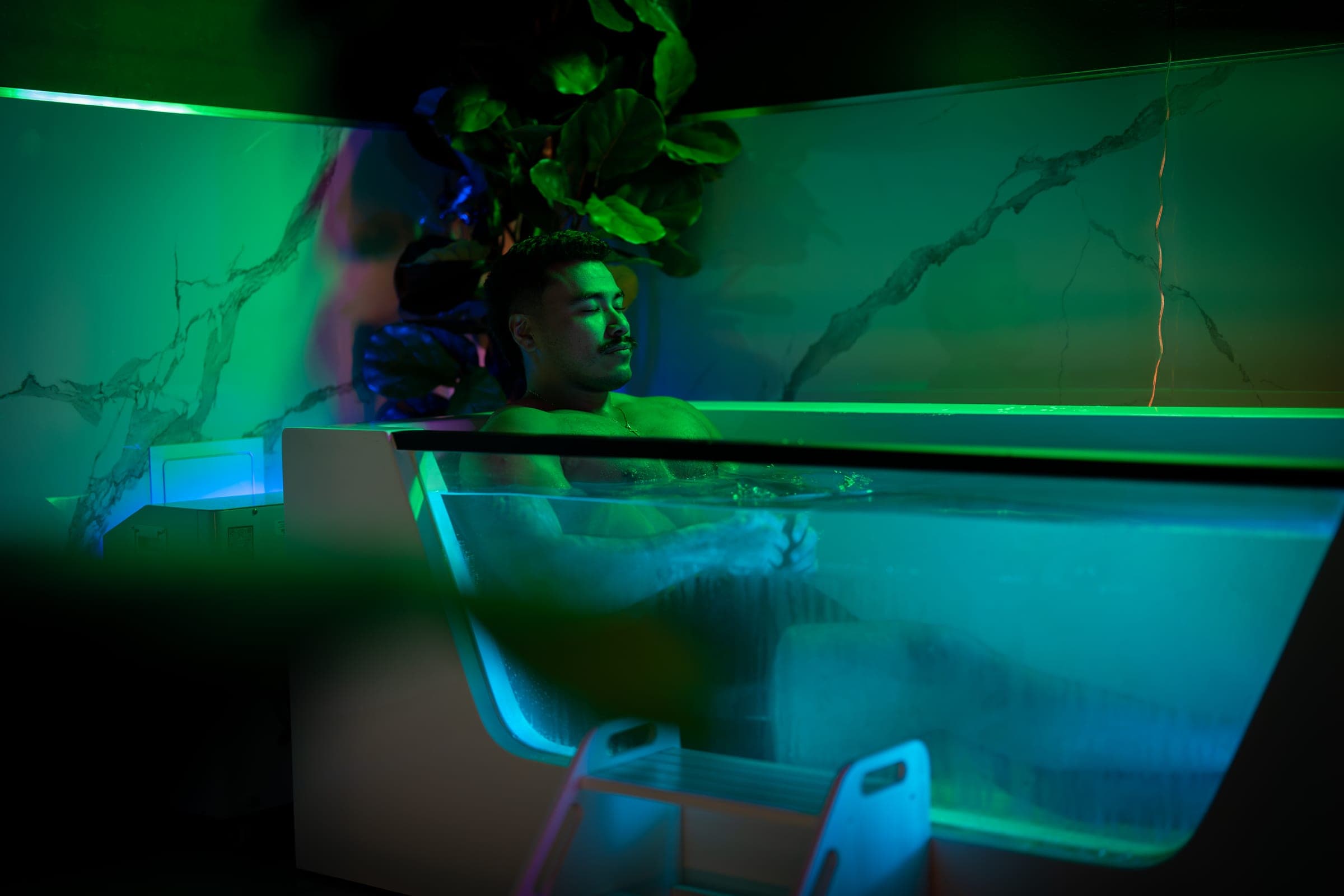
Unlike the hustle and bustle of communal gyms or spas, these sessions take place in private suites equipped with an infrared sauna and a cold plunge. You can select from 25, 55, or 85-minute sessions, making it easy to fit into your schedule and align with your wellness goals. You can even add contrast therapy to your daily life for consistent results.
Say goodbye to social pressure and outside distractions. Customize your experience with your choice of room scents, enjoy warmed towels, and sip on refreshments as you transition from the cold plunge to relaxation. These thoughtful touches create an atmosphere tailored to your needs, making recovery a deeply personal and enjoyable process.
Whether you're exploring contrast therapy for the first time or are already familiar with cold exposure, the private suites at Conscious Body Recovery provide the perfect setting to relax and recharge without interruptions. Options include single sessions, packages, or memberships, with pricing starting at $199 for daily 25-minute sessions.
Conclusion
Contrast therapy helps train your nervous system to handle stress more effectively while promoting mood-boosting neurotransmitters and activating the vagus nerve for better emotional regulation.
With consistent practice, your ability to manage stress improves, a process often referred to as "stress inoculation". As Brass Monkey Health puts it:
"The goal isn't to eliminate stress. It's to train yourself to move through it more effectively".
Over time, these benefits build upon one another, reshaping your stress response and enhancing your overall well-being. Conscious Body Recovery in San Diego offers private contrast therapy sessions tailored for individuals, couples, or small groups. With sessions starting at just 25 minutes and memberships priced from $199/month, this evidence-based approach to mental wellness can easily fit into your routine.
For the best results, aim for 2 to 3 sessions per week and observe how your stress management improves. Whether you're tackling chronic stress, seeking a mood lift, or striving for greater emotional balance, contrast therapy provides a practical, science-backed way to support your mental health.
FAQs
How does contrast therapy help build emotional resilience?
Contrast therapy helps build emotional resilience by exposing your body to alternating hot and cold temperatures, such as through infrared saunas and cold plunges. This alternation creates a mild, controlled stress on the body, called hormetic stress, which trains your nervous system to handle everyday challenges more effectively. Over time, this practice can lead to improved stress management and greater emotional stability.
Another benefit of contrast therapy is its ability to trigger the release of endorphins and dopamine - natural chemicals that boost your mood. This can help ease feelings of anxiety and promote a sense of well-being. Regular sessions also support better nervous system regulation, making it easier to stay calm and composed during stressful moments. Adding contrast therapy to your routine can help you develop a stronger emotional foundation and clearer mental focus.
How often should I do contrast therapy sessions?
The frequency of contrast therapy sessions can vary based on your goals and how your body reacts to the practice. For most, beginning with 2-3 sessions per week is a solid starting point. This approach can help enhance recovery, support emotional well-being, and promote nervous system balance.
The most important factor is consistency. Gradually making contrast therapy a regular part of your routine allows you to gain the most from it. Pay attention to how your body feels, ease into the process, and make adjustments as necessary. If you have any health concerns, it’s wise to consult a healthcare professional to determine the best frequency for your situation.
Can contrast therapy improve sleep quality?
Yes, contrast therapy can help improve sleep by encouraging relaxation and supporting the body’s recovery. Switching between heat and cold - like using an infrared sauna followed by a cold plunge - helps balance the nervous system, which can lower stress and ease anxiety, two major culprits behind poor sleep.
This method also boosts circulation and triggers the release of endorphins, which are natural mood elevators. The result? A calmer, more peaceful state of mind that’s perfect for better rest. Adding contrast therapy to your routine - such as booking private sessions at Conscious Body Recovery - can be a practical way to enhance your sleep and build emotional resilience.