Quick answer
- Same cold, different setup. An ice bath is a tub chilled with bags of ice. A cold plunge has a chiller that holds a set temperature, usually with filtration built in.
- Research links cold-water immersion with less muscle soreness after exercise and a lift in mood and alertness. Temperature and time both shape the results, and a plunge lets you control both.
- If you want cold water often without the ice runs, a dedicated plunge is simply easier. Every CBR suite has one a few steps from the sauna.
In this article · 8 sections
What an ice bath is
An ice bath is exactly what it sounds like. Fill a tub, a stock tank or a big bin with water, then add ice until it's cold enough. Athletes have done it for decades, and plenty of people still do it at home after a long run or a hard game.
The appeal is obvious: almost no setup cost if you already have a tub. The catch is that you're the thermostat. How cold the water gets depends on how much ice you add, how warm the tap water was and how warm the room is. And from the moment you finish pouring, the ice is melting and the water is warming up.
What a cold plunge is
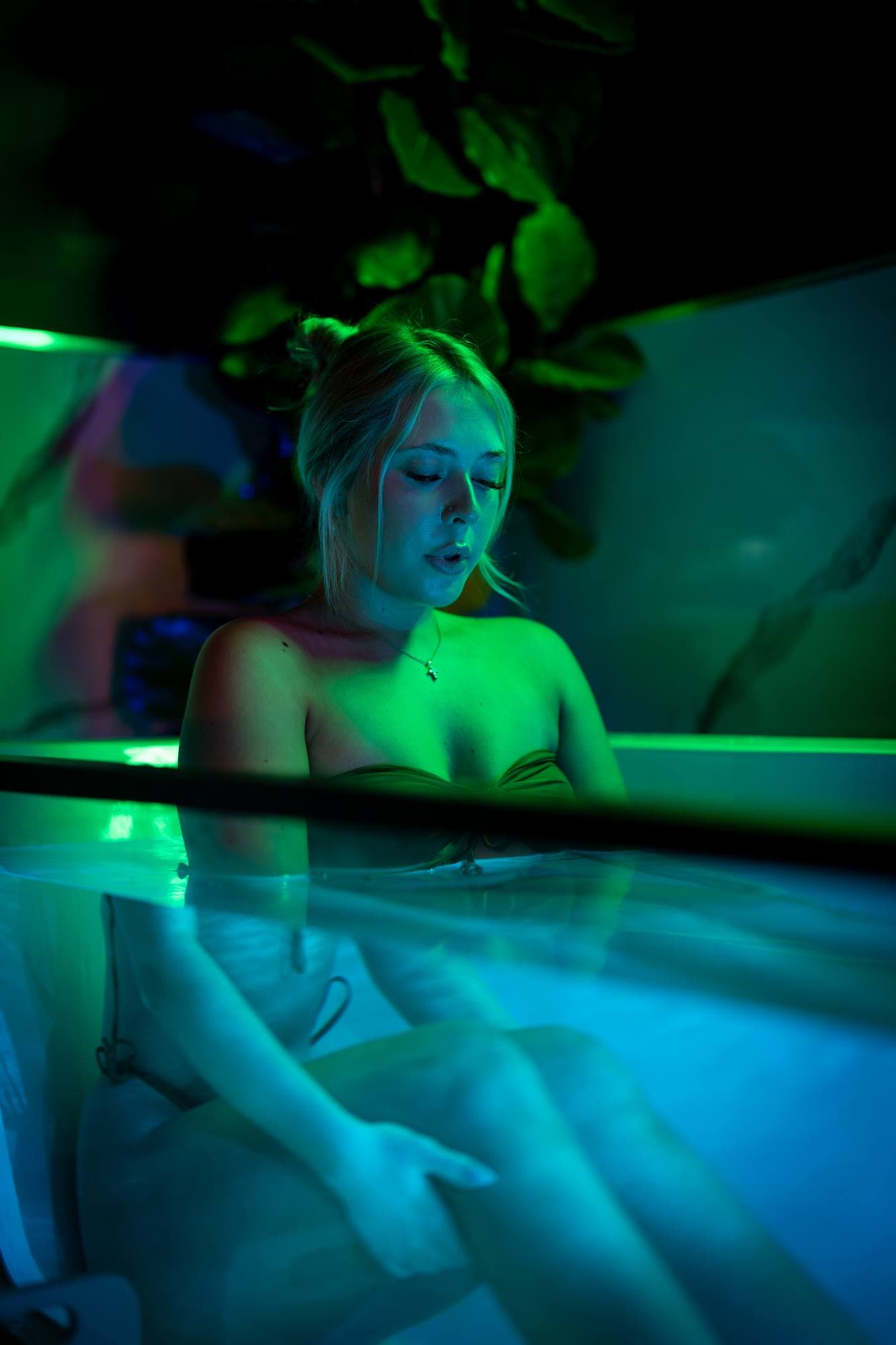
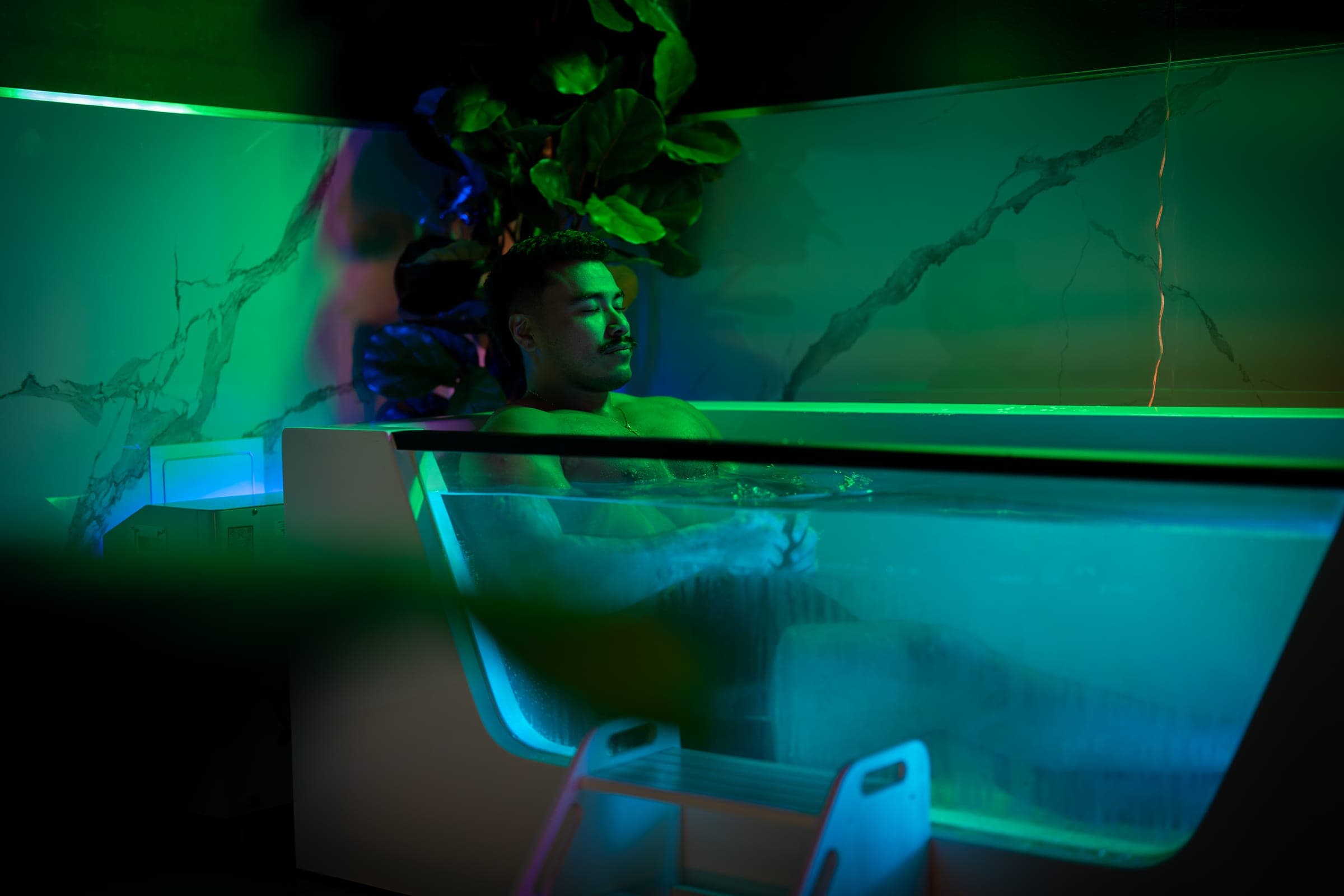
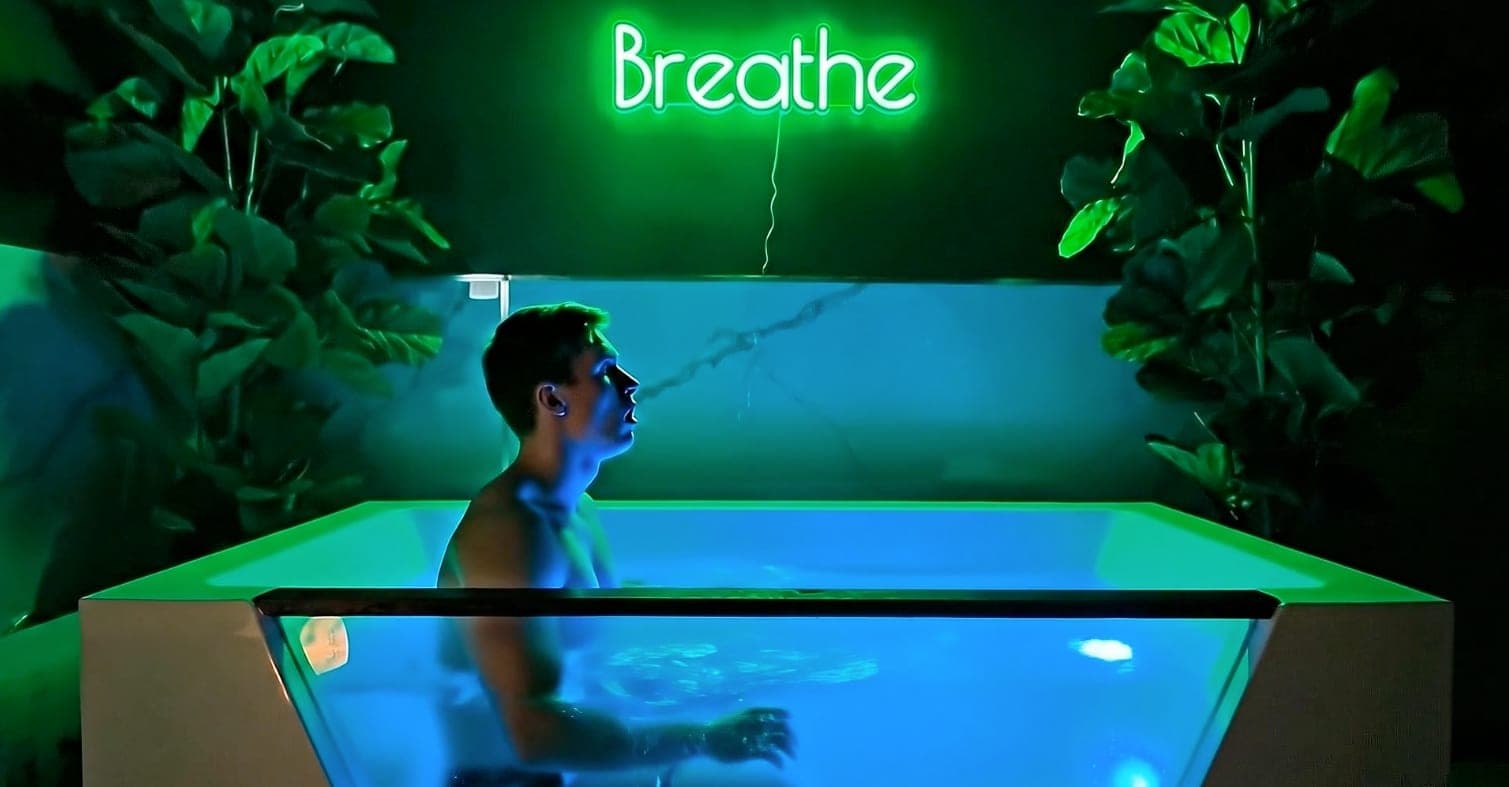
A cold plunge is a tub built for one job: holding cold water at a set temperature. A chiller cools the water and keeps it there, so there's no ice to buy or carry. Most dedicated plunges also run the water through a filter, and many add a sanitizing step, so it stays clear between uses.
You set a number. The water holds it. You get in.
What research says about the cold itself
The cold is the same in both, so the reasons people plunge are the same too. Here's what studies have found:
- Less muscle soreness. A Cochrane review of controlled trials found some evidence that cold-water immersion after exercise reduces the muscle soreness that peaks a day or two later, compared with simply resting (Cochrane Database of Systematic Reviews, 2012).
- A lift in mood. After a five-minute cold-water immersion, volunteers in a 2023 study said they felt more active, alert, attentive and inspired, and less distressed and nervous (Biology, 2023).
- That wide-awake feeling. In a lab study, an hour in 57°F (14°C) water raised blood noradrenaline by 530% and dopamine by 250% (European Journal of Applied Physiology, 2000). Nobody needs an hour in cold water, but it may help explain the buzz people describe after a short plunge.
So the real question is which setup makes it easier to do well, and often.
Why a steady temperature matters
Here's a detail most comparisons skip: in the research, temperature and time change the result. A 2016 meta-analysis found the soreness benefits were strongest with water around 52 to 59°F (11 to 15°C) for about 11 to 15 minutes, and that the effect followed the dose (Sports Medicine, 2016). Colder water usually means a shorter dip.
With ice, hitting any target is guesswork. The water near the ice is colder than the far end of the tub, stirring changes it, and ten minutes later it has warmed. That makes it hard to know what you actually did, and hard to repeat it.
A plunge takes the guesswork out. If the water was 47°F on Monday, it's 47°F on Thursday, so the only thing changing is you. For a beginner that's a big deal: 30 seconds this week, a minute next week. Our plunges are kept at 45 to 49°F. If that sounds intense, it is, for the first few breaths.
Clean water, without the chore
An ice bath is clean when it's freshly filled and the tub is clean. That usually means draining and refilling every time, which is a lot of water and a lot of work.
A dedicated plunge keeps its water moving through a filter, so it stays clear without starting over. At CBR, a professional cleaning service cleans the plunges three times a week. During your booking, the only people in the water are you and whoever you bring.
The convenience gap
This is where the difference really shows. A home ice bath means buying ice, finding freezer space, filling the tub, waiting, plunging, then draining and drying everything. The setup can take longer than the plunge.
A plunge is ready when you walk in. In a CBR suite it sits a few steps from the infrared sauna, so you can go from heat to cold and back again. That back-and-forth is contrast therapy, and a 2013 review found it eased muscle soreness after exercise more than passive rest (PLOS ONE, 2013). Wondering about the order? Here's our take on sauna first or plunge first.
So which should you choose?
An ice bath makes sense if:
- You plunge once in a while, after a race or a big game.
- You already have a tub and don't mind the setup.
- You want to try cold water before spending anything.
A dedicated cold plunge makes sense if:
- You want cold water regularly, not occasionally.
- You'd like to know the temperature and repeat it.
- You want a sauna right next to it.
- You don't want to own, clean and maintain the equipment.
That last point deserves a beat. A home plunge is a real purchase, and it comes with filters to change, water to manage and a chiller to look after. Booking a session means someone else handles all of it. Our cold plunge page shows what's in the suite.
Getting in either one
Whatever the tub, the basics are the same. Get in slowly, breathe out long and steady, and keep the first one short. Most first-timers start with about 30 seconds. Get out right away if you feel dizzy, numb or unwell, and don't plunge after drinking alcohol. If you are pregnant, have a heart condition or any medical concern, check with your doctor first. Our first cold plunge tips walk through it step by step, and how long to stay in covers timing.
Questions people ask.
Is a cold plunge colder than an ice bath?
Not necessarily. Both can reach the 30s or 40s °F. The difference is that a plunge holds its temperature, while an ice bath warms up as the ice melts.
Are the benefits different?
The cold is the same, so the research applies to both. Studies link cold-water immersion with less muscle soreness after exercise and a lift in mood. A plunge just makes it easier to repeat the same temperature every time.
Do you put ice in a cold plunge?
No. A chiller keeps the water cold, so there's nothing to buy, carry or wait for.
How cold is the plunge at CBR?
Our plunges are kept at 45 to 49°F.
Is a cold plunge cleaner than an ice bath?
A dedicated plunge filters its water continuously, so it stays clear between uses. An ice bath is clean when it's freshly filled in a clean tub, which usually means draining and refilling each time.
How long should I stay in a cold plunge?
Most first-timers start with about 30 seconds, and there's no prize for staying longer. Get out whenever you want, and right away if you feel dizzy or unwell.
Sources
- Bleakley C, et al. Cold-water immersion (cryotherapy) for preventing and treating muscle soreness after exercise. Cochrane Database of Systematic Reviews, 2012. PubMed
- Yankouskaya A, et al. Short-term head-out whole-body cold-water immersion facilitates positive affect and increases interaction between large-scale brain networks. Biology, 2023. PubMed
- Srámek P, et al. Human physiological responses to immersion into water of different temperatures. European Journal of Applied Physiology, 2000. PubMed
- Machado AF, et al. Can water temperature and immersion time influence the effect of cold water immersion on muscle soreness? A systematic review and meta-analysis. Sports Medicine, 2016. PubMed
- Bieuzen F, Bleakley CM, Costello JT. Contrast water therapy and exercise induced muscle damage: a systematic review and meta-analysis. PLOS ONE, 2013. DOI