Synced word for word from SEObot (scripts/seobot-sync). Not fact-checked: health claims, prices, offers and quotes are as first published. Prune or rewrite after launch.
Quick answer
- My take on sauna vs steam room: compare humidity, not just temperature.
- Skip alcohol, follow cleaning rules, and ask a clinician about pregnancy, health conditions, or medicines that affect heat tolerance.
- Dry sauna research doesn’t apply directly to infrared saunas or steam rooms.
In this article · 6 sections
My take on sauna vs steam room: compare humidity, not just temperature. Saunas use dry heat; steam rooms run cooler but have nearly 100% humidity, which limits sweat evaporation. For your first visit, start with 5 to 10 minutes, drink water, and leave if you feel unwell.
Quick Comparison
| Feature | Standard sauna | Infrared sauna | Steam room |
|---|---|---|---|
| Heat source | Heater and stones | Infrared emitters | Steam generator |
| Typical temperature | 158 to 212°F | 118 to 150°F | 110 to 120°F |
| Humidity | Usually 10 to 20% | Low; no added steam | Nearly 100% |
| Feel | Hot, dry air | Direct warmth with cooler air | Heavy, moist heat |
Here’s what I’d keep in mind before booking:
- Safety comes before session length. Skip alcohol, follow cleaning rules, and ask a clinician about pregnancy, health conditions, or medicines that affect heat tolerance.
- More sweat doesn’t mean better results. Dry sauna research doesn’t apply directly to infrared saunas or steam rooms.
- A cold plunge is optional. You can cool down without cold water. Combining heat and cold adds risks.
- Check what your booking includes. Conscious Body Recovery offers private infrared sauna, cold plunge, and shower suites in San Diego and Murrieta, not steam rooms. Booking time includes breaks and showering, not continuous heat.
Session Length, Hydration and Hygiene
Start With a Short Heat Session
Humidity changes how much heat your body has to handle, so keep your first session short [5]. Start with 5 to 10 minutes. Work toward 15 to 20 minutes only if you tolerate the heat well [2]. Your tolerance depends on both your body and the room conditions.
Leave immediately if you feel dizzy, lightheaded, nauseated, or unusually tired, or if you have palpitations, a headache, or unusual shortness of breath. Cool down gradually and drink fluids. If you are alternating between a cold plunge and sauna, ensure you follow proper safety protocols for both. Don’t try another heat round to feel better.
Before entering, shower as instructed and check the room’s rules [2]. Allow time within your booking for changing, showering, and cooling down. Even a short session calls for attention to hydration.
Hydrate and Skip Alcohol
Both dry and humid heat cause fluid loss through sweating. Drink water before, during, and after heat exposure, and keep water available during cooling breaks [1]. Skip alcohol before and during your visit.
Hydration is only part of the picture. Cleanliness and moisture control matter, too.
Keep Towels, Showers, and Surfaces Clean
Follow the facility’s rules for showering, clothing, and footwear. Sit on a clean towel, and wear shower shoes or flip-flops where allowed [2]. Postpone your visit if you’re ill or feverish.
Private rooms still need cleaning between guests. A towel helps, but it doesn’t replace surface cleaning. Steam rooms also need attention to moisture, drainage, and slip hazards [2].
These basics set up the next question: what does heat research actually show?
What Research Says About Heat and Safety
Feeling comfortable or sweating heavily does not mean heat exposure is safe or effective.
Limits of Dry Sauna Research
Findings from dry sauna studies do not apply directly to infrared saunas or steam rooms. The protocols, participants, and heat exposure differ.
In steam rooms, sweat evaporates less easily. That means a lower temperature does not automatically put less heat strain on your body. [2][5]
More Sweat Does Not Mean Better Results
Sweat reflects fluid loss, not detoxification. Research does not show that hotter or longer sessions produce better results.
When to Ask a Health Professional
Talk with a health professional before using a sauna or steam room if you are pregnant, have a heart or blood pressure condition, or take medications that affect sweating, fluid balance, or blood pressure.
The NHS advises caution with saunas and steam rooms during pregnancy. CDC guidance on heat and medications also notes that some medicines can change how your body responds to heat. Ask your clinician or pharmacist whether your medications increase your heat risk. Do not stop or adjust them yourself.
These cautions matter even more if you plan to add a cold plunge.
Where a Cold Plunge Fits
A cold plunge is optional after a sauna or steam room. You can cool down without getting into cold water.
Alternating Between Heat and Cold
If you choose to alternate heat and cold, start with a brief cooldown. Research on contrast water therapy does not establish a single best heat-to-cold sequence or duration.
For a gentler transition, spend several minutes at normal room temperature. Passive cooling between rounds is also part of Finnish sauna practice [5]. It’s the simplest way to cool down between rounds.
Cold Plunge Risks and Precautions
Cold immersion can quickly affect breathing, heart rate, and blood pressure. After heat, let your breathing settle and follow the facility’s instructions for entering the water. Steady breathing does not remove the risks of cold exposure.
Stop and exit carefully if you have trouble breathing, dizziness, numbness, or intense discomfort. Don’t push through symptoms to meet a time target.
If you have a heart, blood pressure, or lung condition, or are pregnant, ask a healthcare professional for advice before combining saunas and cold plunges. Ask specifically about using the two together.
Private Infrared Sauna Suites in San Diego
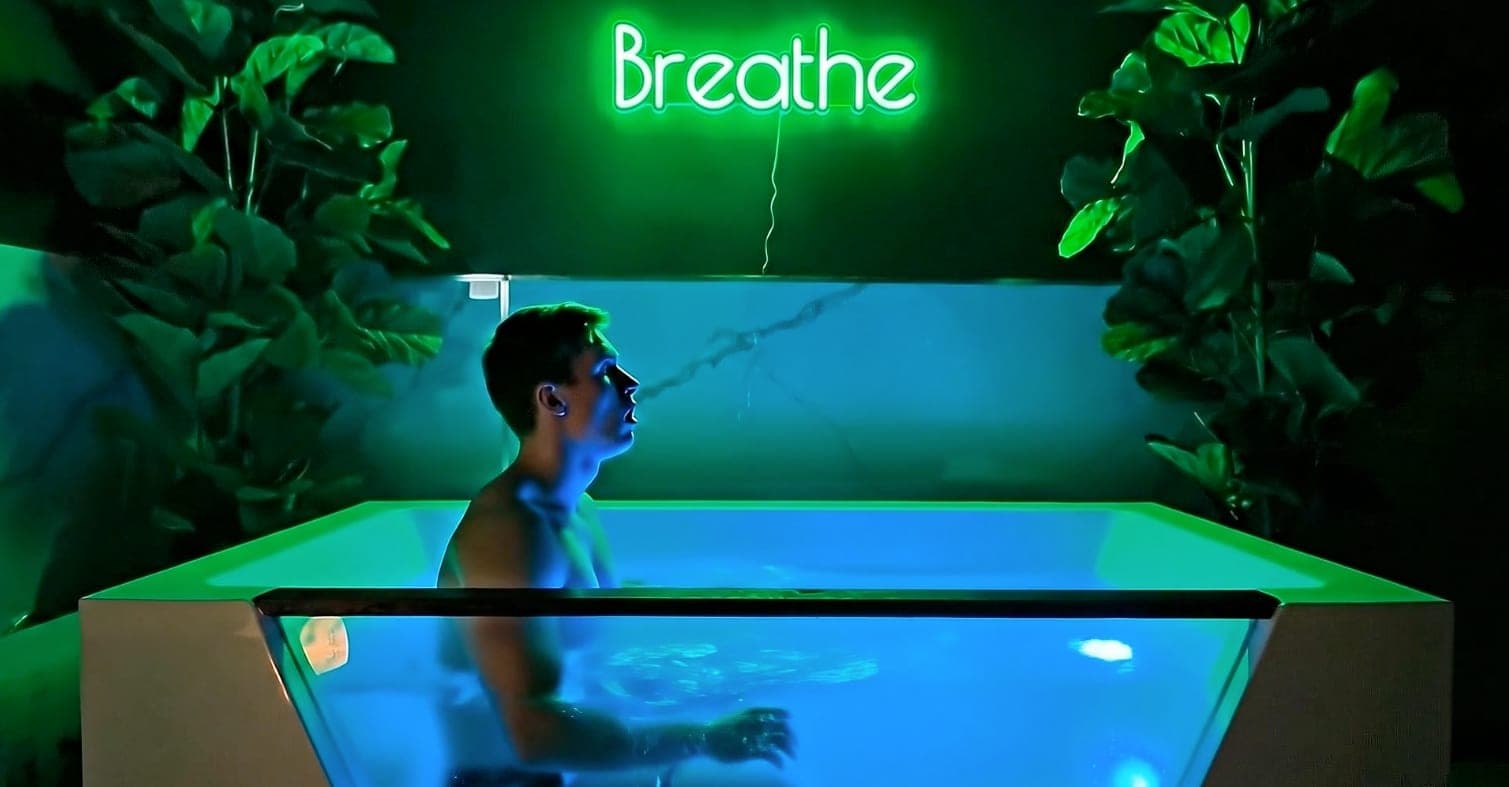
Conscious Body Recovery offers private infrared sauna and cold plunge suites in San Diego and Murrieta. These are infrared saunas, not steam rooms.
San Diego and Temecula-Area Locations
The San Diego location is at 4030 Sports Arena Blvd, Suite B, near Point Loma and Old Town. The Temecula-area location is in Murrieta at 25389 Madison Ave, Suite C-101.
What Your Private Booking Includes
Each booking gives you a private infrared sauna, cold plunge, and shower for 25, 55, or 85 minutes. Visit alone or bring up to two guests: a maximum of three people. Self check-in helps keep your visit private and flexible.
Your reservation covers time for heat and cold therapy, showering, and breaks, not continuous sauna use. Pick a session length that leaves room for each, and check the current pricing before reserving.
Your First Visit
New guests can get 50% off their first session. Before booking, read the infrared sauna page. You don’t need to spend your whole reservation in the heat or use the cold plunge just because it’s included.
Conclusion: Choose the Heat That Suits You
Saunas are hotter and drier. Steam rooms run cooler, but their nearly 100% humidity can make them feel more intense.[1][2] Research hasn’t shown that either format is better for everyone.[2][3]
Start with 5 to 10 minutes, drink water before and after, and stop if you feel dizzy or nauseated.[2][8] A cold plunge is optional, not a required finish.[3]
For a local infrared option, check Conscious Body Recovery’s infrared sauna details and first-visit page before booking.
FAQs
How do I choose between a sauna and a steam room?
Choose based on your heat tolerance and the experience you prefer. Saunas use dry heat at around 150 to 200°F. Steam rooms run at around 110 to 115°F with nearly 100% humidity. That moisture can make the heat feel more intense and breathing harder for some people [1][2][3].
Stay hydrated and wear footwear in steam rooms. If you have a heart, lung, or skin condition, check with your physician before using either [1][2][3].
Why does humid heat feel harder to breathe in?
Humidity in a steam room can reach nearly 100%, making the air feel heavy and less comfortable to breathe [1][2]. Unlike dry sauna heat, humid heat slows sweat evaporation, limiting the body’s ability to cool itself and adding to heat strain [3]. The warmth may ease sinus congestion for some people, but others find the humid air uncomfortable to breathe [1][2].
How can I tell when I’ve cooled down enough?
You’ve cooled down enough when your heart rate returns to its normal resting pace and you no longer feel overheated or physically stressed [1][2].
Leave the heat immediately if you feel dizzy, lightheaded, fatigued, or nauseous [3]. To cool down, rest at room temperature, take a cool shower, or try a cold plunge [5][2]. Cooling too fast can cause sudden blood pressure shifts, so move slowly and pay attention to your body’s signals [1][2].