Synced word for word from SEObot (scripts/seobot-sync). Not fact-checked: health claims, prices, offers and quotes are as first published. Prune or rewrite after launch.
Quick answer
- I’d treat contrast therapy as an optional pause after travel, not a jet lag cure.
- Wind down while keeping sleep on local time.
- Relax after sitting, without expecting a proven fix for stiffness.
In this article · 8 sections
I’d treat contrast therapy as an optional pause after travel, not a jet lag cure. Put sleep, water, meals, and well-timed daylight first. Understanding how circadian rhythms impact recovery can help you time these sessions effectively. If you need a nap, aim for about 20 minutes before deciding whether heat and cold fit your plans.
Here are five ways I’d use that pause:
- Wind down while keeping sleep on local time.
- Relax after sitting, without expecting a proven fix for stiffness.
- Take a quiet break from airport noise and travel demands.
- Regroup before plans, leaving time to rest, shower, and check how you feel.
- Build a simple arrival routine with brief heat, seated rest, and an optional cold plunge.
My rule: comfort comes before endurance. Skip the session if you’re dehydrated, ill, or exhausted; get medical advice first if you’re pregnant or have health or medication concerns. Reducing stress is the goal, not pushing through discomfort.
The Science Behind Cold Plunges, Saunas, and Contrast Therapy
1. Wind Down While Adjusting to a New Time Zone
For time-zone adjustment, think of contrast therapy as a calming reset, not a jet lag fix. Plan recovery around local time first.
If possible, shift bedtime by about 1 hour a day for 2 to 3 days before departure. Align sleep, meals, and light exposure with the time at your destination.[6]
On arrival, a 20- to 30-minute nap can help you feel more alert without disrupting bedtime as much as a longer nap might.[6] Once your alertness is steadier, you can try a short heat-and-cold session to help you settle in.
After check-in, keep sauna and cold plunge sessions brief, and use them only if they leave you relaxed. Finish early enough to protect your planned bedtime.
2. Relax After Long Hours of Sitting
If your trip left you stiff or restless, contrast therapy may offer a short physical reset. Comfortable heat followed by brief, controlled cold exposure may help you relax after hours in a seat. Think of it as a sensory reset, not a proven treatment for travel-related stiffness. Keep the session short and low-key. Understanding the benefits of contrast therapy can help you maximize these brief sessions.
Start with comfortable heat, then rest briefly while seated before trying cold exposure. Take breaks and drink water as needed between rounds. Follow staff guidance and cold plunge safety tips regarding temperature, timing, and the number of rounds. Comfort matters more than how long you last.
Evidence from exercise recovery studies suggests contrast therapy may reduce soreness, but it does not prove that it relieves travel stiffness.[8][9]
Stand up slowly, and stop if you feel dizzy, faint, numb, unusually short of breath, or unwell. If you’re pregnant, have a medical condition, or have concerns about your medication, ask a clinician before trying heat and cold exposure.
3. Take a Quiet Break After Transit
Delays, crowded terminals, and last-minute changes can leave you craving less noise, not another task. Silence notifications and set aside some quiet time before work or sightseeing. A pause after transit may help the rest of your session feel calmer.
Cold immersion can feel intense. Comfortable heat and quiet seated rest may be a gentler place to start. Keep the plunge optional, and allow time to warm up before your next commitment, as optimal contrast therapy timing can influence your results.
A 2025 review of cold-water immersion found lower stress at 12 hours, not immediately. The review studied cold-water immersion rather than contrast therapy, so it only points to a possible effect.[10][11]
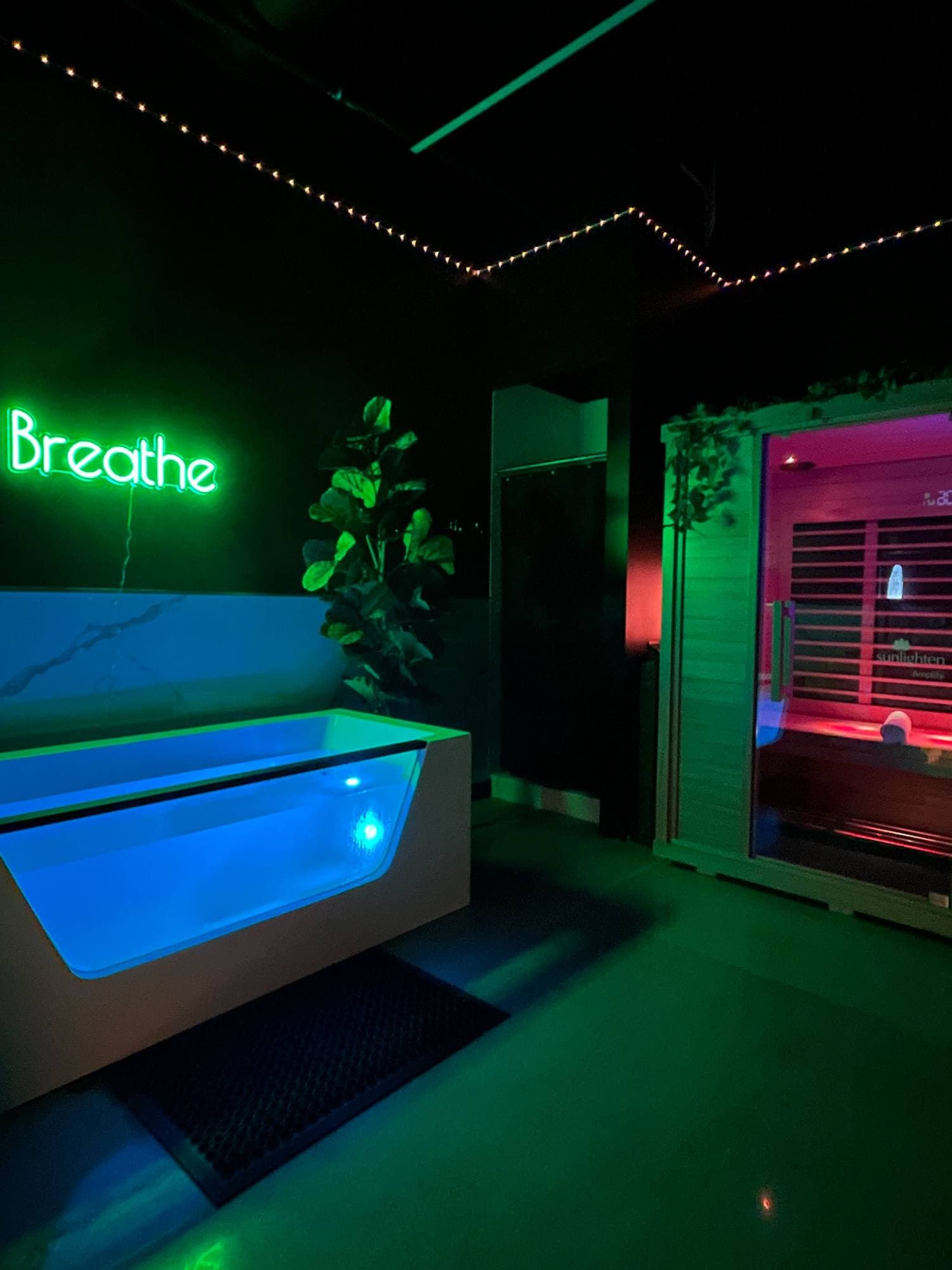
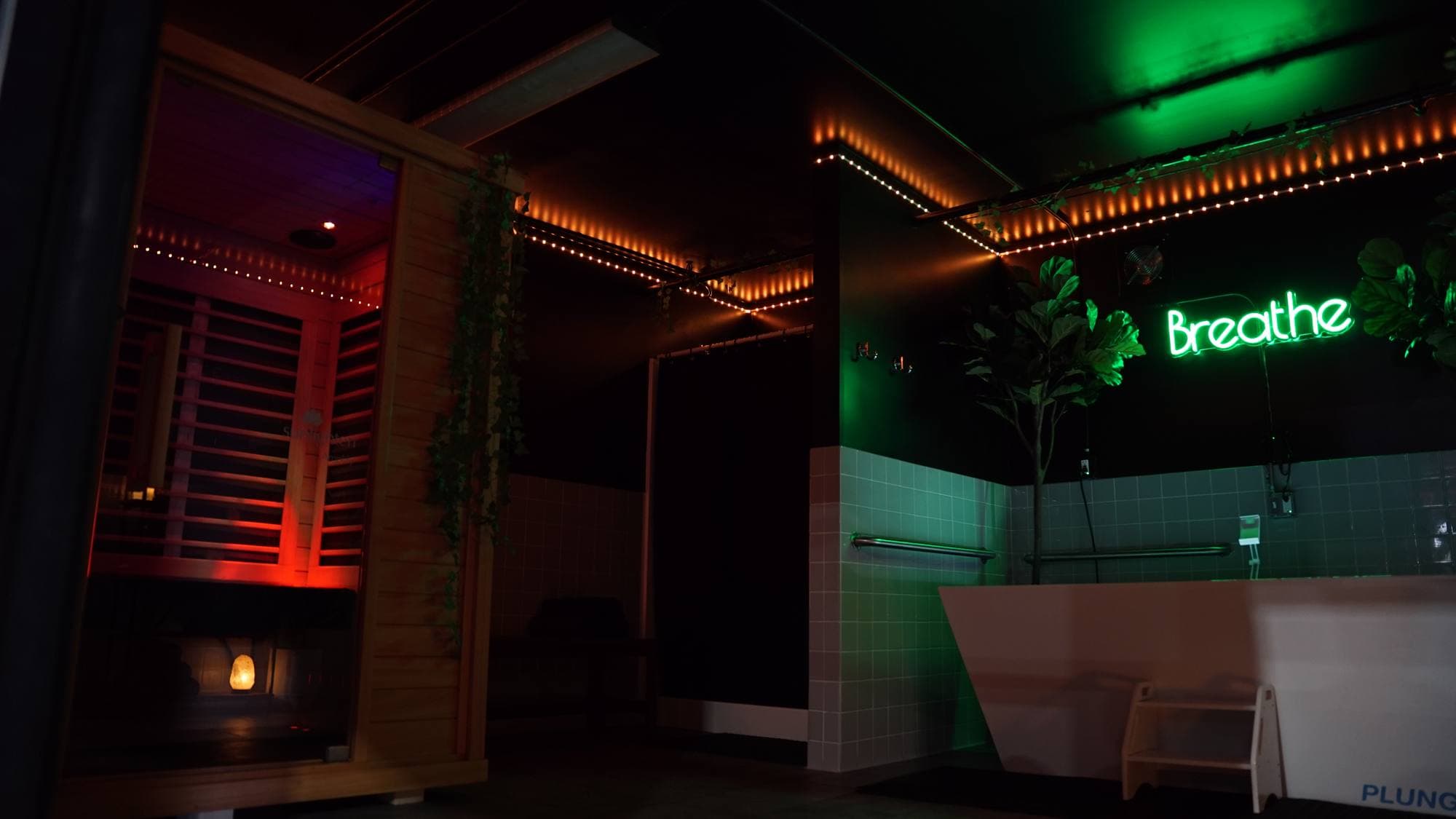
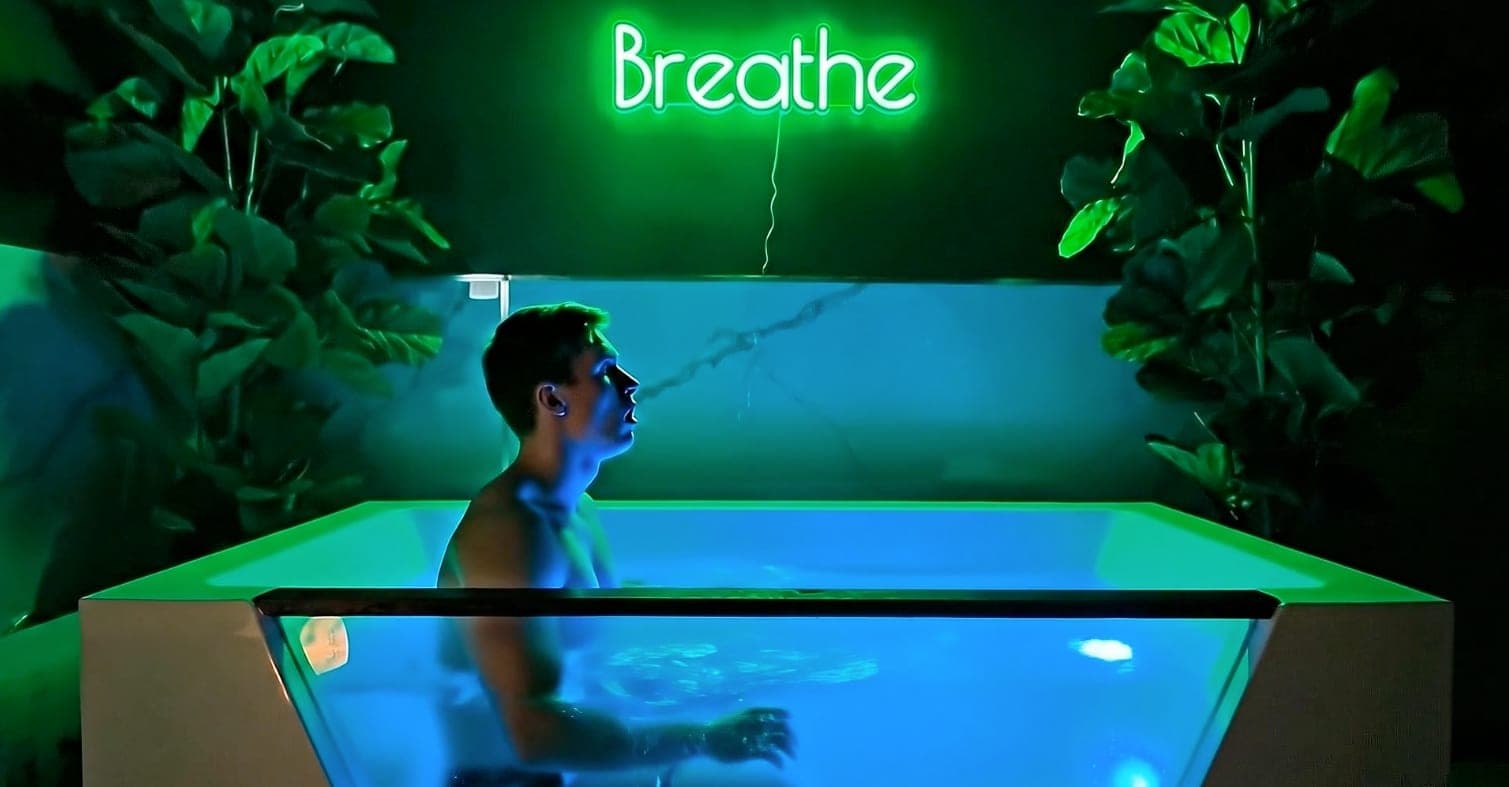
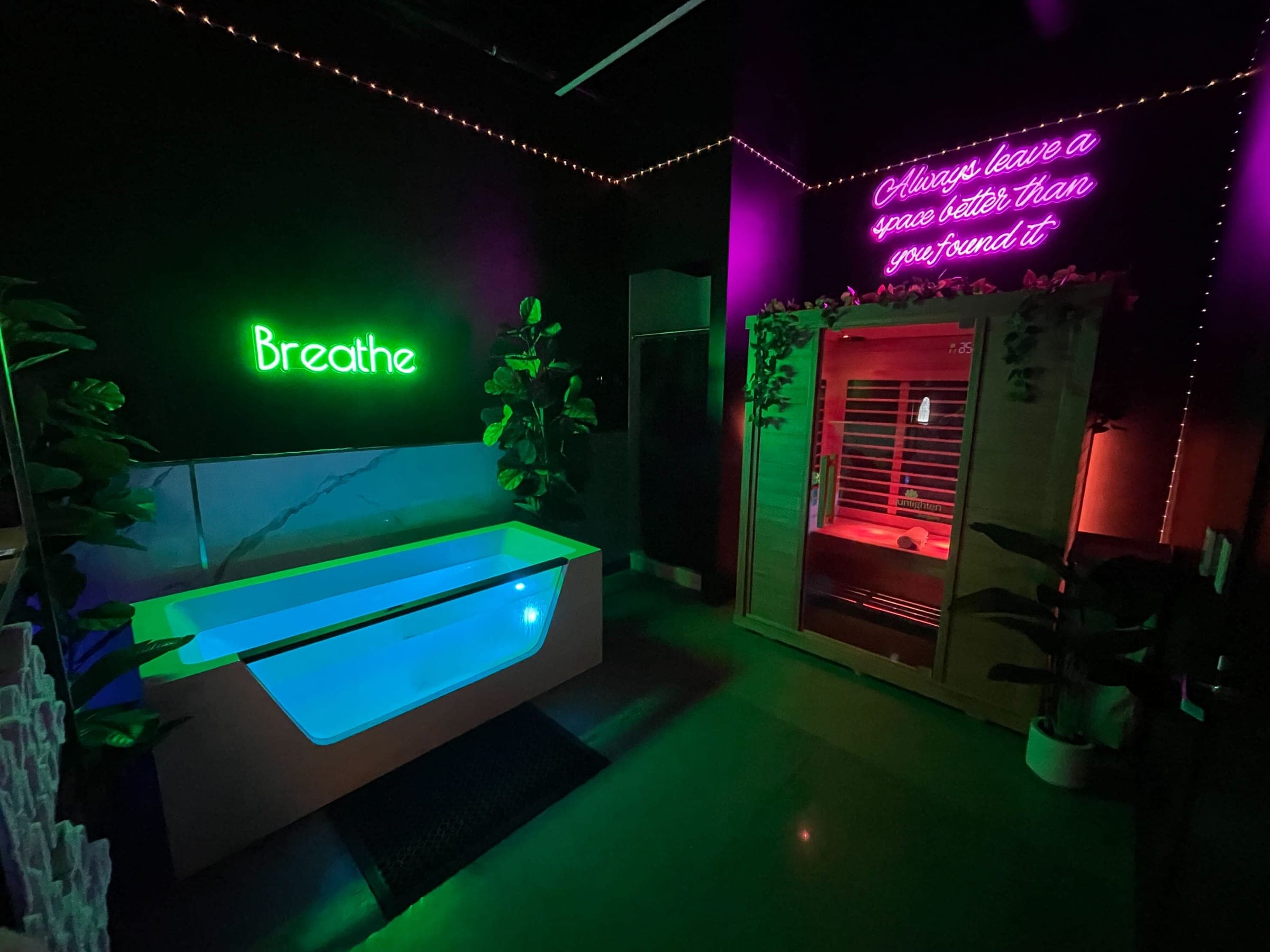
Conscious Body Recovery’s private rooms in San Diego and Temecula include an infrared sauna, cold plunge, and shower. They offer a quiet place to pause before returning to work or other plans, which may make that transition feel easier.
4. Regroup Before Returning to Your Schedule
Allow enough time between your session and your next commitment to shower, change, and check your energy level. Tracking your recovery can help you see how these sessions impact your long-term well-being. Saunas and cold plunges may help you reset, and quiet rest may help you reset.
Plan around local time: not your session. The CDC recommends timing sleep and light exposure to suit your destination and travel direction. More bright light isn’t always better.[5][6] Feeling rested doesn’t guarantee better focus or productivity.
Drink water before and after the session, and skip alcohol to help keep your sleep on track.[5][6]
If you need a nap, limit it to 15 to 20 minutes and set an alarm. Still exhausted? Put off plans that can wait.[5]
5. Build an Optional Arrival Routine
If you want a session after travel, keep it simple and optional. Follow the facility’s instructions, start with the lowest comfortable heat and cold settings, and keep each exposure brief.
Try a short sauna, rest and hydrate, take an optional brief cold plunge, rest again, then shower.
If you’re exhausted, dehydrated, ill, or close to bedtime, shorten the session, postpone it, or skip it. Sleep and basic recovery come first.
The American Heart Association warns that cold immersion can quickly increase breathing, heart rate, and blood pressure.[12] Enter slowly, keep your head above water, and never force an exposure or hold your breath. Stop immediately if anything feels off, and seek urgent medical care for severe or persistent symptoms.[12][13] Aim for a calmer arrival, not a harder workout.
Get medical guidance first if you’re pregnant, recovering from illness, or have cardiovascular concerns. This is especially important if you take medications that affect blood pressure, heart rate, alertness, or temperature regulation.[12][15]
Conclusion: Put Sleep and Basic Recovery First
The five approaches above point to a simple takeaway: contrast therapy may offer a brief reset after travel.
Start with sleep, local time, and daylight. Follow CDC guidance by timing sleep and meals to your destination, getting daylight at the right local time, and drinking water.[6] If you need a nap, keep it to about 20 minutes.[4]
Eat regularly, and break up long periods of sitting with a short walk or stretch.[16][17]
Treat contrast therapy as a calm reset after travel, not the main fix for jet lag or poor sleep.
FAQs
How soon after landing should I try contrast therapy?
Plan a visit to Conscious Body Recovery when you’re ready to unwind after landing, at a time that fits your arrival plans.
Book a private infrared sauna and cold plunge suite at our San Diego or Temecula locations. New guests can get 50% off their first visit.
What session length should I choose after traveling?
For most first visits, a 55-minute session is recommended. That gives you time for three relaxed rounds of contrast therapy and an unhurried shower. If you're new, start with fewer rounds and see how your body feels.
Short on time? A 25-minute session fits one or two quick rounds. An 85-minute session gives you more time to rest between cycles.
How can I tell if cold exposure is too intense?
Listen to your body. Stop your session immediately if you feel dizzy, nauseous, or uncomfortable [1][2][3]. Chest pain, an irregular heartbeat, or uncontrollable shivering also signal that the cold exposure is too intense [2][3].
Begin with shorter sessions and more moderate temperatures while your body gets used to the cold [1][2].