Synced word for word from SEObot (scripts/seobot-sync). Not fact-checked: health claims, prices, offers and quotes are as first published. Prune or rewrite after launch.
Quick answer
- My starting rule for contrast therapy: choose mild temperatures before setting the timer.
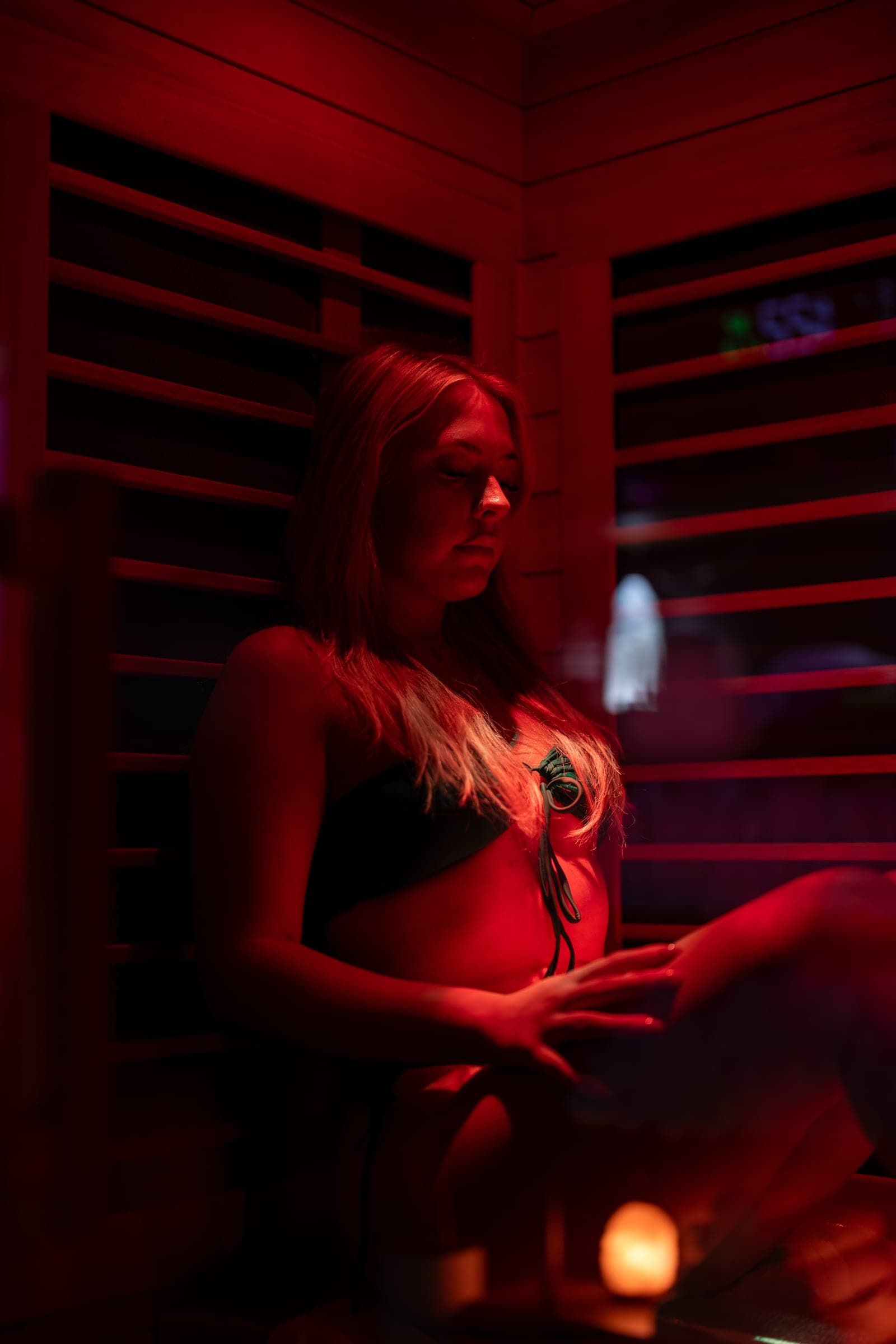
- Heat: Conventional saunas often run at 150 to 195°F and infrared saunas at about 113 to 140°F, though ours reach about 170°F.
- At our 45 to 49°F plunges, start with about 30 seconds and build toward 3 minutes.
In this article · 6 sections
My starting rule for contrast therapy: choose mild temperatures before setting the timer. For beginners, that means about 5 minutes in a lower-heat sauna and 1 to 2 minutes in water around 50 to 59°F (10 to 15°C), not a test of how much discomfort you can take. At our studios the plunge is colder, 45 to 49°F, so start with about 30 seconds there.
Here’s what I’d keep in mind:
- Heat: Conventional saunas often run at 150 to 195°F and infrared saunas at about 113 to 140°F, though ours reach about 170°F. These are reference ranges, not beginner targets.
- Cold: Start toward the warmer end. Colder water hasn’t been shown to improve recovery outcomes. However, there are several benefits of contrast therapy for those who stick to moderate ranges.
- Sequence: Keep it simple: brief heat, a calm exit, gradual cold entry, then drying off and passive rewarming. Research hasn’t established an ideal sauna and cold plunge protocols.
- Safety: Hydrate, avoid alcohol, and check with a clinician first if you have health conditions or take medications that affect heat or cold tolerance.
I’d treat every timer as a limit, not a goal. Stop if you feel unwell, and call 911 for chest pain, severe trouble breathing, collapse, or sudden confusion.
Sauna Temperature Ranges
Treat these ranges as reference points, not fixed targets. A 2018 systematic review summarized study settings, not temperatures everyone should aim for.[7][8] Use the table to choose a cautious starting point, rather than copy a study protocol.
Conventional vs. Infrared Sauna Heat
Conventional saunas heat the air around you. Infrared saunas use infrared emitters to warm your body more directly, often at lower air temperatures. But a lower thermometer reading doesn’t mean equal heat exposure or make one type better than the other. Humidity, session length, the actual setting, and how saunas boost brain health and recovery all matter.
The table offers starting guidance, not a tested dose. Most infrared studies in the review used about 140°F (60°C) for 15 to 30 minutes. That isn’t an established beginner dose.[8]
Start With Lower Heat and Less Time
Choose a lower available setting and keep your first session brief. Repeat a comfortable session before adding heat or time, and change only one at a time.
Next, apply the same start-low, build-slow approach to cold-plunge temperature and time.
Cold-Plunge Temperatures and Exposure Times
52°F to 59°F (11°C to 15°C) is a starting range that overlaps with temperatures commonly studied after exercise. Researchers often use 50°F to 59°F (10°C to 15°C), but colder water hasn't been shown to improve recovery outcomes.[12][14]
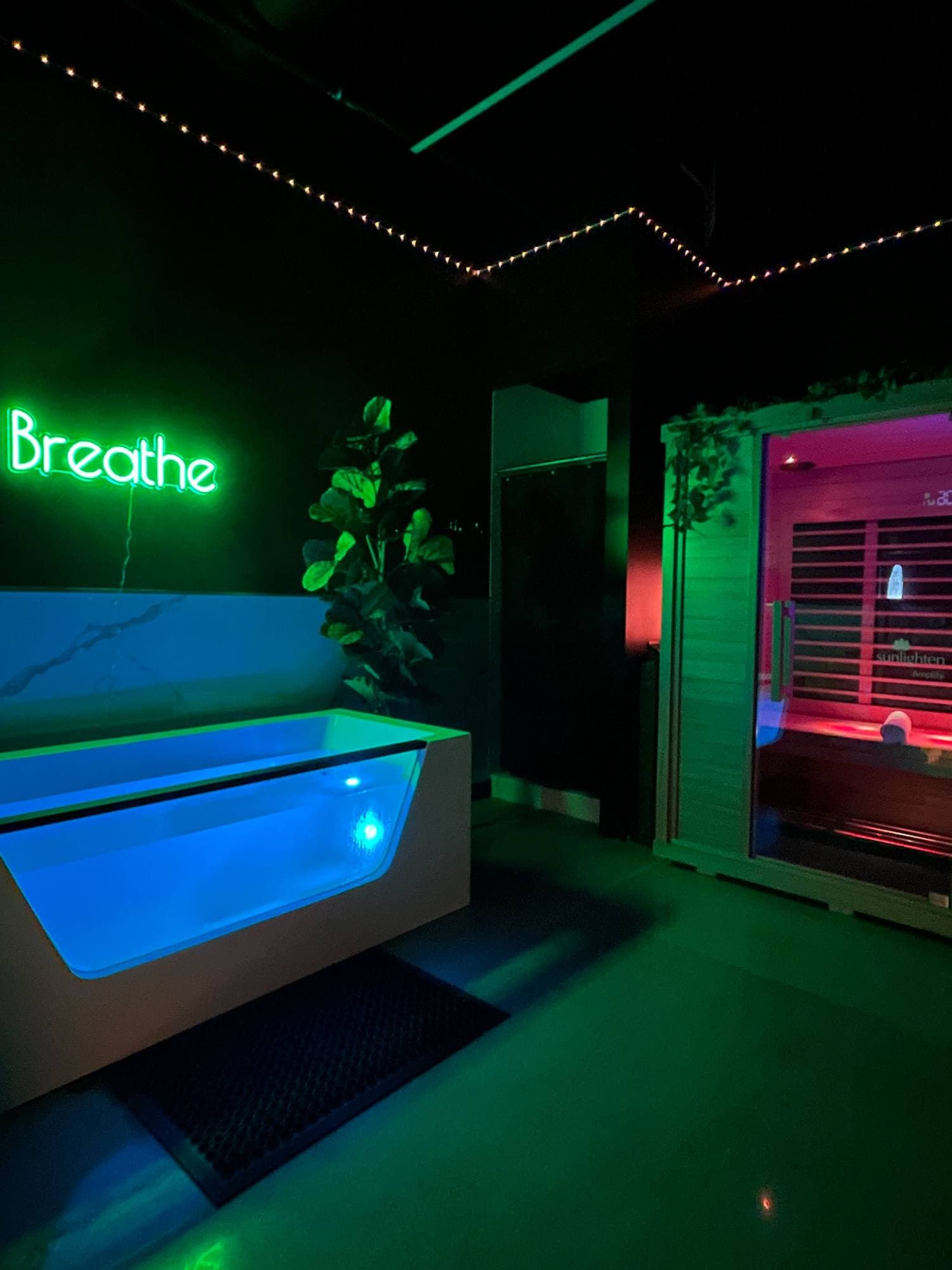
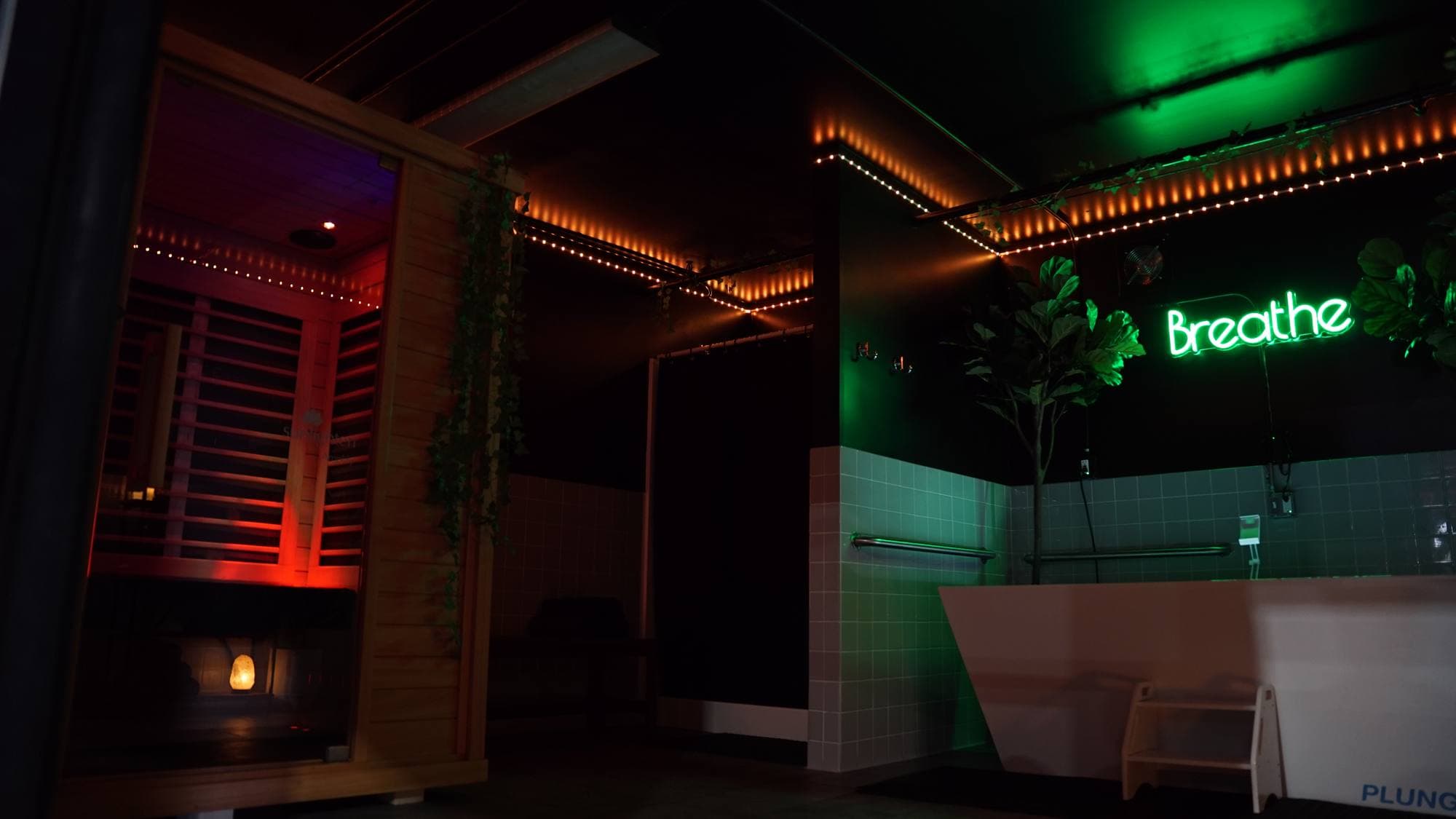
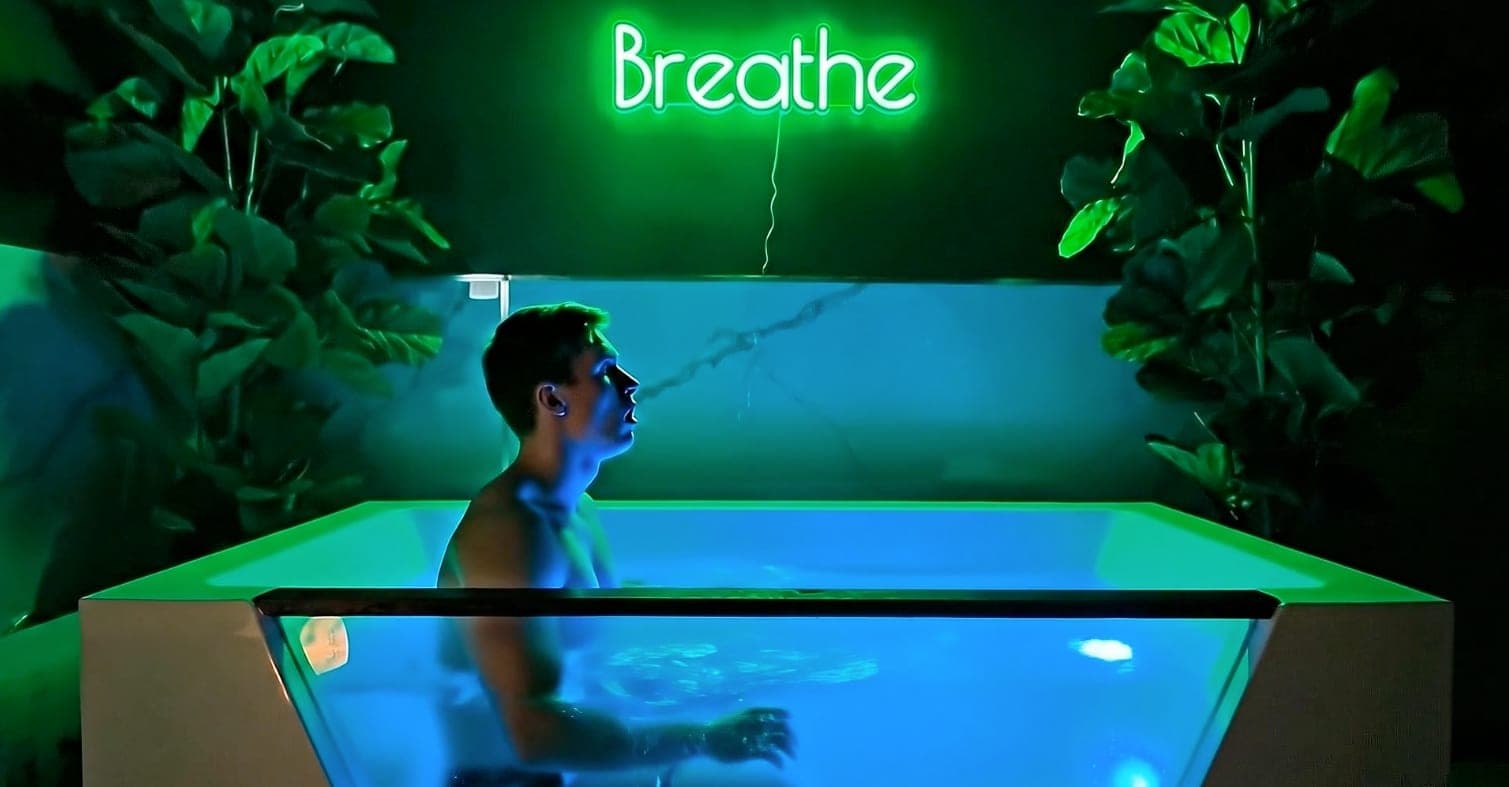
At Conscious Body Recovery the plunges are kept at 45 to 49°F, a little colder than these ranges, so first-timers stay in for about 30 seconds and build toward 3 minutes over later visits.
A 2015 review found that cold-water immersion reduced soreness at 24, 48, and 96 hours, but didn't clearly improve objective measures of recovery.[12][13] The table below separates beginner targets from research settings.
Beginner Exposures vs. Research Protocols
Study durations aren't beginner targets. Cleveland Clinic recommends starting with about 1 to 2 minutes and keeping sessions to 5 minutes or less. Begin with warmer water and a brief dip.[5]
| Use case | Temperature | Duration |
|---|---|---|
| Beginner acclimation | 50°F to 59°F (10°C to 15°C) | About 1 to 2 minutes initially[5] |
| Research protocols | 50°F to 59°F (10°C to 15°C) | Often 10 to 15 minutes; don't use study durations as a first-session target[12][14] |
| Colder-than-typical exposure | Below 50°F (10°C) | Keep exposure shorter; colder isn't proven better[12] |
As the water temperature drops, your exposure time should drop, too.
Avoid Extreme Cold
Keep your first attempt brief instead of aiming for a 10- to 15-minute research protocol. Avoid water below 40°F (approximately 4°C). Check the temperature with a thermometer, enter gradually, and keep your head and neck above water.
Exit immediately if you feel dizzy, faint, confused, unusually weak, or numb, or if you experience difficulty breathing, chest discomfort, severe shivering, or loss of coordination. Call 911 if someone collapses, has trouble breathing, develops chest pain, or remains confused after leaving the water. Rewarm gradually.[5]
How to Alternate Heat and Cold
Once you’ve set your temperature ranges, keep the sequence simple: heat, calm exit, brief cold, rewarm. Leave the sauna slowly and wait until your breathing settles before entering the plunge gradually. Afterward, dry off, put on warm clothing or wrap yourself in a towel, and rest until you feel comfortable before considering another round.
One Heat-to-Cold Round vs. Repeated Cycles
One brief round is a simpler place to start. A 2013 review found some benefits for soreness and strength loss, but it did not establish the optimal contrast therapy timing. The studies alternated warm and cold water, not sauna heat and cold plunges, so they don’t directly establish benefits or ideal settings for sauna-to-plunge sessions.[15][17]
Repeated cycles come from contrast-water research, not established sauna-to-plunge protocols.
| Approach | Sequence | Temperature and duration | Evidence |
|---|---|---|---|
| Practical starter round | Short sauna session, calm exit, brief cold plunge, passive rewarming | Lower, tolerable sauna heat and moderate cold; keep exposures brief | A suggested starting point, not a validated protocol for everyone |
| Repeated contrast-water cycles | Warm-water exposure alternated with cold-water exposure | Study-specific temperatures and short, repeated intervals | Studied in contrast-water trials; results don’t transfer directly to sauna use |
More cycles don’t necessarily mean better recovery. The review did not establish an optimal number of rounds, so treat repeated cycling as optional rather than the default.
Safety Precautions and Warning Signs
Before you extend a session or add another round, check the safety limits for heat and cold exposure. Your risk can change with hydration, medications, and exposure conditions.[4][5]
When to Stop or Call 911
Stop immediately if warning signs appear. Get help getting out, alert staff or a companion, and sit or lie somewhere safe to prevent a fall.[4][5]
Call 911 immediately for chest discomfort, severe trouble breathing, collapse, loss of responsiveness, or sudden confusion. If symptoms could signal a heart attack, call even if you’re unsure of the cause. Don’t drive yourself or the affected person to the hospital.[18][19]
Talk to a clinician before a session if you’re pregnant; have heart, blood pressure, fainting, circulation, diabetes, or sensation problems; or take medications that affect heart rate, blood pressure, sweating, hydration, or alertness.[5][6]
Hydrate, Rewarm, and Change One Factor at a Time
Arrive hydrated and drink water afterward, while following any prescribed fluid restrictions. Avoid alcohol before, during, and immediately after your session.[4][6]
After cold exposure, dry off and put on warm clothing or use a blanket to warm up passively. Don’t rush into extreme heat. After sauna use, cool down gradually and rest. These steps are essential when using post-workout recovery methods involving temperature changes.
Make sure you have an easy exit, stable footing, and a way to call for help. In a private suite, check how to reach staff and allow time to recover before your booking ends. Never hold your breath in the water or hyperventilate before entering. Keep your head above water, and get out if your breathing becomes uncontrolled.[5][6]
Conclusion: Keep Temperatures Moderate and Exposures Brief
The rule is simple: Default to moderate heat and brief cold exposure. Published ranges are guardrails, not targets. Whether you are choosing between a cold plunge vs. infrared sauna or combining them, your recovery goals should dictate the intensity. Beginners may need lower heat, warmer water, or shorter sessions than those used in research protocols.[20][21]
In a private suite, treat time as a limit, not a goal. Choose the mildest effective setting, and stop well before you start treating discomfort as something to push through.
FAQs
How often should I do contrast therapy?
Aim for 2 to 4 sessions per week [1][2]. If you’re new to contrast therapy, start slowly to build tolerance and see how your body responds [1]. Keep a consistent schedule that fits your goals and routine [1].
Conscious Body Recovery offers sessions in San Diego and Temecula. New guests get 50% off their first visit.
When should I use contrast therapy after a workout?
For muscle recovery, use contrast therapy within one hour after exercise [1]. After strength training, though, wait at least four hours before cold exposure to allow time for the inflammation that supports muscle repair [1].
When you’re ready, book a private suite at Conscious Body Recovery in San Diego or Temecula.
How can I tell when to increase heat or cold exposure?
Pay attention to how your body responds to your current routine. Start with shorter sessions, then slowly increase exposure time as you feel more comfortable. Change only one variable at a time and track your progress.
Stop immediately if you feel dizzy or sick, or start shivering uncontrollably.