Quick answer
- When it comes to recovery and relaxation, two giants stand out: ice baths and saunas.
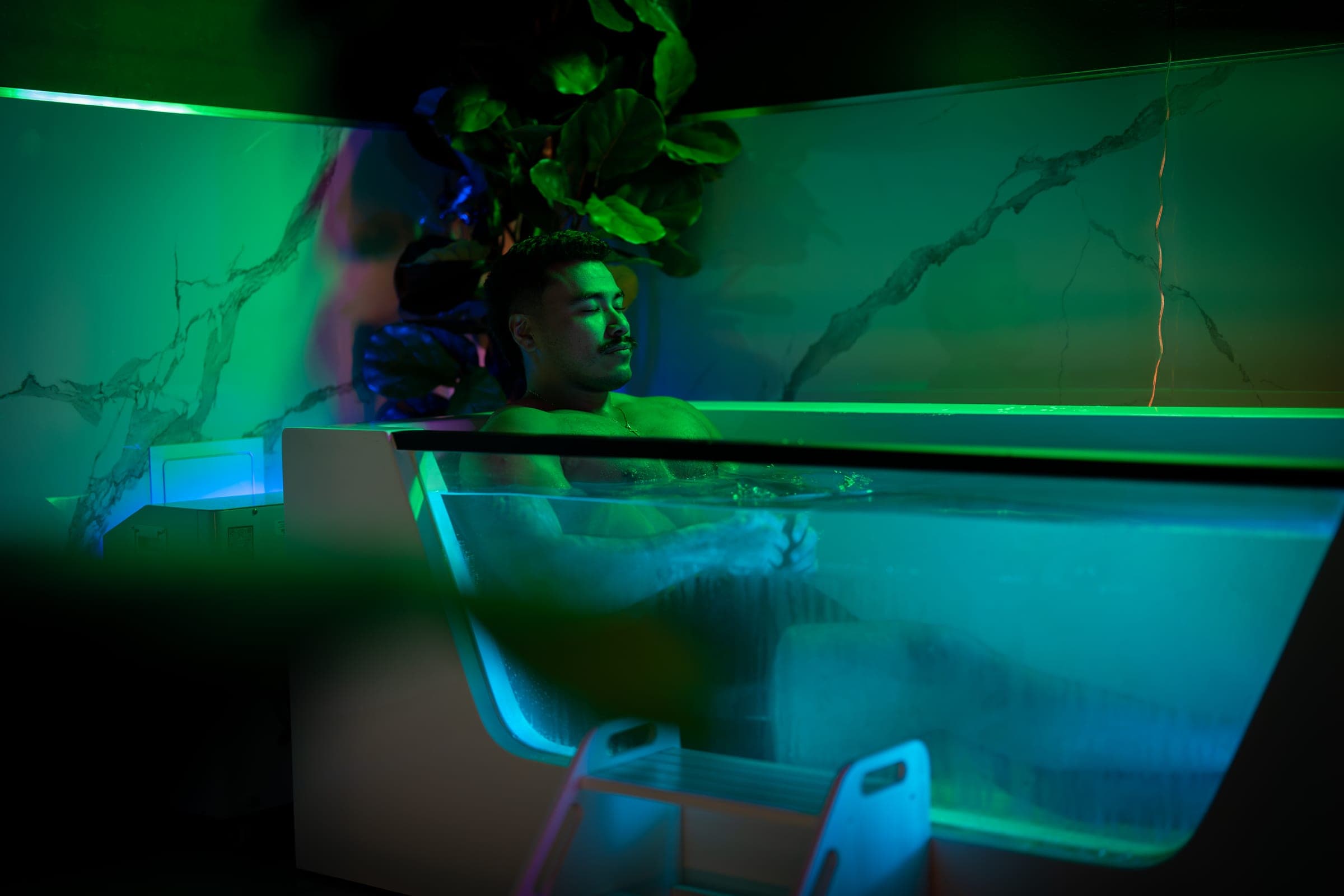
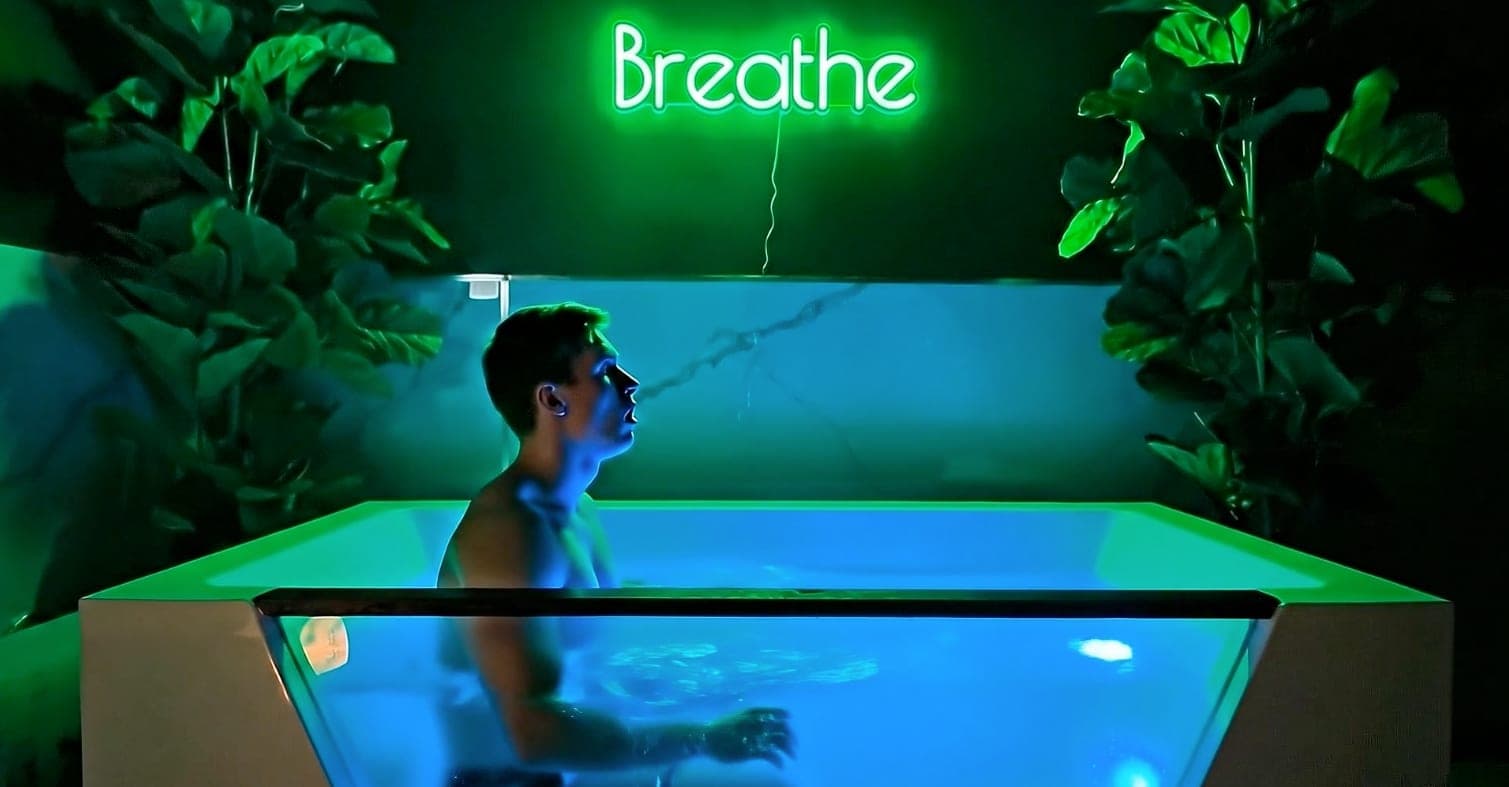
- An ice bath means immersing yourself in cold water, usually between 50-59°F (10-15°C), for a short period, typically 5-15 minutes.
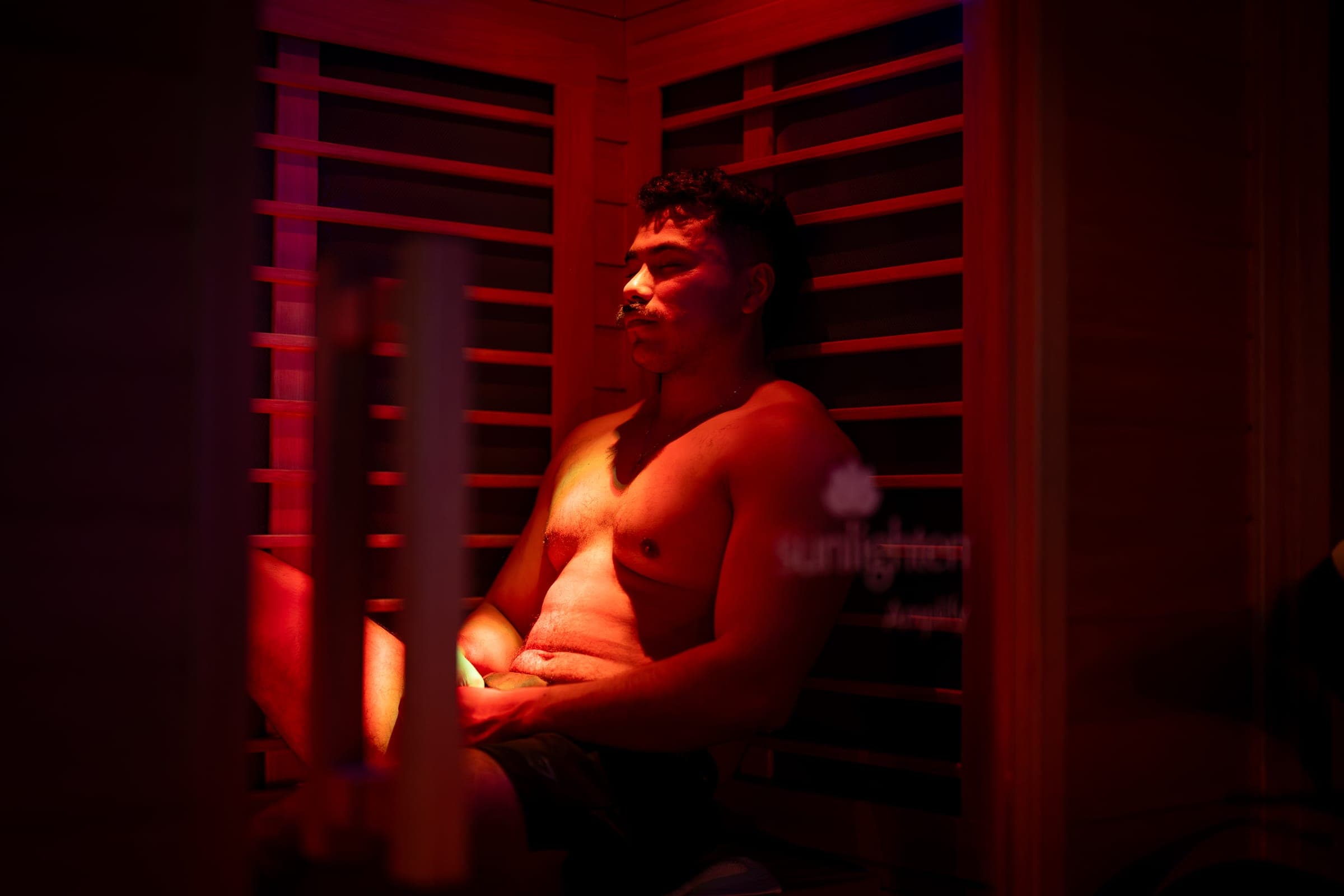
- A sauna, on the other hand, is a heated room where temperatures range from 150-195°F (65-90°C).
In this article · 7 sections
When it comes to recovery and relaxation, two giants stand out: ice baths and saunas. Both promise incredible benefits, but which one truly fits your lifestyle and goals? I’ve spent time exploring both, and I’m here to break down the facts, myths, and practical tips so you can decide what works best for you.
Ice Bath and Sauna Comparison: What You Need to Know
Let’s start by understanding what each therapy involves. An ice bath means immersing yourself in cold water, usually between 50-59°F (10-15°C), for a short period, typically 5-15 minutes. It’s intense, bracing, and can feel shocking at first.
A sauna, on the other hand, is a heated room where temperatures range from 150-195°F (65-90°C). You sit or lie down in dry heat for 10-20 minutes, letting your body sweat out toxins and relax deeply.
Both methods have been used for centuries across cultures, but their effects on your body are quite different. Here’s a quick breakdown:
- Ice Bath: Reduces inflammation, numbs pain, speeds muscle recovery.
- Sauna: Boosts circulation, relaxes muscles, promotes detoxification.
If you’re wondering about the ice bath vs sauna debate, it’s not about which is better universally but which suits your needs better. Check out this detailed ice bath vs sauna comparison to dive deeper.
How Ice Baths Boost Your Recovery and Wellness
Ice baths are a favorite among athletes and busy professionals who need quick recovery. When you plunge into cold water, your blood vessels constrict, reducing blood flow to muscles and decreasing inflammation. This helps reduce soreness and speeds up healing after intense workouts or long days.
Here’s what you can expect from regular ice baths:
- Reduced muscle soreness: Cold water slows down the inflammatory process.
- Improved circulation: Once you get out, your blood vessels dilate, flushing out toxins.
- Mental toughness: The initial shock trains your mind to handle stress better.
- Better sleep: Many report falling asleep faster after cold exposure.
Pro tip: Start with shorter sessions (2-3 minutes) and gradually increase to 10-15 minutes. Always listen to your body and avoid staying too long to prevent hypothermia.
The Sauna Experience: More Than Just Heat
Saunas offer a different kind of healing. The dry heat relaxes your muscles, opens pores, and encourages sweating, which helps flush out toxins. Plus, the heat triggers your heart rate to increase, mimicking moderate exercise.
Here’s why saunas are a game-changer:
- Stress reduction: The warmth calms your nervous system.
- Improved cardiovascular health: Regular sauna use can lower blood pressure.
- Skin benefits: Sweating cleanses your skin deeply.
- Muscle relaxation: Heat soothes tight muscles and joints.
For best results, aim for 15-20 minutes per session, followed by a cool-down period. Hydrate well before and after to replace lost fluids.
Does Sauna Help Lower LDL?
You might be wondering if saunas can help with cholesterol, specifically LDL (the "bad" cholesterol). Research suggests that regular sauna sessions can improve heart health by reducing blood pressure and improving vascular function, which indirectly supports better cholesterol management.
While saunas don’t directly lower LDL levels like medication or diet changes, they contribute to overall cardiovascular wellness. This means they can be a helpful part of a heart-healthy lifestyle when combined with proper nutrition and exercise.
Which One Should You Choose? Practical Tips for Your Routine
Choosing between an ice bath and a sauna depends on your goals, preferences, and lifestyle. Here’s a quick guide to help you decide:
- If you want faster muscle recovery and inflammation reduction: Go for ice baths.
- If you seek relaxation, stress relief, and cardiovascular benefits: Saunas are your best bet.
- If you want a balanced approach: Try contrast therapy by alternating between ice baths and saunas. This combo can boost circulation and recovery even more.
Remember: Both therapies require caution. If you have heart conditions, high blood pressure, or other health concerns, consult your doctor before starting.
Making Contrast Therapy Work for You
Contrast therapy, which combines cold and heat exposure, is gaining popularity for its powerful benefits. Here’s how to do it:
- Start with 3-5 minutes in the sauna to warm up.
- Switch to a 1-3 minute ice bath to cool down.
- Repeat the cycle 2-3 times.
- Finish with a cool-down period and hydration.
This method enhances blood flow, reduces muscle soreness, and promotes mental clarity. It’s perfect for busy professionals who want efficient recovery without spending hours.
Your Next Step to Better Recovery
Whether you lean towards the icy plunge or the steamy heat, both ice baths and saunas offer unique benefits that can transform your wellness routine. I encourage you to experiment safely and find what feels best for your body.
At Conscious Body Recovery, we specialize in private wellness experiences that help you recover faster, reduce stress, and improve sleep through accessible contrast therapy. Ready to elevate your recovery game? Dive into the world of ice baths and saunas and discover your perfect balance.
Your body will thank you.