Synced word for word from SEObot (scripts/seobot-sync). Not fact-checked: health claims, prices, offers and quotes are as first published. Prune or rewrite after launch.
Quick answer
- My take: cover sleep, food, fluids, and rest before adding contrast therapy.
- I’d judge recovery by your next workout’s loads, reps, and technique, not just how rested you feel.
- My rule: feeling better isn’t the same as being ready.
In this article · 5 sections
My take: cover sleep, food, fluids, and rest before adding contrast therapy. A review of 13 studies found less soreness and smaller short-term strength losses than passive rest, but that doesn’t prove better long-term muscle or strength gains.[5]
I’d judge recovery by your next workout’s loads, reps, and technique, not just how rested you feel. Here’s how the options compare.
Quick Comparison
| Method | Main role | What to keep in mind |
|---|---|---|
| Contrast therapy | Short-term soreness relief | Long-term gains remain uncertain; screen for heat and cold risks |
| Sleep | Support alertness and training quality | Match sleep time to your needs |
| Planned rest | Reduce training stress | Adjust workload when fatigue builds |
| Nutrition and hydration | Replace fuel and fluids; support muscle repair | Match intake to training and sweat losses |
| Active recovery | Ease stiffness through gentle movement | Keep effort low |
| Stretching and mobility | Maintain or improve range of motion | Flexibility doesn’t prove strength has returned |
| Massage or foam rolling | Ease soreness and improve flexibility | Comfort doesn’t prove better training gains |
My rule: feeling better isn’t the same as being ready. If warm-up weights feel unusually heavy or technique slips, I’d reduce the workout, not add more heat or cold. And because most studies tested alternating water baths, I wouldn’t assume an infrared sauna and cold plunge produce the same results.
What Contrast Therapy Can and Cannot Do
Most contrast therapy studies test alternating water baths, not infrared sauna and cold-plunge combinations. Temperatures, timing, and exposure lengths differ across studies, so the findings offer general guidance, not one exact routine.[4][5]
Research Protocols and Recovery Results
A 2013 review of 18 trials found a high risk of bias across the evidence. Water temperatures, interval lengths, cycle counts, immersion depth, and timing after exercise varied too much to support a single best routine.[4][5]
Much of the research focused on short-term exercise damage or sport testing, rather than high-volume strength-training programs. And feeling less sore doesn’t mean performance has recovered.[4][5]
Cold Exposure and Long-Term Training Gains
For strength athletes, long-term training gains may matter more than short-term soreness relief. In Roberts et al.’s 2015 study, 21 active men lifted twice a week for 12 weeks. Those who used 10 minutes of cold-water immersion after training gained less muscle mass and strength than those who did active recovery.[6]
That finding does not prove contrast therapy has the same effect. Alternating heat and cold is a different treatment, and its long-term effects on strength and muscle growth remain uncertain.[6][7]
Heat and Cold Safety
If you use contrast therapy, put safety ahead of duration or intensity. Keep exposure times conservative, and stop if you feel dizzy, faint, short of breath, or confused, or experience chest discomfort, severe shivering, or numbness.[8]
Get medical guidance first if a condition or medication affects your heat or cold tolerance, circulation, blood pressure, hydration, or alertness. CDC guidance notes that some medications increase heat-related risks, including dizziness and weakness.[8]
Comparing Recovery Methods
Compare outcomes, not overall winners. Soreness, fatigue, range of motion, and strength can respond differently to the same recovery method.
Start with sleep, food, fluids, and load management. Add contrast therapy only after those basics are covered.
| Method | Purpose | Typical effect window | What it requires | Effect on adaptation and main limit |
|---|---|---|---|---|
| Contrast therapy | Manage soreness and perceived recovery | Hours to several days | Controlled heat and cold; safety screening | May reduce soreness and short-term strength loss; long-term gains remain unproven.[5] |
| Sleep | Support alertness and performance | Overnight and across repeated nights | Sleep opportunity matched to individual needs | Supports training quality; effects of brief partial restriction are less certain.[10] |
| Planned rest | Reduce training load | Between sessions and across weeks | Less demanding work; fatigue monitoring | Balances training stress but does not guarantee soreness relief |
| Nutrition and hydration | Restore fuel and fluids; support remodeling | Hours to days | Food and fluids matched to training | Supports adaptation; no single intake target fits everyone.[11] |
| Active recovery | Support movement comfort | During and shortly after movement | Low-intensity movement | Should add little stress; relief does not establish restored strength.[9] |
| Stretching and mobility | Maintain or improve range of motion | Mainly immediate or short term | Controlled, tolerable movement | Better flexibility does not establish strength recovery.[9] |
| Soft-tissue work | Manage soreness and improve flexibility | Mainly short term | Massage or a foam roller | Greater comfort does not establish greater strength gains.[9] |
Sleep, Rest, Food, and Fluids
Sleep, food, fluids, and planned rest drive recovery. Contrast therapy cannot replace them. The 2021 British Journal of Sports Medicine sleep consensus recommends matching sleep opportunity to individual needs rather than setting one hourly target for everyone.[10] Sports-nutrition guidance also matches intake to training demands, body size, sweat losses, and the recovery schedule.[11]
Active Recovery, Mobility, and Soft-Tissue Work
Keep active recovery easy enough that it adds little training stress. Use mobility to work on range of motion and soft-tissue work for temporary soreness relief, not as proof of full recovery.[9] As with contrast therapy, assess these methods by fatigue and performance in the next session, not comfort alone.
The comparison below focuses on contrast therapy’s effects on soreness and short-term strength, rather than overall recovery.
Contrast Therapy vs. Passive Rest
Bieuzen et al. pooled 13 studies comparing contrast-water therapy with passive rest after exercise-induced muscle damage. They reported less soreness and less strength loss at follow-ups within 6 hours and at 24, 48, 72, and 96 hours. In this comparison, passive rest means little or no activity after training.[5]
| Comparison point | Contrast-water therapy | Immediate passive rest | Evidence limits or practical meaning |
|---|---|---|---|
| Fatigue | May improve perceived recovery | Adds no exercise demand | Perceived fatigue differs from measured performance |
| Soreness | Less soreness in the pooled comparison | Served as the comparator | Findings cover short-term recovery after exercise-induced muscle damage.[5] |
| Short-term performance | Less measured strength loss | Greater strength loss in that comparison | Better lifting performance in the next session is not guaranteed.[5] |
| Long-term strength adaptation | Benefit not established | Not established by this comparison | Short-term studies cannot settle long-term outcomes.[5] |
| Convenience | Requires equipment and exposure time | Requires no specialized equipment | Access does not determine effectiveness |
| Risk management | Requires screening and tolerable exposure | Avoids heat and cold exposure | Neither replaces reducing excessive training load |
Choosing and Tracking Your Recovery Routine
Match Recovery to Your Training
Choose recovery methods that help preserve your next-session performance. For lifters and strength-focused CrossFit or HYROX participants, that means checking sleep, soreness, fueling, hydration, and recent workload together. Then use warm-up loads and technique to judge whether the planned workout fits how ready you are.[12]
Use this table to turn that check into a quick decision.
| Hypothetical situation | Practical choice | What to adjust or check |
|---|---|---|
| Sleep, motivation, technique, and performance are near your usual baseline | Keep the plan unchanged | Keep monitoring; don't add recovery work automatically |
| Warm-up loads feel unusually heavy and technique slips | Reduce load, sets, reps, or conditioning density | Check whether warm-up technique improves before proceeding |
| Poor sleep combines with missed meals or too little fluid | Prioritize sleep and nutrition | Protect sleep time and address food and fluid intake before optional recovery |
| General stiffness eases with gentle movement | Use active recovery | Keep walking, cycling, or mobility easy, not another workout |
| Basics are covered, and you tolerate heat and cold well | Consider contrast therapy | Check next-session readiness without assuming colder or longer is better by following cold plunge best practices |
Track Fatigue Across Several Sessions
When the choice isn't clear, look for patterns across several sessions. Keep one log for wellness, training load, and performance. Record sleep, soreness, mood, motivation, readiness, RPE, session duration, load, reps, technique, and bar speed when you can measure it reliably. CrossFit athletes can also track rounds and substitutions. HYROX athletes can track pace, station splits, and technique under fatigue.[12]
Look for repeated changes, not one bad workout. Compare similar exercises and workloads, and avoid changing several recovery habits at once. Persistent declines point to the program, not the recovery tool. Seek help from a qualified coach or health professional when appropriate, especially if fatigue affects daily life. Reconsider contrast therapy if it causes discomfort or cuts into sleep, meals, fluids, or planned rest.[12]
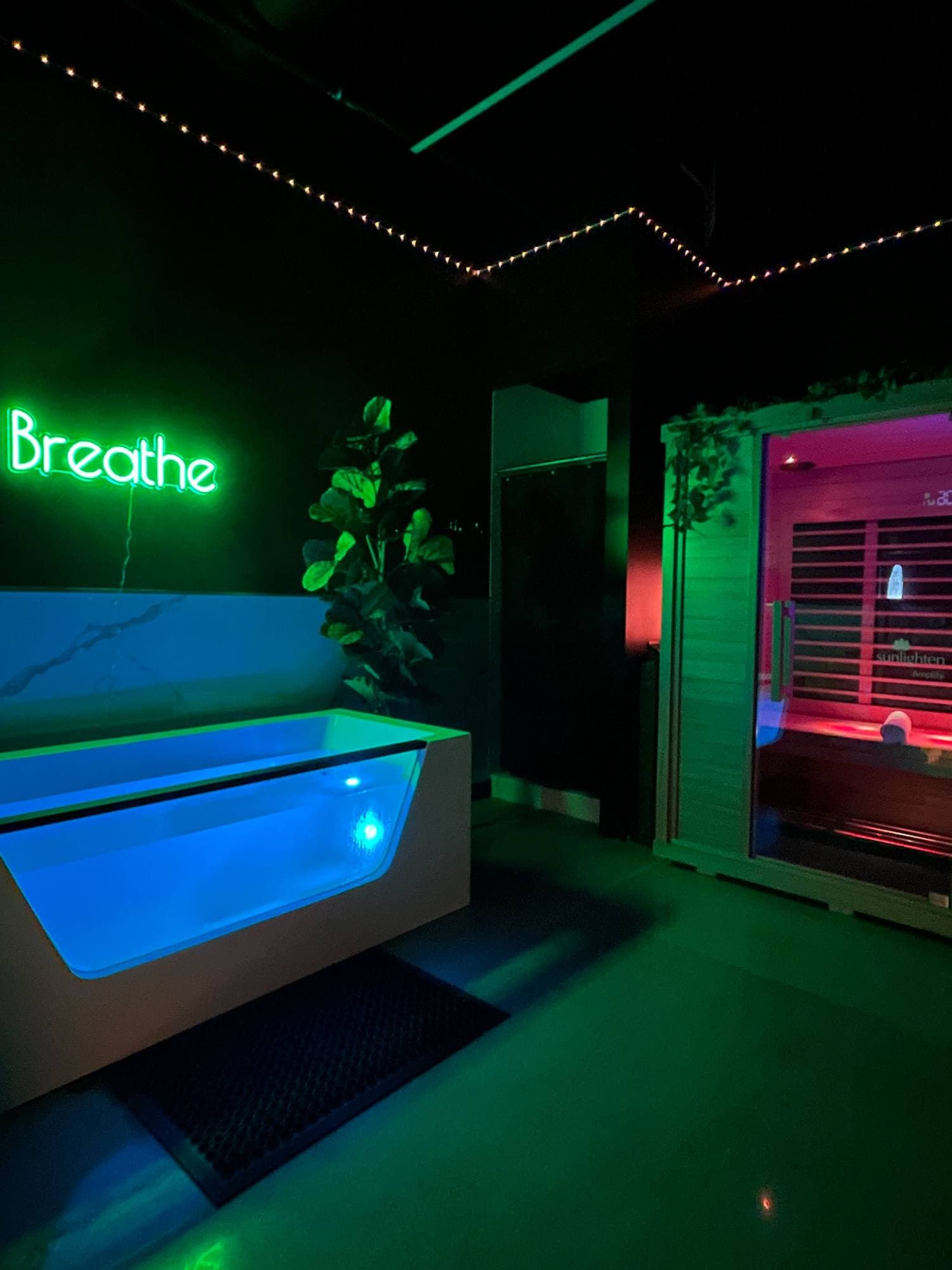
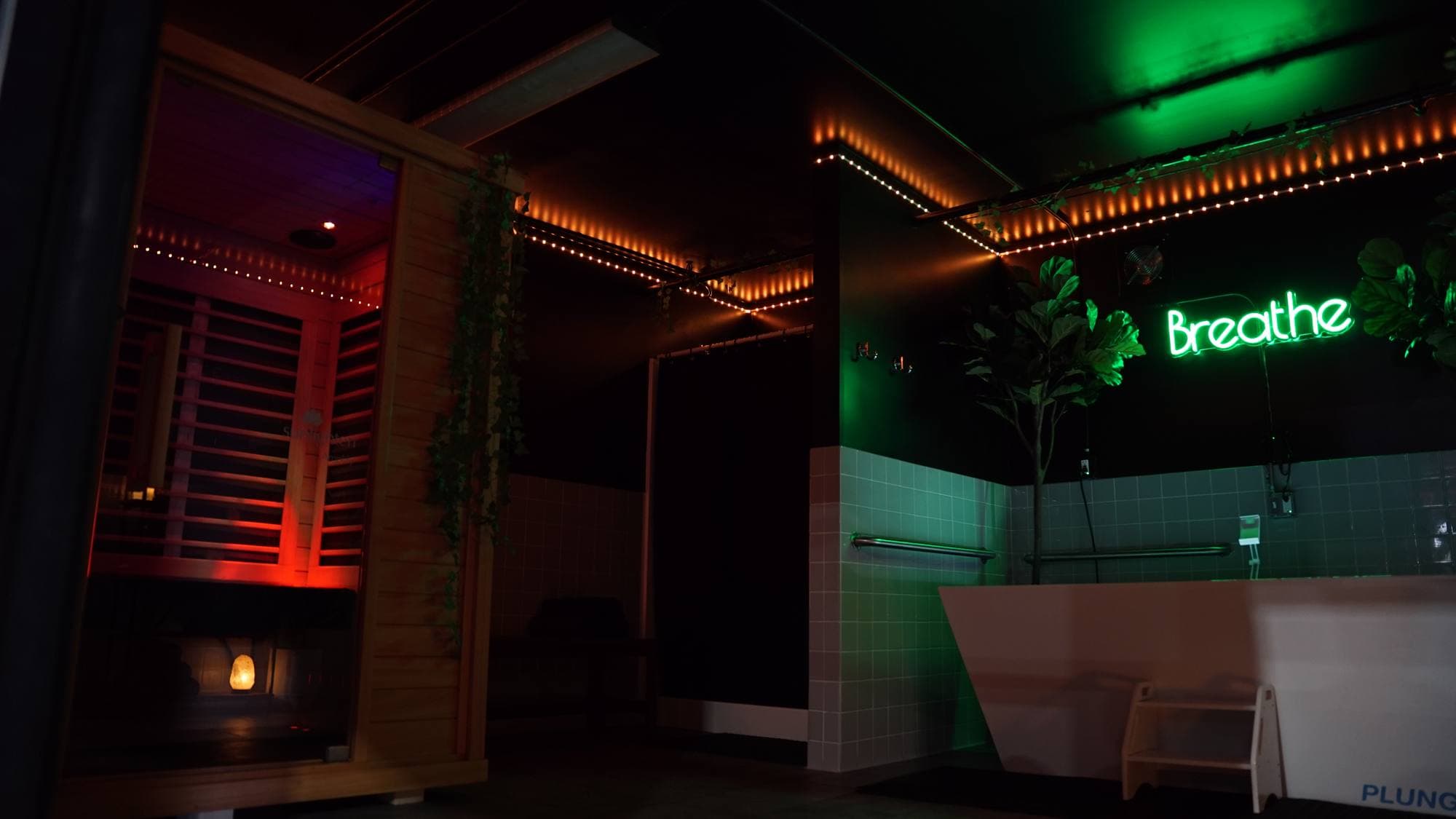
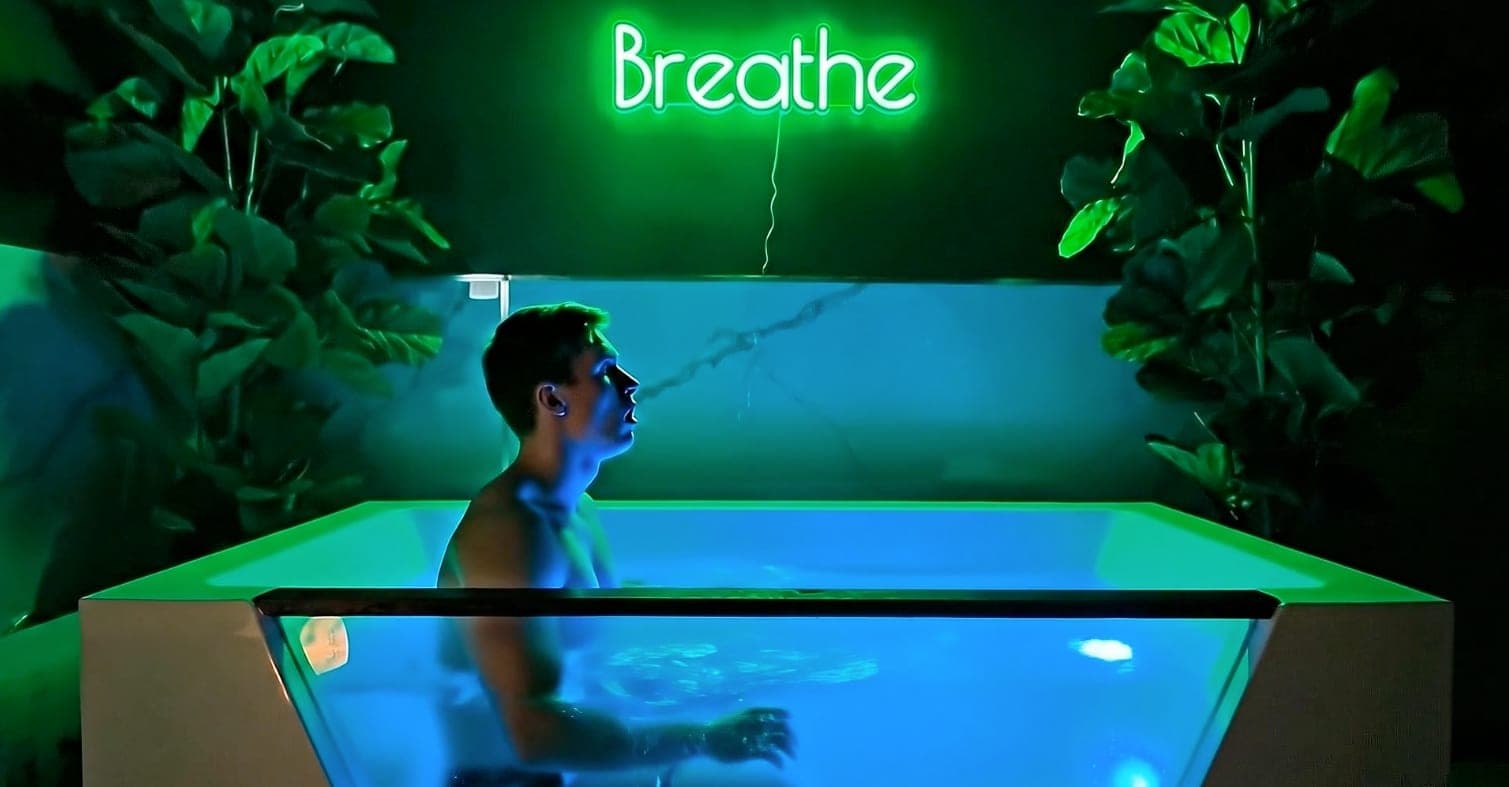
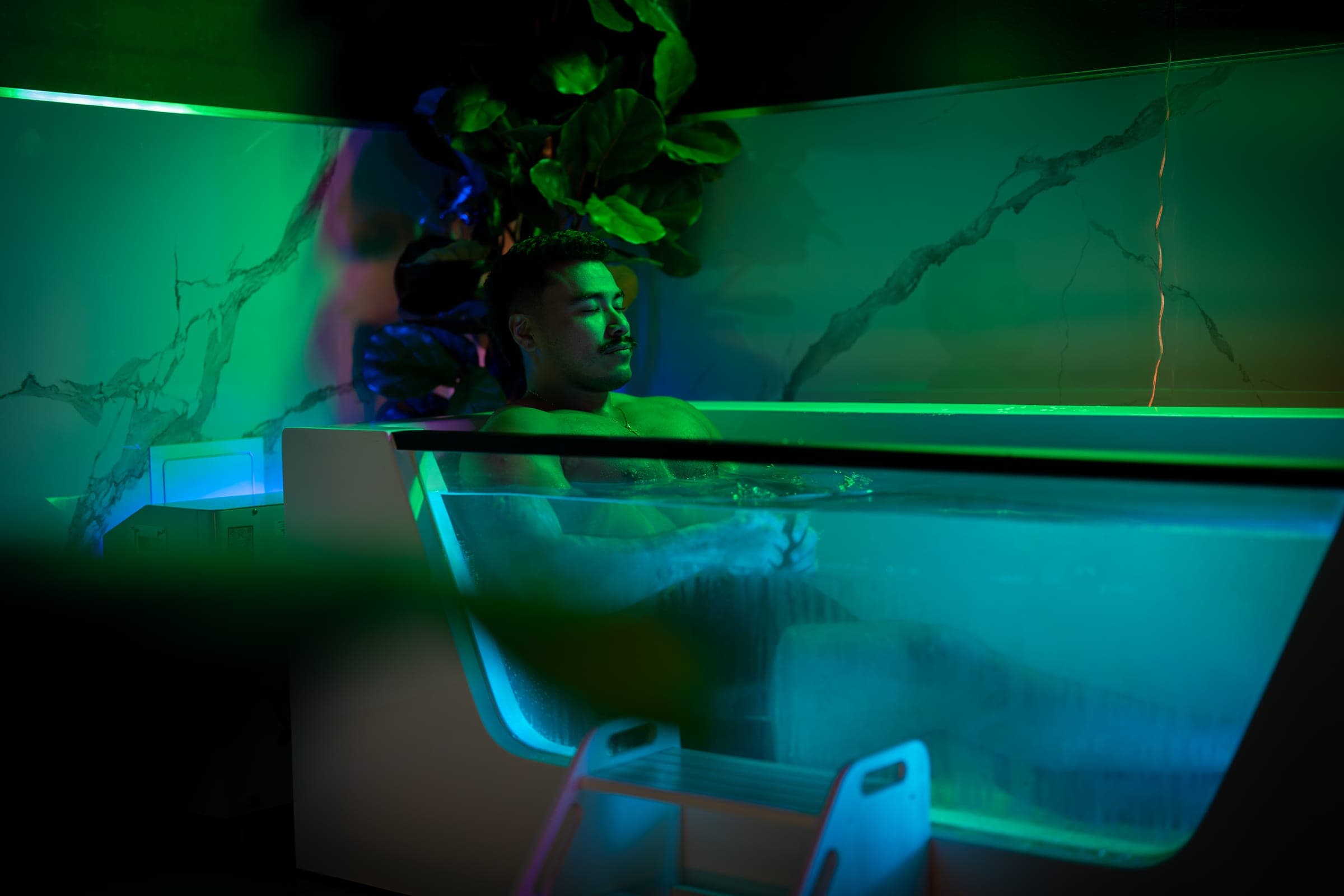
For a self-paced contrast session, one local option is Conscious Body Recovery. Its private suites include an infrared sauna, cold plunge, and shower, with private bookings of 25, 55, or 85 minutes.[13][14][15] New guests can get 50% off a first session.
Conclusion: Put Recovery Basics First
Sleep, food, hydration, rest, and programming come first.[2] Contrast therapy is optional. It won’t make up for an excessive workload. While it can help manage inflammation, it is not a substitute for recovery basics.
Contrast water therapy may reduce short-term soreness compared with passive recovery. But that doesn’t establish long-term strength or performance gains.[1]
Judge it by performance, not comfort. Keep the routine conservative and check your readiness at the next session: normal technique, expected effort, and completed work. If those measures remain below normal, reduce load or volume, or rest rather than push through a harder recovery session.[16][17]
FAQs
Should I time contrast therapy differently for strength and endurance workouts?
Yes. If your goal is muscle size and strength, skip cold plunges immediately after lifting. Regular post-workout cold-water immersion may limit gains (Roberts et al., 2015). Prioritize the sauna, and save cold plunges for rest days or conditioning sessions.
For endurance training or soreness between back-to-back workouts, contrast therapy 30 to 60 minutes afterward may help with recovery. That timing window isn’t backed by the cited research, though. Bieuzen et al. (2013) supports possible soreness relief, not that specific schedule.
How can I test whether contrast therapy improves my recovery?
Track how you feel and perform over time. Pay attention to muscle soreness, perceived fatigue, heart rate, jump performance, and whether you can maintain training intensity in back-to-back sessions. Keep your contrast therapy routine consistent so you can see how your body responds.
Results vary from person to person. If you have health conditions, talk to a doctor before trying contrast therapy.
Should I use contrast therapy on rest days?
Yes, rest days can be a good time for contrast therapy because there’s no training session to plan around. You can also take your time with a longer, more relaxed 55- or 85-minute session.
Conscious Body Recovery offers private suites for these sessions in San Diego and Temecula.