Quick answer
- A Cold Plunge Benefits tool can help you sort through bold claims and focus on what cold water immersion may realistically offer.
- This educational guide connects your goal, experience level, session type, temperature, and duration to evidence-informed insights.
Understand Cold Water Immersion Without the Hype
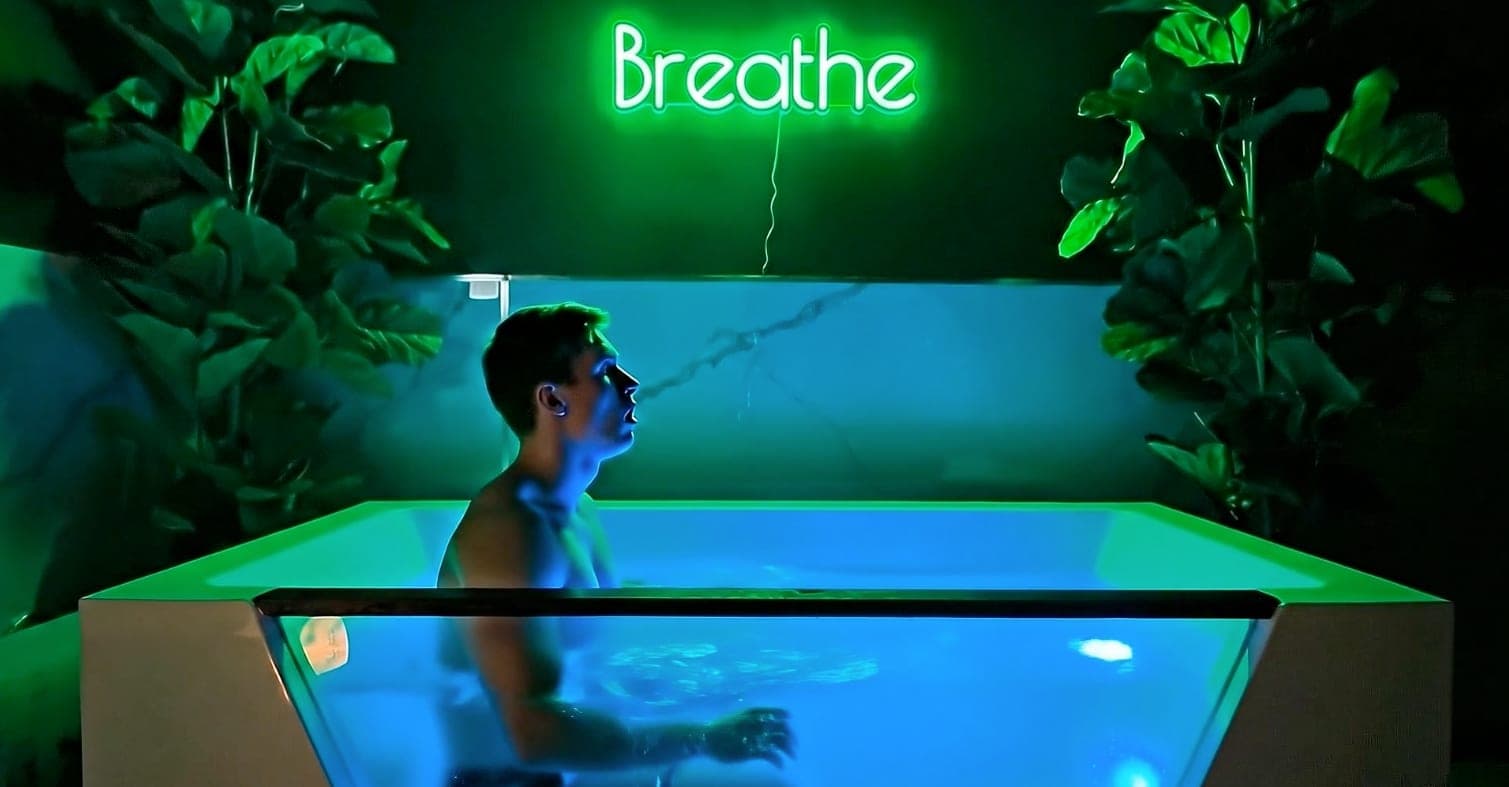
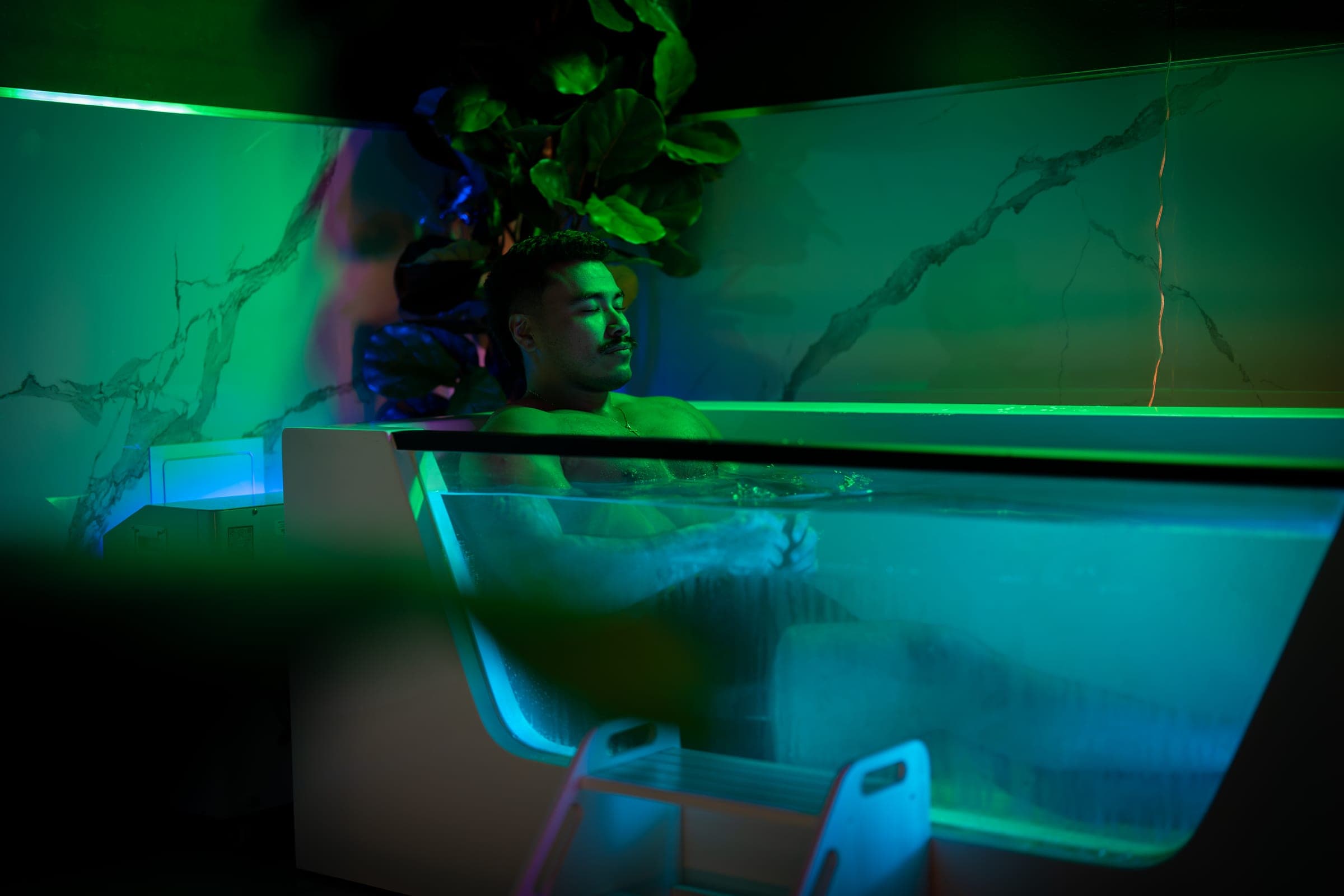
A Cold Plunge Benefits tool can help you sort through bold claims and focus on what cold water immersion may realistically offer. People often explore cold showers, ice baths, and plunge tubs for reasons like recovery, energy, mood, stress relief, or better routines. The potential appeal is easy to understand: a brief dose of cold can feel invigorating, mentally sharpening, and emotionally rewarding.
What This Tool Helps You Learn
This educational guide connects your goal, experience level, session type, temperature, and duration to evidence-informed insights. Depending on your selections, you may learn about short-term alertness, perceived recovery support, improved stress tolerance, or simple habit-building. Just as important, it also explains the limits. Not everyone responds the same way, and benefits are never guaranteed.
Practical and Safety-Focused Guidance
A good Cold Plunge Benefits resource should do more than list possible upsides. It should also flag situations where caution matters, especially with very cold water, longer sessions, or health concerns such as cardiovascular issues or Raynaud’s. If you're curious about cold exposure, this tool gives you a balanced, plain-English way to explore the topic while keeping safety, realism, and gradual progress front and center.
FAQs
What benefits can cold water immersion realistically offer?
For many people, the most noticeable effects are short-term alertness, a sense of increased energy, and a feeling of accomplishment after the session. Some users also report perceived recovery support after training, mood lift, and improved stress tolerance over time. That said, results vary a lot, and cold exposure shouldn't be treated as a cure-all. This tool keeps the focus on likely upsides, common limits, and practical considerations rather than bold promises.
Is colder always better for a cold plunge?
No. Colder is not automatically more effective, and pushing too far can quickly become uncomfortable or unsafe. Beginners usually do better with milder temperatures and shorter sessions so the body can adapt gradually. Very cold water or staying in too long can increase the risk of intense distress, numbness, and overexposure. A smart starting point is one that feels challenging but manageable, not extreme.
Who should be more careful with cold exposure?
Anyone with a history of cardiovascular issues, pregnancy, Raynaud’s, asthma, or other medical concerns should be especially cautious and talk with a clinician before trying cold exposure. Even healthy users should stop right away if symptoms escalate, such as dizziness, chest pain, unusual shortness of breath, confusion, or loss of coordination. This tool is educational information, not medical advice, and it's designed to encourage safer decision-making rather than personal diagnosis.