Synced word for word from SEObot (scripts/seobot-sync). Not fact-checked: health claims, prices, offers and quotes are as first published. Prune or rewrite after launch.
Quick answer
- Choose infrared for cooler air; choose a Finnish sauna for hotter air and optional steam.
- Lower air temperature does not mean lower heat risk.
- For local infrared access, Conscious Body Recovery offers private suites in San Diego and Murrieta.
In this article · 7 sections
Choose infrared for cooler air; choose a Finnish sauna for hotter air and optional steam. Neither is the best fit for everyone. Beginners should start with 5 to 10 minutes, take cooling breaks, and leave if they feel dizzy or nauseated.
Quick Comparison
| Factor | Infrared sauna | Finnish sauna |
|---|---|---|
| Heat source | Panels send radiant heat directly to the body | A stove and stones heat the air |
| Air temperature | Often 110°F to 150°F; settings vary | Usually 150°F to 195°F |
| Humidity | Dry, without steam | Usually 10% to 20%, with optional steam bursts |
| Comfort | Cooler air may feel easier to breathe | Hot air and steam may feel more intense |
| Session length | Often 20 to 45 minutes, with breaks as needed | Usually 5 to 20 minutes per round, with cooling breaks |
| Research | Fewer long-term studies | More long-term research, mostly observational |
Lower air temperature does not mean lower heat risk. Both types can cause fluid loss and blood pressure drops. Hydrate, skip alcohol, and seek medical advice before use if pregnant or managing heart or blood pressure concerns. Neither type has proven detox effects, and Finnish sauna findings do not automatically apply to infrared.
For local infrared access, Conscious Body Recovery offers private suites in San Diego and Murrieta. Its 25-, 55-, and 85-minute bookings cover total suite time, not nonstop sauna use.
How Each Sauna Heats You
How heat reaches you matters as much as air temperature. Humidity and equipment design affect how a sauna feels, too. Together, these factors shape session length and breathing comfort. Models vary, so treat temperature ranges as guides rather than fixed settings.
Here’s how the two sauna types compare:
| Feature | Infrared sauna | Traditional Finnish sauna |
|---|---|---|
| Heating method | Infrared panels warm the body directly with radiant energy | A heater and stones warm the air |
| Typical air temperature | Usually 120°F to 150°F; studies also use 104°F to 140°F[3] | Usually 150°F to 195°F[2] |
| Humidity | Dry | Usually 10% to 20%, with brief steam bursts (löyly)[3] |
| How it feels | Gentle, soaking warmth | Intense, all-around heat |
Infrared: Direct Radiant Heat
Infrared panels send radiant energy directly to the body. Even at lower air temperatures, this heat can make you sweat and increase your heart rate.[2]
Finnish Sauna: Hot Air, Stones, and Steam
Pouring water onto suitable hot stones creates löyly: a brief burst of steam, rather than the constant humidity of a steam room.[3] That moisture makes the heat feel heavier, which helps explain why Finnish sauna sessions usually feel more intense. Comfort depends on how the heat reaches you, not just the thermometer reading.
How the Heat Feels and How Long to Stay
Comfort is personal. Typical session lengths are reference points, not goals. Infrared warms the body more directly, while a Finnish sauna heats the air. That changes both how the heat feels and how long people tend to stay.
| Experience | Infrared sauna | Finnish sauna |
|---|---|---|
| Perceived heat | Often feels less intense | Often feels stronger, with heat all around you |
| Breathing comfort | Cooler air may feel easier to breathe | Hot air or steam may feel more intense |
| Steam preference | No steam | Optional steam adds to the sensory experience |
| Typical time | Often 20 to 45 minutes | About 5 to 20 minutes per round |
| Cooling breaks | Often one continuous session, with breaks as needed | Cooling and rest usually come between rounds |
Infrared: Lower Air Temperatures
Infrared’s lower air temperatures may make the heat easier to tolerate and the air easier to breathe. But feeling more comfortable doesn’t mean less heat stress or prove a respiratory benefit. When you prepare for your first infrared sauna session, start with 5 to 10 minutes at a lower setting.[2]
At Conscious Body Recovery, 25-, 55-, and 85-minute bookings cover total suite time, not continuous sauna time.[8]
Finnish Sauna: Hotter Air and Shorter Rounds
A Finnish sauna surrounds you with hotter air, and adding steam can make the heat feel more intense. Sessions often involve 5- to 20-minute rounds with cooling breaks between them. Beginners should start with shorter rounds, not treat 20 minutes as a target.[2]
Step out if the air feels uncomfortable or you feel dizzy, faint, or nauseated.
What the Research Shows and Where It Stops
Finnish saunas have the strongest research base, with many science-backed benefits of regular sauna use documented in literature, but most studies are observational. More research does not mean proof of cause and effect. The two sauna types also heat the body differently, so findings for one do not automatically apply to the other.
The table below shows what researchers have studied, and where the evidence falls short.
| Research topic | Traditional Finnish sauna | Infrared sauna | Main limitation |
|---|---|---|---|
| Recovery and inflammation | Small studies examine soreness and inflammation markers. | Smaller studies examine soreness and recovery. | A change in one outcome does not prove broad recovery benefits. |
| Long-term outcomes | Large Finnish cohorts provide decades of observational data. | Far fewer comparable long-term studies are available. | Associations cannot prove cause and effect or carry over between sauna types. |
| Detoxification | No strong evidence supports meaningful cleansing through sweat. | Detox claims lack strong evidence. | Neither type has established detoxification benefits. |
Finnish Sauna Has More Long-Term Studies
A larger research base makes Finnish sauna easier to study. It does not make it better for every goal. Finland’s sauna culture allows researchers to follow regular users over decades, but these studies show associations rather than cause and effect. Other habits and differences between participants can affect the results. Findings may not apply to every person or sauna routine.
Infrared Needs Its Own Evidence
A systematic review by Hussain and Cohen found less evidence for infrared saunas, with weaker support than the Finnish sauna research base. Infrared studies generally include smaller groups and shorter follow-up periods.
Finnish sauna findings should not be treated as infrared findings. The heating methods and the body’s responses differ, and some claims go beyond what the research supports.
More Sweat Does Not Mean Detoxification
Sweating helps control body temperature and causes fluid loss. The liver and kidneys do most of the body’s detoxification work; sweat volume does not measure that work. Let comfort and personal preference guide your choice, not detox promises.
Safety Tips for Both Sauna Types
The same safety basics apply to both infrared and Finnish saunas.
Start Short, Hydrate, and Skip Alcohol
If you’re new to saunas, start with short sessions and build up gradually. Even infrared saunas can cause heavy sweating, fluid loss, and drops in blood pressure. Your booking length isn’t a target for nonstop sauna time. Take cooling breaks as needed. Following established sauna and cold plunge protocols can help you manage these transitions safely. [2]
Drink water before entering, and keep drinking water or electrolytes during and after your session. Skip alcohol before and during sauna use. If you’ve just exercised, wait until you’ve cooled down and replaced lost fluids before getting in. [2]
Stop if You Feel Unwell
Leave at the first sign of symptoms, including dizziness, feeling faint, nausea, or unusual weakness. Get immediate medical help for confusion, fainting, chest pain, or trouble breathing. [2]
When to Check With a Health Professional
Check with a health professional before using either sauna if you’re pregnant, have heart or blood pressure concerns, experience fainting episodes, have trouble tolerating heat, or take medications that affect hydration or blood pressure. Skip the sauna if you have a fever or are sick. [2]
Trying Infrared Sauna at Conscious Body Recovery
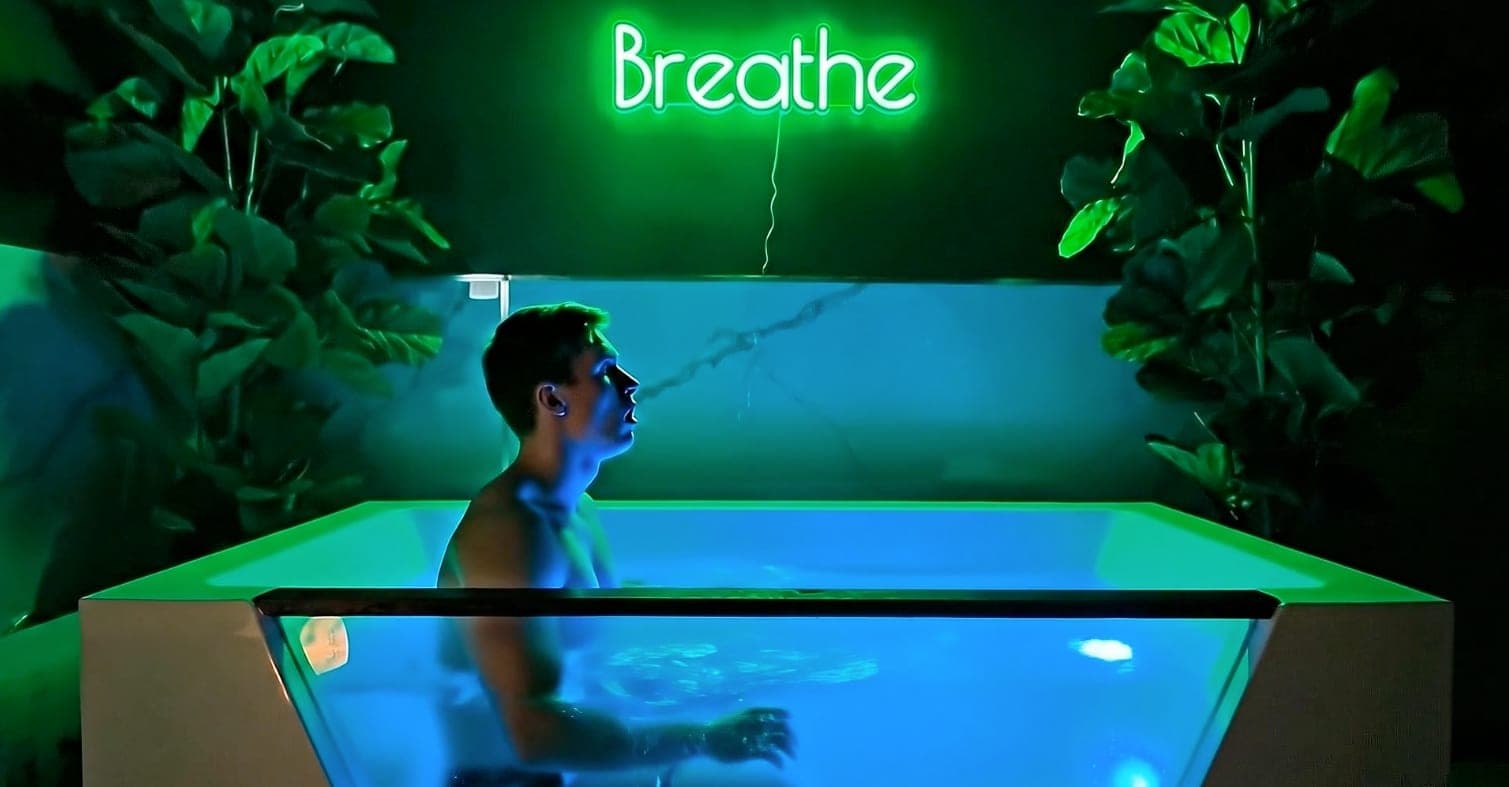
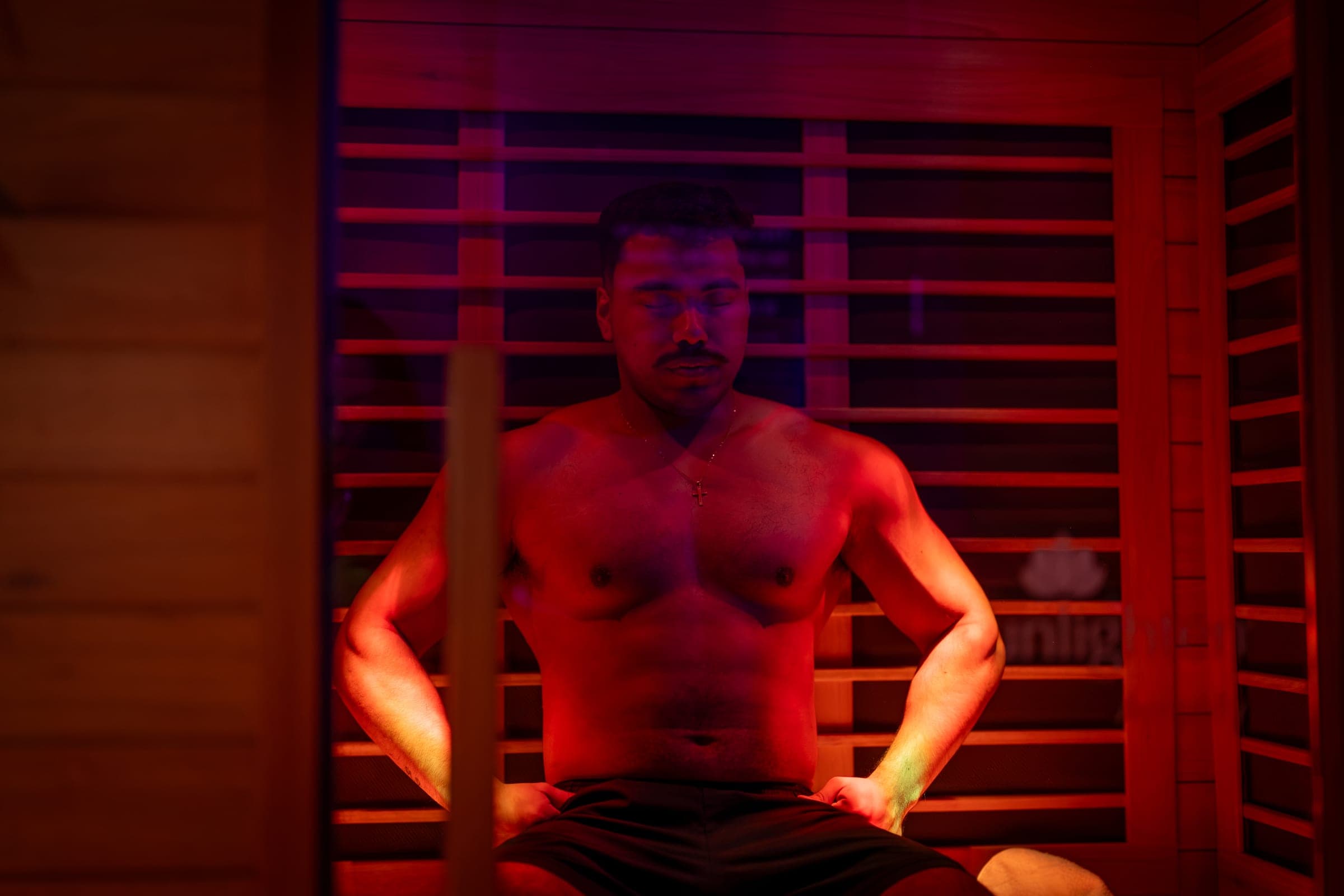
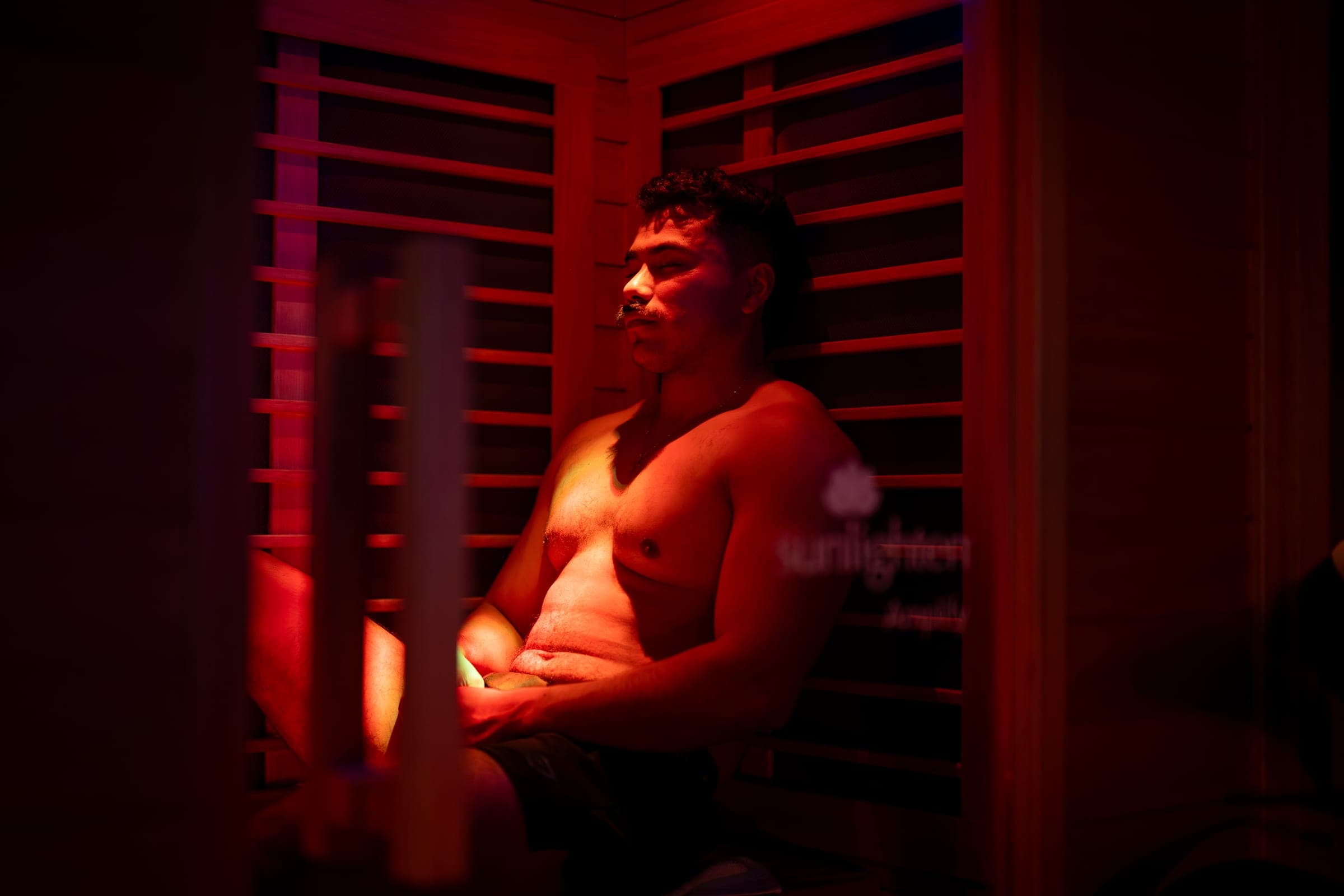
If infrared matches your heat preference, Conscious Body Recovery offers private infrared suites in San Diego and Murrieta. Each booking includes a private infrared sauna room, a shower, and an optional cold plunge for contrast therapy. Come alone or bring up to two guests.
Your booking covers total suite time, not nonstop sauna time. That gives you time within the booking for the sauna and cold plunge or shower.
Privacy, session setup, and local access are the main differences here. The San Diego studio is at 4030 Sports Arena Blvd, near Point Loma and Old Town. The Murrieta studio is at 25389 Madison Ave. Check current pricing and the first-session offer.
Conclusion: Choose the Sauna That Fits You
With the safety basics covered, focus on your preferred heat and session length, not how much you sweat. Infrared suits people who prefer cooler air and longer sessions. Finnish sauna offers hotter air with optional steam.
Most long-term studies have focused on Finnish saunas. Infrared saunas still need larger studies that follow users for longer periods.
Start with 5 to 10 minutes, stay hydrated, and skip alcohol. Leave at the first sign of dizziness or nausea. [2] Choose the sauna you can use comfortably and safely.
FAQs
How often should I use a sauna?
Choose a sauna routine that fits your schedule and how your body feels. Two to four sessions a week works for many people, while others use a sauna daily [2][3]. Research hasn’t established a single best frequency, so start slowly and adjust as you go [2][4]. Pay attention to your body, stay hydrated, and talk with a healthcare professional before starting if you have medical concerns [3].
How do I choose my starting sauna temperature?
Start low and slow. For an infrared sauna, try around 110°F for five to 10 minutes and see how your body responds. As you get more comfortable, gradually increase the temperature and session length.
Leave immediately if you feel dizzy, unwell, or overheated. If you have underlying health conditions or take medications, talk to your doctor before starting a sauna routine.
Should I use a cold plunge after a sauna?
For many people, a cold plunge or cold shower can help you cool down and recover after a sauna. Keep it brief: sauna use can lead to fluid loss, dizziness, overheating, or a drop in blood pressure afterward [2].
Start with short sauna and cooling sessions, stay hydrated, and skip alcohol. If you’re pregnant or have heart or blood pressure concerns, check with your doctor first.