Quick answer
- Contrast therapy, alternating between heat and cold exposure, helps reduce oxidative stress by improving your body’s natural defenses and cellular repair mechanisms.
- Boosts Antioxidant Defenses: Activates heat and cold shock proteins, increasing enzymes like catalase to repair cellular damage.
- Improves Circulation: Enhances blood flow and oxygen delivery, flushing out waste and reducing free radicals.
In this article · 10 sections
Contrast therapy, alternating between heat and cold exposure, helps reduce oxidative stress by improving your body’s natural defenses and cellular repair mechanisms. It uses controlled thermal stress to enhance circulation, reduce inflammation, and support mitochondrial function, while also regulating stress hormones for better recovery and sleep.
Key Benefits:
- Boosts Antioxidant Defenses: Activates heat and cold shock proteins, increasing enzymes like catalase to repair cellular damage.
- Improves Circulation: Enhances blood flow and oxygen delivery, flushing out waste and reducing free radicals.
- Lowers Inflammation: Combines heat and cold to suppress inflammatory signals and repair damaged proteins.
- Supports Mitochondrial Health: Promotes energy production, mitochondrial repair, and the creation of new mitochondria.
- Balances Stress Hormones: Reduces cortisol levels, improves nervous system flexibility, and enhances sleep quality.
To maximize results, aim for optimal contrast therapy timing of 57 minutes of heat and 11 minutes of cold exposure weekly, ending sessions with cold to lock in metabolic benefits.
How Contrast Therapy Works
Contrast therapy involves cycling between heat and cold exposure, creating controlled thermal stress on the body. This isn't about random discomfort - it's a calculated way to trigger hormesis, a biological process where small stressors push your cells to adapt and strengthen. The result? Improved vascular function and activation of key repair mechanisms at the cellular level.
When exposed to heat, your blood vessels expand, increasing their diameter by up to 70%. Switch to cold, and those same vessels contract by as much as 90%, pushing blood toward your core and flushing out metabolic waste in the process. Repeating these cycles - typically two or three times - creates a pumping effect that goes beyond what your heart can achieve on its own.
"You're actually improving the strength and plasticity of your vasculature, which is super good for your cardiovascular health." - Josh Hagen, MS, PhD, Faculty Director of the Human Performance Collaborative, Ohio State University
Beyond vascular benefits, these temperature shifts activate specific cellular repair pathways. Heat exposure stimulates Heat Shock Proteins (HSPs), which help fix damaged proteins, while cold exposure triggers Cold Shock Proteins (CSPs) like RBM3, known for its role in neuroprotection. Both heat and cold also activate the Nrf2 pathway, prompting your body to produce antioxidants such as glutathione and superoxide dismutase (SOD). On top of that, cold exposure sparks a sympathetic nervous system response, while the heat phase encourages parasympathetic dominance. This back-and-forth helps train your autonomic nervous system, improving its ability to self-regulate. Studies even show that regular contrast therapy can boost heart rate variability (HRV) scores by 22% compared to sedentary individuals.
"Contrast therapy is one of the few interventions where you get the benefits of heat shock proteins and cold shock proteins in the same session. You're stacking two distinct cellular stress responses that hit different repair pathways." - Dr. Rhonda Patrick, Founder, FoundMyFitness
1. Boosts the Body's Natural Antioxidant Defenses
Your body has its own way of handling oxidative stress, and contrast therapy works by enhancing this natural defense system. Through a process called hormesis, it stimulates the production of antioxidants, helping your cells adapt to temperature changes more effectively.
When exposed to heat, the body ramps up the production of heat shock proteins (HSPs) like HSP70 and HSP90. These proteins act like repair crews, fixing damaged proteins and protecting mitochondria from oxidative harm. On the flip side, cold exposure activates RBM3, a protein that supports neuronal health and resilience. Studies show that contrast therapy can increase HSP levels by up to 48% - a boost that not only repairs cellular damage but also prepares the body for the benefits of cold exposure to follow.
This sequence also promotes the production of antioxidant enzymes, such as catalase, which works alongside the earlier cellular repair efforts. For example, a 2024 study in Biology revealed that 20 sessions of whole-body cryotherapy significantly increased catalase levels in men.
"WBC [Whole-body cryotherapy] may be used as an adjunct therapy in the treatment of diseases caused by oxidative stress, as it improves the body's antioxidant capacity." - Bartłomiej Ptaszek, Institute of Applied Sciences, University of Physical Education in Krakow
To get the most out of your session, always end with cold exposure - a practice known as the Søberg Principle. This helps lock in the thermogenic signal from the cold, optimizing both metabolic and antioxidant benefits.
2. Improves Circulation and Oxygen Delivery to Cells
Every heating and cooling cycle does more than just warm you up or cool you down - it actively supports your body's circulatory system, offering several benefits of contrast therapy. When heat expands your blood vessels, it allows oxygen-rich blood to flow into tissues. Then, during the cooling phase, those vessels contract, helping to flush out metabolic waste like lactic acid and inflammatory byproducts. This process not only clears out debris but also replenishes cells with fresh oxygen and nutrients, aiding in repair and recovery. Over time, these repeated cycles work like a workout for your vascular system, creating a "pumping" action that enhances overall circulation.
Why does this matter? Poor circulation can speed up oxidative damage. Without enough oxygen, your cells’ mitochondria - the energy powerhouses - struggle to work efficiently. This inefficiency leads to a buildup of free radicals, which can harm your cells. By improving blood flow, you’re not just delivering oxygen and nutrients; you’re reducing the conditions that allow oxidative stress to thrive.
Here’s an interesting fact: for every 1°C (1.8°F) increase in tissue temperature, your metabolic demand rises by about 7%. This means your body steps up its effort to deliver nutrients during the heat phase, making the cooling phase even more effective at flushing out waste. To get the most out of this process, you can follow a structured protocol: spend 15 to 20 minutes in heat (110 to 130°F, such as in an infrared sauna), then switch to 1 to 3 minutes of cold (40 to 60°F). Repeat this cycle 2 to 3 times in one session to give your circulatory system a serious boost.
3. Lowers Inflammation That Drives Oxidative Stress
In addition to improving circulation and boosting antioxidant defenses, contrast therapy plays a role in reducing inflammation - a major contributor to oxidative stress.
Inflammation and oxidative stress are tightly connected; when one increases, the other often follows. Contrast therapy disrupts this cycle by using alternating heat and cold to suppress inflammatory signals that place stress on cells.
During the heat phase, your body generates heat shock proteins (HSPs), which help repair damaged proteins that can trigger inflammation. Infrared heat also activates HO-1, an enzyme that soothes inflammation and oxidative stress at the cellular level. Following the heat phase, the cold phase steps in to reduce pro-inflammatory cytokines like IL-6 and TNF-α while also inhibiting the COX enzyme, a key player in inflammatory responses.
Daniel Pietruszewski, Owner of Optimum Health, highlights the importance of heat in this process:
"The heat phase of contrast therapy stimulates production of heat shock proteins, which are molecular chaperones that help repair damaged proteins and protect cells from stress."
What sets contrast therapy apart is how it combines heat and cold for a more comprehensive effect. While either heat or cold alone offers benefits, alternating between the two creates a synergistic impact by activating distinct cellular repair pathways:
"Contrast therapy is one of the few interventions where you get the benefits of heat shock proteins and cold shock proteins in the same session. You're stacking two distinct cellular stress responses that hit different repair pathways." - Dr. Rhonda Patrick, Founder, FoundMyFitness
Research supports this approach. A 2026 meta-analysis suggests that achieving meaningful metabolic and cardiovascular benefits involves about 57 minutes of heat exposure and 11 minutes of cold exposure weekly. To maximize results, follow sauna and cold plunge protocols and aim to transition between the two within 30 to 60 seconds, ensuring the thermal contrast needed to trigger these responses.
Up next, learn how contrast therapy enhances mitochondrial function and supports metabolic health.
4. Supports Mitochondrial Function and Metabolic Health
Beyond improving circulation and reducing inflammation, contrast therapy takes things a step further by boosting cellular energy production and supporting mitochondrial function. Mitochondria, often called the cell's "powerhouses", produce ATP, the energy currency of the body. However, they also generate reactive oxygen species (ROS), which can lead to oxidative stress if not managed properly. When mitochondria work efficiently, they produce less cellular waste. But if they become sluggish or damaged, oxidative stress levels rise.
Contrast therapy benefits mitochondrial health in two key ways. First, heat exposure activates proteins like HSP70 and HSP90. These proteins repair damaged mitochondria, maintain the integrity of mitochondrial membranes, and help clear out dysfunctional mitochondria through a process called mitophagy. On the flip side, cold exposure activates the PGC-1α pathway, which encourages the creation of new mitochondria, known as mitochondrial biogenesis. Dr. Christoph Weber, an expert in biology and physics, explains it best:
"Picture your cells as a power grid - contrast baths might just be the upgrade that adds more stations."
Cold exposure also stimulates brown adipose tissue (BAT), a special type of fat loaded with mitochondria. BAT burns glucose and lipids to generate heat, improving insulin sensitivity and metabolic flexibility. Studies show that repeated cold exposure can increase BAT volume and metabolic rate by 10 to 15% in healthy adults. In a study involving pre-diabetic participants, four weeks of contrast therapy (three sessions per week) boosted BAT activity by 37% and lowered fasting glucose levels by an average of 7 mg/dL. Notably, these benefits are most effective when the session ends with cold exposure.
To maximize metabolic benefits, follow the Søberg Principle: always finish with cold. Dr. Susanna Søberg from the Center for Inflammation and Metabolism highlights the importance of this approach:
"Ending sessions with cold exposure preserves the thermogenic signal essential for long-term metabolic adaptation."
5. Regulates Stress Hormones and Supports Better Sleep
Chronic stress can lead to elevated cortisol levels, which are linked to metabolic issues and oxidative stress. Contrast therapy helps tackle this problem at the hormonal level. Research shows that repeated thermal sessions can lower baseline cortisol by 28.9%, dropping from 13.61 to 9.67 µg/ml. This reduction allows the body to spend less energy managing stress and more time focusing on repair and recovery.
The process works by improving autonomic flexibility. Cold exposure activates the sympathetic nervous system (responsible for the "fight or flight" response), while heat engages the parasympathetic system (the "rest and digest" mode). Alternating between these two states trains the nervous system to transition more smoothly. As the Polar Monkeys Editorial Team explains:
"Moving between these states teaches the nervous system to respond with precision rather than panic. That capacity generalizes... Executives who train it handle acute stress with lower baseline cortisol."
This improved ability to regulate stress also sets the stage for better sleep, as the body can engage in deeper, more restorative repair processes during the night.
In fact, better stress regulation directly impacts sleep quality. A 2026 sleep tracking study revealed that individuals who practiced contrast therapy in the morning experienced an average of 11 extra minutes of deep sleep each night.
However, timing your sessions is key. Evening sessions, especially those ending after 7:00 PM, can negatively affect sleep. They may reduce deep sleep by 18 minutes and delay sleep onset by 24 minutes. Here's how the timing of contrast therapy affects outcomes:
| Time of Day | Primary Benefit | Sleep Impact |
|---|---|---|
| Morning (5 to 9 AM) | Energy, mood, focus | +11 minutes of deep sleep |
| Midday (11 AM to 2 PM) | Productivity, recovery | Neutral |
| Evening (5 to 7 PM) | Stress decompression | Variable: benefits may be enhanced if ending on heat |
| Late Evening (after 7 PM) | Generally avoided | -18 minutes of deep sleep, 24-minute delay in sleep onset |
For the best results, aim to schedule your contrast therapy in the morning or finish at least three hours before bedtime. This approach ensures you can enjoy the stress-relieving and antioxidant benefits without disrupting your sleep cycle.
How to Add Contrast Therapy to Your Wellness Routine
Contrast therapy is straightforward - it involves alternating between heat and cold exposure. A typical session includes spending 10 to 15 minutes in an infrared sauna followed by 1 to 3 minutes in a cold plunge, repeated for 2 to 3 rounds. Research suggests aiming for about 57 minutes of heat exposure and 11 minutes of cold exposure per week to maximize metabolic benefits and antioxidant activity.
Here’s how you can tailor your sessions based on your experience level:
| Experience Level | Sauna (120 to 140°F) | Cold Plunge (50 to 59°F) | Recommended Cycles | Total Session Time |
|---|---|---|---|---|
| Beginner | 10 to 12 minutes | 1 to 2 minutes | 1 to 2 | 25 minutes |
| Intermediate | 12 to 15 minutes | 2 to 3 minutes | 2 to 3 | 25 to 55 minutes |
| Advanced | 15 to 20 minutes | 3 to 5 minutes | 3 to 5 | 55 minutes |
These guidelines are designed to help with recovery, reduce oxidative stress, and promote better cellular health. If you're in San Diego, you can try this protocol in a private setting.
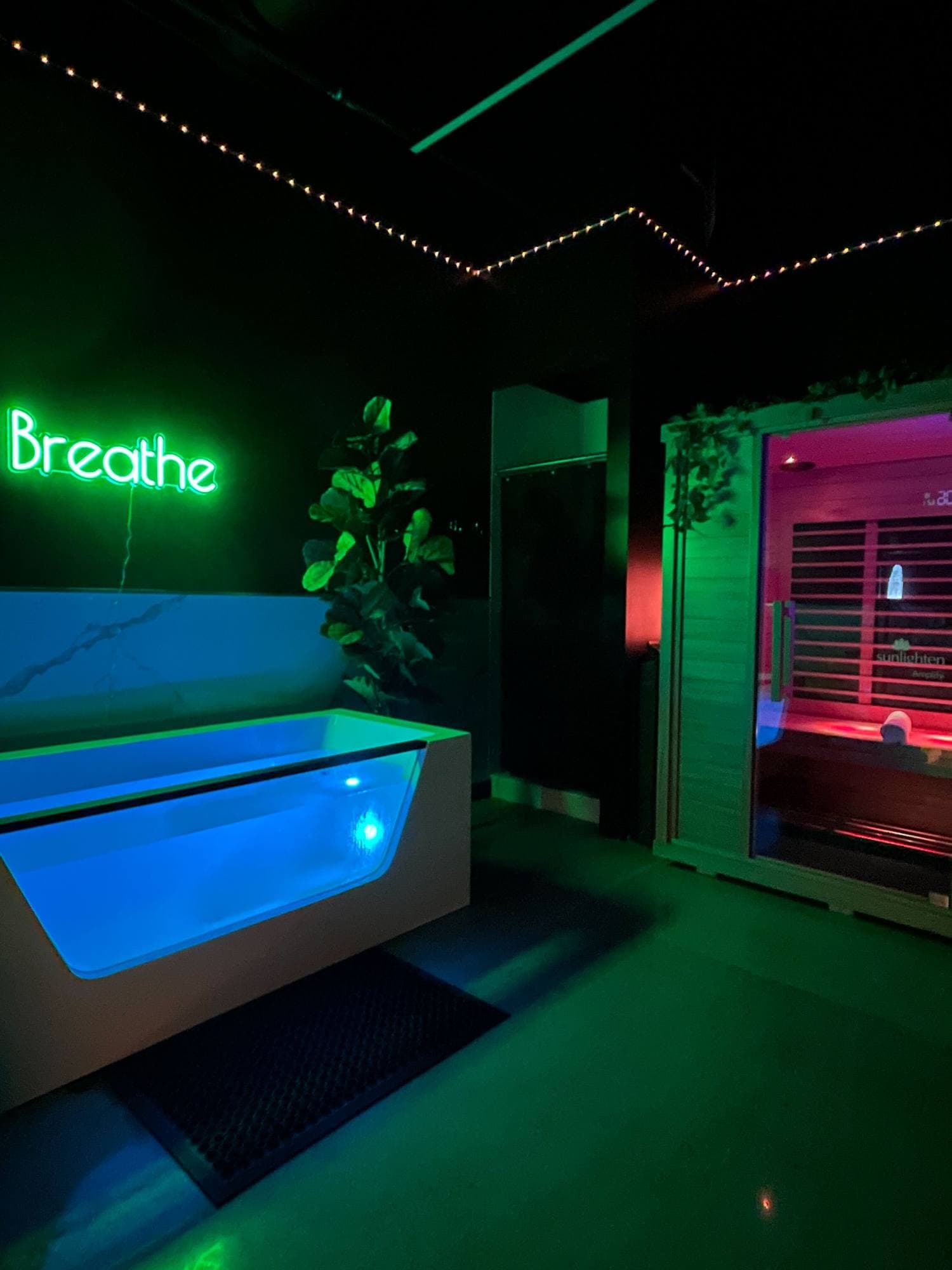
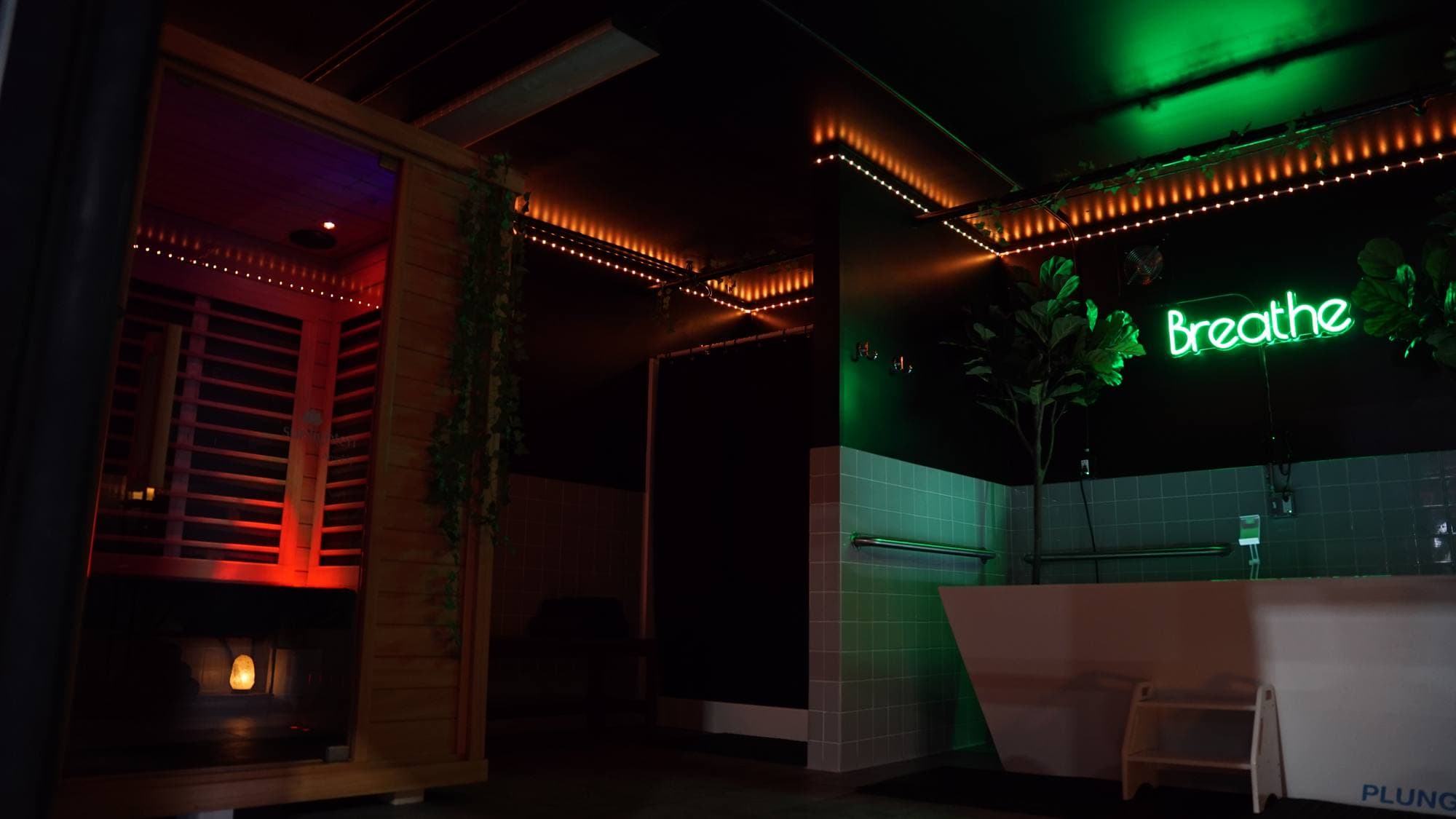
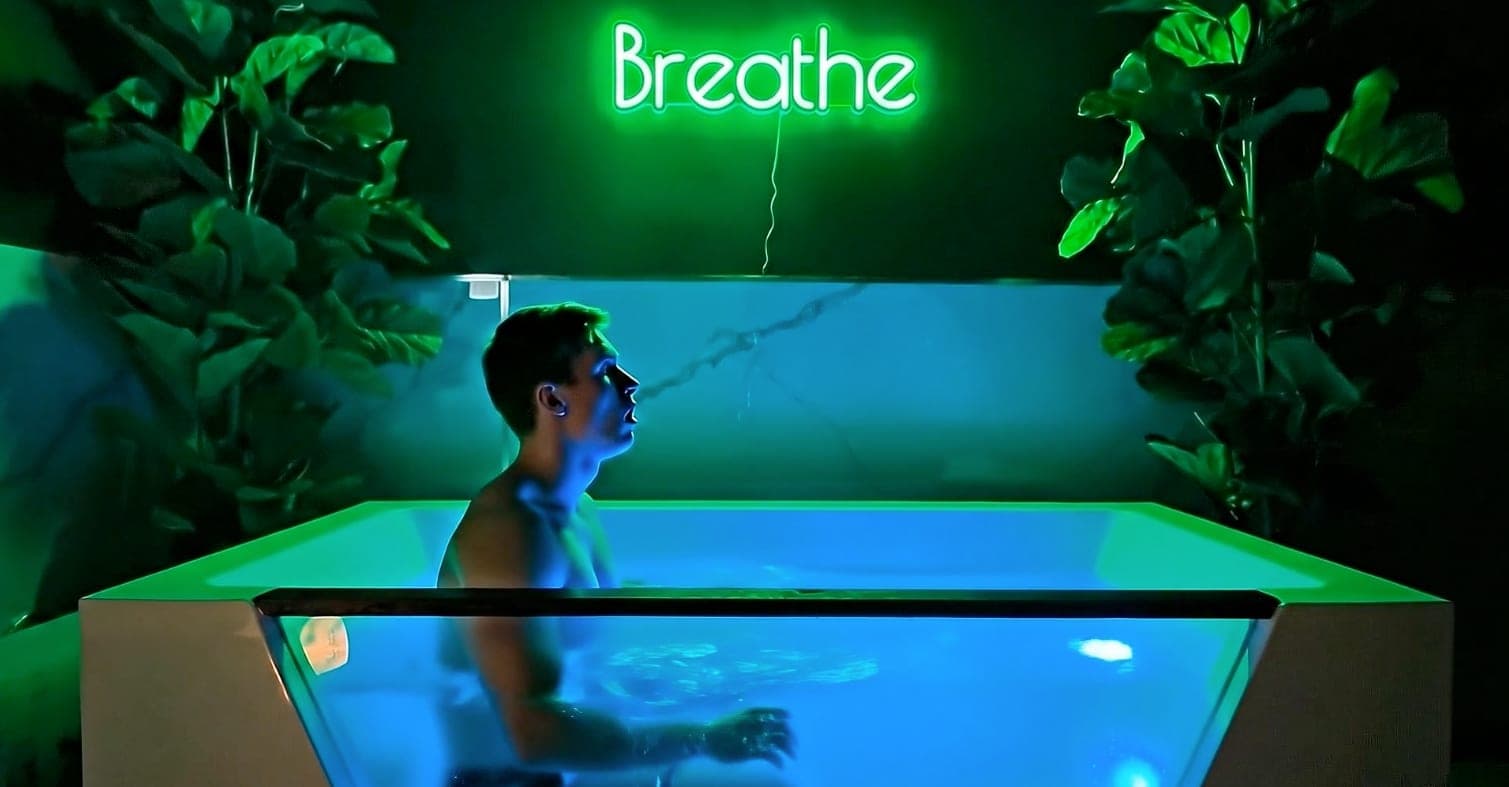
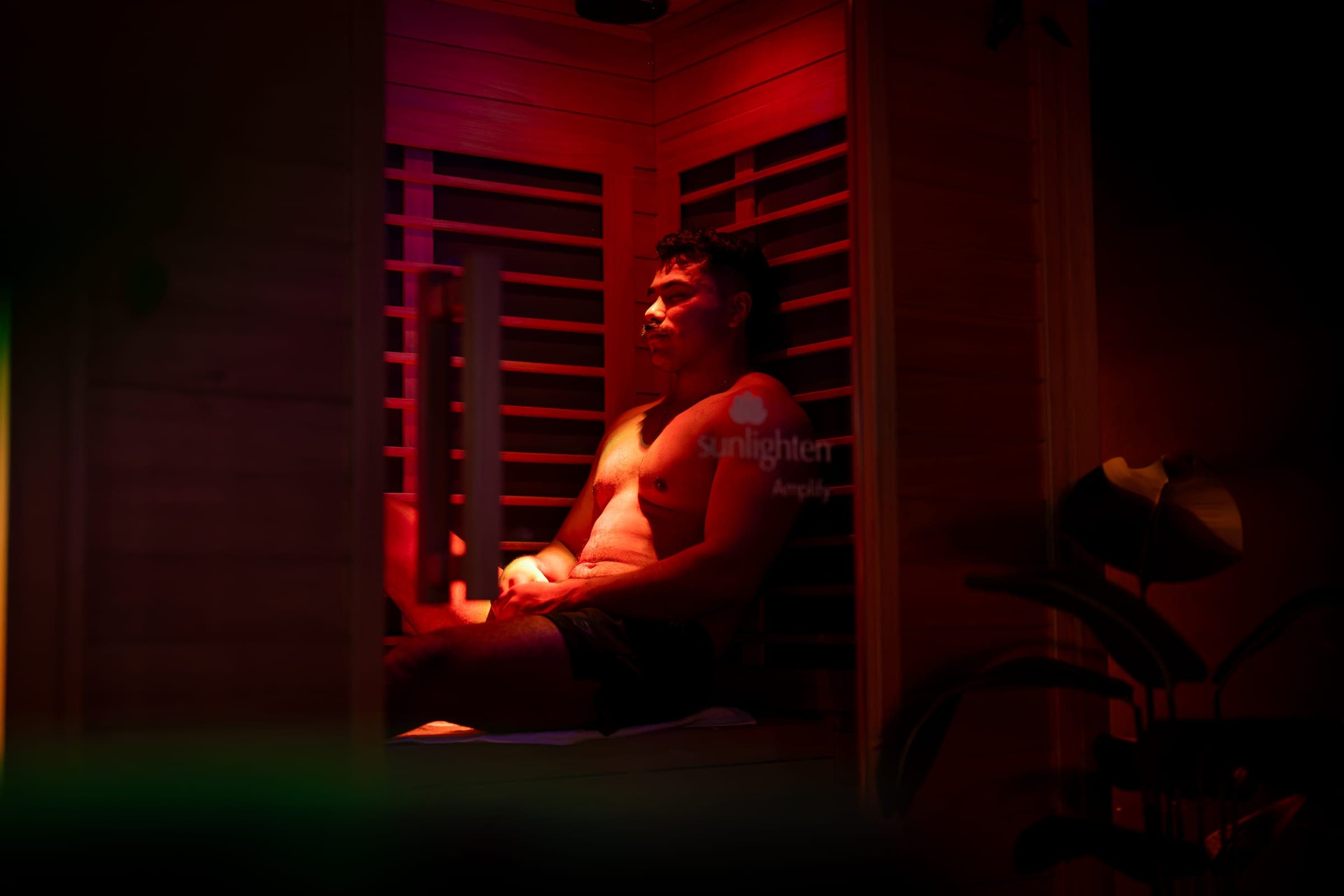
Conscious Body Recovery offers private contrast therapy sessions featuring an infrared sauna and a cold plunge kept at 45 to 49°F. This temperature range is known to trigger a 200% to 300% increase in plasma norepinephrine, which supports recovery and reduces inflammation. Sessions are self-guided, allowing you to complete your preferred number of rounds.
Membership Options for Consistency
To make contrast therapy a regular part of your routine, consider these membership plans:
| Membership | Monthly Price | Daily Session Length | Guest Access | Best For |
|---|---|---|---|---|
| Silver Unlimited | $199 | 25 minutes | 1 guest pass | Quick daily resets |
| Gold Unlimited | $299 | 55 minutes | 1 to 2 guest passes | Extended recovery & couples |
Here’s what members Alex and Jamie K. had to say about their experience with the Gold membership:
"The Gold membership is perfect for me and my partner. We come together 4-5 times a week and it's become our favorite ritual. The extended sessions give us time to really relax and recover."
If you’d like to try it out before committing, single sessions are available, and you can bring a guest for just $20 per visit.
Conclusion
Contrast therapy offers a powerful way to tackle oxidative stress by boosting antioxidant defenses, improving oxygen delivery, reducing inflammation, supporting mitochondrial function, and helping balance stress hormones. These processes work together to create lasting benefits for your overall well-being.
One of the unique aspects of contrast therapy is how heat and cold complement each other. By triggering different cellular repair pathways, they combine to create a more effective response in a single session. The long-term results are impressive: regular contrast therapy has been shown to increase brown adipose tissue (BAT) activity by 37%, while frequent sauna use - four to seven times per week - has been linked to a 63% lower risk of cardiovascular disease. These aren't just short-term perks; the benefits build over time, leading to meaningful cellular changes, including improved brain health and longevity.
Getting started is easier than you might think. For instance, Conscious Body Recovery in San Diego offers access to an infrared sauna and cold plunge in a private setting. Membership plans start at $199 per month, which is often less than the cost of many daily wellness supplements. By committing to regular sessions, you can strengthen your body's resilience from the inside out.
The key to contrast therapy lies in its challenge. Each session pushes your body out of its comfort zone, promoting cellular and vascular strength. Over time, this consistent effort leads to the kind of cumulative health benefits that make contrast therapy a standout addition to any wellness routine.
FAQs
Is contrast therapy safe if I have high blood pressure or a heart condition?
If you have high blood pressure or a heart condition, it's important to talk to your healthcare provider before trying contrast therapy. The quick shifts between hot and cold can influence your heart rate and blood pressure, creating stress on your cardiovascular system much like exercise does. Additionally, some medications might interfere with your body’s ability to manage temperature changes effectively. To stay safe, consult your doctor to see if contrast therapy aligns with your health needs.
How soon do you notice lower inflammation or better sleep from contrast therapy?
Contrast therapy can offer noticeable perks quickly - think reduced inflammation and better sleep after just one session. Studies highlight that muscle soreness relief is most effective within six hours post-session, with benefits lingering for up to 96 hours. Committing to regular sessions, such as three times weekly, can amplify these effects over time. At Conscious Body Recovery, our private suites provide a calm and inviting environment to help you make the most of these sessions.
What’s the best heat/cold timing if I don’t have time for the full weekly protocol?
If you're pressed for time, you can still benefit from a quick 20- to 30-minute contrast therapy session. Stick to a 4:1 heat-to-cold ratio: spend 3 to 5 minutes in an infrared sauna, then follow it up with 45 to 60 seconds in a cold plunge. Repeat this cycle 2 to 3 times to help stimulate vascular pumping. Conscious Body Recovery provides private sessions, allowing you to adjust the timing and intensity to suit your schedule while promoting recovery and cellular health.