Synced word for word from SEObot (scripts/seobot-sync). Not fact-checked: health claims, prices, offers and quotes are as first published. Prune or rewrite after launch.
Quick answer
- Use heat and cold around the next workout, not just to ease soreness.
- A review of 18 trials found less soreness and some strength recovery with contrast therapy, but the studies had a high risk of bias.
- Between closely spaced events: A familiar contrast routine for recovery may help with short-term gains between events.
In this article · 5 sections
Use heat and cold around the next workout, not just to ease soreness. Start training with an active warm-up, skip cold plunges right before strength or power work, and avoid routine plunges immediately after lifting when muscle growth is the goal.
A review of 18 trials found less soreness and some strength recovery with contrast therapy, but the studies had a high risk of bias. Feeling better doesn’t always mean performing better.
- Between closely spaced events: A familiar contrast routine for recovery may help with short-term gains between events.
- On recovery days: Put sleep, food, fluids, and rest first. Skip heat or cold when dehydrated or unwell.
- Before booking: Check medical risks. Conscious Body Recovery’s San Diego and Murrieta studios offer 25-, 55-, and 85-minute visits, including changing, showers, and rest, not continuous exposure.
The goal is to support training without adding stress or trading away long-term gains.
Before Training: Start With an Active Warm-Up
Passive heat can make you feel warm, but it does not replace movement. A systematic review of upper-body warm-ups found little benefit from passive heating or cooling, while dynamic warm-ups improved strength and power.[3] Before training, heat should lead into an active warm-up, not take its place.
Cool Off, Hydrate, and Warm Up
If you use heat, allow time to cool off, drink according to thirst and sweat loss, and complete your usual active warm-up. The American College of Sports Medicine emphasizes heat strain, hydration, acclimatization, and gradual preparation.[8] Do not start hard exercise while overheated, dizzy, nauseated, or unusually fatigued. Postpone training if symptoms remain, and seek medical guidance if they persist or become severe.
Once you feel comfortable, start with easy whole-body movement, add dynamic mobility, then gradually increase speed or resistance with the movements your workout requires. Use this progression to check your coordination, breathing, and effort. Warm skin alone does not mean you’re ready. Cold exposure calls for the same check: make sure you feel back to normal before training.
Avoid Cold Plunges Right Before Strength or Power Training
Cold exposure can temporarily reduce explosive performance. The effect depends on how cold you get and how fully you rewarm.[7] Skip the plunge right before maximal lifting, sprinting, or jumping unless a qualified sports professional has built it into your plan. If you still feel cold, stiff, numb, or uncoordinated, do not begin maximal efforts.
Pre-cooling for endurance exercise in hot conditions is a different practice. Research on that approach does not support sauna-and-plunge use for strength, power, or routine workouts.[4][5][6]
After Training: Weigh Recovery Against Training Gains
After a hard session, choose recovery based on what’s next. Refuel, rehydrate, sleep, and manage your training load before adding heat or cold.[11][12]
Consider Contrast Between Closely Spaced Events
When another hard session is coming soon, short-term recovery takes priority over long-term training gains.
A 2013 review of 18 trials found less soreness and some strength recovery compared with passive recovery. But the evidence had major risks of bias, and less soreness doesn’t prove better performance.[1][10]
A contrast routine you’ve used before may be an option between tournament events or closely spaced competitions. It may also help manage next-day soreness, depending on how you respond and your upcoming workload.[1][10]
Avoid Routine Cold Plunges Right After Lifting
If your goal is strength or muscle gain, the trade-off changes. In a 12-week study of 21 physically active men, repeated 10-minute cold-water immersion immediately after lifting led to smaller strength and muscle gains than active recovery.[9][13]
Don’t make immediate post-lift plunges a habit when those gains are your goal. Research hasn’t established a universal waiting period that guarantees you’ll preserve them.[9][13]
Keep Recovery Days From Adding Heat Stress
Extra heat can add stress on a day meant for rest. Skip heat if you’re dehydrated, unusually fatigued, or already heat-stressed.
Do Not Treat Research Times as Session Instructions
Study protocols describe what researchers tested, not rules for your sessions. Some cold-water studies used approximately 50 to 59°F for 10 to 15 minutes. Contrast studies used different warm-and-cold cycles, immersion depths, and durations.[1]
These are research conditions, not session instructions. Don’t apply those times to colder plunges or treat them as an ideal infrared sauna-and-plunge routine.
Plan Your Conscious Body Recovery Visit
Schedule your session around your next key workout or competition. Use heat and cold based on what you need that day. Saunas and cold plunges support recovery, but they don’t replace training prep or post-workout basics.
Check Heat and Cold Safety
Get individual medical guidance first if you’re pregnant, have high or low blood pressure or cardiovascular disease, have impaired sensation, or take medication that affects heat or blood-pressure regulation. The American Heart Association warns that cold immersion can cause breathing, heart rate, and blood pressure to rise quickly.[16][22]
Enter gradually, breathe normally, hydrate, and rest between temperature changes. Avoid alcohol, and stop if you feel unwell. Seek emergency medical help for chest pain, severe breathing difficulty, fainting, or confusion.[18][21][22]
Book for the Time You Need
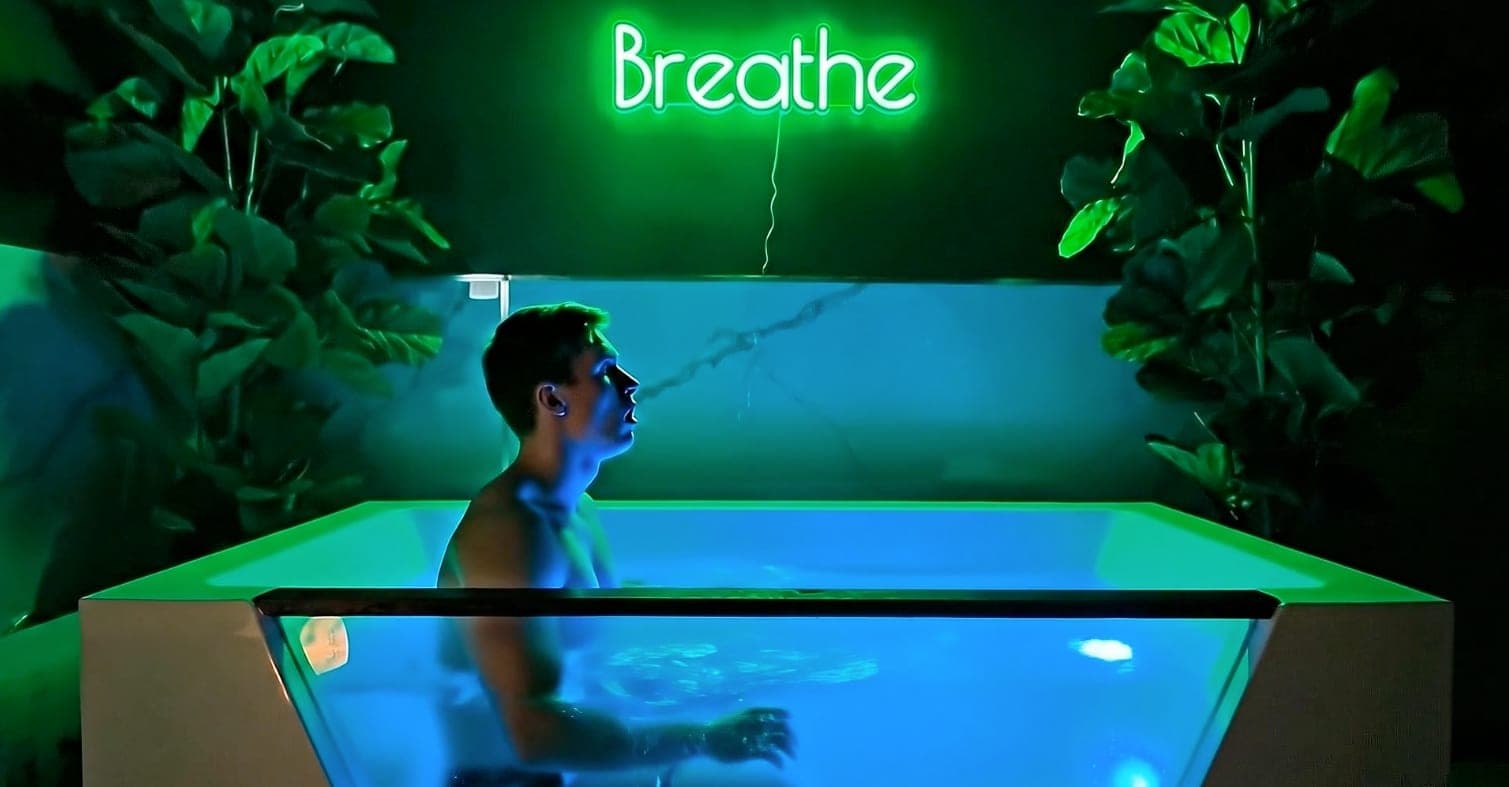
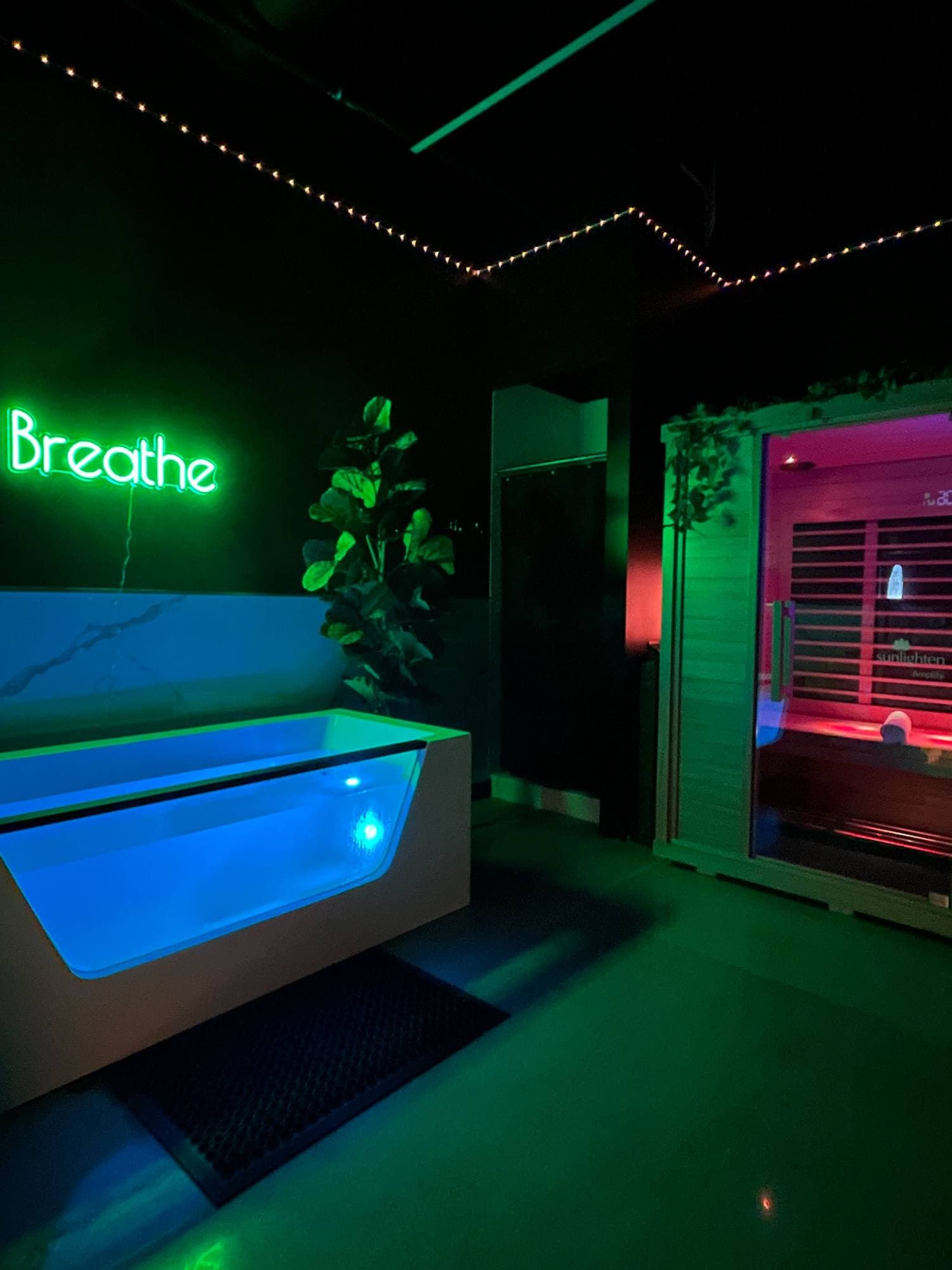
After addressing safety, choose a session length that fits your recovery needs. Each 25-, 55-, or 85-minute booking includes a private room with an infrared sauna, cold plunge, and shower, for you alone or with up to two guests. That time also covers check-in, changing, showering, transitions, and rest, not continuous heat or cold exposure. This approach allows you to track your cold plunge recovery and progress over time.[15][17][20]
The listed sauna and plunge temperatures describe the equipment. They aren’t targets you need to tolerate. Follow facility instructions, stay within your tolerance, and don’t add rounds just to fill your booking.[15][16][20]
Find the San Diego or Murrieta Studio
The San Diego studio is at 4030 Sports Arena Blvd, Suite B, San Diego, CA 92110, near Point Loma, Old Town, and the Midway district. The Temecula-area studio in Murrieta is at 25389 Madison Ave, Suite C-101, Murrieta, CA 92562.[19][20]
Conclusion: Plan Around Your Next Workout
Plan recovery around your next workout, not the one you just finished. Always do an active warm-up: heat can’t replace progressive, sport-specific movement. Skip cold plunges before lifting, sprinting, or jumping, and rewarm fully before any maximal effort.[24][25][26][27]
After training, separate short-term recovery from long-term gains. Cold may help between closely spaced events, but avoid routine immersion immediately after lifting if your goal is muscle growth.[2][23] Less soreness doesn’t mean you’re fully ready.[27]
Postpone the session if you’re dehydrated, unusually fatigued, or feeling unwell. Choose heat, cold, or rest based on how soon your next hard session starts, your current fatigue, your tolerance, and safety.
FAQs
Should I start contrast therapy with heat or cold?
Most protocols start with heat and end with cold. Warming up first can make the cold plunge feel easier to handle [1].
After your workout, wait 5 to 10 minutes for your heart rate and breathing to settle before entering the sauna. A standard approach is 10 to 15 minutes of infrared heat, followed by 30 seconds to 2 minutes in the cold plunge, then a short rest [1].
How often should I use contrast therapy?
One or two sessions per week is a common goal you can stick with. If you’re new to contrast therapy, aim for two to three sessions a week while you get used to it. As your tolerance builds over several weeks, you can work up to four sessions per week. Pay attention to how you feel, and take a rest day if you feel unusually tired or unwell.
How can I tell if I’m ready to train again?
Let your goals and how you feel after your last workout guide your recovery session. If you feel run down, slept poorly, or trained harder than planned, consider a shorter session or skip the cold plunge. If you’re sick, skip contrast therapy until you’re well. If recovery starts to feel like another workout, dial back the intensity or duration.