Quick answer
- Contrast therapy has become a modern wellness ritual: a few minutes in a sauna, a plunge into cold water, then back to heat again.
- Based on the discussion in the video, contrast therapy does appear to create real short-term effects in the body.
- That distinction matters - especially for health-conscious people who want natural recovery tools without falling for exaggerated promises.
In this article · 15 sections
Contrast therapy has become a modern wellness ritual: a few minutes in a sauna, a plunge into cold water, then back to heat again. For some people, it feels energizing, clarifying, and deeply restorative. For others, it looks like another social-media-fueled health trend wrapped in dramatic before-and-after claims.
The truth sits somewhere in the middle.
Based on the discussion in the video, contrast therapy does appear to create real short-term effects in the body. Cold can blunt pain and reduce swelling. Heat can relax muscles and increase blood flow. Together, alternating between the two may create what clinicians often describe as a "pumping" effect through cycles of vessel constriction and dilation. But the evidence for major long-term benefits is still limited.
That distinction matters - especially for health-conscious people who want natural recovery tools without falling for exaggerated promises.
In this article, we’ll unpack what contrast therapy likely does, where the science is stronger, where it’s still thin, and how to approach it in a way that supports recovery without turning a useful tool into a cure-all.
What Is Contrast Therapy?
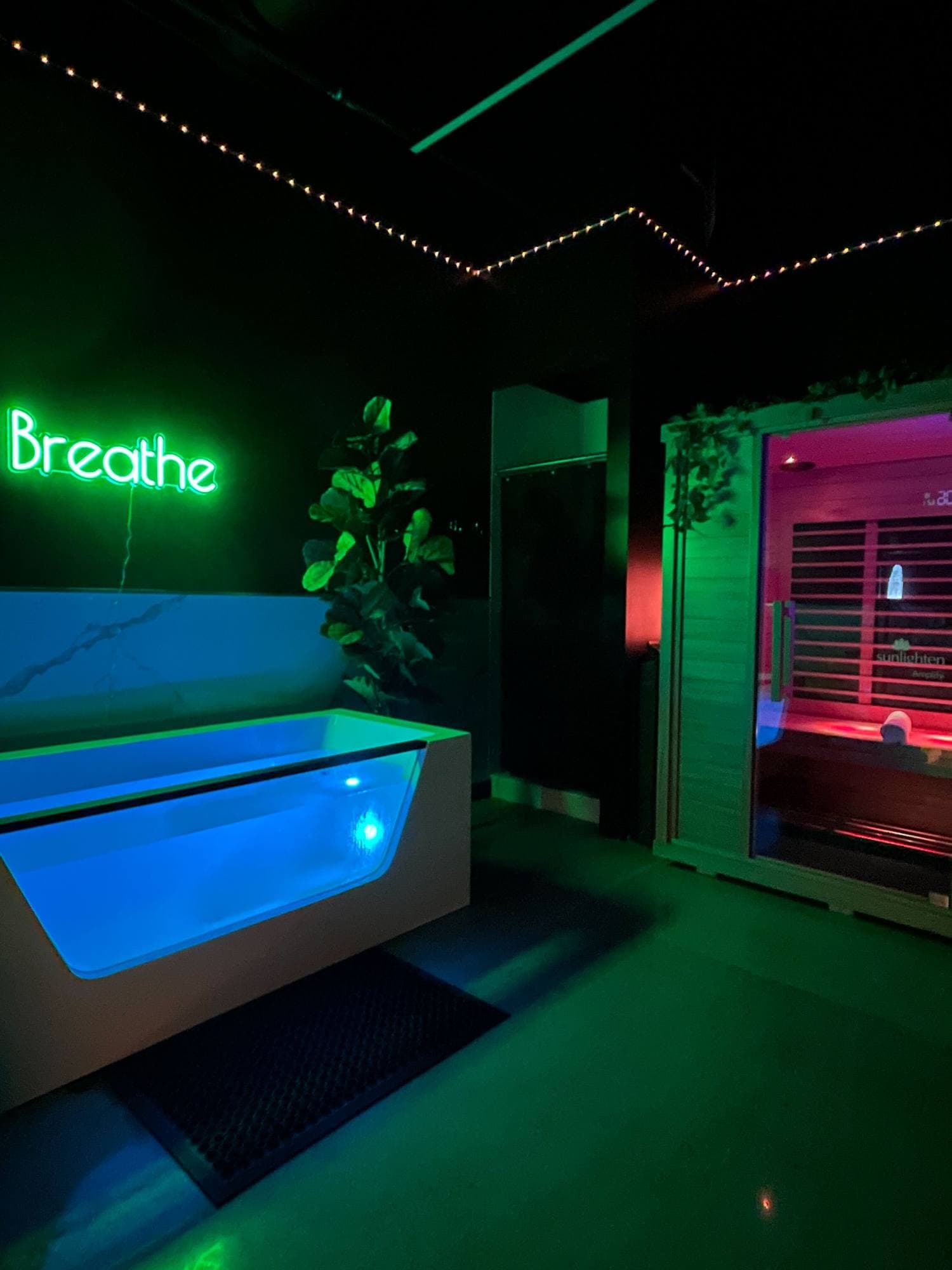
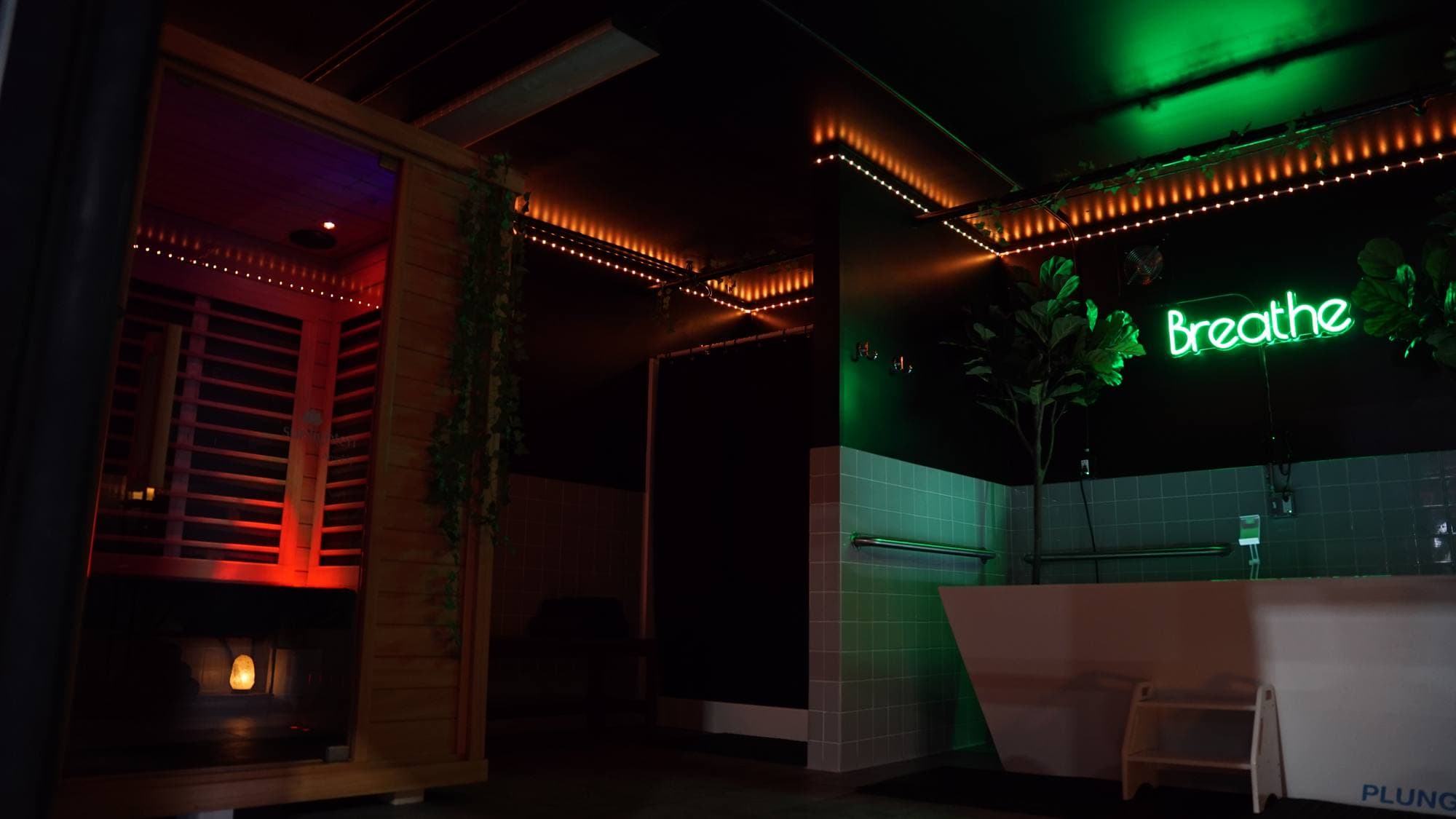
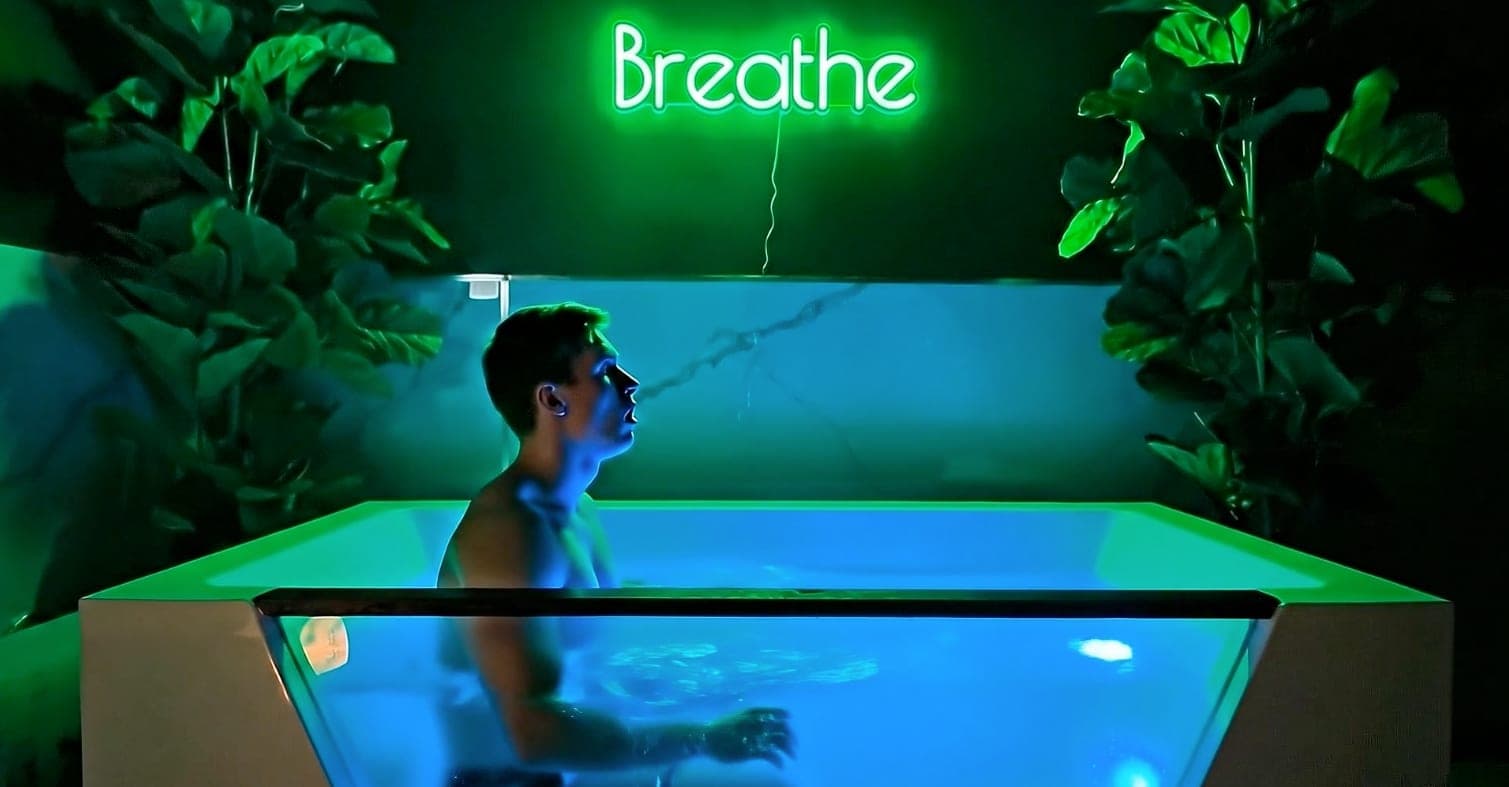
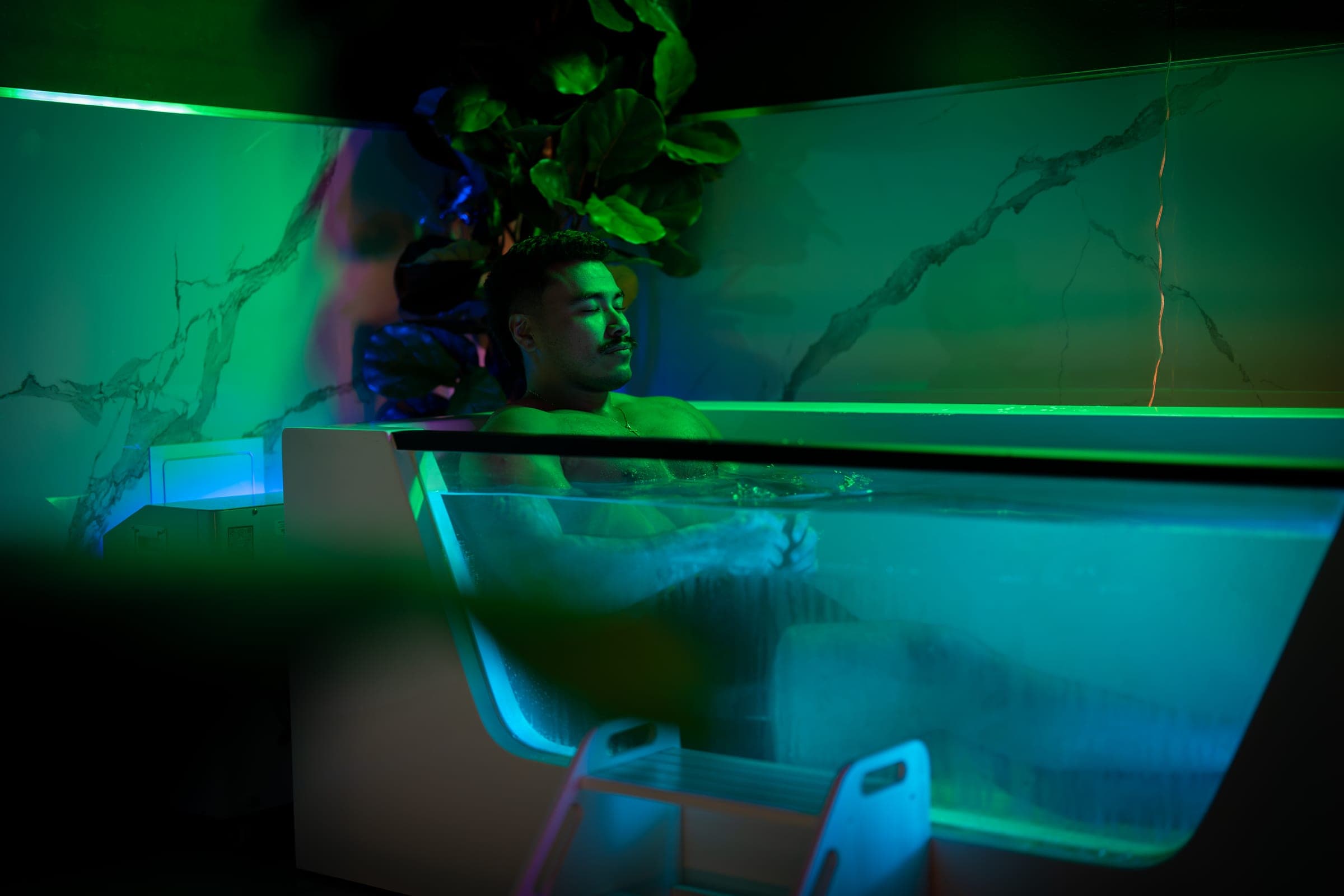
Contrast therapy is the practice of alternating between heat exposure and cold exposure. In today’s wellness settings, that usually means moving between a sauna or hot tub and a cold plunge or ice bath.
The basic concept is old, not new. Many traditional bathing cultures have long paired hot and cold exposure - from Roman bathhouses to Nordic sauna traditions to Japanese bathing customs. What’s new is the branding, the online buzz, and the tendency to attach sweeping health claims to the experience.
At its simplest, contrast therapy aims to use temperature changes to influence:
- Blood vessel behavior
- Pain perception
- Inflammation
- Muscle tension
- Mental alertness and mood
That doesn’t automatically make it a miracle protocol. But it does explain why so many people report feeling noticeably different afterward.
Why People Feel Better After a Session
One of the most useful points from the video is this: feeling better right away does not necessarily mean lasting physiological change.
Cold exposure can trigger a short-term surge in chemicals associated with alertness, motivation, and pain relief, including:
- Norepinephrine
- Dopamine
- Endorphins
That helps explain why some people step out of a plunge feeling sharper, calmer, or even euphoric. Heat exposure, meanwhile, often produces a different kind of relief: less stiffness, more relaxation, and a sense of physical ease.
These effects are not imaginary. But according to the physician interviewed in the video, they are generally temporary, often lasting hours rather than days or weeks.
For many wellness-minded people, that may still be worthwhile. Not every practice has to create permanent biological change to be useful. A ritual that improves your mood, reduces soreness, and helps you feel more present can still hold value - provided you understand its limits.
What Heat and Cold Actually Do to the Body
To understand contrast therapy, it helps to separate the two components.
Cold Exposure: Primarily About Pain and Swelling
When your body enters a cold environment, blood vessels narrow. This process, called vasoconstriction, can help reduce swelling and may dampen pain signals.
That’s why cold therapy is often associated with:
- Less perceived soreness
- Temporary pain relief
- Reduced inflammation in the short term
- Increased alertness
Cold also creates a stress response. Heart rate, breathing rate, and blood pressure can rise rapidly at first. This is part of why a plunge feels intense rather than simply refreshing.
Heat Exposure: Primarily About Relaxation and Circulation
Heat does the opposite. Blood vessels widen, a response called vasodilation. This can improve blood flow and may help deliver oxygen and repair-related nutrients to tissues.
Heat is commonly used for:
- Muscle relaxation
- Reduced stiffness
- Greater mobility
- Short-term comfort for chronic aches
A practical insight from the video: sweating itself is not the magical part. It’s more a sign that body temperature has risen enough for the heat exposure to be doing its job.
Why Alternating Between Them Is So Appealing
The theory behind contrast therapy is straightforward: if cold helps with pain and swelling, and heat helps with blood flow and relaxation, perhaps alternating the two produces a stronger recovery effect than either one alone.
This is the logic behind the so-called pumping effect - vessels narrowing in cold, opening in heat, then narrowing again. In theory, that cycling could support recovery by combining multiple useful responses.
But "in theory" is the key phrase.
The video makes clear that while this explanation is plausible and widely repeated, the research base is still inconsistent. Different studies use different temperatures, durations, populations, and goals. That makes it difficult to draw strong, universal conclusions.
So the best current interpretation is this:
Contrast therapy may help some people feel and function better in the short term, especially after heavy exertion, but it is not yet backed by strong evidence as a long-term recovery or healing breakthrough.
What the Research Seems to Support Best
The strongest practical takeaway from the discussion is that contrast therapy may be most useful as a supportive recovery tool, not as a standalone treatment.
1. Temporary Relief From Muscle Soreness
There is some support for using contrast therapy after strenuous exercise to help with delayed onset muscle soreness (DOMS) and to restore function faster than doing nothing.
That doesn’t mean it rebuilds tissue faster in a dramatic way. It means you may feel capable of returning to activity sooner.
For athletes or active adults, that distinction matters. If you’re training again the next day, short-term relief may be enough to make the method useful.
2. Short-Term Pain Reduction
Cold exposure appears to be the more relevant piece if your goal is pain control, especially after intense activity or during periods of flare-up.
3. Improved Mobility and Relaxation
Heat seems more helpful when the problem is tightness, stiffness, or difficulty moving comfortably.
4. Temporary Mood Boost
The video also notes some evidence for short-lived improvement in mood and sleep quality, but with an important caveat: many of these studies involve already active, health-oriented people. It’s hard to separate the effect of cold exposure from the effect of exercise and overall lifestyle.
That means claims like "cold plunges cure stress" or "contrast therapy fixes anxiety" go well beyond the evidence discussed.
Where the Hype Outruns the Science
Wellness culture often treats a strong feeling as proof of a strong outcome. Contrast therapy is a great example of why that can be misleading.
The experience is intense. It demands focus. It changes your breathing. It can create a rush. All of that can make it feel profoundly therapeutic.
But the physician in the video repeatedly emphasized that current evidence does not support strong long-term claims in areas such as:
- Lasting cardiovascular improvement
- Major long-term mental health treatment effects
- Reversal of chronic health conditions
- Significant acceleration of tissue healing on its own
- Broad immune "boosting" over time
This doesn’t make contrast therapy useless. It just places it in a more honest category:
helpful for some goals, overrated for others.
For a privacy-minded, holistic wellness audience, that’s actually good news. It means you can use contrast therapy as one piece of a broader recovery and regulation practice - without expecting it to do everything.
A More Realistic Way to Think About Contrast Therapy
Instead of asking, "Does it work?" a better question is:
What kind of benefit am I looking for?
That’s the lens the video handles well. The answer changes depending on your goal.
If your goal is fast recovery between hard efforts
Contrast therapy may help reduce soreness and improve readiness in the short term.
If your goal is muscle growth or adaptation
The video notes growing concern that immediate cold exposure after exercise may interfere with muscle-building processes. So if hypertrophy or long-term adaptation is your top priority, icing right after training may not be ideal.
If your goal is stress relief
You may feel temporarily calmer, clearer, or more energized afterward. That can be meaningful, but it should not be framed as a proven treatment for chronic anxiety, depression, or trauma.
If your goal is chronic pain management
Heat and cold may both play a role, depending on whether pain is tied more to inflammation, stiffness, or tension.
In other words, contrast therapy is less like a universal prescription and more like a situational tool.
How to Use Contrast Therapy More Safely
The video does provide broad guidance on temperatures and timing, while also noting that protocols in the research are inconsistent.
Common ranges mentioned in the discussion
Cold
- Around 50 to 59°F (10 to 15°C)
Hot tub
- Around 100 to 104°F
Sauna
- Often begins around 120°F
- Some settings go much higher, though the expert suggested extreme sauna temperatures may be excessive
- A practical marker: enough heat to produce a solid sweat
Common session lengths discussed
Cold immersion
- About 1 to 3 minutes
Hot tub
- About 3 to 5 minutes
Sauna
- Often 15 to 20 minutes, though beginners should start shorter
Typical cycling pattern
Some people repeat the sequence 2 to 3 rounds, depending on tolerance and available time.
Best beginner advice
The video strongly cautions against going from zero to extreme. A safer starting mindset is:
- Start mild
- Keep sessions shorter
- Build tolerance gradually
- Learn how your body responds before increasing intensity
This is especially important because temperature stress is not just "mental toughness." It has real cardiovascular and systemic effects.
Key Takeaways
- Contrast therapy combines heat and cold exposure to pursue short-term recovery, pain relief, and mental refreshment.
- Cold tends to help more with pain and swelling, while heat tends to help more with stiffness, circulation, and relaxation.
- The biggest benefits supported in the video are temporary, often lasting hours, not long-term transformations.
- If you want faster turnaround after intense exercise, contrast therapy may help you feel ready sooner.
- If your priority is muscle growth, be cautious with immediate cold exposure after workouts, since it may blunt some adaptation.
- Begin conservatively: shorter sessions, milder temperatures, and gradual progression are smarter than extreme protocols.
- Avoid alcohol around sauna or cold plunge sessions, since it increases risk.
- People with heart disease, arrhythmias, vascular disease, or uncontrolled high blood pressure should be especially cautious and speak with a clinician first.
- Use contrast therapy as a supportive wellness tool, not as a replacement for medical care, rehab, sleep, nutrition, or training fundamentals.
Who Should Be Careful or Skip It Entirely?
This is the most important section for many readers.
According to the expert in the video, people with certain cardiovascular risks should approach contrast therapy very carefully, if at all. That includes those with:
- Cardiac arrhythmias
- Uncontrolled high blood pressure
- Heart disease
- Vascular disease
Why? Because cold exposure can sharply narrow blood vessels and provoke a stress response. In vulnerable individuals, that may raise the risk of dangerous events.
The video also highlights another real-world risk factor: mixing heat or cold exposure with alcohol. That is a poor combination and should be avoided.
If you are managing a medical condition, pregnant, recovering from a serious illness, or unsure how temperature stress may affect you, individualized medical guidance is the safer path.
What About Women, Perimenopause, and Menopause?
One useful myth-check from the video: the physician said there is no clear evidence that cold exposure is inherently worse for perimenopausal or menopausal women.
The discussion referenced a small study involving women in that life stage who regularly swam in cold water and appeared to report fewer symptoms. But the expert also made clear that this is not strong enough evidence to make sweeping recommendations.
So the most accurate summary is:
- There is not enough evidence to claim cold is harmful specifically because of perimenopause or menopause
- There is also not enough evidence to support sex-specific plunge temperatures as a medical standard
- Personal comfort, health status, and tolerance still matter
That nuance is important in a wellness space where hormone-related claims are often overconfident.
The Biggest Mistakes People Make
The video identifies several common errors that are especially relevant for enthusiastic beginners.
Going too extreme, too fast
People often imitate advanced protocols online before learning their own tolerance.
Staying in too long
More is not automatically better in either heat or cold.
Chasing ego instead of effect
A colder plunge or hotter sauna does not necessarily produce better outcomes.
Using it as a substitute for recovery basics
Contrast therapy cannot make up for poor sleep, inadequate hydration, under-fueling, or overtraining.
Treating short-term relief like long-term healing
A great post-session feeling can be valuable, but it is not the same thing as proof of durable physiological change.
So, Is Contrast Therapy Worth It?
For the right person, yes - if expectations are realistic.
Contrast therapy seems most worthwhile when you value it for one or more of the following:
- A structured recovery ritual
- Temporary soreness relief
- Reduced stiffness
- A sense of mental reset
- Enhanced readiness between demanding training sessions
It becomes less worthwhile when it is sold as:
- A fix for chronic disease
- A proven mental health treatment
- A guaranteed inflammation cure
- A shortcut to long-term performance gains
In practical terms, contrast therapy fits best into a wellness lifestyle when it is viewed as a high-sensation, potentially helpful recovery practice rather than a miracle intervention.
Final Thoughts
Cold plunges and saunas can absolutely change how you feel in the moment. That alone explains much of their appeal. They are immersive, intense, and often energizing in a way that many modern wellness products are not.
But intensity should not be confused with certainty.
The clearest message from the video is that contrast therapy offers credible short-term effects - especially around soreness, pain modulation, alertness, and relaxation - while the evidence for broad, lasting benefits remains incomplete.
For a thoughtful wellness audience, that’s a useful place to land. You don’t have to dismiss contrast therapy as hype, and you don’t have to treat it as a cure. You can use it as one intentional tool among many: supportive, sometimes effective, occasionally invigorating, and best approached with both curiosity and restraint.
Source: "The Science Behind Cold Plunges, Saunas, and Contrast Therapy: A Doctor Explains" - American Medical Association (AMA), YouTube, Jul 13, 2026 - https://www.youtube.com/watch?v=2kIn7jsK-vs