Quick answer
- If I train hard but sleep poorly, under-eat, or stay dehydrated, I’m not building fitness well - I’m just stacking fatigue.
- Sleep comes first: most active adults do best with 7 to 9 hours a night.
- Refuel soon after training: protein plus carbs within 2 hours helps after hard sessions.
In this article · 6 sections
Recovery is what makes exercise work. If I train hard but sleep poorly, under-eat, or stay dehydrated, I’m not building fitness well - I’m just stacking fatigue.
Here’s the short version:
- Sleep comes first: most active adults do best with 7 to 9 hours a night.
- Refuel soon after training: protein plus carbs within 2 hours helps after hard sessions.
- Hydrate based on losses: about 20 to 24 fl oz per pound lost after exercise.
- Keep load in check: hard training without enough rest can lead to poor sleep, low mood, sore muscles, weaker performance, and more injury risk.
- Use light recovery between hard days: easy walking, cycling, or mobility at 2 to 3/10 effort.
- Contrast therapy methods are optional: it may help short-term soreness, but it does not replace sleep, food, fluids, or smart training.
- Check yourself before the next hard workout: if sleep, soreness, energy, and mood are all off, back off.
One review of 13 studies found contrast water therapy lowered soreness vs. passive rest, with a −0.73 effect size at 24 hours. That sounds useful - but only for short-term soreness, not long-term progress.
So if I had to boil the whole article down to one line, it would be this: use the smallest recovery dose that gets you ready for the next session, and get the basics right before anything else. You can also use a recovery speed calculator to estimate your timeline.
Build the Recovery Foundation Before Adding Anything Else
Before you reach for any recovery tool, get the basics in place first. Start with sleep, then make sure you're eating enough, then handle fluids and electrolytes. Everything else comes after that. Recovery tools can help, but they don't replace the core stuff.
Sleep Is the Most Important Recovery Tool
Sleep is when your body repairs muscle tissue and restores energy. Most active adults should aim for at least 7 hours of good-quality, uninterrupted sleep per night, and many do best in the 7 to 9 hour range. Just as important as total time is consistency. Going to bed and waking up at about the same time each day, including weekends, helps a lot. This consistency is a key part of how circadian rhythm impacts recovery.
Your bedroom setup matters more than people think. A cool, dark, and quiet room helps support deeper, more restorative sleep. If you train at night, try to wrap up hard sessions about 3 hours before bed when you can. Intense exercise too close to bedtime can make it harder for some people to fall asleep.
The downside of poor sleep shows up fast in training. Research shows that sleep deprivation has a moderate negative effect on endurance performance. It can make workouts feel harder, slow reaction time, and reduce strength and motor control.
Post-Exercise Fueling and Hydration
After hard training, try to get in protein and carbohydrates within 2 hours. A common daily protein target is 1.4 to 2.0 g per kg of body weight. The National Athletic Trainers' Association advises eating and rehydrating within 2 hours of activity to replace what was used and lost.
For long or hard sessions, aim for 30 to 60 g of carbohydrate per hour.
Hydration works the same way: replace what you actually lost. For shorter, easier workouts in moderate conditions, water and normal meals are usually enough. But for longer sessions, heavy sweating, or training in the heat, electrolytes matter more, especially sodium. A simple rule is to replace each pound lost with about 20 to 24 fluid ounces of fluid, with sodium added when sweat losses are high.
Do Not Add More Stress to an Under-Recovered Body
If sleep, food, and hydration are off, piling on more stress won't help. Restrictive eating, intentional dehydration, or extra heat and cold on top of poor sleep does not increase hormetic benefits; it adds stress to an under-recovered body. If those basics are shaky, heat or cold just adds another load.
An under-recovered body can't make good use of a hard training dose. If you're sleeping poorly, under-eating, or clearly dehydrated, the better move is to reduce training intensity and restore the basics first. Watch for signs like persistent fatigue, dark urine, unusual irritability, or a sharp jump in how hard your workouts feel. Contrast therapy and other recovery tools should support a solid base, not cover up the fact that it's missing.
Manage Training Load and Use Active Recovery
Sleep, food, and hydration set the floor. But even with those in place, your training load still needs to stay under what your body can recover from.
That’s the whole idea behind hormetic training: enough stress to push adaptation, not so much that recovery gets buried. If your base is solid, the next step is simple in theory and tricky in practice: manage how much stress you stack from training.
Signs Your Training Load Exceeds Your Recovery Capacity
A few rough days happen. What matters is the pattern.
Watch for muscle soreness that sticks around or gets worse, workouts that feel harder than they should at the same effort, slipping performance, odd fatigue, lower motivation, irritability, poor sleep, appetite shifts, slow recovery, repeated minor illnesses, or overuse pain. A resting heart rate that’s about 5 beats per minute above your normal for two or more mornings can also be a useful warning sign. It’s not a diagnosis, but it can tell you something’s off.
This is why tracking and setting recovery goals helps. Log your workout type, duration, perceived effort, sleep quality, soreness, mood, motivation, and morning resting heart rate. That gives you a clearer picture of the training signal without piling on hidden fatigue. And no, one metric alone won’t tell the full story.
If symptoms show up, use this framework:
| Current status | Action |
|---|---|
| Normal sleep, mood, soreness, and performance | Continue as planned; protect scheduled rest days |
| Mild soreness, unusual fatigue, reduced motivation, or worsening sleep | Reduce intensity or volume; swap hard sessions for easy movement or rest |
| Acute pain, chest pain, fainting, severe shortness of breath, repeated illness, or worsening symptoms | Stop strenuous training and seek medical evaluation |
If fatigue, performance drop, or pain keeps hanging around even after you pull back, that’s the point where self-tinkering stops being the answer. See a qualified clinician.
Active Recovery Methods That Support Adaptation
Between hard sessions, light movement can help you recover without adding much stress. Think easy walking for 10 to 30 minutes, gentle cycling at a pace where talking feels easy, light swimming, or a few simple mobility drills.
The key is not to turn recovery into another workout. Keep the effort at about 2 to 3 out of 10, and make sure you can speak in full sentences the whole time.
If pain feels sharp, localized, or is getting worse, back off. That’s not the time to push through. Rest and medical assessment make more sense there. The ECSS/ACSM consensus also recommends at least one passive rest day per week, especially during high-volume training blocks.
Once your load is under control, targeted tools like contrast therapy can fit into the recovery plan.
How to Use Contrast Therapy as a Targeted Recovery Tool
When light movement isn't cutting it, contrast therapy can be a more targeted way to recover. If you've already handled the basics, it can be a useful add-on. It should not replace the basics.
What Contrast Therapy Can and Cannot Do
Contrast therapy means alternating heat exposure and cold-water immersion. Its main job is simple: short-term soreness relief.
A systematic review that pooled 13 studies found that contrast-water therapy led to lower soreness than passive recovery at several follow-up points through 96 hours after exercise. At 24 hours, the pooled effect size was −0.73 (95% CI: −1.21 to −0.25). That's a solid case for easing soreness in the short run, not for speeding up long-term training adaptation.
So it's best to keep expectations in check. Don't look to contrast therapy for anti-aging, detoxification, weight-loss, or long-term adaptation benefits.
If you decide to use it, keep the dose conservative and put safety ahead of intensity.
How to Apply Heat and Cold Safely
Start with moderate heat, not the hottest sauna setting in the room. Stay there until you feel warm and relaxed, then move into a brief cold immersion. Keep the cold exposure short, especially when you're new to it. Stop before shivering, numbness, or tingling kicks in, and let your body warm back up on its own before you decide to do another round.
Afterward, rehydrate. If your workout or heat session came with a lot of sweating, replacing electrolytes makes sense too. And if this comes after hard training, a meal or snack is a smart move.
Stop right away if you feel dizzy, faint, confused, or develop chest discomfort or shortness of breath. Severe or lasting symptoms call for medical care, not another trip between hot and cold.
Medical screening matters before you start. People with cardiovascular disease, uncontrolled high blood pressure, a history of fainting, major circulation problems, pregnancy, or cold sensitivity should talk with a clinician first. Reported contraindications to sauna use include unstable angina, recent myocardial infarction, and severe aortic stenosis. It's also smart to postpone any session if you're dehydrated, acutely ill, intoxicated, or recovering from an unexplained episode of chest pain or fainting.
When a Private Contrast Therapy Session May Be a Good Fit
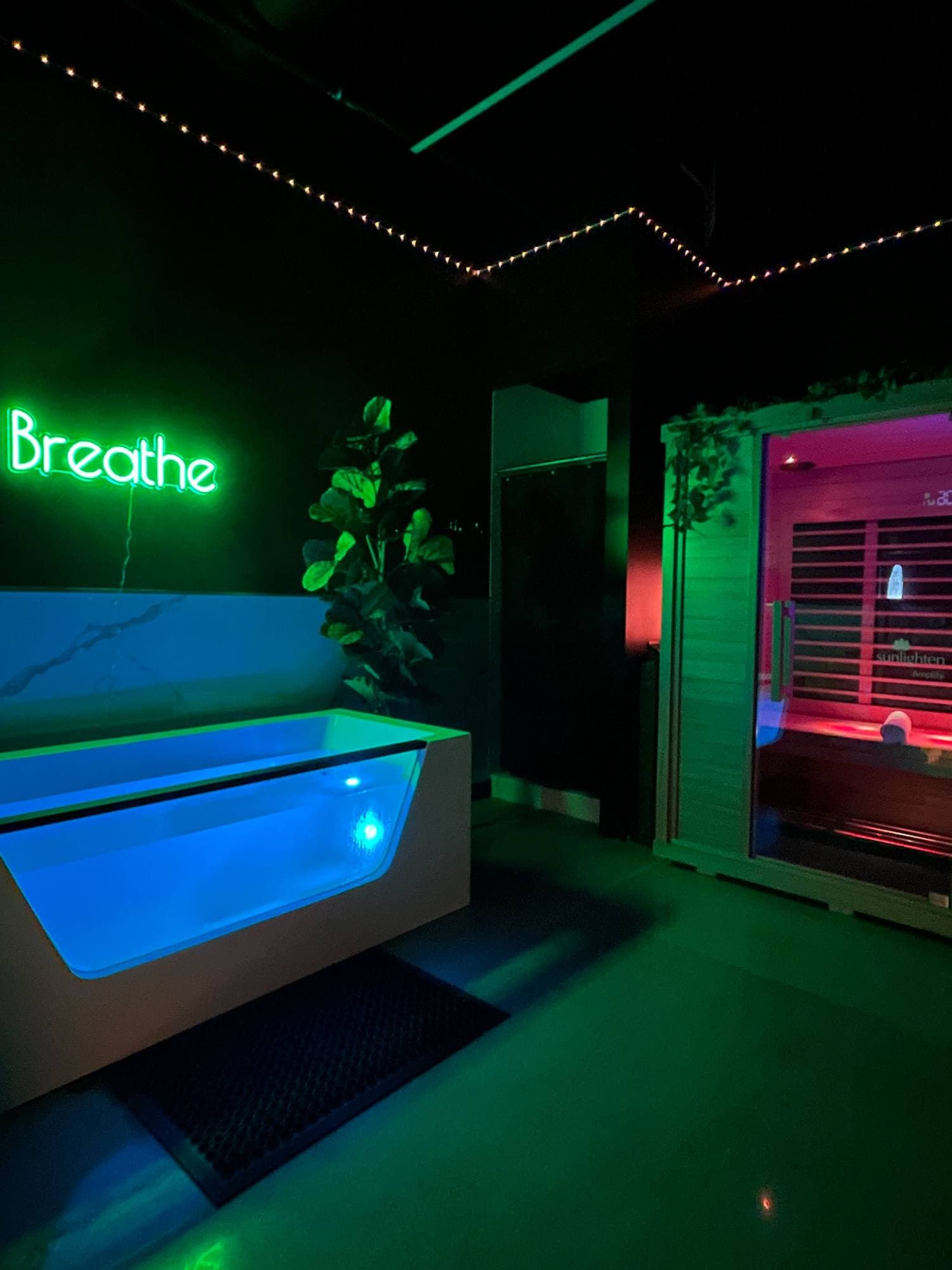
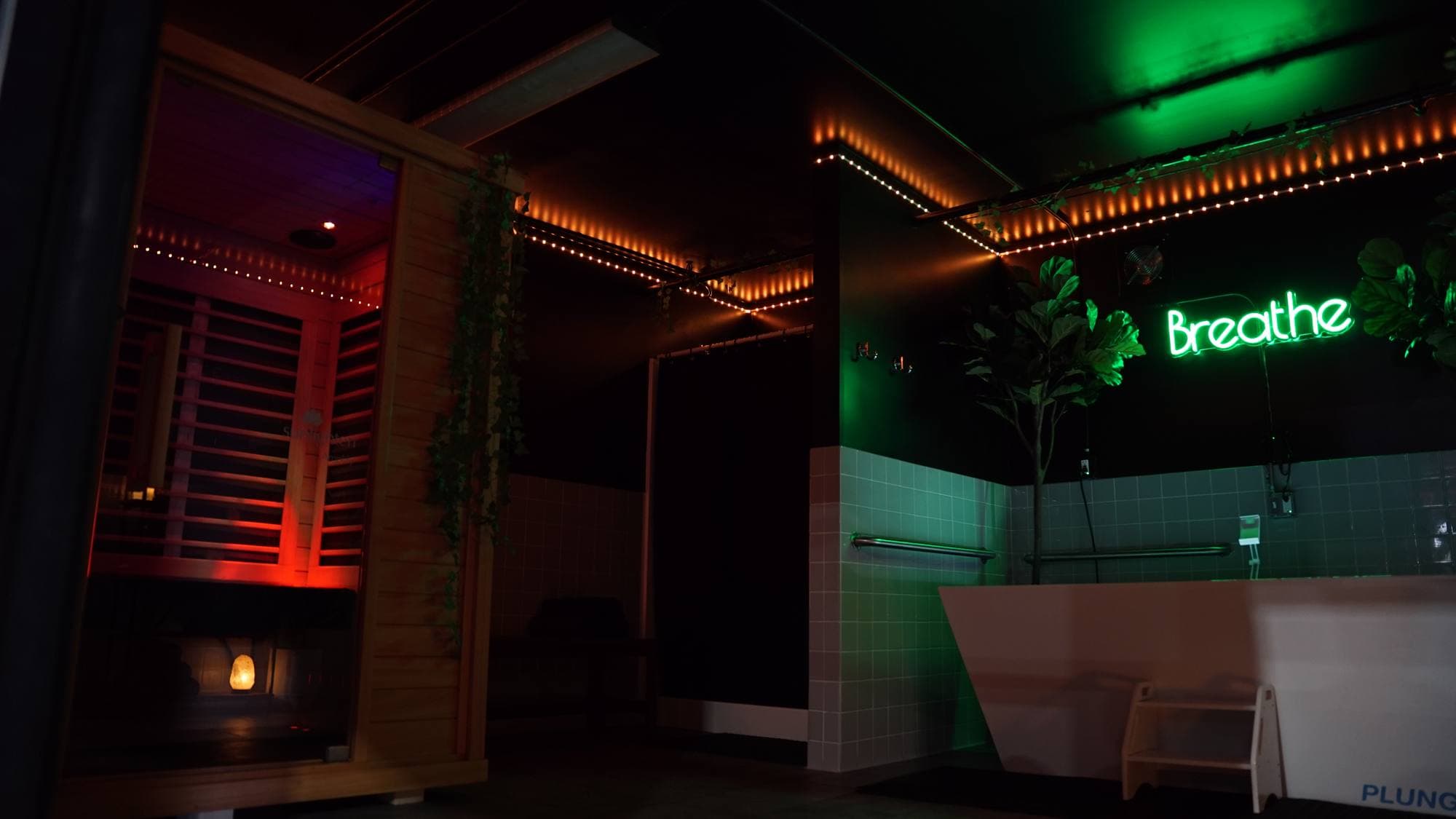
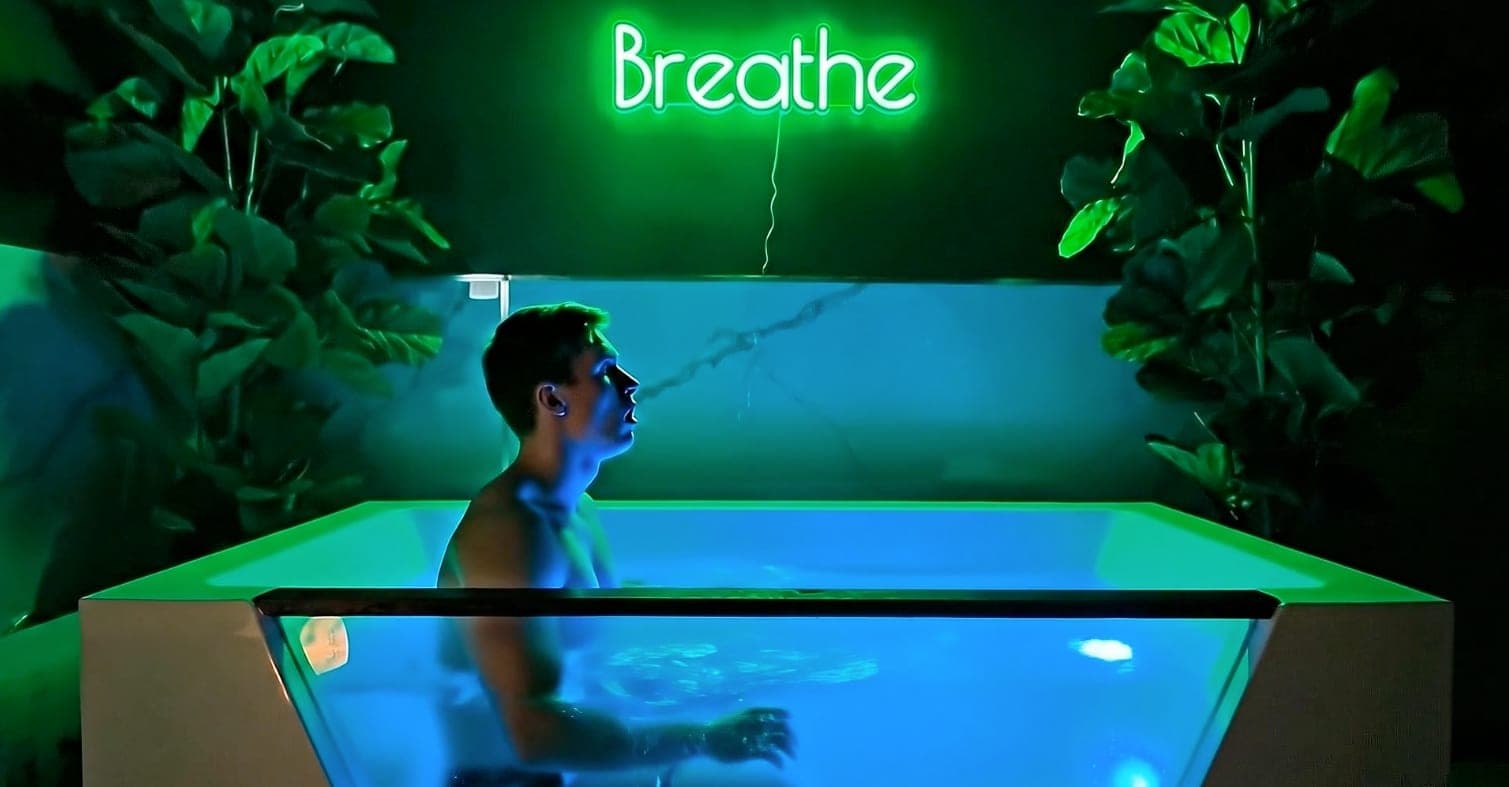
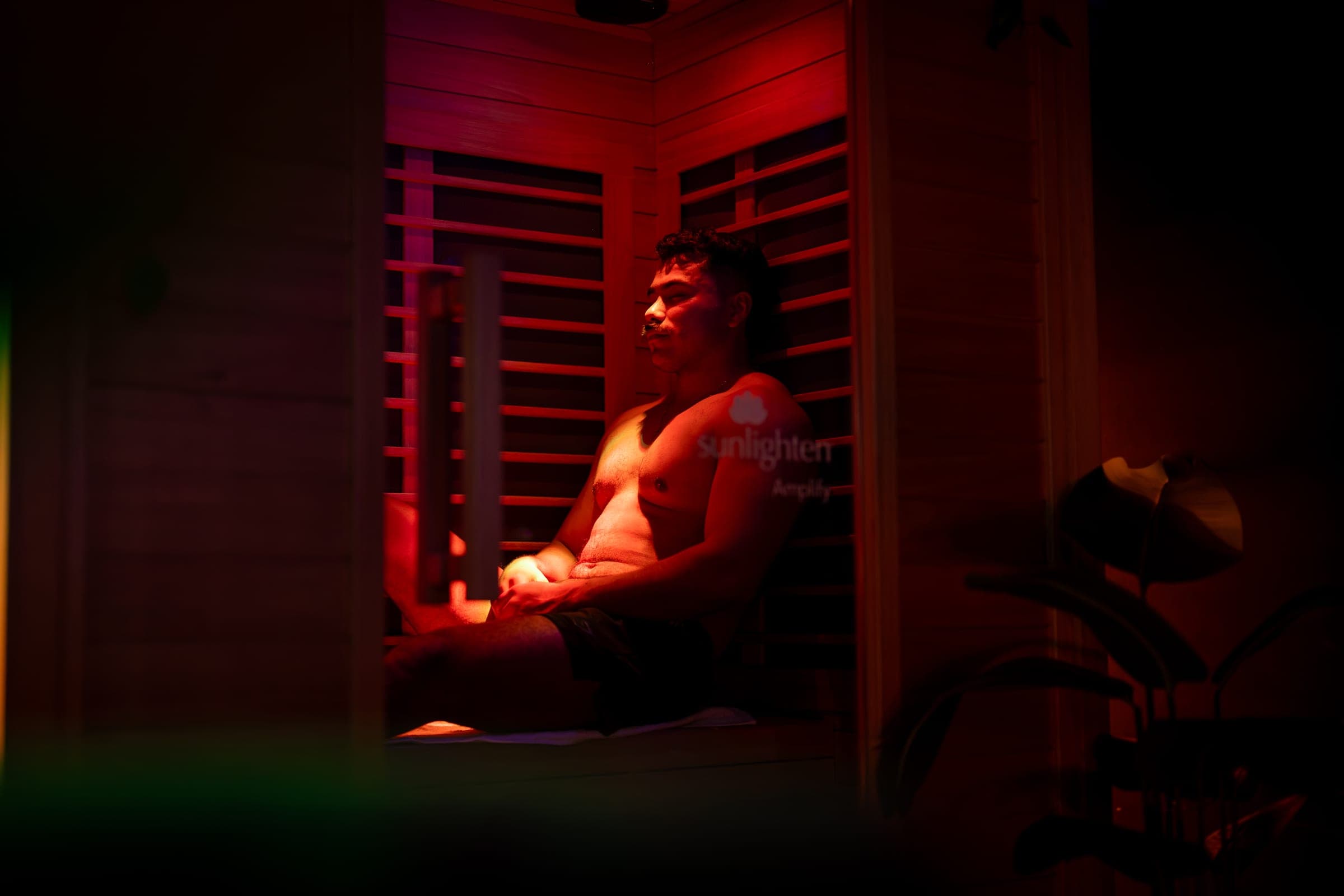
Some athletes want more control over timing, pace, and how long they stay in each phase. In that case, a private session can make things easier. Conscious Body Recovery in San Diego offers private infrared sauna and cold plunge sessions in a calm, self-serve setting. That kind of setup can make it easier to control pace, temperature, and rewarming without distractions.
Match Recovery to the Workout and Check In Before the Next Hard Session
Once your overall training load is in a good place, the next step is simple: match recovery to the stress you just created.
That matters because not every workout beats up the body in the same way. A hard lifting session is different from intervals. A long run in the heat is different from a race. So the goal isn't to wipe out every bit of soreness. It's to recover enough that you can perform well the next time.
The basics still do most of the work: sleep, food, fluids, and light movement. From there, use the matrix below to pick the smallest recovery dose that fixes the main issue from that session.
Exercise-to-Recovery Matrix
| Exercise Type | Main Recovery Challenge | First-Line Priorities | When Contrast Therapy May Help | Signs Extra Recovery Is Needed |
|---|---|---|---|---|
| Strength training | Muscle damage, soreness, nervous-system fatigue | Protein, calories, fluids, sleep; about 48 hours before hard work for the same muscles. | When soreness relief may help after a demanding session | Declining strength, persistent severe soreness, joint pain, poor sleep, or inability to maintain normal technique |
| High-intensity intervals | High metabolic, cardiovascular, and neuromuscular stress | Carbohydrates, fluids, sleep, low-intensity movement | When sessions are close together and you need to feel ready sooner | Elevated effort at normal workloads, poor coordination, irritability, or repeated performance drops |
| Long-duration endurance | Glycogen depletion, fluid and electrolyte loss, whole-body fatigue | Rehydrate, replace carbs and electrolytes, eat protein, sleep | After exceptionally long or competition-like efforts, once stable and well hydrated | Persistent exhaustion, dark urine, poor appetite, dizziness, or inability to complete easy training |
| Training in heat | Dehydration, electrolyte loss, elevated thermal strain | Cool down first, then rehydrate and replace electrolytes | Only after the body has cooled and hydration is restored - not as a substitute for heat-illness evaluation | Headache, nausea, confusion, faintness, chills, or symptoms that do not improve with cooling |
| Races or unusually hard sessions | Combined muscular, metabolic, and psychological stress | Full nutrition, rehydration, sleep, light movement, planned rest day | Optional and conservative when the schedule is congested; expectations should remain modest | Persistent pain, disrupted sleep, poor mood, reduced coordination, or performance below normal |
Use contrast therapy only when you have a clear short-term goal. Research reviews describe its effects on soreness and muscle function as variable and modest at best.
A Simple Recovery Sequence to Follow After Every Session
Start with a quick reality check. How did the session actually feel? Look at the duration, intensity, heat exposure, any unusual soreness, and how hard it felt compared with your normal sessions. That gives you the context you need.
Replace fluids and energy first. Drink to thirst and account for sweat losses. After prolonged or high-intensity work, pair carbohydrates with protein to restore glycogen and support muscle repair. Then focus on sleep that night. If you feel stiff, light movement - like an easy walk or gentle mobility work - can help, but only if it doesn't add more fatigue.
Contrast therapy should come later, and only if it serves a specific short-term purpose. Keep it conservative. Stop right away if you feel dizzy, have chest discomfort, notice numbness, or just feel unwell.
Before your next hard session, check four things against your normal baseline: sleep, soreness, energy, and mood. If all four are off, skip the hard session. If things keep trending in the wrong direction for several days, that's your cue to back off.
FAQs
How do I know if I’m under-recovered?
Common signs of being under-recovered include:
- Muscle soreness or stiffness that lasts more than 48 hours after a workout
- Fatigue that doesn’t improve with rest
- Mental exhaustion even when you’re getting enough sleep
- Lower performance or trouble bouncing back after exercise
Writing these patterns down in a log can make a big difference. Over time, it helps you spot when your current recovery routine isn’t doing the job anymore.
When should I skip my next hard workout?
Scale back your next hard workout, or skip it, if soreness sticks around for more than 48 hours, fatigue hangs on even after rest, or you’re still struggling to recover from your last session.
If you’re training for muscle growth or strength, it’s also smart to avoid cold exposure right after a workout. It may reduce the inflammatory response your body uses to adapt. In that case, rest or lighter movement makes more sense.
Above all, listen to your body.
Is contrast therapy worth using after every workout?
It depends on your fitness goals.
For muscle growth or strength, skip cold exposure right after resistance training. It can dull the inflammatory signals your body uses for repair and hypertrophy. In that case, wait 4 to 6 hours before doing it, or save it for a rest day.
If your goal is faster recovery, less soreness, or feeling ready for back-to-back sessions, cold exposure can work well after exercise. For the best results, use it 2 to 3 times per week instead of every day. Also, start only after your heart rate has returned to normal and you’ve rehydrated.