Quick answer
- Contrast therapy alternates between heat (like saunas) and cold (ice baths or plunges) to boost recovery by improving blood flow, reducing inflammation, and enhancing mental focus.
- Physical Benefits: Speeds muscle recovery, reduces inflammation, and supports heart health.
- Mental Benefits: Increases dopamine (up to 300%) and norepinephrine (up to 530%), boosting mood and focus.
In this article · 7 sections
Contrast therapy alternates between heat (like saunas) and cold (ice baths or plunges) to boost recovery by improving blood flow, reducing inflammation, and enhancing mental focus. It's now popular beyond athletes, with benefits like better cardiovascular health, reduced soreness, and improved stress management. Regular sessions can also elevate mood, improve sleep, and lower sickness-related absences.
Key Highlights:
- Physical Benefits: Speeds muscle recovery, reduces inflammation, and supports heart health.
- Mental Benefits: Increases dopamine (up to 300%) and norepinephrine (up to 530%), boosting mood and focus.
- How It Works: Alternating heat and cold creates a "vascular pump", flushing waste and delivering oxygen to tissues.
- Best Practices: Sessions last 20 to 30 minutes with a 4:1 heat-to-cold ratio, repeated 4 to 6 times. Hydration and optimal timing post-exercise are important.
- Safety Tips: Consult a doctor if you have health conditions, and ensure proper preparation (hydration, hygiene, etc.).
For a private, tailored experience, Conscious Body Recovery offers premium suites with saunas, cold plunges, and added amenities like warmed towels and aromatherapy. Memberships start at $199/month, with discounts for first-time users.
Whether you're managing stress or recovering from workouts, contrast therapy offers a practical way to support physical and mental health.
Benefits of Contrast Therapy for Recovery
Physical Benefits
Contrast therapy works wonders for recovery by clearing out metabolic waste, delivering fresh oxygen to muscles, and reducing soreness. It can even help maintain muscle strength for up to 96 hours after exercise.
Heat exposure activates HSP70 proteins, which repair damaged proteins and bolster the immune system. On the flip side, cold immersion minimizes muscle damage and inflammation while activating brown fat, which helps the body manage glucose more effectively.
Regular sauna use has some impressive health perks too. Studies show it can lower the risk of sudden cardiac death by 63% and reduce all-cause mortality by 40%. Meanwhile, cold exposure stimulates the vagus nerve, which improves heart rate variability - a key marker of cardiovascular health.
But the benefits of contrast therapy don’t stop at the physical level - it also has a big impact on mental and emotional well-being.
Mental and Emotional Benefits
Heat exposure helps boost serotonin levels, while cold immersion ramps up dopamine by 250% to 300% and norepinephrine by as much as 530%. These changes improve mood, motivation, and focus.
"Your body learns to move rapidly from stress to calm. Repeated practice builds what researchers call 'vagal flexibility' - a measurable improvement in your body's ability to regulate its own stress response." - Daniel Pietruszewski, Optimum Health
Cold plunges encourage deep, controlled breathing and sharpen mental focus. Infrared saunas, on the other hand, lower cortisol by 30% and increase melatonin production, leading to better sleep. Together, these benefits foster a sense of calm and recovery, helping you bounce back faster from both physical training and daily stress.
Specific Benefits of Infrared Saunas and Cold Plunges
Infrared saunas and cold plunges each bring unique advantages to the recovery process, and they work even better when combined.
Infrared saunas operate at a comfortable 110 to 150°F, allowing for longer sessions that promote detoxification and cellular repair.
Cold plunges, which transfer heat 25 times faster than air, trigger vasoconstriction. This reduces swelling, boosts neurotransmitter levels, and has even been shown to decrease sickness-related absences by 29%.
Using these two methods together creates a powerful synergy that enhances endothelial function, improving the health of blood vessels more effectively than using heat or cold alone.
How Contrast Therapy Works
How Heat Therapy Works
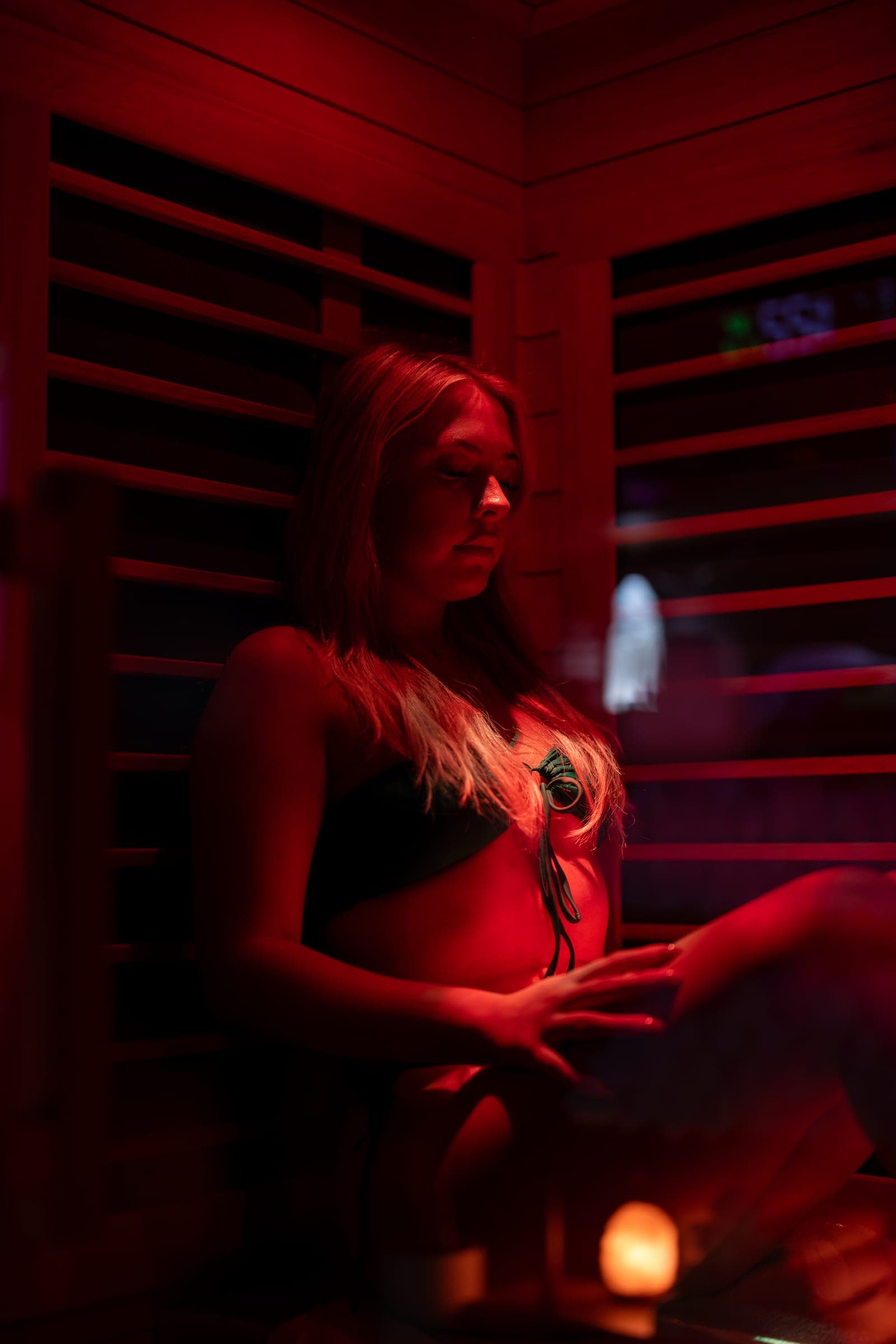
Infrared saunas cause vasodilation, which increases blood flow to muscles and skin while pushing the heart rate to about 100 to 150 beats per minute - similar to what you'd experience during moderate aerobic exercise. Heat exposure also activates Heat Shock Proteins (HSPs), which play a key role in repairing damaged proteins and protecting cells under stress. Together, these effects contribute to cell repair and detoxification, as mentioned earlier.
How Cold Therapy Works
Cold immersion triggers vasoconstriction, narrowing blood vessels and directing blood flow toward vital organs, which helps reduce swelling and inflammation. Since water pulls heat from the body 25 times faster than air, cold plunges are far more physiologically intense than cryotherapy chambers.
Immersing in water around 57°F (14°C) can increase plasma norepinephrine levels by 530% and dopamine levels by 250%. These neurotransmitter boosts sharpen mental focus, elevate mood, and promote mitochondrial biogenesis - essentially creating new mitochondria, the powerhouses of cells, especially in brown fat. These processes lay the groundwork for the benefits seen when alternating between hot and cold treatments.
What Happens When You Alternate Hot and Cold
Switching between heat and cold creates what’s often referred to as a "vascular pump." This mechanism moves blood and lymph through tissues efficiently, flushing out metabolic waste like lactate and delivering fresh, oxygen-rich blood to muscles in recovery.
"This alternating expansion and contraction of the vascular system is sometimes called the 'vascular pump.'" - Daniel Pietruszewski, Optimum Health
A study conducted in February 2026 at St. Mary's University revealed that contrast therapy helped maintain a lower body temperature (37.9°C compared to 39.0°C), resulted in a lower final heart rate (105 bpm vs. 151 bpm), and provided greater thermal comfort compared to sessions using heat alone. Alternating hot and cold also trains the nervous system to transition smoothly between sympathetic (fight-or-flight) and parasympathetic (rest-and-digest) states. This improves vagal tone and heart rate variability - key markers of stress resilience and cardiovascular health in modern recovery practices.
Best Practices for Contrast Therapy
How to Structure a Session
To make the most of contrast therapy's benefits, aim for a session lasting 20 to 30 minutes, using a 4:1 hot-to-cold ratio. This means spending 3 to 5 minutes in heat - like an infrared sauna set at 150 to 175°F - followed by 45 to 60 seconds in cold water at 50 to 59°F. Repeat this cycle 4 to 6 times to activate the vascular pump, which helps flush out waste and deliver oxygen to tissues.
When deciding how to end your session, consider your goals and the time of day. Wrapping up with cold exposure is ideal for daytime or post-training sessions since it enhances alertness and reduces inflammation. On the other hand, finishing with heat can help you wind down, making it better suited for evening routines or pre-sleep relaxation. Between each transition, take 2 to 3 minutes to walk or practice light breathing exercises to stabilize your heart rate.
Here’s a quick guide to structure your session based on experience level:
| Experience Level | Sauna (150 to 175°F) | Cold Plunge (50 to 59°F) | Cycles | Total Time |
|---|---|---|---|---|
| Beginner | 10 to 12 minutes | 1 to 2 minutes | 1 to 2 | ~25 minutes |
| Intermediate | 12 to 15 minutes | 2 to 3 minutes | 2 to 3 | 25 to 55 minutes |
| Advanced | 15 to 20 minutes | 3 to 5 minutes | 3 to 5 | ~55 minutes |
Getting Started with Contrast Therapy
If you're new to contrast therapy, ease into it with 2 to 3 sessions per week. Start with shorter cycles and gradually increase cold exposure by 10 to 15 seconds each week. Most people adapt within two weeks and can then progress to intermediate levels.
For optimal recovery, schedule your session 1 to 2 hours after exercise. However, if you've just done strength training, wait 4 to 6 hours to avoid interfering with muscle-building processes.
Hydration is key. Drink 16 to 20 ounces of water about 30 minutes before your session and another 20 to 30 ounces afterward. Also, avoid starting a session within 30 minutes of a large meal or within three hours of drinking alcohol.
By following these steps, you’ll safely build tolerance and prepare yourself for more advanced protocols.
Safety Guidelines and Precautions
While contrast therapy is generally safe, it’s essential to take precautions. If you have heart disease, uncontrolled high blood pressure, Raynaud’s phenomenon, or are pregnant, consult a healthcare provider before starting. Beginners should consider having someone nearby or avoid practicing alone until they’re comfortable with the temperature shifts.
Before beginning, rinse off to remove body oils or lotions. This helps maintain hygiene and water quality. Also, ensure a clear, non-slip path between the sauna and cold plunge to prevent accidents during transitions. When exposed to cold, focus on slow, controlled breathing - around 6 to 8 breaths per minute - to manage the initial shock.
Here’s a handy checklist to help you prepare:
| Preparation Step | Recommendation |
|---|---|
| Hydration | Drink 16 to 20 oz of water 30 minutes before |
| Hygiene | Rinse off and tie up hair |
| Workout Gap | Wait 4 to 6 hours after strength training |
| Alcohol/Food | Avoid 3 hours (alcohol) or 30 minutes (large meal) |
Private Contrast Therapy Sessions at Conscious Body Recovery
What Sets Conscious Body Recovery Apart
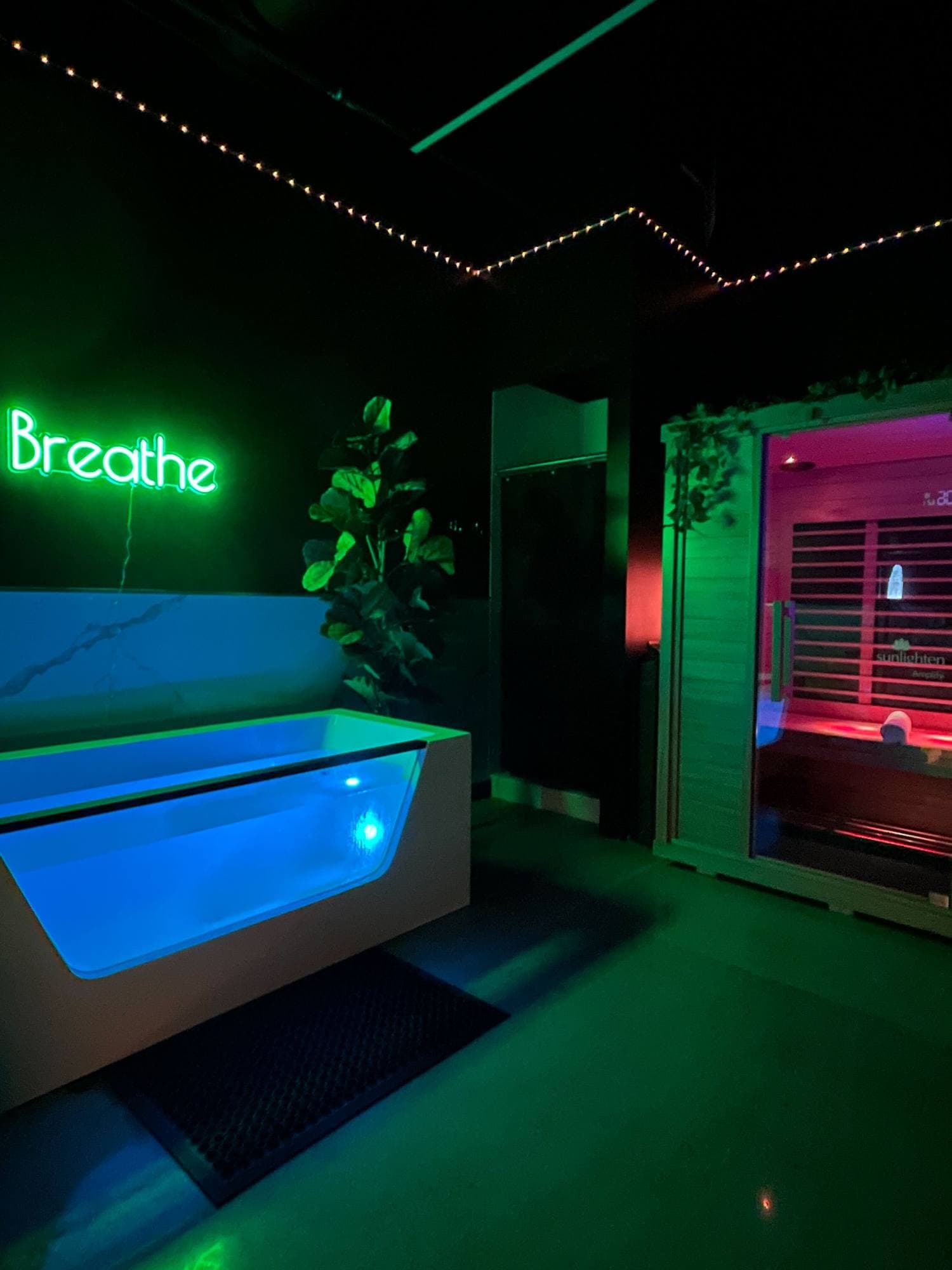
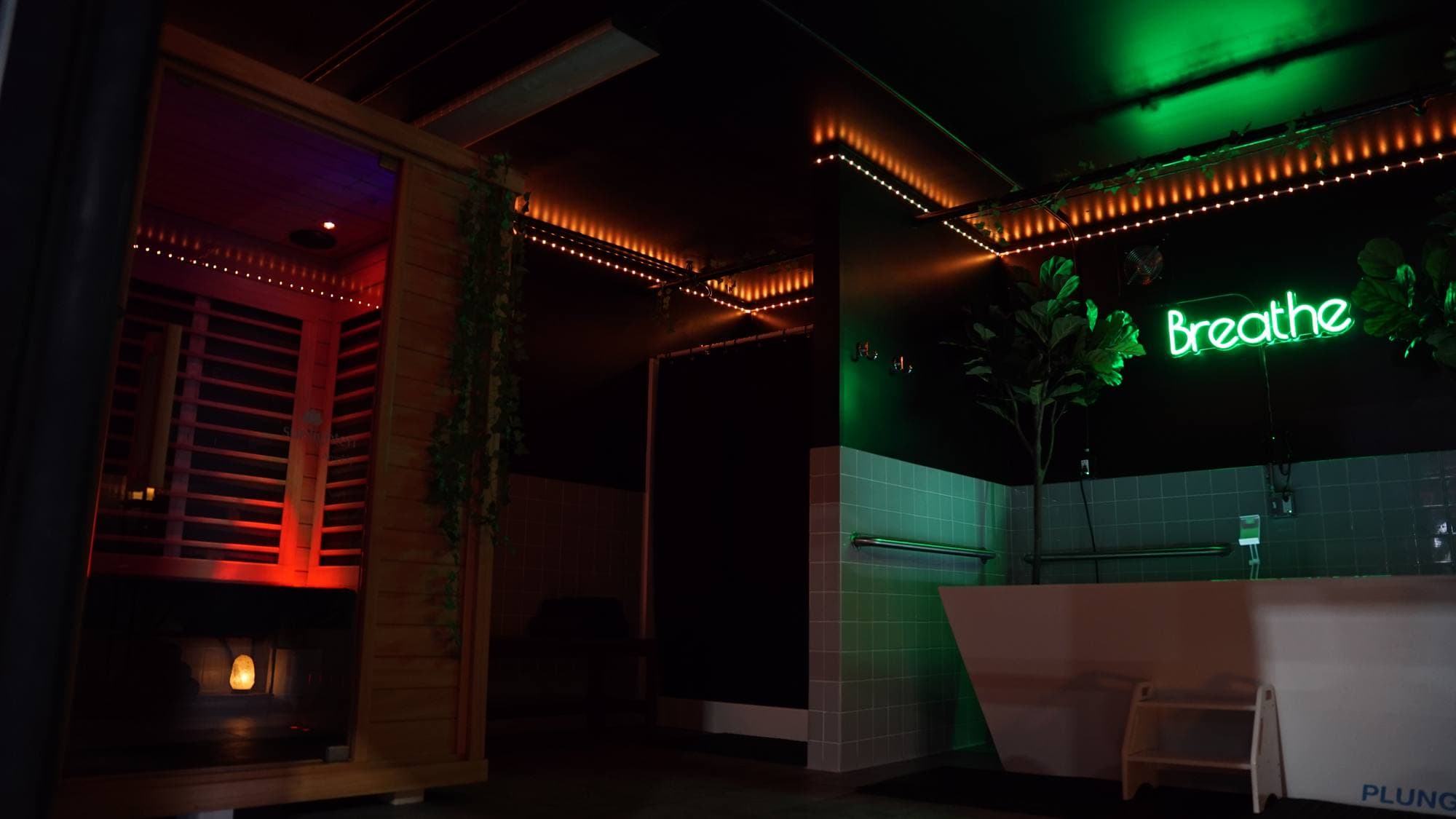
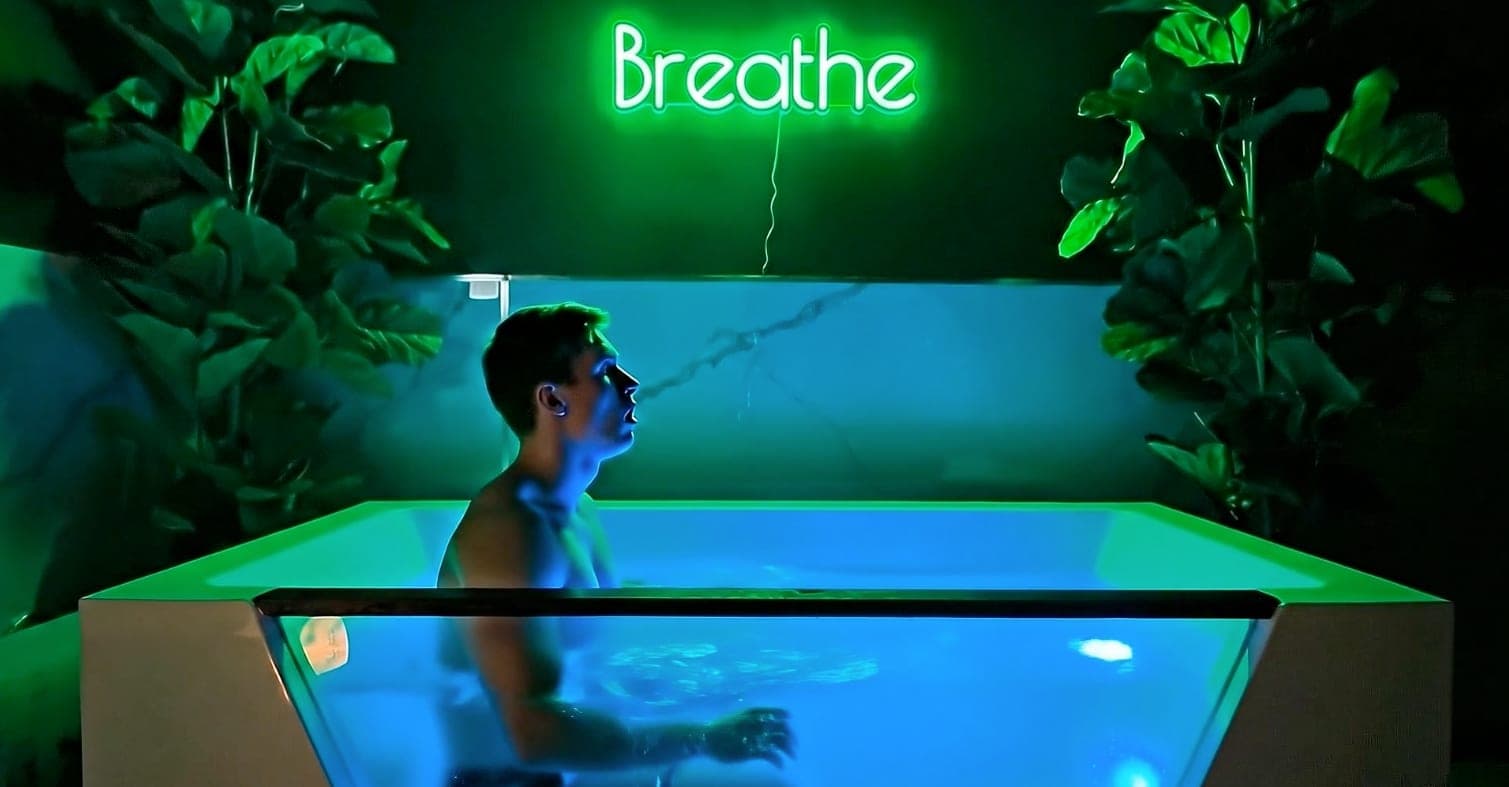
If you're looking for a more personalized approach to contrast therapy, Conscious Body Recovery offers private sessions tailored to your needs. What makes it stand out? Each session takes place in a completely private suite, equipped with an infrared sauna and cold plunge tub, and a private shower. This means your experience is entirely your own, with no interruptions.
You can visit their locations in San Diego's Point Loma (inside the Self Made Training Facility) or in Temecula's Wine Country at the SMTF Headquarters. Both locations offer free parking, making your visit hassle-free. The facility operates on a self-serve model, so there's no check-in process - giving you total control over your schedule. Each session includes thoughtful touches like warmed towels, filtered water, and adjustable aromatherapy options.
Most memberships even allow you to bring guests at no extra charge, while single-session users can bring a guest for just $20. As Marcus T., a tech executive, shared:
"The ambiance is perfect - feels like a luxury spa experience. Highly recommend!"
These features create a truly exclusive and customizable recovery experience.
Services and Pricing Options
Conscious Body Recovery offers flexible session lengths and pricing to suit your recovery goals. Choose from:
- 25 minutes: Ideal for a quick reset of your nervous system.
- 55 minutes: Provides deeper recovery benefits. This duration is particularly effective for reducing inflammation and accelerating tissue repair.
- 85 minutes: Designed for the most comprehensive therapeutic experience.
First-time visitors can enjoy 50% off their initial session.
| Membership | Monthly Price | Session Length | Guest Passes | Ideal For |
|---|---|---|---|---|
| Silver Unlimited | $199 | 25 Minutes | 1 Guest | Quick daily resets |
| Gold Unlimited | $299 | 55 Minutes | 1 Guest | Extended recovery & couples |
For new members, there's a special introductory offer - 75% off your first month - bringing the price down to just $49.75. Alex & Jamie K., members since 2023, shared their experience:
"The Gold membership is perfect for me and my partner. We come together 4-5 times a week and it's become our favorite ritual."
For professional athletes or those seeking premium services, the Diamond membership includes longer sessions, VIP booking priority, and wellness consultations.
How to Book a Session
Booking is simple. Schedule your session directly through the Conscious Body Recovery website or the Mindbody App. Keep in mind that walk-ins aren't guaranteed.
When visiting:
- San Diego location: Use the rear parking lot behind the Self Made building.
- Temecula location: Park in the marked guest area at the front entrance.
With glowing reviews - 5.0/5 on Google (200+ reviews), 5.0/5 on ClassPass (60+ reviews), and 4.9/5 on Yelp (200+ reviews) - it's clear that this facility is highly regarded for its luxury experience and effective recovery methods.
For questions, reach out via email at wellness@consciousbodyrecovery.com or call 305-2226.
Conclusion
Contrast therapy delivers a range of physical and mental perks. By alternating between heat (160 to 180°F) and cold (50 to 59°F), you essentially give your vascular system a workout. This process helps flush out metabolic waste, eases muscle soreness, and accelerates recovery after tough workouts. On top of that, regular sessions can sharpen focus, lift your mood, and strengthen both your immune and cardiovascular systems.
To truly benefit, consistency is crucial. Studies suggest that 2 to 3 sessions per week are ideal for general wellness, while athletes often see better results with 4 to 5 sessions. For the best outcomes, stick to a structured plan like the one outlined in the Best Practices section. Following cold plunge safety tips is also essential for a safe experience.
Making this a part of your routine is easier with the right setup. Conscious Body Recovery offers a seamless way to try contrast therapy. Their private San Diego suites provide a tailored experience, complete with cold plunges and infrared saunas, warmed towels, and aromatherapy. Flexible pricing options - like a quick 25-minute session at $199/month or a more extensive 55-minute session at $299/month - make it accessible for various needs and schedules.
Whether you're looking to manage stress, recover from intense training, or simply boost your overall wellness, contrast therapy can help. Start with shorter sessions, drink plenty of water (16 to 20 oz before and 20 to 30 oz after), and gradually build your tolerance.
FAQs
What’s the ideal hot and cold temperature for contrast therapy?
The ideal temperature for contrast therapy usually falls between 100 to 104°F for hot sessions and 50 to 60°F for cold sessions. These temperature ranges are intended to help with recovery by improving circulation, easing inflammation, and supporting muscle repair. If you're uncertain about what temperatures are best for you, it's a good idea to consult a professional.
Who should avoid contrast therapy or consult a doctor first?
People dealing with cardiovascular or neurological conditions, those who are pregnant, or individuals with open wounds or skin infections should steer clear of contrast therapy unless they've consulted a healthcare professional. Your safety comes first, so if you're uncertain about whether this therapy is right for you, make sure to get medical advice beforehand.
How soon after a workout should I do contrast therapy for best results?
For the best outcomes, give your body 4 to 6 hours after your workout before beginning contrast therapy. This waiting period allows the necessary inflammation for muscle repair to take place before starting recovery treatments.