
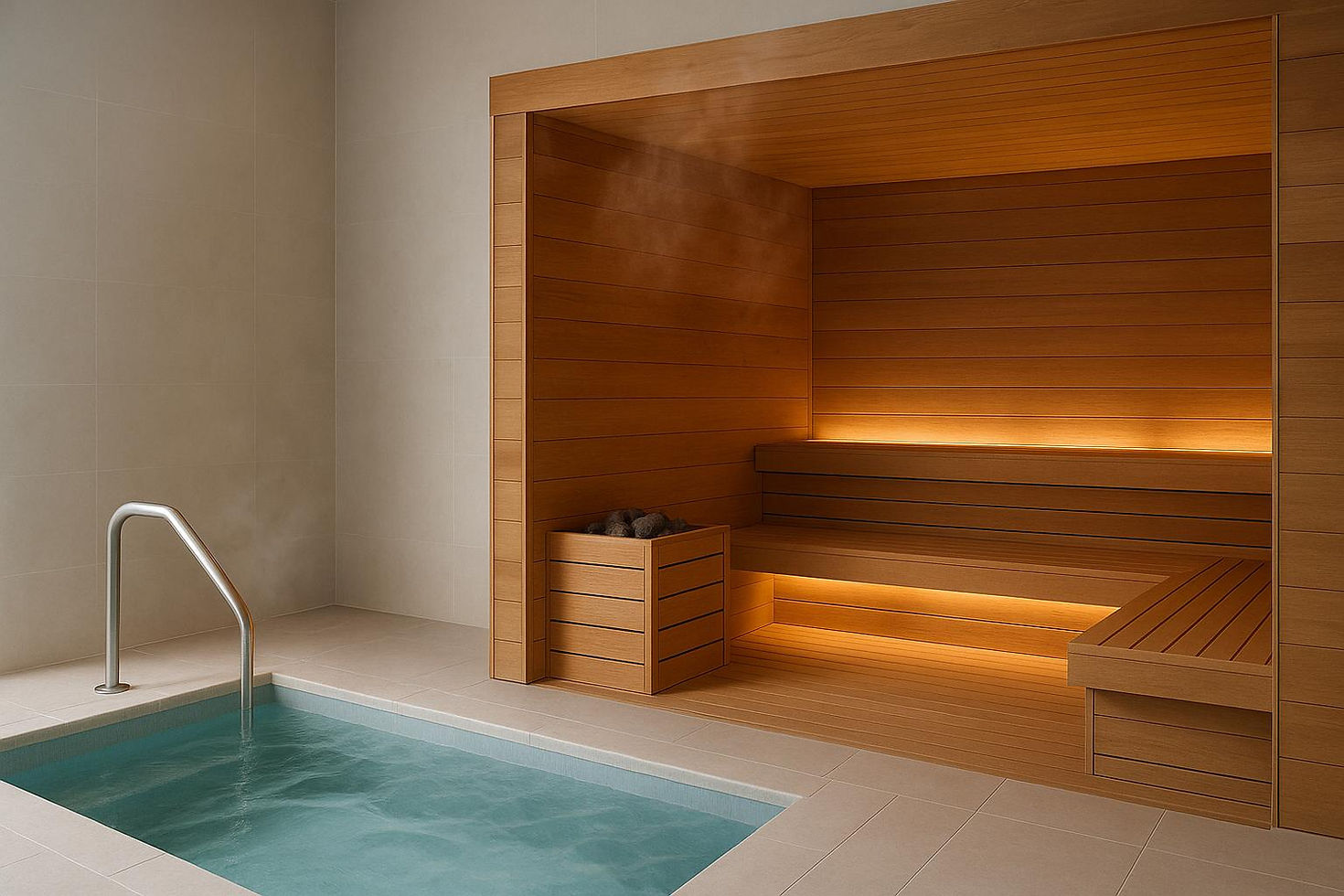
Complete Guide to Sauna and Cold Plunge Protocols

Updated: Dec 23, 2025
In the pursuit of holistic health, the combination of sauna and cold plunge therapy has gained immense traction among wellness enthusiasts, athletes, and mindfulness practitioners. This transformative contrast therapy not only boosts resilience but also promotes physical recovery, mental clarity, and emotional balance. In the vibrant discussion between David Moss Jr. and Brian Puit, filmed at the serene Zen Den, the duo delves deep into their innovative approaches to contrast therapy. They challenge rigid routines, emphasize personalization, and explore the profound effects of intentional practices.
Whether you're a seasoned practitioner or a curious beginner, this guide unpacks the wisdom from their conversation, providing actionable insights to help you incorporate contrast therapy into your wellness journey.
Why Contrast Therapy?
Contrast therapy involves alternating between hot (sauna) and cold (cold plunge) environments, intentionally introducing controlled stress to the body. This practice has been embraced for its wide array of benefits:
Improved Circulation: Cycling between heat and cold stimulates blood flow, promoting oxygenation and detoxification.
Enhanced Recovery: Athletes use contrast therapy to reduce inflammation and accelerate muscle recovery.
Boosted Resilience: Exposure to extreme temperatures trains the body and mind to adapt to stress.
Better Sleep: Sauna sessions, especially when ending with heat, promote relaxation and deeper sleep cycles.
Mental and Emotional Clarity: The meditative nature of breathwork during plunges fosters mindfulness and stress relief.
According to Brian and David, the key to effective contrast therapy lies in adapting the practice to your individual preferences and goals.
Designing Your Contrast Therapy Routine
While there’s no one-size-fits-all approach, the duo shares their personalized protocols and experiences to help you create a plan that works for your lifestyle.
1. Cold Plunge: Finding Your Ideal Temperature
Cold plunging is a cornerstone of contrast therapy, but the optimal temperature varies for everyone:
David sets his plunge at 48°F, while Brian prefers 46°F. They agree that anything under 50°F provides most of the benefits.
Beginners can start with temperatures around 65°F to acclimate gradually.
Experiment with duration; even 30 seconds to 2 minutes can be effective.
What’s important is consistency over perfection. If you’re unable to access a cold plunge, starting with cold showers is a great way to build tolerance.
2. Sauna: Heat and Intention
The sauna provides a sanctuary for relaxation, recovery, and reflection:
Morning Routine: A quick 10-minute session in mild heat (around 175°F) helps set intentions for the day, supported by breathwork or prayer.
Evening Routine: For optimal sleep, Brian recommends ending the day with a sauna session at higher temperatures (210–220°F), followed by a rinse. This primes the body for natural cooling, inducing restorative sleep.
Enhance the experience by incorporating mindfulness practices or stretching in the sauna.
3. Contrast Cycles for Different Goals
The order and frequency of sauna and cold plunges depend on your wellness objectives:
Morning Energy Boost: Start with a cold plunge, followed by a sauna, and finish with another cold plunge for an invigorating start.
Evening Relaxation: Alternate between sauna and cold plunge, but always end with heat to promote relaxation and deeper sleep.
Targeted Recovery: For athletic recovery, the duo suggests repeating 3 cycles of sauna and cold plunge to optimize circulation and inflammation reduction.
Ultimately, listen to your body and adjust the sequence to suit your needs.
The Role of Breathwork
Breathwork emerges as a transformative aspect of contrast therapy. Brian highlights its meditative power during cold plunges, explaining how mindful breathing shifts focus away from the cold and into the body’s natural rhythm.
Control the Response: Slow, intentional breaths help signal to your body that it’s safe, reducing panic and making the experience more manageable.
Calm the Mind: Treating the plunge as a form of meditation fosters mental clarity and enhances resilience.
Starting Small: Begin with 10 slow breaths during your plunge and build from there.
David admits he’s still exploring the depths of breathwork and is eager to learn more, encouraging others to integrate this practice for its physical and mental benefits.
Key Insights from the Zen Den
Here are some valuable lessons from their discussion that can amplify your contrast therapy journey:
1. Personalization is Key
Everyone’s body reacts differently to temperature extremes. David and Brian encourage experimentation to find the temperature and duration that work best for you.
2. Consistency Over Perfection
Don’t stress over rigid rules or "ideal" setups. Whether you have 5 minutes or an hour, consistency in practice yields long-term benefits.
3. Community Elevates the Experience
Both practitioners emphasize the power of shared wellness experiences. Whether inviting friends or introducing children to the practice, contrast therapy can strengthen bonds and promote generational health habits.
4. Start Slow and Ramp Up
For beginners, it’s crucial to ease into the practice. Overexertion, especially in extreme environments, can lead to dizziness or discomfort. Always prioritize safety and listen to your body.
5. Embrace the Meditative Aspect
Contrast therapy isn’t just physical; it’s an opportunity to connect with yourself, enhance mindfulness, and find stillness amidst life’s busyness.
Key Takeaways
Cold Plunge Basics: Start with temperatures around 65°F and gradually work toward colder settings (below 50°F) for 1–3 minutes per session.
Sauna Insights: Aim for 10–20 minutes in the sauna, adjusting temperature based on time availability and goals. Ending with heat promotes sleep.
Contrast Patterns: Alternate between sauna and cold plunge, tailoring cycles to your energy level and time of day.
Breathwork: Incorporate mindful breathing to ease discomfort, shift focus, and enhance the meditative benefits of the practice.
Community and Connection: Invite others into your wellness rituals to share the benefits and deepen relationships.
Safety First: Always listen to your body, avoid overexertion, and never practice alone when trying extreme hot or cold therapy.
Consistency Wins: A sustainable, flexible routine is more impactful than strict adherence to arbitrary rules.
Conclusion
Sauna and cold plunge protocols represent a gateway to holistic well-being, bridging the gap between physical recovery and mental resilience. From the wisdom shared by David and Brian, it’s evident that contrast therapy is about much more than temperature extremes - it’s a practice of intentionality, growth, and connection.
By tuning into your body, experimenting with routines, and integrating mindfulness, you can unlock the transformative potential of contrast therapy. Whether you’re seeking improved recovery, better sleep, or a sharper mind, this practice offers a sustainable path to wellness.
Step into the heat, dive into the cold, and let the journey toward holistic balance begin.
Source: "Sauna + Cold Plunge + Friends = ULTIMATE LIFE HACK" - David Maus Jr, YouTube, Oct 1, 2025 - https://www.youtube.com/watch?v=0CBHnQbzIw0


Comments