
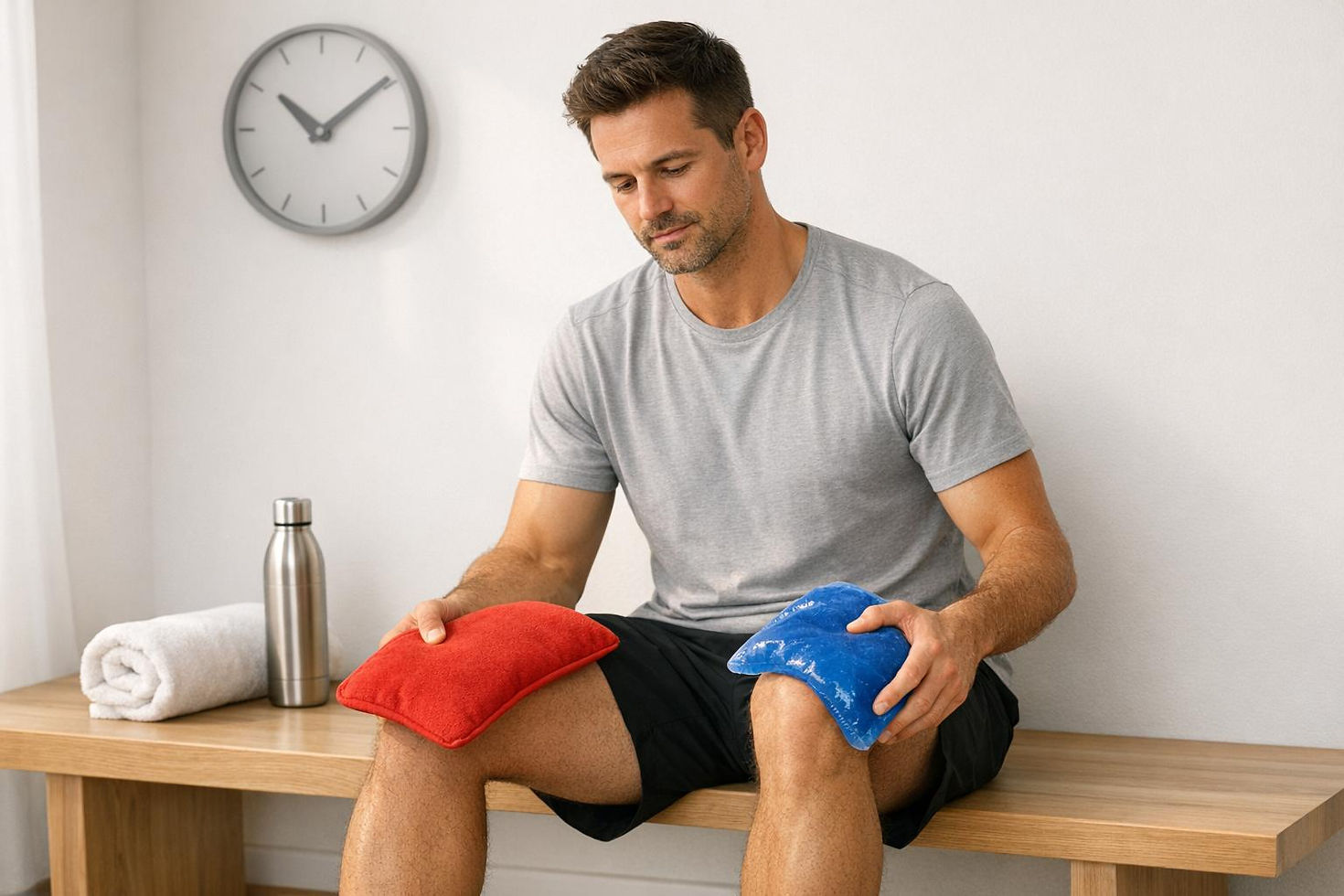
Heat Therapy vs. Cold Therapy for Recovery
- Patrick Frank

- 2 hours ago
- 10 min read
When deciding between heat and cold therapy for recovery, the choice depends on your specific needs and timing:
Heat therapy improves blood flow, relaxes muscles, and reduces stiffness. It's best for chronic pain, tight muscles, or preparing for stretching. Avoid using it on recent injuries to prevent worsening swelling.
Cold therapy reduces swelling, inflammation, and pain by narrowing blood vessels and numbing the area. It's ideal for acute injuries or immediately after intense workouts but may hinder muscle growth if used right after strength training.
Contrast therapy alternates between heat and cold to boost circulation and flush out waste. It's effective for general soreness or fatigue and works best with optimal contrast therapy timing within an hour of exercising.
Quick Comparison
Factor | Heat Therapy | Cold Therapy | Contrast Therapy |
Mechanism | Expands blood vessels (vasodilation) | Narrows blood vessels (vasoconstriction) | Alternates between vasodilation and vasoconstriction |
Best For | Chronic stiffness, tight muscles | Acute injuries, swelling, pain relief | General soreness, fatigue |
When to Use | 48+ hours after injury or pre-stretch | Within 24–72 hours post-injury/workout | Within an hour post-exercise |
Key Benefit | Loosens muscles, improves flexibility | Reduces inflammation, numbs pain | Boosts circulation, clears waste |
Choose heat for relaxation and flexibility, cold for swelling and pain, or contrast for a balanced recovery approach.
How Heat Therapy Works
Physiological Effects of Heat
To understand how heat aids recovery, let’s look at its effects on the body.
Heat causes vasodilation, which increases blood flow. This helps deliver oxygen and nutrients to tissues while clearing out waste like lactic acid and cellular debris. Heat also activates heat shock proteins (HSPs), which play a role in repairing damaged proteins and protecting mitochondria. These processes contribute to the body’s recovery. For example, during a hot sauna session, the heart rate can climb to 100–150 beats per minute as the cardiovascular system works to redistribute blood to the skin and muscles.
Additionally, heat stimulates the parasympathetic nervous system, helping to lower cortisol levels and promote relaxation. It also enhances muscle elasticity, making it easier to stretch and reducing stiffness. For optimal results, aim for 15–30 minutes of exposure in baths or hot tubs set at 100°F–104°F.
When to Use Heat Therapy
Heat therapy is ideal for managing chronic pain and stiffness, such as tight shoulders or a stiff lower back. It’s particularly effective when used before stretching, as it loosens tissues, or after the initial inflammation from an injury has subsided (usually 48–72 hours later). However, avoid using heat on fresh injuries, as it can worsen swelling. Always place a barrier between the heat source and your skin, and stay hydrated by drinking 16–20 ounces of water beforehand.
These benefits provide a foundation for comparing the role of heat therapy to cold treatments in recovery.
sbb-itb-10d9b3e
How Cold Therapy Works
Physiological Effects of Cold
Cold therapy works by triggering vasoconstriction - a process where blood vessels narrow, which reduces blood flow to the treated area. This helps limit swelling and minimizes secondary damage caused by inflammation, especially after intense exercise or acute injuries. When exposed to cold, your body slows down cellular activity and oxygen consumption, which reduces metabolic activity and helps prevent further tissue damage.
Cold exposure also has effects beyond the localized area. For instance, immersion in 57°F water can boost plasma norepinephrine levels by 530% and dopamine by 250%, both of which contribute to increased alertness and an improved mood. Additionally, cold activates brown fat, a type of fat that generates heat and stimulates the production of new mitochondria - tiny energy factories in your cells. Another benefit is pain relief, as cold slows down nerve conduction, effectively numbing the area.
For recovery, cold water immersion is most effective when done for 10–15 minutes in water temperatures between 50–59°F (10–15°C). If you're using an ice pack, keep it on for 10–20 minutes and always place a towel between the ice and your skin to avoid frostbite. Research shows that cold water immersion can enhance muscle power and reduce soreness within 24 hours after intense or eccentric exercise. Many athletes find success tracking cold plunge recovery to monitor these physiological changes over time.
When to Use Cold Therapy
Cold therapy is particularly effective for managing acute injuries. It's best applied within the first 24–72 hours after injuries like sprains or muscle strains, as this is when inflammation is at its peak. By using cold therapy during this window, you can control swelling and reduce the risk of further tissue damage.
However, timing is crucial depending on your goals. A 12-week resistance training study revealed that regular cold water immersion (10 minutes at 10°C) after workouts led to smaller gains in muscle size and strength compared to active recovery. The study also showed a 30% higher total p70S6K protein content - a key marker for muscle growth - in those who opted for active recovery. So, if you're focused on building muscle, it's better to skip the ice bath immediately after lifting. Instead, save cold therapy for acute injuries, reducing soreness after competitions, or recovering from high-impact activities.
Always use a barrier between your skin and the cold source, and avoid cold therapy if you have conditions like Raynaud's phenomenon, peripheral neuropathy, or cardiovascular disease unless you've consulted a doctor.
Knowing when to incorporate cold therapy is a stepping stone to understanding how saunas and cold plunges boost recovery when used together.
Heat vs. Cold: Which Works Best for Pain Relief?
Heat Therapy vs. Cold Therapy: Direct Comparison
Heat and cold therapies work in opposite ways to address pain and recovery. Heat causes blood vessels to expand, improving blood flow and delivering more oxygen and nutrients to tissues. Cold, on the other hand, constricts blood vessels, which helps reduce swelling and inflammation.
The way these therapies affect pain and nerves is also distinct. Cold therapy slows down nerve signals, numbing the area for quick pain relief - making it a go-to for acute injuries. Heat therapy takes a slower approach, easing muscle tension and spasms while improving flexibility and reducing joint stiffness. That’s why heat feels especially comforting on sore, stiff muscles.
On a cellular level, heat activates protective proteins that help the body adapt to stress, while cold can interfere with muscle-building processes by reducing the activation of mTOR and satellite cells, which are essential for muscle growth. Timing is key here: using cold therapy immediately after resistance training could potentially limit muscle development if building strength is your goal.
Comparison Table: Heat vs. Cold Therapy
Factor | Heat Therapy | Cold Therapy |
Primary Mechanism | Expands blood vessels (vasodilation) | Narrows blood vessels (vasoconstriction) |
Blood Flow | Boosts to supply oxygen and nutrients | Reduces to control swelling |
Metabolic Rate | Speeds up | Slows down |
Inflammation | Eases stiffness but not inflammation | Targets inflammation and swelling |
Nerve Effect | Enhances flexibility and reduces spasms | Numbs pain and slows nerve activity |
Best For | Chronic tension, stiffness, pre-mobility work | Acute injuries, swelling, sharp pain |
Timing | Before mobility exercises or 48+ hours after an injury | Within the first 24–72 hours post-injury or after workouts |
Muscle Growth Impact | Neutral or supportive | May hinder long-term muscle growth and strength gains |
With these distinctions in mind, the next step is understanding how timing plays a critical role in recovery when applying these therapies. This comparison lays the groundwork for exploring how contrast therapy combines sauna and cold plunge for optimal recovery.
Timing and Recovery Strategies
Timing for Acute vs. Chronic Recovery
When deciding between cold and heat therapy, timing is everything. Cold therapy is ideal right after an injury or a tough workout, during the period when inflammation is at its highest. At this stage, cold works by narrowing blood vessels and slowing down metabolic activity, which helps control the body’s initial response to damage.
Heat therapy, on the other hand, is better suited for later stages, typically after the first 24 to 48 hours have passed. Once the acute inflammation subsides, heat can help relax stiff muscles, increase tissue flexibility, and prepare your body for movement. But introducing heat too soon can aggravate swelling. For ongoing muscle tightness or chronic discomfort, heat therapy can be used regularly to ease tension and improve flexibility.
If your goal is muscle growth, timing cold therapy is especially critical. Avoid it for 4–6 hours after lifting weights. Studies show that delaying cold therapy helps preserve anabolic signals - like p70S6K, which was found to be 30% higher 48 hours post-exercise in those who opted for active recovery instead of cold water immersion. To maximize strength and muscle gains, reserve cold therapy for rest days to avoid interfering with the inflammation your muscles need to grow.
Understanding these timing nuances helps you make the most of both cold and heat therapy.
Combining Heat and Cold Therapy
Once you’ve nailed the timing, you can take recovery up a notch with contrast therapy, which alternates between heat and cold. This method creates a vascular pumping effect, boosting blood flow and helping flush out waste products. It’s most effective within an hour after exercising. A common approach is to apply heat for 3–5 minutes, followed by cold for 1–2 minutes, and repeat this cycle 3–5 times.
The way you wrap up the session also matters. End with cold if reducing inflammation is your goal, but finish with heat if you’re aiming for relaxation or better sleep. In fact, daily hot water immersion at 107.6°F for 60 minutes has been shown to significantly aid muscle recovery and lower pain levels compared to cold therapy alone. Whether you’re dealing with soreness, heavy legs, or even central nervous system fatigue, contrast therapy blends the benefits of both heat and cold into one effective recovery strategy.
Contrast Therapy: Combining Heat and Cold
Benefits of Contrast Therapy
Contrast therapy alternates between heat and cold exposure, creating a "vascular pumping" effect. This process works by causing blood vessels to dilate during heat exposure and constrict during cold exposure. The result? Blood and lymph fluids actively move through tissues, promoting better oxygen delivery and waste removal. Compared to simply resting, this method supports faster recovery after intense workouts.
One of the unique aspects of contrast therapy is its impact on the nervous system. Cold exposure stimulates the sympathetic nervous system (your "fight or flight" response), while heat activates the parasympathetic system (your "rest and digest" mode). This combination helps the central nervous system recover, making it especially useful after grueling workouts or when dealing with that sluggish "heavy legs" feeling. Additionally, both heat and cold exposure activate specific repair proteins, which aid in repairing damaged cells and preventing protein misfolding.
Scientific data highlights these physiological benefits. For instance, cold immersion at 57°F can boost plasma norepinephrine levels by an impressive 530% and dopamine by 250%. These changes may help enhance focus and improve mood. On the other hand, heat exposure through saunas can increase blood flow to peripheral tissues by 4 to 7 times the baseline. Together, these effects can lead to reduced muscle soreness, improved flexibility, less inflammation, and an overall sense of relaxation - all in one session. This approach bridges the gap between passive recovery methods and active muscle repair, offering a comprehensive recovery solution.
Conscious Body Recovery's Private Contrast Therapy Sessions
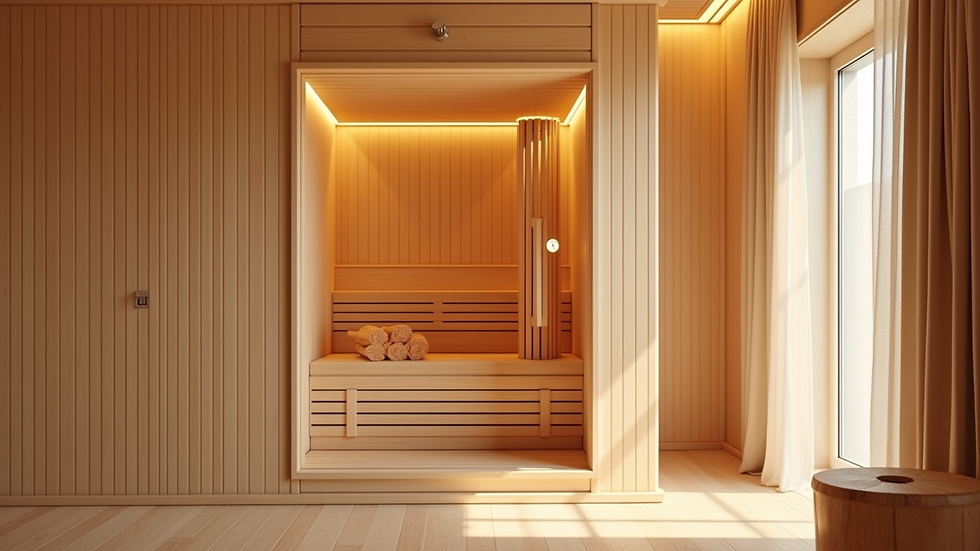
Conscious Body Recovery, based in San Diego, takes full advantage of these benefits with specially designed private contrast therapy suites. Each suite is equipped with an infrared sauna that heats up to 170°F and a cold plunge maintained at 40–45°F, ensuring the optimal temperature range for recovery.
The suites are thoughtfully designed for comfort and effectiveness. They include an infrared sauna, a cold plunge, a private shower, warmed towels, and filtered water. You can even customize the scent, lighting, and music to create a deeply relaxing atmosphere. The infrared sauna technology penetrates deeper into muscle tissues than traditional saunas, helping to speed up cellular repair and recovery.
Membership options start at $199 per month for daily 25-minute sessions (Silver Unlimited) or $299 per month for daily 55-minute sessions (Gold Unlimited). New clients can enjoy a 50% discount on their first session. To maximize results, aim for 2–4 sessions per week. A typical session involves 15–20 minutes in the sauna, followed by 1–3 minutes in the cold plunge, repeated 2–3 times. This routine allows you to experience the full range of recovery benefits that contrast therapy has to offer.
Conclusion
Heat, cold, and contrast therapies each play a specific role in recovery. Heat therapy helps with chronic stiffness and tight muscles by boosting blood flow and improving tissue flexibility. Cold therapy is best for acute inflammation, especially within the first 24–72 hours, as it reduces swelling and numbs pain. Contrast therapy combines the benefits of both, using a vascular pumping effect to flush out waste products while delivering oxygenated blood to tired muscles.
Here’s a quick recap of when to use each method: For fresh injuries or noticeable swelling, go with cold therapy right away. If you’re dealing with ongoing muscle tightness or prepping for mobility exercises, heat therapy is the way to go. And for general soreness, heavy legs, or fatigue from intense workouts, contrast therapy provides a well-rounded recovery option. You can also explore specific post-workout recovery methods to maximize these benefits.
Conscious Body Recovery in San Diego offers private contrast therapy sessions tailored to your needs. Their fully private environment eliminates the hassle of shared spaces while letting you personalize your experience with custom scents, lighting, and music. Whether you’re looking to improve sleep, speed up muscle repair, or simply unwind, these sessions can help you create a personalized recovery plan that works for you.
Memberships start at $199 per month for daily 25-minute sessions, with first-time visits available for just $29. Depending on your goals - whether it’s muscle growth, better sleep, or mental clarity - you can schedule 2–4 sessions a week and adjust your plan as needed.
FAQs
How do I know if my pain is acute or chronic?
Acute pain often begins unexpectedly, typically triggered by an injury or specific event. It tends to last less than 3 to 6 months and generally improves with proper treatment. Chronic pain, in contrast, continues for 3 months or more, frequently lingering beyond the usual healing period. If your discomfort persists well past the expected recovery time, it’s likely chronic. Pain that appears suddenly and improves with care is more likely to be acute.
Can I use cold therapy without hurting muscle growth?
Cold therapy, such as ice baths, can be effective for recovery, but timing is key. Using cold therapy right after resistance training might actually slow down muscle growth. Why? It can disrupt the inflammation process that's essential for muscle repair and development. To get the best of both worlds - recovery and muscle growth - wait about 4–6 hours after your workout before applying cold therapy. This delay helps reduce soreness while still allowing your muscles to rebuild effectively.
What’s the safest contrast-therapy routine to start with?
The best approach to begin contrast therapy is by completing 3–5 cycles of alternating heat and cold at moderate temperatures and durations. For the heat phase, aim for a temperature of 100–104°F, applied for 3–5 minutes. For the cold phase, use a temperature of 50–59°F for 1–3 minutes. Transition between the two gradually, paying close attention to how your body reacts. This method helps boost circulation, ease muscle soreness, and support recovery.


Comments