Quick answer
- Contrast therapy, which alternates between heat and cold treatments, can help improve mobility recovery by enhancing circulation, reducing inflammation, and relieving muscle stiffness.
- Heat phase: Infrared saunas (120 to 195°F) relax muscles and improve blood flow.
- Cold phase: Cold plunges (around 50°F) reduce swelling and inflammation.
In this article · 7 sections
Contrast therapy, which alternates between heat and cold treatments, can help improve mobility recovery by enhancing circulation, reducing inflammation, and relieving muscle stiffness. This method uses heat (like an infrared sauna) and cold (like a cold plunge) to expand blood vessels and contract them, creating a "vascular pump" effect that flushes out waste and delivers oxygen-rich blood to muscles. It’s a practical way to recover from workouts or injuries while supporting flexibility and range of motion.
- Heat phase: Infrared saunas (120 to 195°F) relax muscles and improve blood flow.
- Cold phase: Cold plunges (around 50°F) reduce swelling and inflammation.
- Benefits: Boosts circulation, reduces soreness, and improves joint flexibility.
- Research-backed: Studies show it reduces muscle soreness by 20% and preserves strength for up to 96 hours post-exercise.
For beginners, try alternating 10 minutes of heat with 1 minute of cold, repeating 2 to 3 cycles. Finish with cold to maximize recovery. Stay hydrated, control your breathing, and consult a doctor if you have health conditions.
How Contrast Therapy Improves Mobility
Contrast therapy offers a practical way to tackle common barriers to mobility, such as poor circulation, inflammation, and muscle stiffness. By alternating between heat and cold, this method helps your body recover more effectively, setting the stage for better movement and flexibility.
Better Circulation and Muscle Relaxation
Heat therapy, particularly infrared heat, penetrates deep into muscle tissue - up to two inches - stimulating mitochondrial function and activating the parasympathetic nervous system, often referred to as the "rest and digest" mode. During the heat phase, blood vessels expand, allowing fresh oxygen and nutrients to reach tired muscles. This process helps reduce stiffness and improves joint flexibility, making movement easier and more comfortable.
Less Inflammation and Swelling
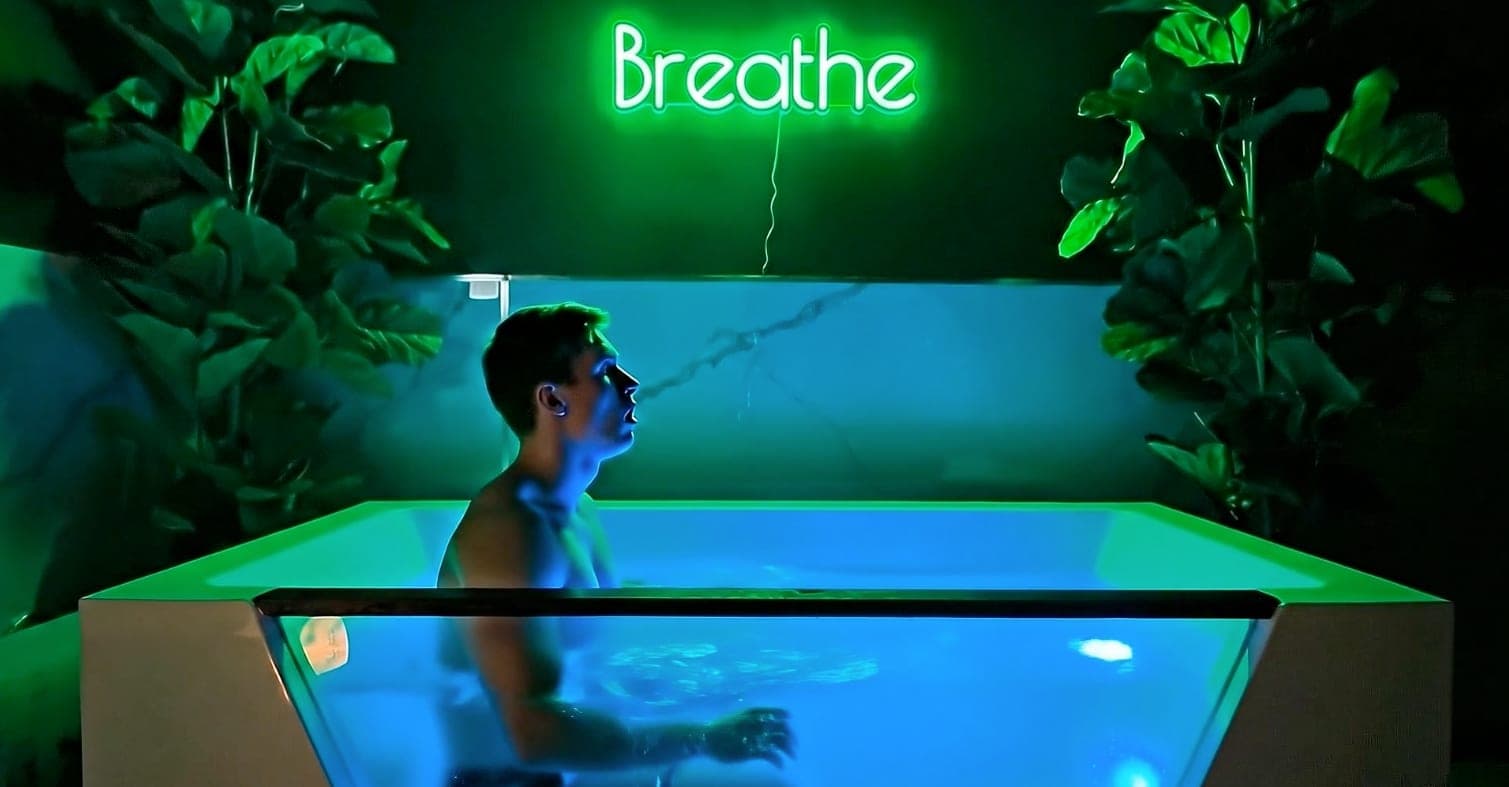
Cold exposure complements the heat phase by targeting inflammation and swelling. Immersing in cold water at around 50°F causes blood vessels to constrict, limiting blood flow to inflamed areas. This vasoconstriction is especially helpful after injuries or intense workouts when swelling can restrict mobility. The cold phase not only provides temporary pain relief but also actively reduces the body's inflammatory response, which often leads to joint stiffness and soreness.
Increased Range of Motion
The alternating heat and cold phases create a "vascular pump" effect, as described by Daniel Pietruszewski from Optimum Health:
"The cycling between these two states, repeated over a session, creates a pumping action through the vascular and lymphatic systems. This helps flush metabolic waste products from damaged or fatigued tissue while delivering fresh oxygen and nutrients."
This "pumping" action enhances joint flexibility and promotes easier movement. By stimulating the lymphatic system, contrast therapy clears out waste products that contribute to stiffness, ultimately restoring the range of motion necessary for smooth and comfortable mobility. These combined effects make contrast therapy an effective tool for recovery and improved movement.
Scientific Evidence for Contrast Therapy
Research on Pain Relief and Recovery
Clinical trials have shown clear benefits of contrast therapy for pain relief and muscle recovery. In April 2025, a study published in Frontiers in Physiology by Robert Trybulski focused on 30 MMA athletes who underwent both Game Ready contrast therapy (a compression-based technique) and contrast water immersion. The results? Both methods boosted the pressure pain threshold from 84.30 to 91.32 N/cm² and reduced muscle stiffness from 1.38 to 1.19 N/m. Additionally, a meta-analysis of 18 trials highlighted that contrast therapy delivered greater improvements in muscle soreness and preserved strength for up to 96 hours compared to passive recovery.
Studies on Range of Motion Improvement
Contrast therapy doesn’t just help with pain - it also enhances joint mobility. A 2024 study published in Scientific Reports examined 40 combat sports athletes, including those in MMA, Judo, and BJJ. These athletes underwent 20-minute contrast pressure therapy sessions using the Game Ready device at Provita Medical Center in Poland. The results were impressive: tissue perfusion nearly doubled (18.71 ± 0.67 PU versus 9.79 ± 0.35 PU in the control group), and muscle elasticity improved immediately after treatment. Other research on lateral ankle sprains has also shown that contrast therapy outperforms heat therapy alone in improving joint range of motion and reducing swelling.
Evidence for Inflammation Reduction
Contrast therapy also plays a key role in managing inflammation. The therapy’s alternating vasodilation and vasoconstriction create a vascular pumping effect, flushing out waste products and inflammatory markers from tissues. Studies have consistently reported significant reductions in inflammation, which supports improved mobility after treatment. This makes contrast therapy especially effective for recovery and injury rehabilitation during the crucial 24 to 48 hour window post-exercise.
Step-by-Step Guide to Using Contrast Therapy for Mobility Recovery
Protocol for Beginners
If you're new to contrast therapy, start with a simple routine: alternate 10 minutes in an infrared sauna with 1 minute in a cold plunge, repeating the cycle 2 to 3 times. Always end with cold exposure - this helps reduce inflammation and supports recovery.
Temperature settings are crucial for both safety and effectiveness. Set your infrared sauna to a range of 120 to 140°F, and keep your cold plunge between 50 to 59°F. If you're just starting out, stick to the lower end of these ranges - 120°F for heat and 59°F for cold - then adjust as your tolerance improves. During the warm phases, try adding light stretching or mobility exercises to improve flexibility and range of motion. For consistent results, aim for 2 to 3 sessions per week instead of daily use.
Once you're comfortable with this routine, you can tweak it to better suit your specific recovery goals.
Adjusting Sessions for Specific Goals
Once you've mastered the basics, you can modify the protocol to align with your individual needs. For example, the sequence can be adjusted depending on the time of day or your specific recovery objectives.
- Morning sessions: End with cold exposure to boost energy and alertness.
- Evening sessions: Finish with heat to promote relaxation.
- Improving flexibility and mobility: Reverse the usual sequence. Begin with 1 to 2 minutes of cold, then follow with 10 to 15 minutes of heat to enhance tissue flexibility.
If you're focused on muscle growth, timing is key. Avoid cold plunges immediately after strength training, as this can interfere with the inflammatory process your muscles need to grow. Instead, wait 4 to 6 hours or save cold exposure for rest days. Between each heat and cold phase, allow 2 to 3 minutes to let your body stabilize.
Safety Tips and Best Practices
To get the most out of contrast therapy while staying safe, keep these tips in mind:
- Stay hydrated: The combination of sweating from heat and vasoconstriction from cold puts extra demands on your body, so drink plenty of water before, during, and after your session.
- Control your breathing: During heat exposure, stick to calm nasal breathing. During cold plunges, aim for 6 to 8 slow breaths per minute to help your body adjust.
- Know your limits: Stop immediately if you feel chest pain, confusion, persistent dizziness, or if you struggle to rewarm afterward.
Certain conditions require extra caution. If you have cardiovascular disease, uncontrolled hypertension, Raynaud's disease, peripheral neuropathy, or are pregnant, consult a healthcare provider before trying contrast therapy.
Contrast Therapy at Conscious Body Recovery
Conscious Body Recovery takes the benefits of contrast therapy to the next level by offering a tailored experience in a private and comfortable setting.
Exclusive, Personalized Recovery Sessions
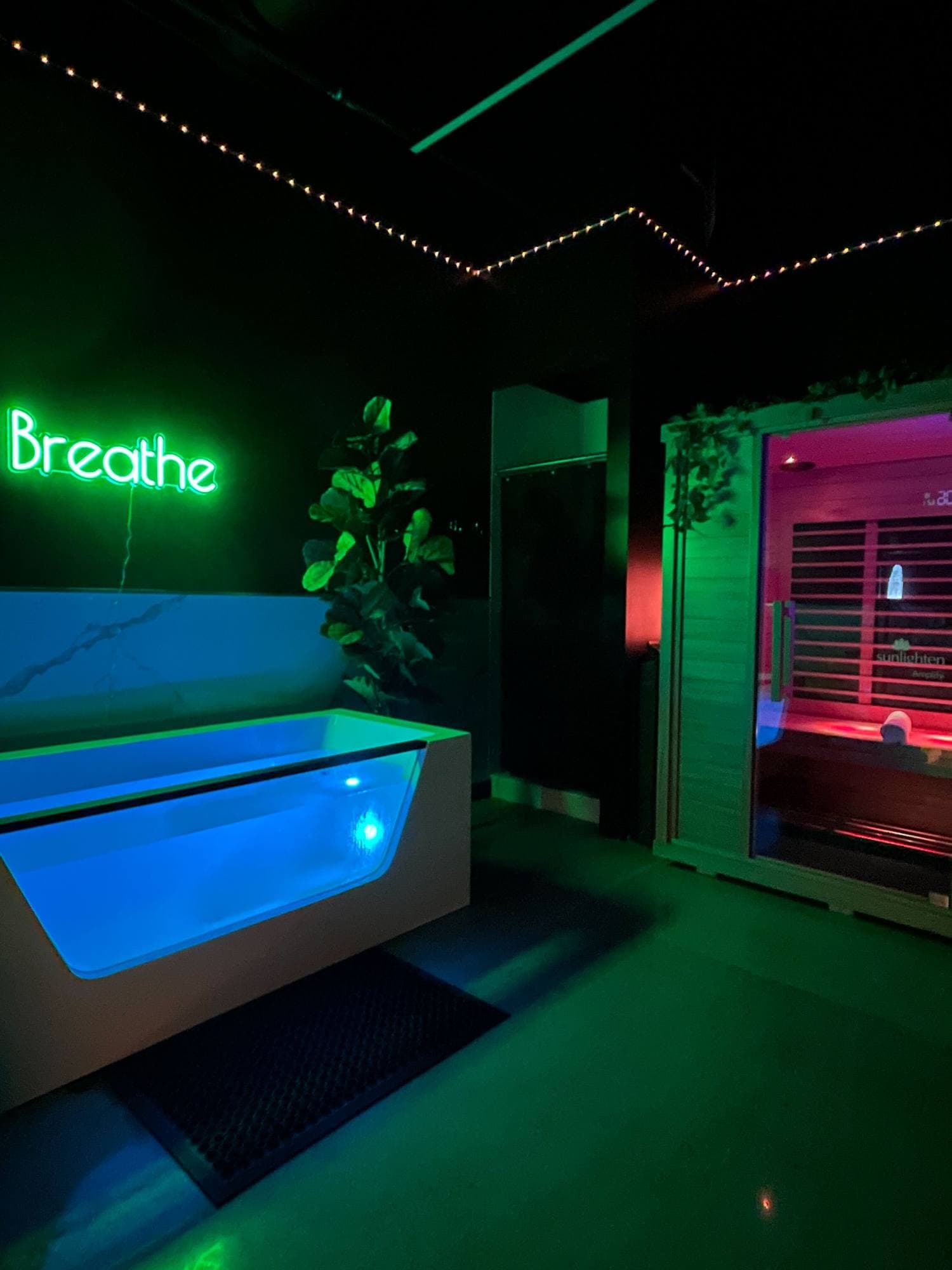
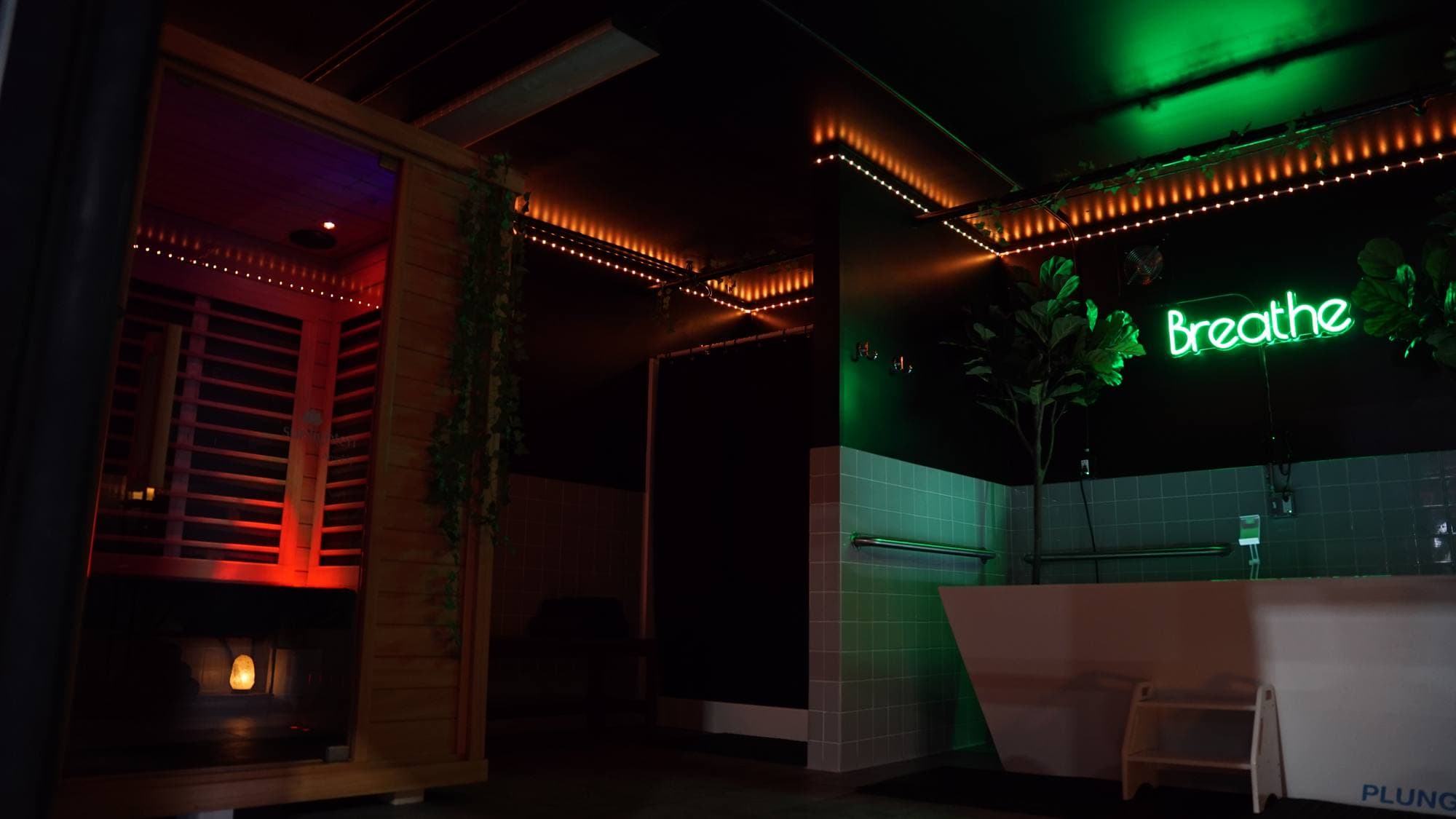
At Conscious Body Recovery, you’ll find San Diego's only private contrast therapy suites, where you have full control over your recovery environment. Adjust the temperature, lighting, and even the scent to suit your preferences. Each suite is equipped with an infrared sauna that reaches up to 170°F and a cold plunge set between 40°F and 45°F, allowing you to move between saunas and cold plunges at your own pace.
The suites are thoughtfully designed with luxury amenities like a private shower, warmed towels, and filtered water to enhance your comfort. The self-check-in process ensures your session is all about recovery without any distractions. Whether you’re recovering solo, with a partner, or in a small group (up to three people), these suites offer the flexibility to meet your needs.
Flexible Booking and Membership Options
You can choose between two session lengths: 25-minute Silver sessions or 55-minute Gold sessions. If you’re new to contrast therapy, the shorter Silver session is a great way to ease in and build your tolerance before committing to longer sessions.
For first-time visitors, an introductory session is available for $29.50 (regularly $59). Regular users can opt for monthly memberships starting at $199 for Silver sessions or $299 for Gold sessions. Alternatively, you can purchase session packs in bundles of 5, 10, or 20, which are valid for 12 months. Memberships go month to month after a two-month minimum.
Why Choose Conscious Body Recovery?
The private suites at Conscious Body Recovery allow you to fully customize your recovery experience. You can align your session timing with your personal goals - like scheduling an evening session to support your body’s natural cooling cycle. This timing is crucial because circadian rhythms impact recovery when using contrast therapy. With top-notch equipment, complete privacy, and flexible scheduling, every session is designed to cater to your mobility and recovery needs.
This personalized approach ensures that the science behind contrast therapy is seamlessly integrated into your routine, creating a recovery experience that’s as effective as it is comfortable.
Conclusion
Contrast therapy works to restore mobility by addressing inflammation, clearing edema, and promoting cellular repair through increased heat shock protein production - levels of which can rise by up to 48% with regular sauna use. These effects combine to make contrast therapy a powerful tool for recovery.
Research highlights its benefits, including better range of motion, improved nervous system balance, and scientifically supported methods that encourage long-term recovery. Whether you're healing from an injury, dealing with chronic joint stiffness, or aiming to improve everyday movement, contrast therapy helps your body recover more effectively over time.
For those in San Diego, Conscious Body Recovery offers a private, customizable space to experience contrast therapy. Their infrared saunas operate between 130°F and 150°F, while cold plunges are kept at a brisk 40°F to 45°F. With flexible session options and a tranquil, self-serve environment for individuals, couples, or small groups, Conscious Body Recovery is tailored to meet your mobility and recovery needs.
FAQs
How soon after an injury is contrast therapy safe?
Contrast therapy can generally be introduced after the initial phase of an injury, once swelling and bleeding have decreased. This phase typically lasts about 24 to 48 hours, though it varies depending on the injury's severity. If you're uncertain about when to begin or have specific concerns, it's best to seek advice from a healthcare professional.
How do I pick heat/cold times if I can’t tolerate 10/1?
If the typical 10/1 heat-to-cold routine feels overwhelming, you can tweak the timing to suit your comfort level. For instance, try starting with shorter intervals, like 1-2 minutes of cold followed by 2-3 minutes of heat. As your tolerance builds, you can gradually extend these durations. The key is to push yourself just enough while staying safe - pay attention to how your body responds and make gradual adjustments to keep the process both effective and safe.
Can contrast therapy help chronic joint stiffness long-term?
Contrast therapy could play a role in managing chronic joint stiffness over time by promoting better circulation and potentially easing inflammation. That said, studies examining its long-term effects on joint stiffness are still scarce. Including contrast therapy as one element of a broader recovery plan might offer added support.