Quick answer
- Cold therapy is a simple yet effective way to manage injuries, reduce swelling, and ease pain.
- How it works: Reduces inflammation, slows cellular metabolism, and numbs pain.
- When to use: Best for acute injuries (sprains, strains, post-surgery swelling) or soreness after intense activity.
In this article · 7 sections
Cold therapy is a simple yet effective way to manage injuries, reduce swelling, and ease pain. By applying cold to an injured area, it slows blood flow, reduces inflammation, and numbs nerve endings for quick pain relief. It works best within the first 24 to 72 hours after an injury, like sprains, strains, or muscle tears. For localized injuries, ice packs are ideal, while cold plunges offer full-body recovery benefits, especially for athletes.
Key takeaways:
- How it works: Reduces inflammation, slows cellular metabolism, and numbs pain.
- When to use: Best for acute injuries (sprains, strains, post-surgery swelling) or soreness after intense activity.
- Methods: Ice packs for targeted relief; cold plunges for systemic recovery.
- Safety tips: Always use a barrier to avoid frostbite; limit sessions to 10 to 20 minutes and follow safety tips.
Cold therapy can be paired with compression or contrast therapy (alternating heat and cold) for enhanced recovery. Facilities like Conscious Body Recovery provide private setups with cold plunges and infrared saunas, offering tailored recovery options. Whether recovering from an injury or managing soreness, cold therapy is a reliable solution to speed up healing.
How Cold Therapy Works
Using cold therapy on an injury triggers specific bodily responses that help speed up recovery. By tackling inflammation, easing pain, and aiding in cellular repair, cold therapy plays a key role in shortening recovery time. Let’s break down how it works.
Reducing Inflammation and Swelling
When cold is applied to an injured area, it causes vasoconstriction - a process where blood vessels tighten, slowing blood flow to the site. This limits the arrival of inflammatory cells and reduces fluid buildup, which helps manage swelling. This technique is particularly effective for acute injuries like ankle sprains or post-surgical swelling, especially within the first 48 hours. Experts at Johns Hopkins highlight that cold therapy not only lowers skin temperature but also reduces inflammation around joints. And as a bonus, it helps with pain relief too.
Pain Relief Through Nerve Numbing
Cold therapy works wonders for pain management by temporarily numbing nerves. It slows down how pain signals travel to the brain, offering relief during short sessions of 10 to 20 minutes. This is especially helpful for acute pain caused by swelling in joints or tendons. That said, it’s worth noting that reduced pain doesn’t necessarily mean the injury is fully healed - it’s just a temporary reprieve.
Supporting Cellular Recovery
Beyond immediate effects, cold therapy promotes deeper healing at the cellular level. By lowering tissue temperature, it slows down cellular metabolism, reducing the oxygen demand and preventing further damage to the area. This is particularly beneficial in the first 72 hours after an injury, such as a sprain or contusion. However, it’s important to balance this approach. A 2011 study revealed that 28 days post-injury, individuals who avoided icing experienced 65% more muscle regeneration. This suggests that while cold therapy is great for acute management, some inflammation is necessary for long-term healing and muscle repair.
When and How to Use Cold Therapy
Best Injuries for Cold Therapy
Cold therapy works well for acute injuries like sprains, strains, bruises, and muscle tears. It's especially effective for ankle and knee sprains, as well as hamstring or calf strains. If you've undergone surgeries such as knee ligament reconstruction or hip replacement, cold therapy can help manage swelling in the first few months of recovery.
It’s also beneficial for managing tendonitis flare-ups, arthritis discomfort, low back pain, and muscle soreness after intense physical activity. Surgeons at Banff Sport Medicine suggest using cold therapy after physical therapy sessions or when pain and swelling occur. They also note its potential to reduce reliance on opioid pain medications.
Step-by-Step Application Guide
Once you’ve identified an injury suited for cold therapy, follow these steps to apply it effectively:
Start cold therapy within 24 to 48 hours of the injury. Wrap ice, gel packs, or even a bag of frozen vegetables in a thin towel to shield your skin. Elevate the injured area to reduce swelling.
Apply the cold pack for 10 to 20 minutes at a time, then remove it to let your skin return to its normal temperature. Repeat this process every 2 to 3 hours, up to 5 to 10 times a day during the acute phase. Pair cold therapy with the RICE method - Rest, Ice, Compression, and Elevation - for the best outcomes. Continue using cold therapy for several days as needed.
Safety Tips and Common Mistakes
To get the most out of cold therapy and avoid issues, keep these precautions in mind:
- Always use a cloth barrier between the ice and your skin to prevent frostbite or tissue damage.
- Limit each session to a maximum of 20 minutes, and allow at least 30 to 60 minutes between applications to let your skin warm up completely.
- Stop treatment immediately if you notice numbness, loss of feeling, or white patches on your skin.
Cold therapy isn't suitable for everyone. Avoid it if you have conditions like diabetes (which can impair sensation), heart issues, poor circulation, or Raynaud's disease. It’s always a good idea to consult your doctor first.
One common mistake is overusing cold therapy - icing too often or for too long can actually slow healing by suppressing the inflammation your body needs to regenerate muscle. A 2011 study revealed that individuals who skipped icing had 65% more muscle regeneration 28 days post-injury.
Up next, we’ll break down the different cold therapy methods to help you decide which one suits your recovery needs best.
Cold Therapy Methods Compared
Different cold therapy techniques cater to specific needs, offering various benefits depending on the situation.
Ice Packs vs. Cold Plunges
When deciding between ice packs and cold plunges, it often comes down to the type of injury, your budget, and the resources you have available. Ice packs are perfect for addressing localized injuries like sprains or strains, while saunas and cold plunges are better suited for full-body recovery, particularly for athletes dealing with muscle soreness throughout the body.
| Aspect | Ice Packs | Cold Plunges |
|---|---|---|
| Accessibility | Easy to use at home | Requires a tub or specialized facility |
| Effectiveness | Focused, localized relief | Supports full-body recovery and reduces soreness |
| Risks | Frostbite if applied without a barrier | Hypothermia risk; not recommended for heart issues |
| Cost | $10 to $20 | $200 to $1,000 for home setups or $20 to $50 per session |
| Ideal Use | Acute, localized injuries | Post-exercise recovery and overall muscle relief |
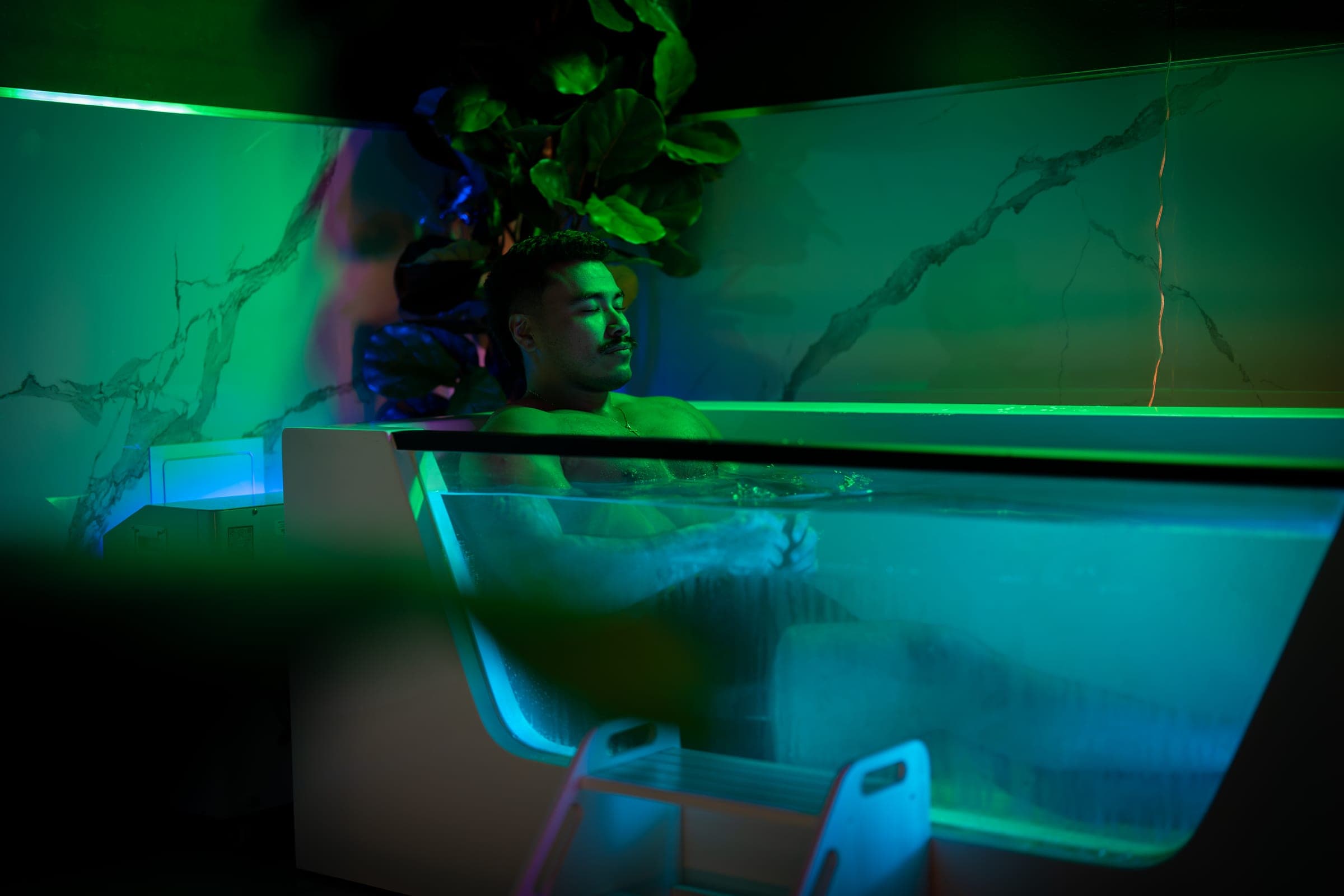
Ice packs are simple and affordable, requiring just a freezer and a towel to protect the skin. They’re particularly effective within the first 24 to 48 hours of an injury. On the other hand, cold plunges, typically maintained at 50 to 59°F, demand a more substantial investment, either in a home setup or access to a facility, making it essential to track cold plunge recovery progress over time. Despite the higher cost and effort, cold plunges can reduce muscle soreness by about 15% compared to skipping cold therapy altogether.
Up next, let’s explore how pairing cold therapy with compression can amplify recovery results.
Combining Cold Therapy with Compression
Pairing cold therapy with compression takes recovery to the next level. This combination works by addressing two key factors: cold therapy decreases blood flow and numbs pain, while compression minimizes swelling and prevents fluid buildup in the injured area.
Cold compression wraps are a practical way to achieve this. Start by wrapping the injured area with an elastic bandage over a gel pack chilled to 40 to 50°F. To ensure proper circulation, check the fingertips for normal color periodically. Use this method for 10 to 15 minutes every two hours during the first 48 hours post-injury. Elevating the injured area above heart level further enhances the effect. For example, in cases like an ankle sprain, this combined approach can reduce swelling 20 to 30% faster, as recommended by orthopedic guidelines.
Contrast Therapy at Conscious Body Recovery
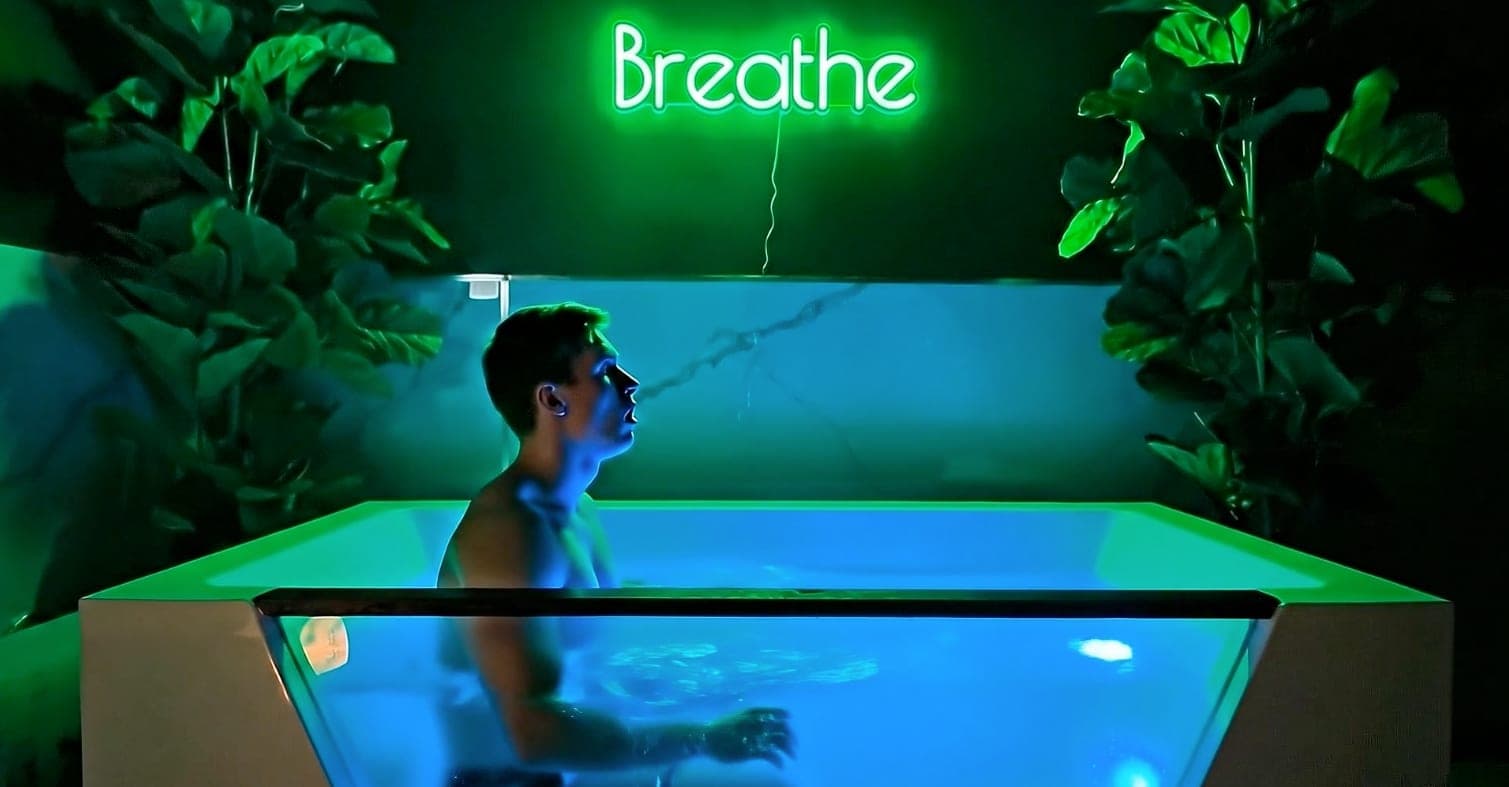
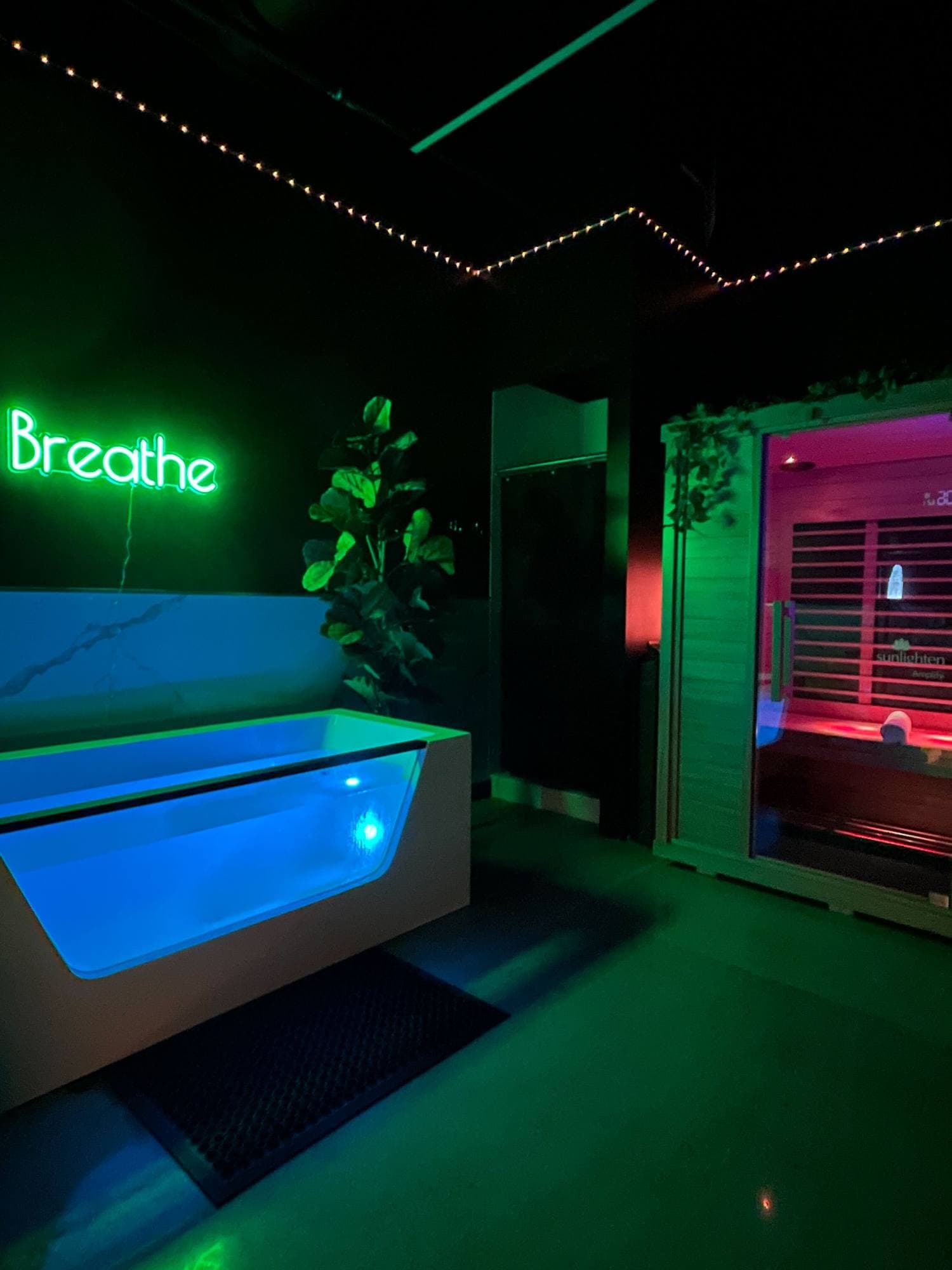
Contrast therapy takes the benefits of cold therapy to the next level by combining it with heat therapy, creating a powerful recovery tool. At Conscious Body Recovery in San Diego, private contrast therapy sessions feature a unique setup: an infrared sauna paired with a cold plunge, all within the same suite.
This combination of heat and cold creates a vascular pump effect, which helps flush out waste products and deliver oxygen-rich blood to damaged tissues. Infrared sauna heat triggers heat shock proteins, aiding in cell repair, while cold exposure activates cold shock proteins that enhance mitochondrial function and support the immune system. A cold plunge at 57°F can even boost dopamine levels by 250% for hours. Together, these effects not only alleviate pain but also promote tissue regeneration - making contrast therapy an excellent choice for faster recovery from injuries.
Features of Conscious Body Recovery
Conscious Body Recovery stands out by offering a private, self-serve environment. Each suite includes both an infrared sauna and a cold plunge, giving you full control over session timing, temperature, and the number of contrast rounds. There’s no need for check-ins, and every session comes with thoughtful amenities like warmed towels, filtered water, and other essentials.
Sessions are available in three durations to suit different needs:
- 25 minutes: A quick reset for those short on time.
- 55 minutes: Ideal for standard contrast therapy cycles.
- 85 minutes: Perfect for maximizing therapeutic benefits.
Every membership lets you bring one guest to every session, making it a great option for couples or workout partners. With over 500 active members and more than 200 glowing reviews on Google (averaging 5.0 stars), the facility has built a strong reputation for helping clients achieve their recovery goals.
Membership Plans and Booking
Whether you’re looking to try contrast therapy or make it a regular part of your routine, Conscious Body Recovery offers flexible membership options. Single sessions are $59, but first-timers can pay just $29.50. Monthly memberships include:
- Silver Unlimited: $199/month for daily 25-minute sessions.
- Gold Unlimited: $299/month for daily 55-minute sessions.
Discounts are often available for your first month, sometimes as low as $49.75.
"The Gold membership is perfect for me and my partner. We come together 4-5 times a week and it's become our favorite ritual. The extended sessions give us time to really relax and recover." - Alex & Jamie K., Gold Members
Booking is simple and entirely online. Choose your location (San Diego or Temecula/Murrieta), select your session length, apply promo codes, and confirm your reservation. Members can bring guests at no extra charge, while single-session users pay a $20 guest fee. For those recovering from injuries, the 55-minute sessions are ideal, allowing for three to four contrast rounds without feeling rushed.
Conclusion
Cold therapy works wonders for recovery by limiting swelling through vasoconstriction, slowing cellular metabolism to protect healthy tissue, and numbing nerves to ease pain. When used properly - especially within the crucial first 24 to 72 hours after an injury - it creates the ideal conditions for healing to begin. Whether you're targeting a specific area or seeking full-body relief, cold therapy offers a range of benefits to support recovery.
Ice packs are perfect for pinpointing specific injuries, while cold plunges provide a more comprehensive approach, addressing multiple areas at once. For those looking for a personalized and private contrast therapy experience, Conscious Body Recovery offers a suite equipped with both an infrared sauna and a cold plunge. Their 55-minute Gold membership is designed to allow three to four rounds of contrast therapy, giving you the time and flexibility to focus on healing in a comfortable, controlled environment.
Research backs these methods: vasoconstriction helps reduce swelling, nerve numbing alleviates pain, and the parasympathetic shift promotes deeper tissue repair. Contrast therapy takes it a step further by combining heat and cold to create a vascular pumping effect, flushing out metabolic waste while delivering oxygen-rich blood to injured areas. Whether you're recovering from a new injury or tackling chronic inflammation, cold therapy equips your body with the tools it needs to speed up the healing process.
FAQs
Should I ice an injury or let it swell to heal?
Applying ice within the first 24 to 48 hours after an injury is often suggested to help manage swelling and discomfort. Cold therapy works by reducing blood flow to the affected area, which can help keep inflammation under control and ease pain. Allowing the injury to swell excessively is generally discouraged, as it could slow down the healing process.
How cold should a cold plunge be for recovery?
For the best recovery results, aim for a cold plunge temperature between 45°F and 55°F. If the water is on the colder side, keep your sessions brief. Warmer water within this range lets you stay in a bit longer. Tailor the duration to your comfort level and experience to help reduce swelling and promote quicker healing.
Who should avoid cold therapy?
Cold therapy isn’t suitable for everyone. If you have cardiovascular issues, cold hypersensitivity, Raynaud's phenomenon, or certain circulatory problems, it’s best to avoid it. Always check with a healthcare professional before trying cold therapy, especially if you have any pre-existing medical conditions.