Quick answer
- Rest periods in contrast therapy are just as important as the hot and cold phases.
- Alternating heat (e.g., sauna) and cold (e.g., ice bath) to improve recovery by creating a "vascular pump" effect.
- They lower heart rate, stabilize blood pressure, and help your body switch from stress mode (sympathetic) to relaxation mode (parasympathetic).
In this article · 7 sections
Rest periods in contrast therapy are just as important as the hot and cold phases. They allow your body to recover between thermal shifts, promoting better circulation, reduced inflammation, and relaxation. Skipping rest can lead to thermal stress and reduce recovery benefits, so following cold plunge safety tips is essential. Here’s what you need to know:
- What is contrast therapy? Alternating heat (e.g., sauna) and cold (e.g., ice bath) to improve recovery by creating a "vascular pump" effect.
- Why are rest periods important? They lower heart rate, stabilize blood pressure, and help your body switch from stress mode (sympathetic) to relaxation mode (parasympathetic).
- How are rest periods defined? Rest can mean sitting quietly at room temperature, transfer time between hot/cold phases, or cooling intervals after heat exposure.
- What do studies show? Rest periods improve muscle recovery, reduce soreness, and support cardiovascular health. Rest intervals tailored to session goals (e.g., post-exercise recovery, stress relief) yield better results.
Key takeaway: Balance heat, cold, and rest phases for optimal recovery. For example, a common protocol is 10 minutes of sauna, 2 minutes of cold immersion, and 5-10 minutes of rest.
How Rest Periods Are Defined and Used in Research
Research offers clear guidelines on how rest periods are defined and applied during contrast therapy cycles, highlighting their role in achieving optimal recovery outcomes.
How Studies Define Rest Periods
In the context of contrast therapy, "rest" isn't always a simple break between cycles. Instead, researchers define it differently depending on the study's design and goals.
One frequent approach is passive rest (PAS), where participants sit quietly at room temperature (77°F to 81°F). This serves as a baseline for comparing the effects of contrast therapy.
Rest can also refer to the transition time between hot and cold stations. In controlled environments, this transfer time is kept under 5 seconds to maintain the thermal stimulus and ensure the vascular pump effect remains active. For localized contrast therapy, where a wearable device targets specific muscle groups, rest is defined as a brief 10-second pause between heating and cooling phases.
"10 s of movement cessation was allowed between the heat and cold stimulations to reduce thermal stress on the WTD [wearable thermal device]." - Journal of Physiological Anthropology
Another common element is a pre-intervention buffer, where participants rest for 10 minutes after exercise but before starting contrast therapy. This ensures the observed effects are due to the therapy itself rather than lingering exercise fatigue.
These varied definitions allow researchers to structure rest periods in a way that supports effective recovery cycles.
Common Contrast Therapy Protocol Structures
When applying these rest definitions, protocol structures differ based on whether the therapy is water-based or sauna-based. Typically, protocols follow a 3:1 or 4:1 hot-to-cold ratio.
In contrast water therapy (CWT) studies, cycles are shorter and repeated multiple times. For example, a 2026 study at Biwako Seikei Sport College had 15 male swimmers complete 10 cycles of 60 seconds in hot water (104°F to 106°F) followed by 30 seconds in cold water (68°F to 70°F), with transfer times kept under 5 seconds between pools.
sauna and cold plunge protocols, on the other hand, use longer exposure times and more extended rest periods. A 2025 study on arterial stiffness involved 3 cycles of 10-minute sauna sessions, 1 minute of cold immersion, and a 5-minute rest between each cycle. Another study in 2025, focusing on women, included 10-minute cooling intervals between sauna sessions, broken down into 6 minutes at room temperature followed by 2 minutes of cold immersion.
| Protocol Type | Heat Duration | Cold Duration | Rest/Cooling | Total Cycles |
|---|---|---|---|---|
| Contrast Water Therapy (CWT) | 60 sec | 30 sec | <5 sec transition | 10 |
| Sauna & Cold Plunge (Arterial Study) | 10 min | 1 min | 5 min | 3 |
| Sauna & Cold Plunge (Women's Study) | 10 min | 2 min | 10 min (total cooling) | 3 |
In most research settings, total session lengths fall between 20 and 30 minutes, with adjustments to the number of cycles and heat-to-cold ratios based on the recovery objectives.
What the Research Says About Rest Periods and Recovery
Research consistently shows that rest periods play a crucial role in optimizing the benefits of contrast therapy. These intervals are essential for achieving the regenerative effects of alternating heat and cold exposure.
How Sauna-Cold-Rest Cycles Affect Recovery
The combination of heat, cold, and rest in contrast therapy enhances recovery by improving blood flow and flushing out metabolic waste more effectively than either heat or cold alone.
A 2025 study on sauna bathing revealed that heart rates dropped significantly 30 minutes after completing a sauna-cold-rest protocol compared to pre-session levels. The study also observed a decrease in sympathetic nervous system activity, suggesting that rest intervals help shift the body into recovery mode.
"It is conceivable that the pronounced feeling of relaxation after the sauna bathing is due to such a change in autonomic nervous activity [suppression of sympathetic activity]." - Shinya Hayasaka, Faculty of Human Life Sciences, Tokyo City University
These findings pave the way for understanding how rest timing can influence recovery when contrast therapy is used after exercise.
Rest Timing in Post-Exercise Contrast Therapy
When contrast therapy is applied post-exercise, timing becomes a critical factor. A January 2026 study conducted on 15 male collegiate freestyle swimmers in Japan tested a Contrast Water Therapy (CWT) protocol involving 10 cycles of 60 seconds in hot water (104°F to 106°F) followed by 30 seconds in cold water (68°F to 70°F). Compared to passive rest, CWT led to significantly lower blood lactate levels post-recovery: 7.75 ± 2.08 mmol/L versus 10.86 ± 2.86 mmol/L. Additionally, fatigue scores decreased from 7.60 to 6.60.
While CWT improved recovery markers like lactate clearance and fatigue reduction, it did not result in immediate performance gains. This aligns with broader findings that cold-heavy protocols can reduce muscle temperature and power output temporarily, even as they alleviate soreness and remove metabolic waste.
Research on infrared sauna protocols also emphasizes the importance of well-timed rest intervals for effective recovery.
Rest Periods in Infrared Sauna and Cold Plunge Protocols
Studies on infrared saunas highlight how varying rest durations can influence recovery outcomes. One study involving normotensive women used a protocol of three 10-minute sauna sessions, each followed by a 10-minute cooling interval that combined room-temperature rest with cold immersion. This approach underscores the need for sufficient stabilization time between cycles to maintain the cumulative thermal effects.
Another 2025 study on arterial stiffness employed a more condensed protocol yet still achieved notable circulatory improvements. The main takeaway? Rest durations should be tailored to the intensity of the session and individual tolerance levels. Skipping rest entirely, however, can disrupt the physiological reset required to maximize the benefits of each cycle.
Why Rest Periods Work: The Physiology Behind the Benefits
Rest intervals aren't just about catching your breath - they're a crucial part of what makes contrast therapy effective. The key lies in how your body responds during these pauses, involving three interconnected systems: your vascular network, inflammatory response, and autonomic nervous system.
Vascular and Circulatory Effects
When heat and cold alternate, your blood vessels expand and contract repeatedly. This process, often called the "vascular pump", helps push blood through fatigued tissues, clears out metabolic waste, and delivers fresh oxygen and nutrients to muscles that need it most.
"Alternating these conditions produces rhythmic fluctuations in vascular tone, which may facilitate metabolite clearance and accelerate cardiovascular recovery." - Kazuki Kino, Faculty of Sport Study, Biwako Seikei Sport College
During rest intervals, the vascular pump gets a chance to complete its cycle. This allows your heart rate and blood pressure to return to normal before the next round of thermal stress, preventing excessive strain. Research shows that with proper rest, cardiovascular markers like systolic blood pressure tend to stabilize, even decreasing over multiple sauna-cold cycles. This improved blood flow sets the stage for better cellular recovery and inflammation control.
Inflammation Control and Tissue Repair
Rest periods also play a role in managing inflammation and aiding tissue repair. Heat triggers Heat Shock Proteins (HSPs), which protect cells from oxidative damage, while cold helps reduce swelling and inflammation. Together, they enhance lymphatic drainage, clearing out harmful byproducts.
Studies back this up: tissue perfusion values in groups using contrast therapy (18.71 ± 0.67 PU) are nearly double those in control groups (9.79 ± 0.35 PU) immediately after treatment. This shows how effectively the vascular and lymphatic systems respond when rest intervals are properly timed.
Autonomic Nervous System Recovery Between Cycles
Beyond circulation and inflammation, rest intervals are vital for resetting your autonomic nervous system. They help shift your body from the sympathetic "fight or flight" state to the parasympathetic "rest and digest" mode. This shift improves heart rate variability (HRV), a key marker of recovery.
"The subsequent autonomic reflexes may then suppress sympathetic activity and increase parasympathetic activity, resulting in marked decrease in CCVL/H immediately after the sauna. It is also conceivable that the pronounced feeling of relaxation after the sauna bathing is due to such a change in autonomic nervous activity." - Shinya Hayasaka, Faculty of Human Life Sciences, Tokyo City University
This explains why a well-structured contrast therapy session leaves you feeling calm and refreshed. Skipping rest periods, on the other hand, keeps your nervous system in overdrive, preventing it from fully resetting.
These physiological responses highlight how essential rest periods are in maximizing the benefits of contrast therapy cycles.
Applying Rest Period Research to Infrared Sauna and Cold Plunge Sessions
This section focuses on how to practically apply research-backed protocols to maximize the benefits of infrared sauna and cold plunge sessions. Translating scientific findings into actionable steps is key to achieving effective results.
Rest Durations Supported by Research
Studies consistently show that rest duration should align closely with the time spent in heat. For example, a 10-minute infrared sauna session pairs well with a 10-minute cooling and rest period before repeating the cycle. A common protocol uses a 3:1 ratio - 3 to 5 minutes of heat followed by 45 to 60 seconds of cold. Research also highlights that 10 to 15 minutes of alternating heat and cold provides the best results for muscle recovery and maintaining strength. Extending sessions beyond 20 to 30 minutes often leads to diminishing returns.
Adjusting Rest Periods Based on Your Goals
Tailoring rest intervals to your specific goals can enhance the effectiveness of your sessions. Here's a helpful guide:
| Session Goal | Heat Duration | Cold Duration | Rest/Cycles | Ending Phase |
|---|---|---|---|---|
| Physiological Recovery | 10 mins | 2 mins | 10-min cooling rest | Cold |
| Standard Recovery | 3 to 5 mins | 45 to 60 secs | Minimal (3:1 ratio) | Cold |
| Stress Relief | 10 to 15 mins | 2 to 3 mins | 2 to 3 cycles | Heat |
| Longevity/Cardiovascular | 10 mins | 2 mins | 10-min cooling rest | Heat (adaptive) |
Adjustments based on your tolerance and recovery needs ensure you get the most out of these protocols. For example, if muscle recovery is your priority, scheduling your session within 1 to 2 hours after a workout can help reduce inflammation and clear metabolic waste effectively. On the other hand, if you're aiming to improve sleep quality, ending with a warm or neutral phase - rather than a cold plunge - can help your core temperature drop naturally, which promotes better sleep onset.
"The cold is a teacher. The heat is the space to integrate what the teacher gave you. And the cycle - repeated, witnessed, practised - becomes something you carry with you." - Damian Chaparro, Author
For those focusing on cardiovascular health and longevity, maintaining equal heat-to-rest ratios has shown the most promise. Research links frequent sauna use - 4 to 7 times per week - with a significantly lower risk of sudden cardiac death and all-cause mortality.
Private Contrast Therapy Sessions at Conscious Body Recovery
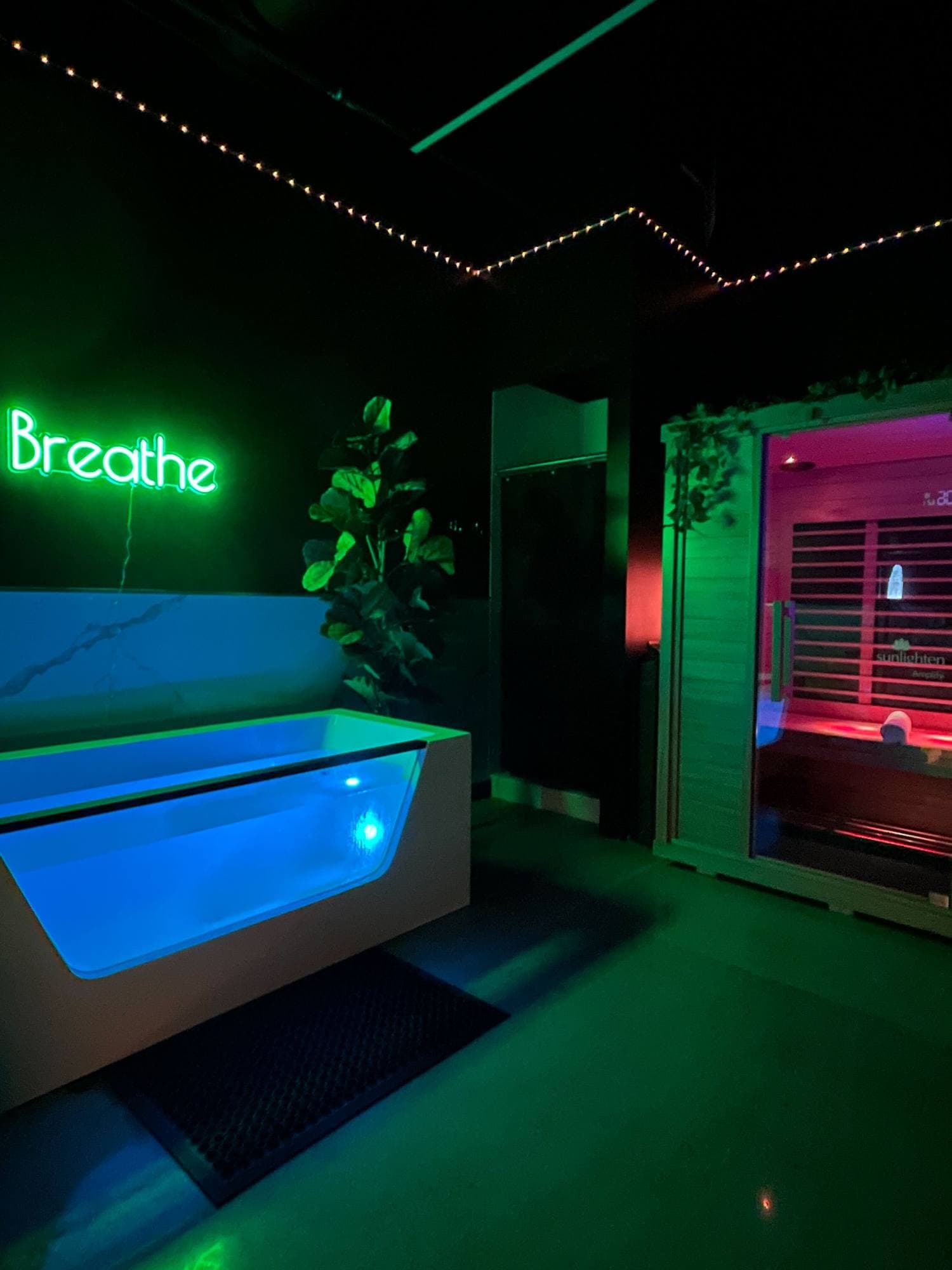
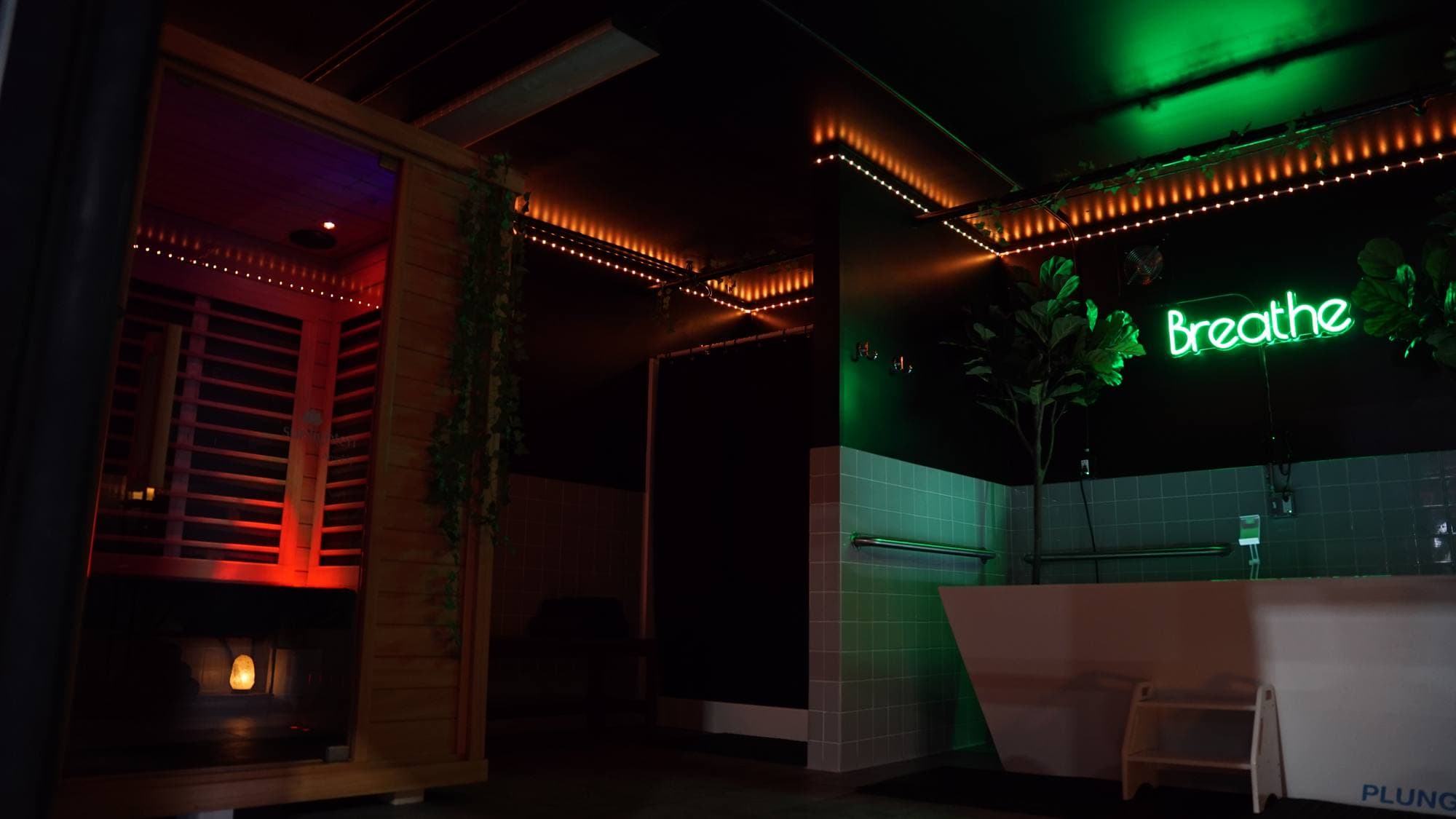
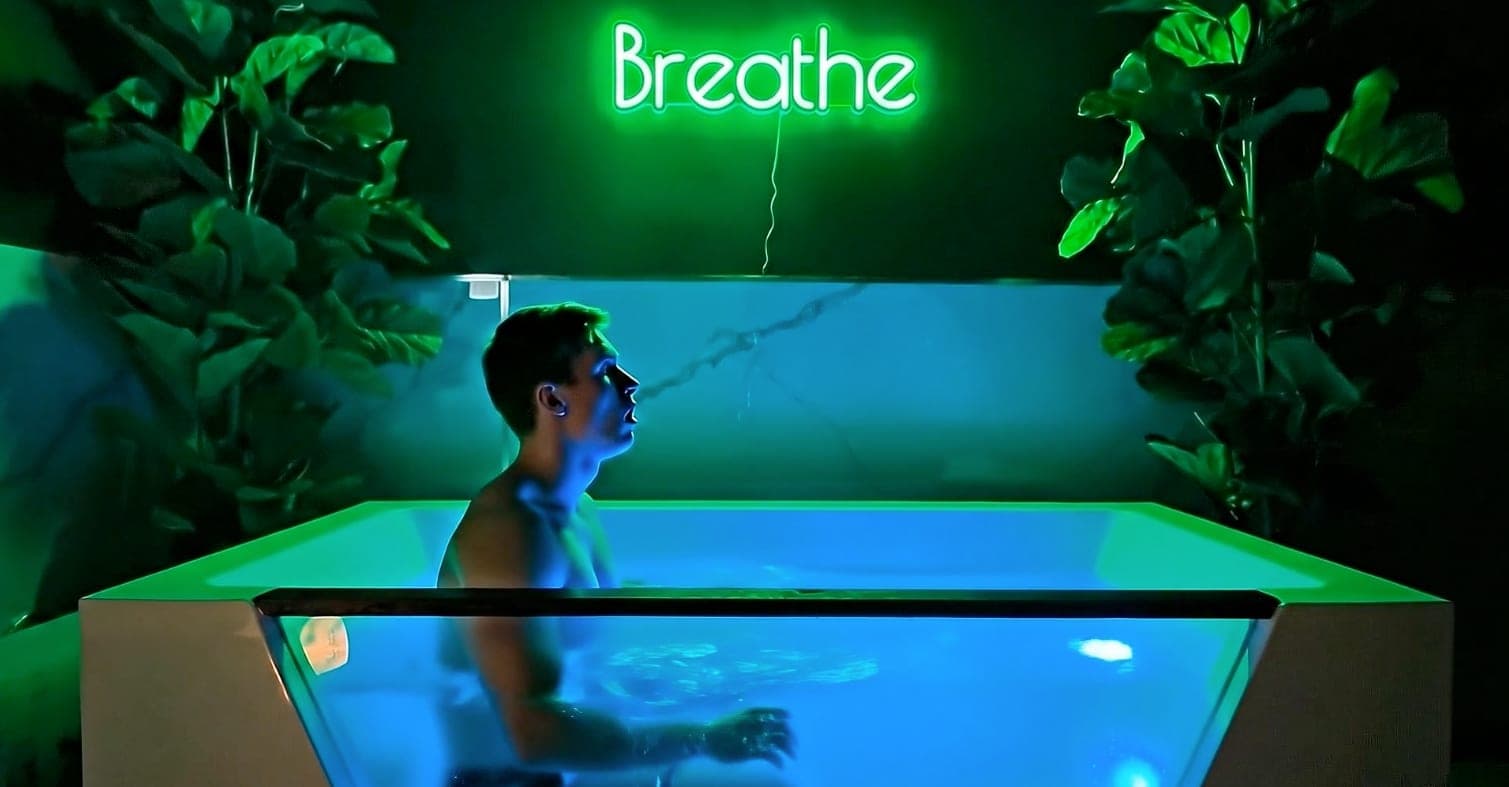
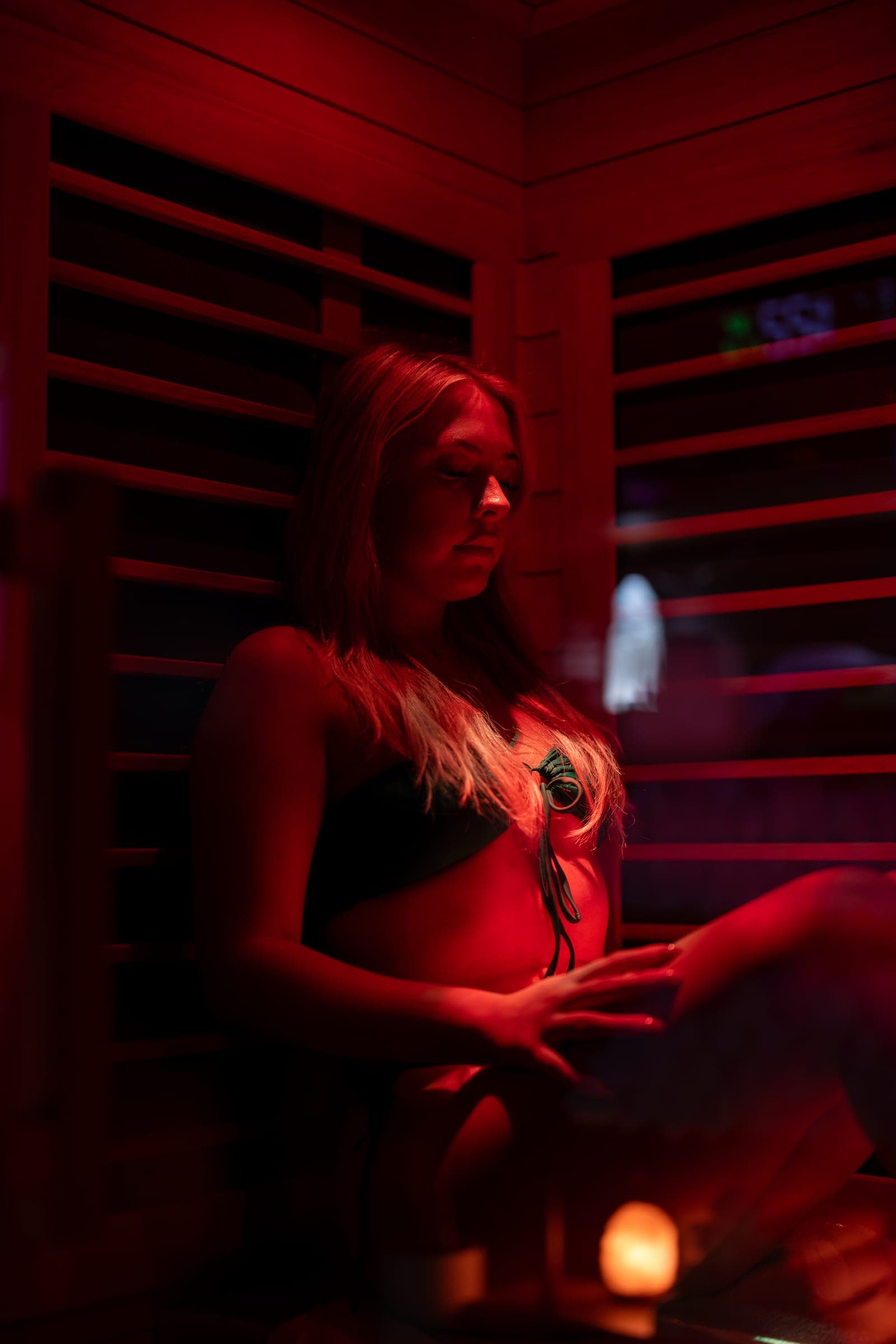
To fully benefit from these evidence-based practices, having control over your environment is essential. This is where private setups shine. Conscious Body Recovery in San Diego offers private suites equipped with infrared saunas and cold plunges, allowing you to move through heat, cold, and rest phases without distractions.
Sessions are available in 25-, 55-, and 85-minute durations, making it easy to align your practice with the protocols outlined above. Whether you're just starting with two beginner cycles or diving into advanced multi-cycle routines, their flexible options - offered as single sessions, packages, or memberships starting at $199/month - make it simple to establish a consistent and effective practice over time.
Conclusion: Why Rest Periods Matter in Contrast Therapy
Rest periods during contrast therapy aren't just moments of inactivity - they play a key role in your body's recovery process. These intervals allow the vascular system to clear out waste products and deliver oxygen efficiently. Without structured rest, the benefits of the heat and cold phases may not fully materialize, making rest periods just as important for tissue repair.
The real strength of contrast therapy lies in how it alternates between activating the sympathetic and parasympathetic systems, promoting cardiovascular health. Studies reveal that practicing contrast therapy for just seven days can lower resting heart rates by an average of 7.5 bpm and increase Heart Rate Variability (HRV) by 9.2%. These measurable changes highlight how rest intervals are an integral part of achieving these benefits.
"Contrast therapy is not about the temperature or the duration alone. It is about what the body learns to do when it is consistently asked to regulate between thermal extremes." - Dr. Susanna Søberg, PhD
Timing also matters. For those focused on muscle growth, jumping into a cold phase immediately after resistance training can interfere with the inflammation your body needs to repair and build muscle. Waiting 3 to 4 hours post-workout - or using contrast therapy on rest days - is a better approach to balance recovery and hypertrophy goals.
In short, rest periods are just as vital as the heat and cold phases, ensuring maximum recovery and regeneration during contrast therapy sessions.
FAQs
How long should I rest between hot and cold rounds?
Resting between contrast therapy rounds usually lasts anywhere from 1 to 15 minutes, based on your experience level and recovery objectives. These breaks give your heart rate a chance to stabilize and allow your body to adjust. If you're just starting out, longer rest periods might feel more comfortable, while seasoned users often opt for shorter intervals. At Conscious Body Recovery, our tranquil, private setting allows you to customize these rest periods to match what works best for you.
What signs mean my rest period is too short?
Short rest periods can lead to violent shivering, a sign that your body struggled with the intensity or duration of the cold exposure. You might also feel overly fatigued or "wrecked", as insufficient recovery time keeps your heart rate from settling. Rushing through transitions undermines the benefits of vascular pumping, so it's crucial to pay attention to your body's signals and prioritize calm, steady transitions for effective recovery.
Should I end on heat or cold for my goal?
When deciding whether to finish with heat or cold, it all comes down to your goal and the time of day.
- If you're looking for energy or post-training recovery, end with cold. This can increase norepinephrine levels, leaving your nervous system more alert - perfect for mornings or during the day.
- If relaxation or improved sleep is your priority, finish with heat. This helps your body cool down naturally, encouraging melatonin production for deeper, more restful sleep.