Quick answer
- Contrast therapy alternates between heat and cold exposure to improve muscle recovery and reduce inflammation.
- Contrast Therapy Basics: Heat expands blood vessels (vasodilation), and cold contracts them (vasoconstriction), boosting circulation.
- Typical Protocol: 3:1 ratio of heat to cold (e.g., sauna and cold plunge protocols like 3 minutes sauna, 1 minute cold plunge).
In this article · 7 sections
Contrast therapy alternates between heat and cold exposure to improve muscle recovery and reduce inflammation. Using an infrared sauna followed by a cold plunge creates a "vascular pump effect", increasing circulation and flushing metabolic waste. When combined with massage, the benefits amplify - heat loosens tight muscles, while cold reduces soreness. This pairing also calms the nervous system, enhancing relaxation and recovery.
Key Points:
- Contrast Therapy Basics: Heat expands blood vessels (vasodilation), and cold contracts them (vasoconstriction), boosting circulation.
- Typical Protocol: 3:1 ratio of heat to cold (e.g., sauna and cold plunge protocols like 3 minutes sauna, 1 minute cold plunge).
- Massage Benefits: Heat preps muscles for deeper work; cold soothes post-massage soreness.
- Private Recovery Options: Facilities like Conscious Body Recovery offer tailored sessions with saunas (up to about 170°F) and cold plunges (45 to 49°F).
Combining these methods promotes faster recovery, better muscle flexibility, and a deeper sense of calm.
How Contrast Therapy Prepares the Body for Massage
How Heat and Cold Affect Muscles and Fascia
Heat, like that from a sauna or warm compress, works wonders on your muscles and fascia (the connective tissue around them). It opens up blood vessels, boosts oxygen and nutrient flow, and helps ease that stiff, rigid feeling. As Tyler McDonald, NASM-CPT, puts it:
"The heat is what relaxes the knots and keeps the tissue flexible so you don't feel like a stiff board the next morning."
On the flip side, cold exposure causes blood vessels to tighten, which helps flush out metabolic waste, reduce swelling, and calm irritation. Alternating between saunas and cold plunges improves circulation and makes waste removal more efficient, setting the stage for a better massage experience.
| Phase | Temperature Range | Effect on Tissue |
|---|---|---|
| Heat | 95 to 113°F | Softens fascia, relaxes knots, increases elasticity |
| Cold | 50 to 59°F | Reduces swelling, soothes nerves, removes waste |
| Alternating | Both | Boosts circulation and waste removal efficiency |
Why Contrast Therapy Before Massage Works
Warming up your muscles with heat allows a massage therapist to work deeper into the tissue without discomfort. The cold phase that follows calms any irritation, making the massage more precise and effective.
"Muscles tend to soften more quickly with heat, and cold helps 'lock in' that work by soothing the area afterward." - Dragonfly Aura
Beyond the physical benefits, this process helps shift your nervous system from a stressed "fight or flight" mode into a relaxed "rest and heal" state. This ensures you're calm and ready to fully benefit from the massage. Here's a simple guide to get started.
Pre-Massage Contrast Therapy: Step-by-Step
Follow these steps to prepare your body for a massage:
- Heat Phase (3 to 5 minutes) Use an infrared sauna or warm compress for 3 to 5 minutes. If you're using water, keep it between 95°F and 113°F, staying below 104°F. This phase loosens up muscles and softens fascia.
- Cold Phase (1 minute) Switch to a cold plunge or apply a cool compress at 50 to 59°F for 1 minute. This will reduce inflammation while maintaining relaxation.
- Repeat and Transition to Massage Go through the heat and cold cycle two or three times, then head straight into your massage. Your muscles will be more flexible, circulation improved, and the tissue prepared for deeper, more effective work.
Protocols for Combining Contrast Therapy and Massage
Full-Session Flow for Recovery
Once you’ve prepped your muscles with a contrast cycle before your massage, it’s time to dive into the full recovery session. The balance between heat and cold detox effects and massage depends on how much time you have. Here's a breakdown of how to structure your session:
| Session Length | Heat (Sauna) | Cold (Plunge) | Rest/Transition | Massage Focus |
|---|---|---|---|---|
| 25 Minutes | 10 to 15 mins (1 round) | 2 to 3 mins | 3 mins | 5 to 8 mins localized focus |
| 55 Minutes | 20 mins (2 rounds) | 4 to 6 mins (2 rounds) | 5 mins | 25 to 30 mins full body |
| 85 Minutes | 30 to 45 mins (3 rounds) | 6 to 9 mins (3 rounds) | 10 mins | 30 to 45 mins deep tissue |
Studies suggest that pairing a 15-minute sauna session with a 3-minute cold plunge can boost strength recovery by 25% compared to passive rest. Many athletes find success by tracking cold plunge recovery progress to optimize these results. If you have more time, additional rounds of heat and cold allow for deeper relaxation and more intensive massage work. These protocols are flexible and can be tailored to focus on specific muscle groups for targeted recovery.
Localized Contrast Techniques with Massage
When a full-body session isn’t an option, focusing on specific areas can still deliver excellent results. Whether you’re dealing with a stiff neck, tight shoulders, or lower back soreness, localized contrast therapy can help.
Use a warm compress on the affected area for 10 to 15 minutes, followed by a cold pack for 1 to 2 minutes. This 3:1 hot-to-cold ratio helps improve tissue flexibility while soothing irritation. It’s a simple yet effective way to address specific pain points without committing to a full session.
Using Contrast During a Massage Session
You can also incorporate contrast therapy directly into the massage itself. This approach keeps muscles responsive and enhances the overall recovery process in real time.
Start the session with warm towels or hot stones to ease tension and allow for deeper work on the muscles. Toward the end, apply cool towels or chilled tools briefly to any inflamed areas to seal in the benefits. At Conscious Body Recovery, therapists seamlessly integrate these techniques into private sessions, ensuring a smooth and effective recovery experience.
Safety and Customization Tips
Once you've set up your recovery protocols, it's crucial to prioritize safety and adjust the process to suit your specific needs.
Who Should Check with a Doctor First
While contrast therapy is generally safe for most healthy adults, some conditions require a doctor's approval before starting. The sudden temperature shifts involved can put stress on your cardiovascular system, much like moderate exercise.
"Individuals with heart conditions or high blood pressure face elevated risks from sudden temperature shifts." - Tyler McDonald, NASM-CPT, CNC
Here are some conditions that call for medical clearance before combining contrast therapy with massage:
| Condition | Why It Matters |
|---|---|
| Cardiovascular disease or arrhythmia | Cold exposure may provoke harmful changes in heart rhythm |
| Uncontrolled high blood pressure | Rapid vasoconstriction could dangerously raise blood pressure |
| Raynaud's phenomenon | Cold exposure can trigger severe circulatory issues in extremities |
| Diabetes with neuropathy | Reduced sensation makes it harder to recognize unsafe temperature changes |
| Pregnancy | Extreme temperature changes are generally not recommended |
It's also important to avoid applying contrast therapy to open wounds, areas with active infections, or regions with exposed surgical hardware.
With these risks in mind, make sure to follow optimal contrast therapy timing and temperature limits for each phase of therapy.
Safe Temperature and Timing Guidelines
For sauna sessions, aim for temperatures between 100 to 110°F and keep them under 20 minutes. When it comes to cold plunges, the water should be around 50 to 59°F, with immersions lasting no more than 2 to 5 minutes. Extending your time in an ice bath won’t enhance recovery benefits and could increase the risk of tissue damage. As Tyler McDonald explains:
"Spending more than 20 minutes in the ice bath... doesn't give you 'extra' recovery; it just increases the risk of tissue damage."
Stay hydrated by drinking 16 to 20 ounces of water with electrolytes before and after your session. If you experience chest pain, heart palpitations, dizziness, or persistent numbness, exit the session immediately and seek medical advice if symptoms persist.
Building a Weekly Recovery Routine
The frequency of contrast therapy and massage sessions depends on your goals. Athletes in active training may benefit from 3 to 4 sessions weekly, while those focusing on stress relief or general wellness might find 1 to 2 sessions sufficient. During competition weeks, daily sessions can help with soreness and readiness.
At Conscious Body Recovery, you can choose from single sessions, packages, or memberships, allowing you to create a recovery plan that works with your schedule. Whether you're aiming to boost athletic performance or simply relax after a tough week, the private suite setup ensures a consistent and pressure-free experience. Sticking to these guidelines will not only keep your sessions safe but also maximize the benefits of your recovery and massage routines.
How to Get the Most Out of Conscious Body Recovery
How to Prepare for Your Session
Getting ready for a contrast therapy session can make a big difference in how much you benefit from it. Start by staying well-hydrated before you arrive. Don’t forget to pack a swimsuit and sandals; they’ll make transitioning between the infrared sauna and the cold plunge much easier.
Arrive a few minutes early to settle in. Use this time to adjust the room’s ambiance, review your planned cycles, and mentally prepare for the temperature shifts ahead. These small steps can help you get the most out of your recovery time.
Using the Private Suites at Conscious Body Recovery
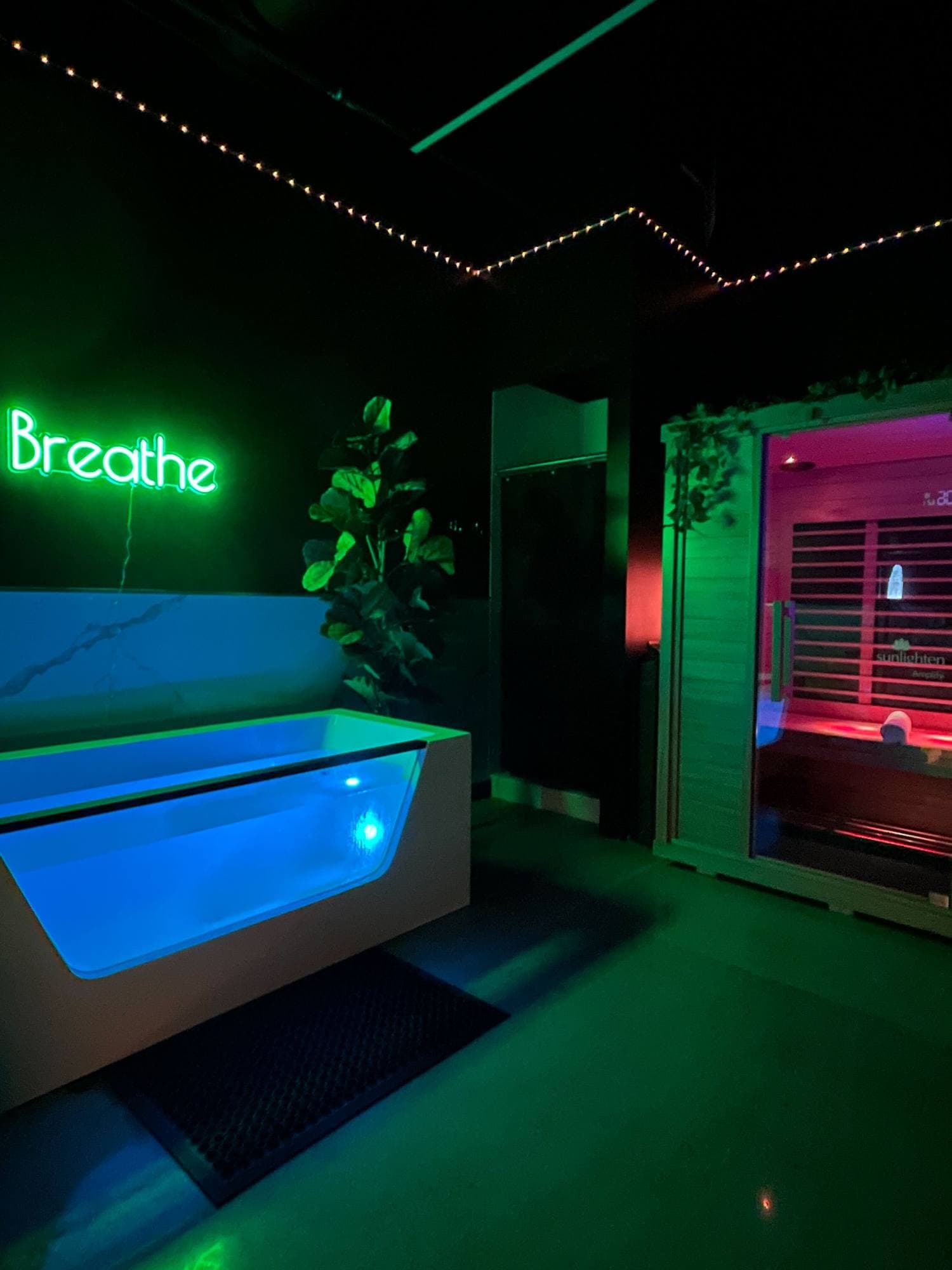
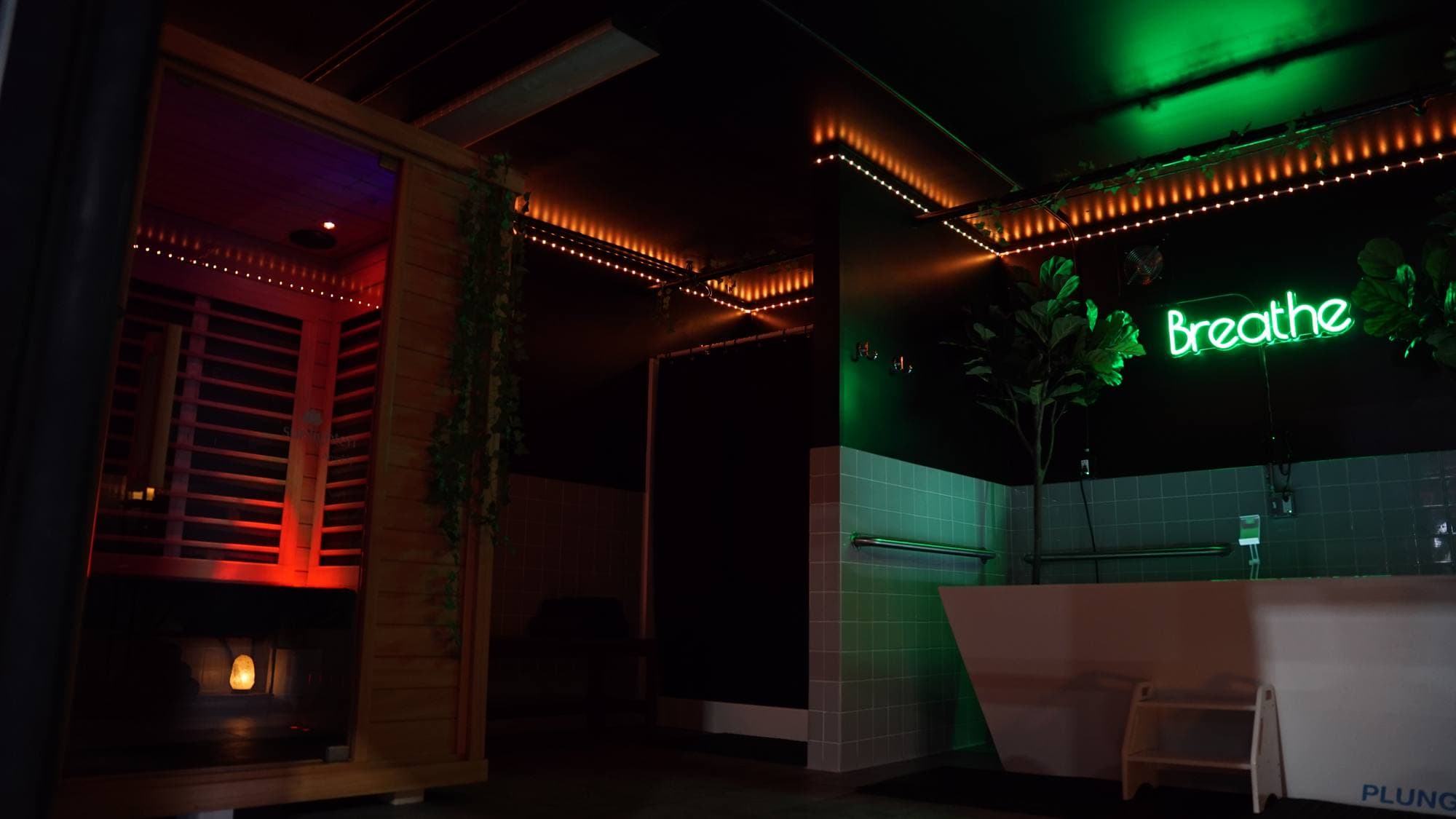
Conscious Body Recovery offers private suites equipped with infrared saunas and cold plunges, all in a self-serve setup. This gives you full control over your session, creating a personalized and focused recovery experience. The infrared sauna is typically set between 120 to 140°F, while the cold plunge ranges from 50 to 59°F. Use the table below to tailor your session based on your experience level:
| Experience Level | Sauna (120 to 140°F) | Cold Plunge (50 to 59°F) | Recommended Cycles | Total Session Time |
|---|---|---|---|---|
| Beginner | 10 to 12 minutes | 1 to 2 minutes | 1 to 2 | 25 minutes |
| Intermediate | 12 to 15 minutes | 2 to 3 minutes | 2 to 3 | 25 to 55 minutes |
| Advanced | 15 to 20 minutes | 3 to 5 minutes | 3 to 5 | 55 minutes |
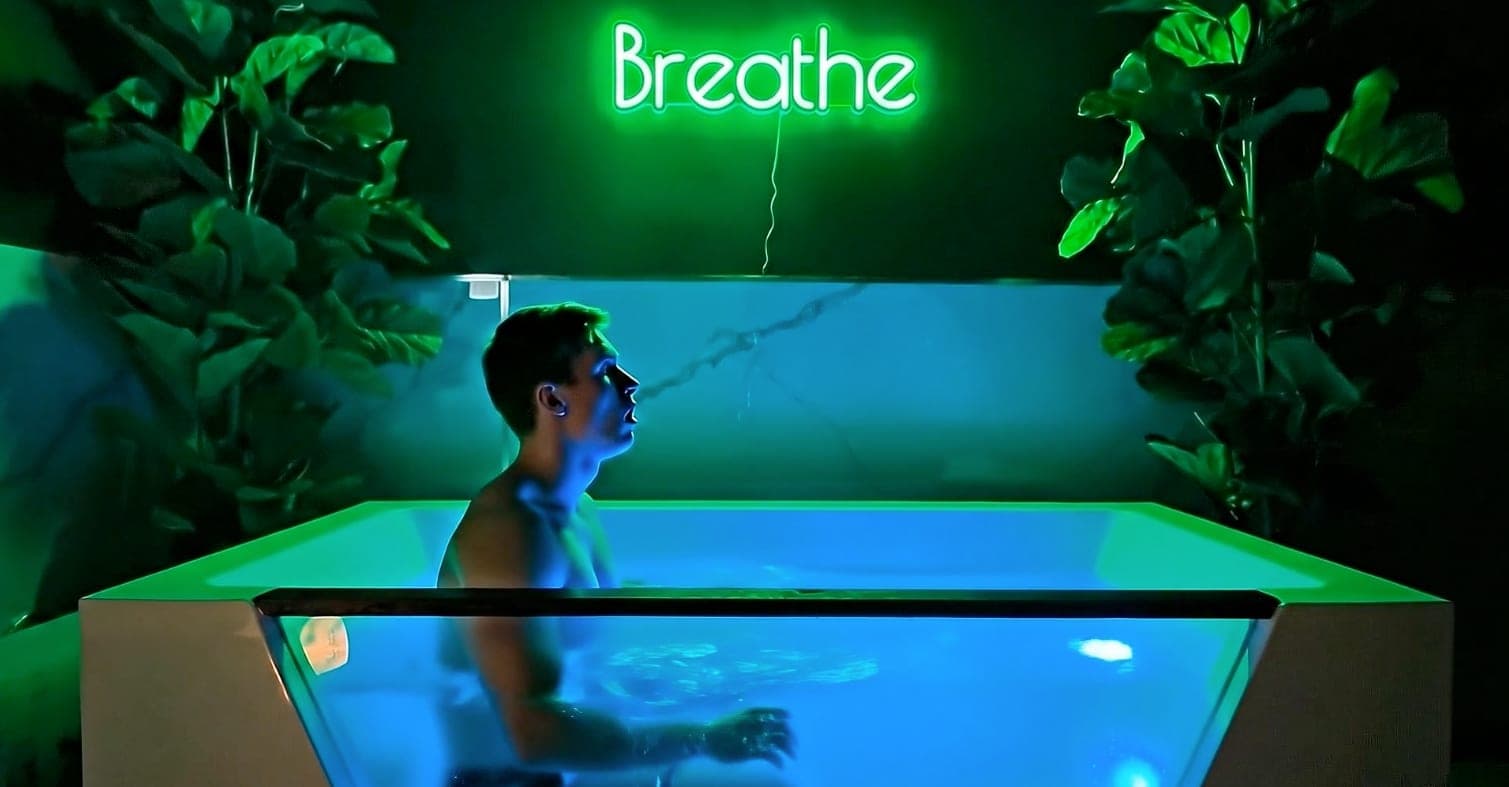
During your session, take advantage of the warmed towels and refreshments provided in the suite. These amenities help you stay comfortable and maintain your core temperature between cycles. The alternating heat and cold create a vascular “pumping” effect, described by Daniel Pietruszewski, which helps flush out metabolic waste while delivering fresh oxygen to tired muscles. This rhythm is key to effective recovery.
Adding Massage to Your Contrast Therapy Session
To enhance your recovery, consider scheduling a professional massage right after your final contrast cycle. By this point, the sauna will have loosened the fascia and relaxed tight muscles, while the cold plunge will have reduced surface inflammation. This combination primes your body for deeper muscle work.
If a professional massage isn’t an option, grab a foam roller and perform self-massage immediately after the cold plunge. Focus on areas like your quads, hamstrings, and upper back - especially muscles targeted during your session. The warmth and pliability of the tissue at this stage make it the perfect time to extend the benefits.
One important tip: if you’ve done resistance training, wait 2 to 4 hours before using the cold plunge. This delay ensures that your body’s natural inflammatory signals, which are crucial for muscle repair, aren’t disrupted.
Conclusion
Combining contrast therapy with massage offers a science-backed benefits of contrast therapy for faster and more effective recovery. The alternating use of heat and cold creates a vascular pumping effect, which helps improve circulation. At the same time, heat works to loosen tight fascia and muscle knots, making the tissue much more receptive to massage techniques.
As Tyler McDonald explains:
"The heat is what relaxes the knots and keeps the tissue flexible so you don't feel like a stiff board the next morning."
This physical benefit goes hand-in-hand with neurological advantages. Together, they help reset your nervous system, transitioning you out of stress mode and into a state of recovery. The mental clarity and reduced tension that follow are just as impactful as the physical improvements.
The environment where you recover also plays a key role in the overall experience. Conscious Body Recovery provides a private, self-directed space where you control every aspect of your session - from timing to temperature and the number of rounds. Amenities like private suites, warmed towels, refreshments, and aromatic room settings enhance the relaxation process. As Daniel Pietruszewski points out:
"Every session is in a private suite, not a shared room. This matters for consistency because you control your own timing, temperature, and number of rounds without adjusting to someone else's protocol."
Whether you're an athlete managing post-workout soreness or someone seeking a better way to unwind, pairing contrast therapy with massage - especially in a personalized setting - is one of the most effective ways to support your recovery. This approach not only speeds up physical healing but also promotes deeper relaxation and long-term resilience.
FAQs
Should I do sauna or cold therapy before or after my massage?
Using the sauna before your massage is typically the better choice. The heat helps warm up your muscles and boosts circulation, making it easier for the massage therapist to target deeper tension. After your sauna session, take 10 to 20 minutes to cool down and let your heart rate return to normal. While using the sauna after a massage can enhance your relaxation, starting with it ensures your body is better prepped for effective muscle work.
How many contrast cycles should I do as a beginner?
For beginners, it’s best to start with 2 to 3 contrast cycles per session. Begin by alternating between warm immersion for 1 to 3 minutes and cold immersion for 1 minute. Repeat this cycle 2 to 3 times. This step-by-step method helps your body adjust gradually and avoids overstimulation. As you get used to contrast therapy, you can slowly increase the number of cycles.
Who should avoid contrast therapy or check with a doctor first?
Individuals dealing with heart problems, uncontrolled high blood pressure, irregular blood pressure, or pregnancy should steer clear of contrast therapy unless they’ve consulted a doctor first. Always prioritize your health and reach out to a medical professional if you’re unsure or have concerns about these conditions.