Quick answer
- Cold plunges, or brief immersions in cold water (50 to 59°F), are gaining popularity for their ability to support the body's natural detox processes.
- Improved Circulation: Alternating vasoconstriction and vasodilation flushes out waste and promotes blood flow.
- Lymphatic Drainage: Cold exposure contracts lymph vessels, moving toxins through the lymph nodes for filtration.
In this article · 7 sections
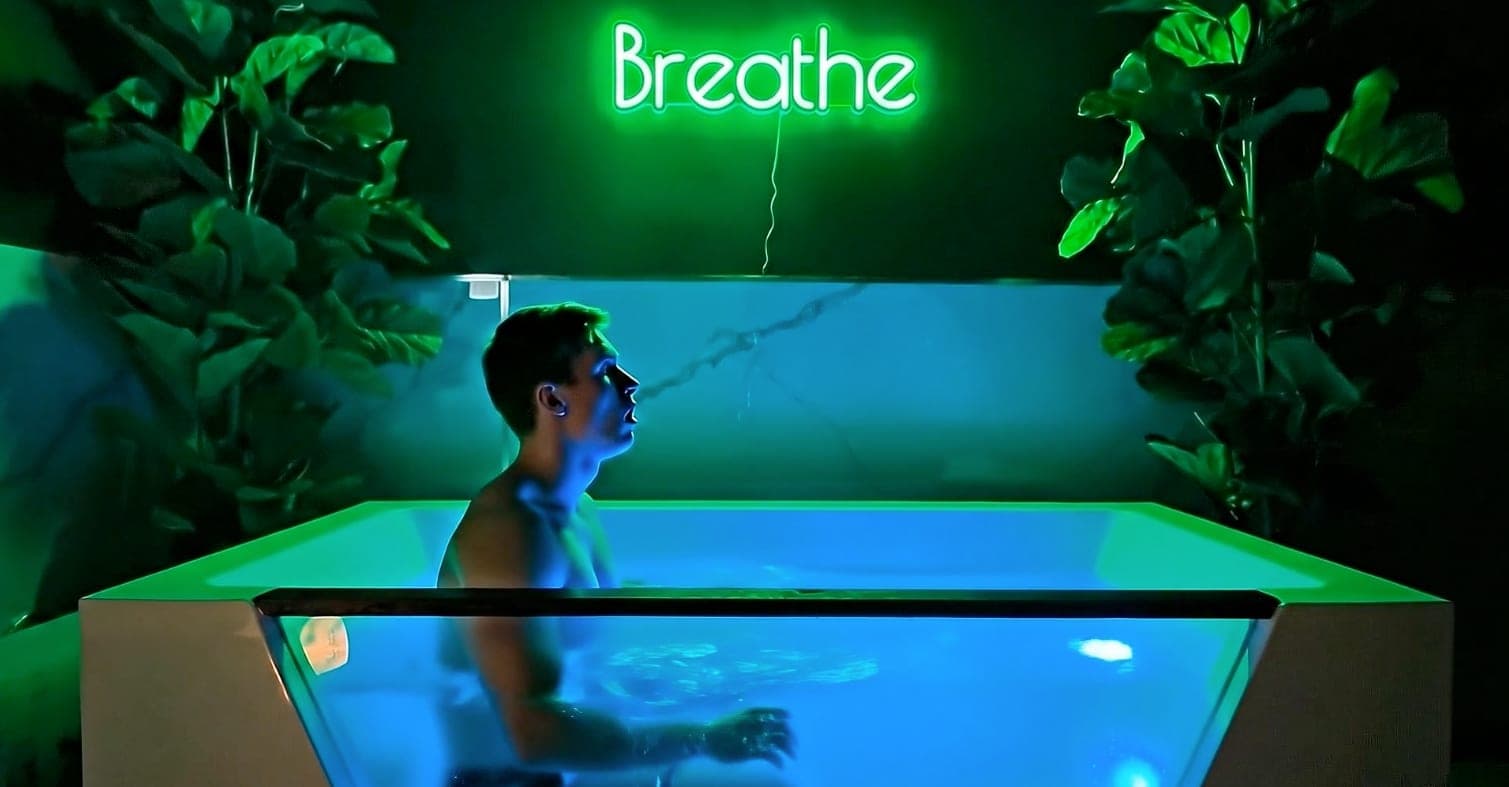
Cold plunges, or brief immersions in cold water (50 to 59°F), are gaining popularity for their ability to support the body's natural detox processes. By triggering a "cold shock" response, they improve circulation, promote lymphatic drainage, and activate autophagy - a cellular cleanup process that removes damaged components. These effects help clear toxins, reduce inflammation, and support overall cellular health.
Key Benefits of Cold Plunges for Detox:
- Improved Circulation: Alternating vasoconstriction and vasodilation flushes out waste and promotes blood flow.
- Lymphatic Drainage: Cold exposure contracts lymph vessels, moving toxins through the lymph nodes for filtration.
- Autophagy Activation: Encourages recycling of damaged proteins and cellular components.
- Boosted Metabolism: Cold exposure increases energy expenditure, aiding toxin breakdown and removal.
- Mitochondrial Support: Stimulates production of new mitochondria, enhancing energy production and cellular resilience.
How to Start Safely:
- Beginners: Start with water at 50 to 59°F for 30 seconds to 2 minutes.
- Advanced users: Gradually lower the temperature (39 to 50°F) and increase immersion time (up to 5 minutes).
- Aim for 11 minutes of cold exposure per week, spread across 2 to 4 sessions.
Pairing cold plunges with infrared sauna sessions, known as contrast therapy, amplifies detox benefits by creating a "vascular pump" effect, enhancing circulation and waste elimination. Regular practice, combined with proper hydration, nutrient-rich foods, exercise, and quality sleep, can optimize your body's detox pathways.
The Science Behind Cold Plunges and Cellular Detox
Circulation and Lymphatic Drainage
When you immerse yourself in cold water, your body reacts with an immediate tightening of blood vessels (vasoconstriction). Once you step out, those vessels quickly expand (dilate), creating a pumping effect that helps flush out metabolic waste like lactic acid and stagnant fluids. What does this mean for you? Improved blood flow and less inflammation.
But it’s not just your circulatory system that benefits. Your lymphatic system, which lacks a central pump like the heart, relies on muscle movement and external forces to keep things flowing. Cold plunges force lymphatic vessels to contract, pushing lymph fluid through the body where it’s filtered by lymph nodes. Every day, this system moves about 20 liters of plasma, including 3 liters of lymph, ensuring toxins are filtered effectively.
"Being immersed in cold water stimulates leukocytes, the white blood cells that help fight off illnesses. It also causes the lymphatic system to contract, forcing fluid through the lymph nodes. This process aids in detoxing the body." - Plunge.com
Cold exposure also revs up your metabolism as your body works to maintain its core temperature. This metabolic boost accelerates the breakdown and removal of toxins. On top of that, cold plunges encourage the production of white blood cells, giving your immune system an extra edge in clearing out harmful pathogens. Together, these processes create the ideal conditions for a deeper detox at the cellular level.
Autophagy and Cellular Cleanup
Cold exposure activates autophagy, your body’s natural way of cleaning house at the cellular level. During autophagy, cells identify and recycle damaged proteins and malfunctioning parts. This prevents the buildup of waste that can disrupt normal cell function.
The combined effects of vasoconstriction and lymphatic contraction help clear metabolic waste from tissues more effectively than normal circulation alone. This is a critical benefit, as stagnant waste can lead to chronic inflammation and cellular issues over time.
"Cold exposure causes the lymph vessels to contract, which in turn helps move lymphatic fluid throughout the body. This process is crucial for removing toxins and waste products from tissues." - Kelly, Haven Of Heat Team
By reducing oxidative stress markers, cold plunges limit cellular damage and support efficient detoxification pathways. Regular exposure to cold also triggers a surge in norepinephrine - up to five times the usual level - which helps lower systemic inflammation. This reduction in inflammation creates an environment where cellular cleanup processes can operate more effectively.
Mitochondrial Health and Oxidative Stress
Beyond circulation and autophagy, cold plunges give your mitochondria - a.k.a. your cells' energy factories - a boost. Cold exposure stimulates mitochondrial biogenesis, the production of new mitochondria in muscle and fat tissues. More mitochondria mean improved energy production and greater cellular resilience.
"I'm also excited about the potential of increasing mitochondria in adipose tissue and muscle tissue." - Rhonda Patrick, Biologist & Nutrition Expert
Oxidative stress occurs when free radicals outnumber antioxidants, leading to cellular damage and inflammation. Cold plunges help restore balance by lowering oxidative stress markers, which reduces damage to cells and tissues. With less cellular damage, your body’s detox systems can work more efficiently.
The metabolic boost from cold exposure plays a role here, too. As your body works to maintain its core temperature, it burns more energy, speeding up the breakdown and elimination of toxins.
How to Use Cold Plunges Safely and Effectively
Safety Tips and Precautions
Before stepping into a cold plunge, it's important to consult your doctor, especially if you have any health conditions like heart disease, high blood pressure, diabetes, poor circulation, Raynaud's phenomenon, peripheral neuropathy, venous stasis, or cold agglutinin disease. Some medications that lower blood pressure or heart rate can also make it tougher for your body to handle the effects of cold shock.
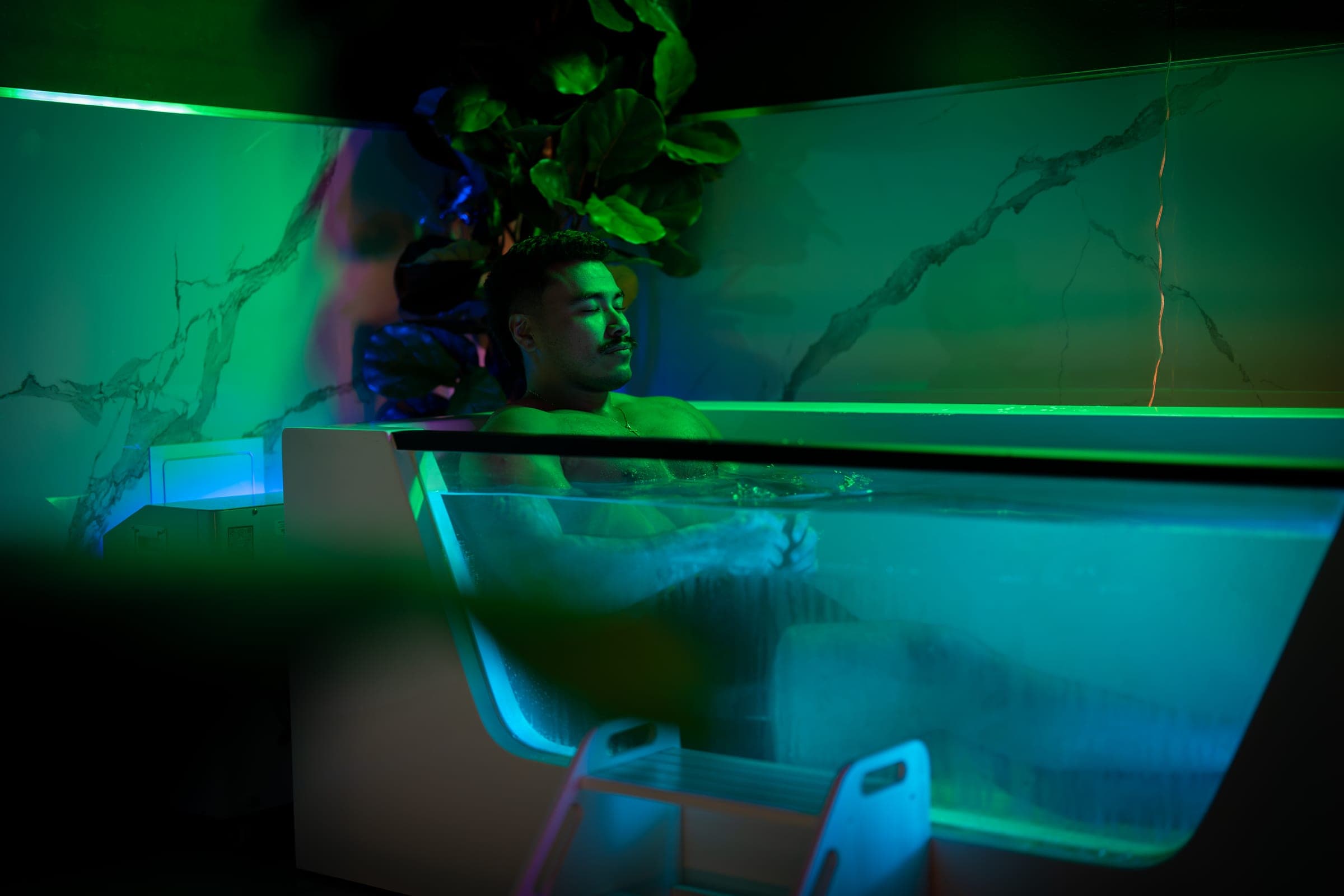
Cold shock can cause an involuntary gasp and a rapid heartbeat. To ease into it, enter the water slowly, keeping your head above the surface and limiting submersion to chest level. If you feel dizzy, lightheaded, experience chest pain, or notice unusual changes in your fingers or toes, get out right away.
"If your fingers or toes start to change color, get out right away and warm up to avoid frostbite or hypothermia."Alison Sherwood, Medically Reviewed by Zilpah Sheikh, MD
With these precautions in mind, you can safely begin your cold plunge journey.
Recommended Temperature, Duration, and Frequency
For beginners, aim for water temperatures between 50°F and 59°F. More experienced users may opt for cooler temperatures, ranging from 39°F to 50°F, but be cautious - water below 40°F significantly increases the risks of hypothermia and cold shock. The goal is to find a temperature that feels uncomfortably cold but remains safe.
| Experience Level | Recommended Temperature | Duration |
|---|---|---|
| Beginner | 50°F to 59°F | 30 seconds to 2 minutes |
| Advanced | 39°F to 50°F | 3 to 5 minutes |
| Recovery Focus | 50°F to 60°F | 2 to 3 minutes |
"Start low and go slow. Don't go too cold and don't go for more than five minutes."Dominic King, DO, Sports Medicine Physician
Research suggests a total of 11 minutes of cold exposure per week, ideally split into 2 to 4 sessions. For cellular detox benefits, aim for at least three sessions per week. Regularity is key - consistent exposure helps your body adjust and improves detoxification processes over time.
Step-by-Step Cold Plunge Protocol
Here’s a step-by-step guide to ease into cold plunges safely:
Before you enter: Take a few deep breaths to calm your system. Wear minimal clothing to allow for maximum skin contact with the water.
During immersion: Focus on slow, steady breathing to control your heart rate and manage the initial gasp reflex. Keep the water level up to your chest, avoiding head submersion. Start with 30 seconds to 1 minute and gradually work your way up to 2 to 5 minutes as your tolerance improves.
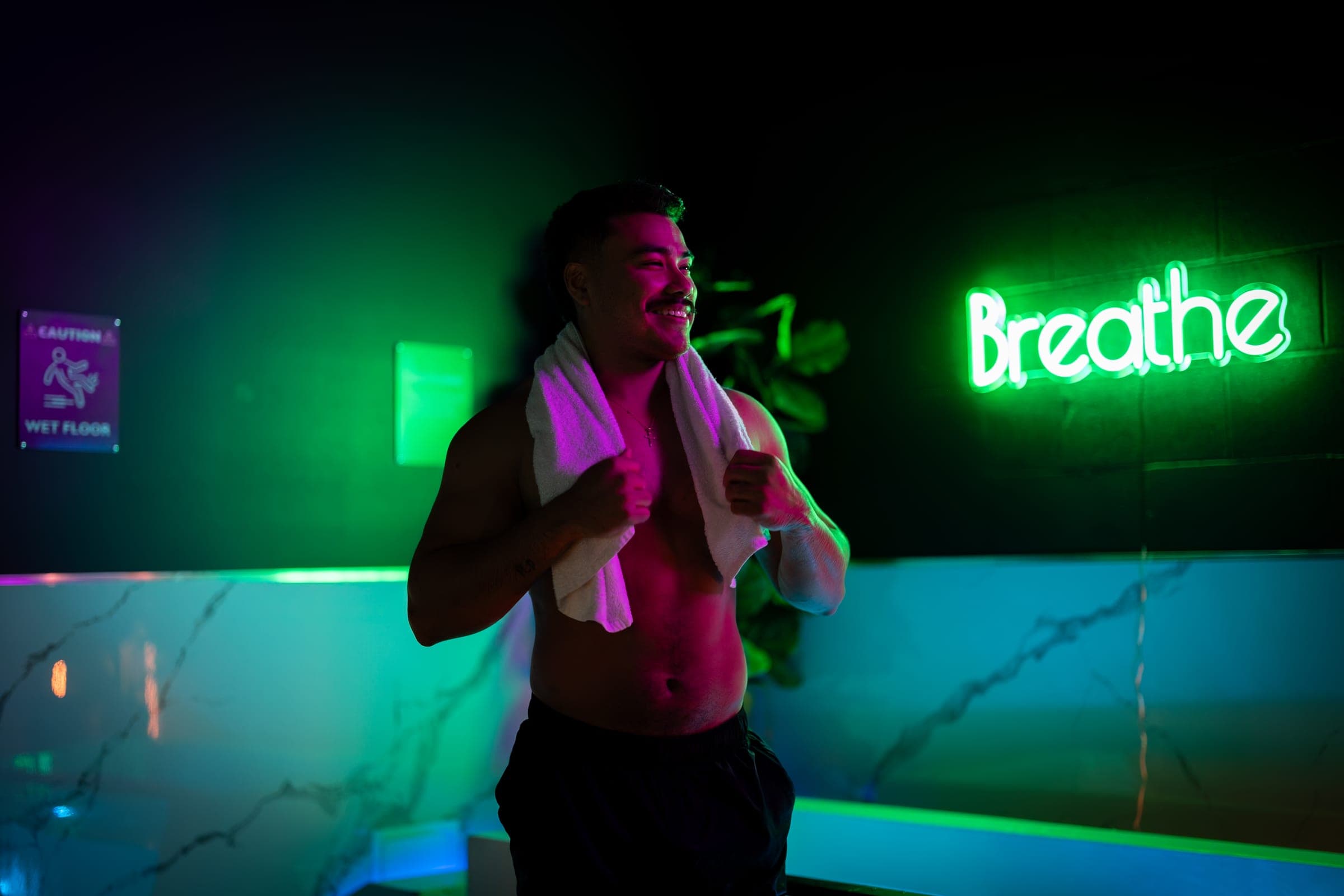
After you exit: Dry off immediately and change into warm, dry clothing. Sip a warm drink to help bring your body temperature back to normal. Avoid jumping straight into a hot shower or sauna, as extreme temperature changes can strain your cardiovascular system.
"After a cold plunge, don't shock your system by heading straight to a hot environment like a hot tub or sauna."Alison Sherwood, Medically Reviewed by Zilpah Sheikh, MD
Combining Infrared Sauna and Cold Plunge Contrast Therapy
Benefits of Contrast Therapy
Pairing infrared saunas with cold plunges creates a dynamic "vascular pump" that helps move blood, lymph, and waste throughout your system. Infrared heat causes your blood vessels to expand (vasodilation), while cold immersion makes them contract (vasoconstriction). Together, these actions flush out toxins and deliver fresh oxygen to your tissues.
Infrared heat also supports mitochondrial repair, while cold exposure stimulates the creation of new mitochondria through norepinephrine-activated brown fat. This process enhances your metabolic efficiency. Brown fat, packed with mitochondria - up to five times more than white fat cells - plays a key role in energy production and metabolism.
"Brown fat, a type of healthy fat stored around the spine that acts as our body's temperature regulator, boosts metabolism and can even aid blood-sugar response and weight control. The more we expose ourselves to the cold, the more brown fat cells we have."Dr. Susanna Soeberg, Expert in Contrast Therapy
Infrared light penetrates deep into the body, raising your core temperature more effectively than traditional saunas. This internal heat intensifies the thermal contrast during a cold plunge, helping your nervous system adapt and recover more efficiently. Finishing with cold immersion promotes recovery by calming the nervous system and locking in anti-inflammatory benefits. These complementary effects naturally lead to structured protocols, which are outlined in the next section.
Sample Contrast Therapy Protocols
A typical contrast therapy session alternates between heat and cold. Start with 10 to 20 minutes in an infrared sauna set to 130 to 150°F, followed by 1 to 3 minutes in a cold plunge at 45 to 55°F. Repeat this cycle 2 to 3 times, adjusting durations and cycles based on your experience level. Beginners should start slow and increase gradually as their tolerance builds.
| Protocol Phase | Recommended Duration | Temperature Range | Primary Benefit |
|---|---|---|---|
| Infrared Sauna | 10 to 20 Minutes | 130 to 150°F | Toxin release through sweat and vasodilation |
| Cold Plunge | 1 to 3 Minutes | 45 to 55°F | Lymphatic drainage and vasoconstriction |
| Cycles | 2 to 3 Rounds | N/A | Improved circulation (vascular pump effect) |
For long-term benefits, aim for a total of at least 11 minutes of cold exposure each week, spread across 2 to 4 sessions. Regular practice trains your body to respond more efficiently over time, enhancing the overall effectiveness of the therapy.
Why Choose Conscious Body Recovery for Contrast Therapy
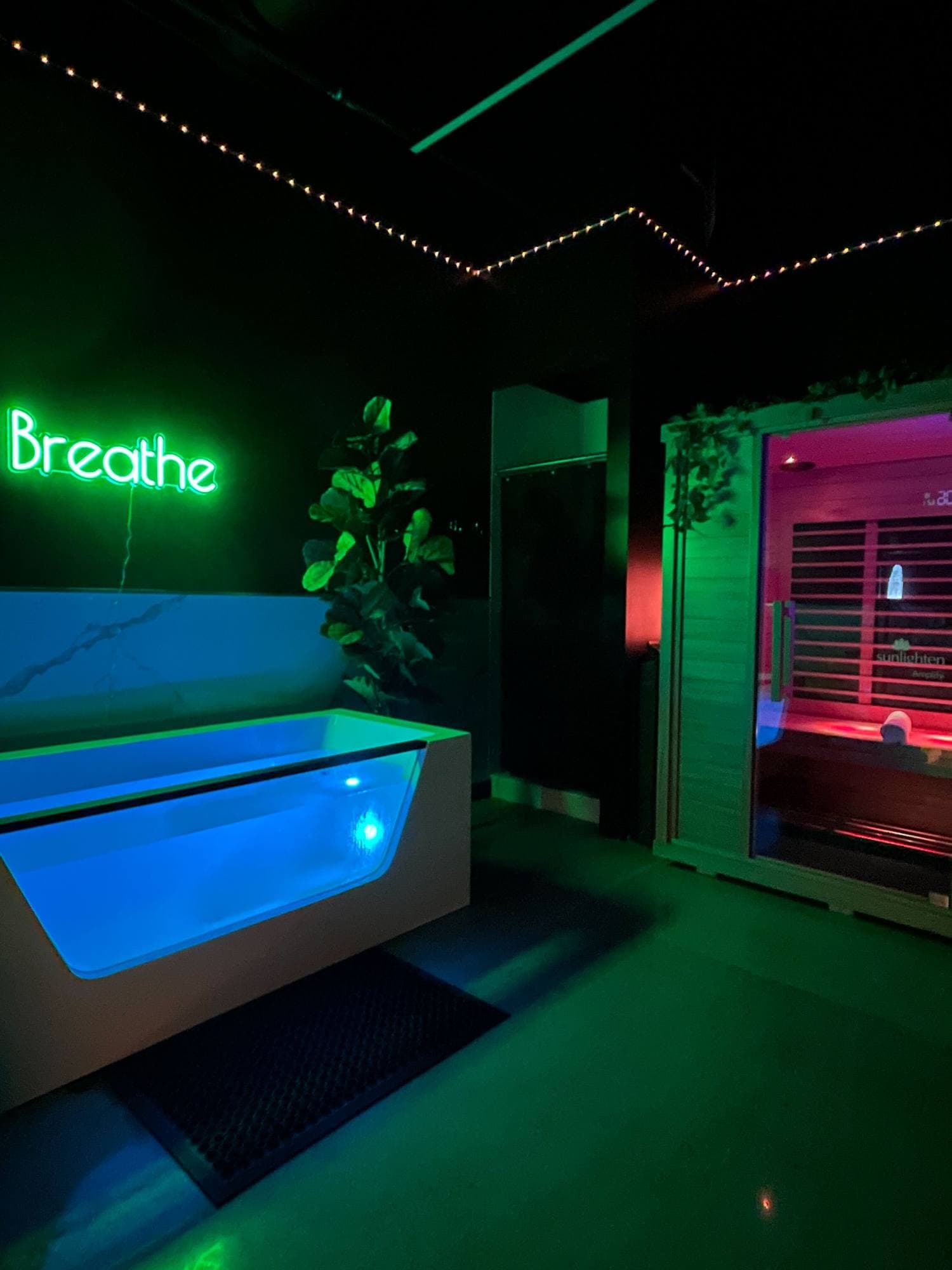
Conscious Body Recovery stands out as the only wellness center in San Diego offering private contrast therapy suites. These suites are designed for individuals, couples, or small groups, providing complete privacy and control over your experience. You can customize everything - from aromas to transition timing and session pacing - to fit your recovery needs.
Sessions are available in 25, 55, and 85-minute durations, giving you the flexibility to tailor your protocol to your schedule. Each suite includes precision infrared saunas and cold plunges, along with thoughtful amenities like fresh warmed towels, private showers, and refreshments. The self-serve setup allows you to move between heat and cold at your own pace, creating a calm and focused recovery environment.
Monthly memberships start at $199 for the Silver Unlimited plan (25-minute daily sessions) and $299 for the Gold Unlimited plan (55-minute daily sessions). These memberships make it easy and convenient to incorporate contrast therapy into your routine, supporting detox and cellular recovery with regular practice.
Lifestyle Habits That Support Cellular Detox
Incorporating certain lifestyle habits alongside cold therapy can significantly enhance cellular detox, helping your body function at its best.
Exercise and Movement
Regular exercise plays a key role in supporting the detox pathways activated by cold plunges. Activities like running, cycling, or swimming naturally boost lymphatic flow and improve blood circulation, which helps your body efficiently move and eliminate waste products. Notably, cold plunges can aid in recovery without interfering with endurance adaptations.
Timing is critical when it comes to resistance training. While cold plunges are excellent for reducing soreness after a workout, using them immediately after lifting weights may hinder muscle growth. This is because cold exposure can blunt the inflammatory signals necessary for muscle repair and growth. If building muscle is your goal, wait several hours after lifting before taking a cold plunge, or reserve cold therapy for days focused on endurance training.
Another powerful approach is alternating between heat and cold. This practice acts like a "workout" for your blood vessels, repeatedly expanding and contracting them to strengthen your cardiovascular system. Pairing this with activities like yoga or stretching enhances the effect. For example, cold exposure after a stretching session can reduce swelling and minimize delayed-onset muscle soreness.
Nutrition and Hydration
Staying hydrated is essential for effective detoxification, especially when incorporating cold therapy. Proper hydration ensures that toxins mobilized during cold exposure are efficiently transported to detox organs. As Kelly from the Haven Of Heat Team explains:
"Staying hydrated is crucial before and after a cold plunge to support the detoxification process. Water helps flush out toxins and maintains optimal bodily functions".
Your diet also plays a critical role. Consuming whole foods rich in antioxidants, vitamins, and minerals equips your liver and kidneys with the tools they need to process waste effectively. These nutrients also help neutralize reactive oxygen species (ROS) and combat oxidative stress, complementing the cellular benefits of cold therapy. Focus on colorful vegetables, berries, leafy greens, and sufficient protein to aid cellular repair. Some practitioners even recommend using binders like activated charcoal after sessions to capture toxins in the digestive tract.
By combining proper hydration, nutrient-dense foods, and thoughtful recovery practices, you can create a well-rounded detox strategy.
Rest and Recovery
Getting quality sleep is one of the most effective ways to support deep detoxification. During sleep, your body repairs tissues and processes the metabolic waste accumulated throughout the day. Cold plunges can help by lowering your core temperature, which promotes a state of recovery and improves sleep quality.
Cold exposure also regulates cortisol levels, reducing stress and making it easier to fall and stay asleep. By activating the parasympathetic "rest and recover" mode, cold therapy supports overnight cellular repair. For optimal results, consider taking your cold plunge in the evening. The drop in temperature helps prepare your body for a deeper, more restorative sleep. After the plunge, allow your body to warm up naturally instead of jumping into a hot shower - this helps maintain a relaxed, calm state that’s conducive to better rest.
Conclusion: Getting the Most from Cold Plunges for Cellular Detox
Cold plunges can play a powerful role in supporting your body's natural detox processes by improving circulation, stimulating autophagy, and enhancing metabolic activity. By boosting blood flow and lymphatic drainage, they help transport waste to detox organs like the liver and kidneys, aiding in overall cellular health. Plus, they trigger autophagy - your cells' natural cleanup mechanism - allowing them to repair and remove damaged components for better functioning.
Consistency is the secret to unlocking these benefits. A 2025 study from the University of Ottawa highlighted that while a single intense cold exposure might temporarily stress cells, regular sessions over a week significantly enhance autophagy and reduce cellular damage. As Glen Kenny, the study's senior author, explains:
"Our findings indicate that repeated cold exposure significantly improves autophagic function, a critical cellular protective mechanism".
To get started, research suggests aiming for a total of 11 minutes of cold exposure weekly, broken into 2 to 4 sessions lasting 1 to 5 minutes each. If you're new to cold therapy, begin with shorter sessions and gradually increase as your body adapts. Incorporate deep breathing techniques to manage the initial shock of the cold and help you relax. Aiming for at least three sessions per week can maximize the detox benefits while preparing your body for even greater results with contrast therapy.
Pairing cold plunges with infrared sauna sessions takes detox to the next level. Alternating between heat and cold creates a "flushing" effect, clearing out metabolic waste while delivering oxygen-rich blood to your tissues. For those in San Diego, Conscious Body Recovery offers private contrast therapy sessions with flexible membership plans, providing a personalized approach to recovery and wellness.
FAQs
How does cold exposure help detoxify cells?
Cold exposure triggers a natural process in your body called autophagy - a kind of cellular clean-up crew. When you're exposed to cold, your body undergoes mild stress that activates autophagy pathways. This process works by breaking down and recycling damaged proteins and organelles, effectively clearing out cellular "junk."
By activating autophagy, cold plunges can help maintain healthier cells, flush out toxins, and aid in recovery. It's a simple yet powerful addition to any wellness routine aimed at detoxing and revitalizing the body.
What safety tips should beginners follow when trying cold plunges?
If you’re just starting with cold plunges, following some basic safety guidelines can make the experience both safe and enjoyable. First, consult your doctor, particularly if you have heart issues, high blood pressure, or take medications. Begin with water temperatures between 50 to 60°F and ease your way into colder temperatures as your body adjusts. Keep initial sessions brief - just 1 to 2 minutes - and always listen to your body. If you feel dizzy, excessively cold, or numb, get out immediately.
To minimize risks, avoid hyperventilating before or during the plunge, and enter the water gradually to reduce the chances of cold shock. Steer clear of natural water sources that might be unsafe. Have a towel and warm clothing ready to heat up quickly afterward, and it’s a good idea to have someone with you or let someone know you’re doing a cold plunge.
For a beginner-friendly experience, Conscious Body Recovery in San Diego offers private contrast-therapy sessions. These include professionally maintained cold plunges and infrared saunas, providing a controlled environment with ideal temperature settings, timed exposures, and easy access to warming options. It’s a great way to safely enjoy the detox benefits while easing into the practice.
How does combining infrared saunas and cold plunges boost detoxification?
Contrast therapy, which pairs infrared sauna sessions with cold plunges, works wonders in boosting detoxification. Here’s how: the heat from the sauna triggers vasodilation (the widening of blood vessels), while the cold plunge induces vasoconstriction (the narrowing of blood vessels). This back-and-forth process ramps up blood and lymphatic circulation, aiding in flushing out toxins and encouraging cellular repair.
The dramatic temperature shifts also activate the body’s natural detox pathways, help reduce inflammation, and support recovery. This makes contrast therapy an excellent way to amplify the benefits of cold plunges.