Quick answer
- Benefits: Reduces muscle soreness, improves circulation, strengthens the immune system, lowers cortisol levels, and enhances mood.
- Getting Started: Begin with water temperatures of 50-59°F (10-15°C) for 30-60 seconds, gradually increasing to 2-3 minutes over time.
- Safety Tips: Consult a doctor if you have health conditions, start with short sessions, and always warm up gradually after plunging.
In this article · 6 sections
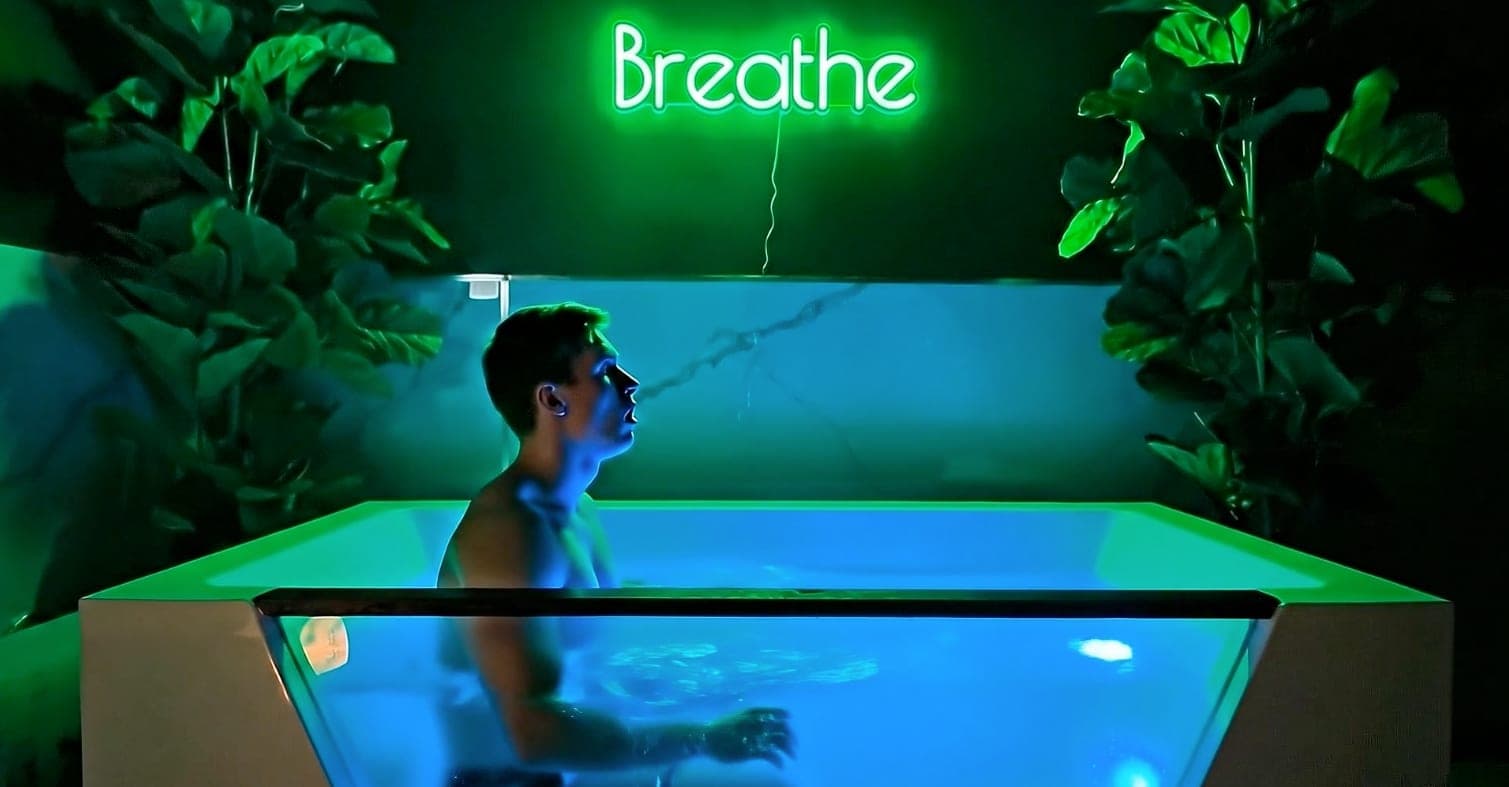
Cold plunge therapy involves immersing your body in cold water, typically below 50°F (10°C), to enhance physical recovery, boost immunity, and improve mental health. Here’s what you need to know to get started:
- Benefits: Reduces muscle soreness, improves circulation, strengthens the immune system, lowers cortisol levels, and enhances mood.
- Getting Started: Begin with water temperatures of 50-59°F (10-15°C) for 30-60 seconds, gradually increasing to 2-3 minutes over time.
- Safety Tips: Consult a doctor if you have health conditions, start with short sessions, and always warm up gradually after plunging.
- Tools Needed: A cold tub or large container, thermometer, timer, and warm towels or clothing for recovery.
Start slow, focus on controlled breathing, and aim for 11 minutes of total exposure per week to see results. Cold plunge therapy is a simple way to support both your physical and mental well-being.
How to Start Cold Plunge Therapy
Safety Tips and Things to Know
If you have medical conditions like heart problems or Raynaud's disease, talk to your doctor before trying cold plunge therapy. For added safety, have someone with you during your first few sessions. If you feel any discomfort, exit the water right away and warm up slowly.
Basic Equipment You'll Need
To get started, gather these essentials:
- A cold plunge tub or any large container
- A digital thermometer to check water temperature
- A timer to track your sessions
- Warm towels or clothing to use after your plunge
Best Water Temperature and Time
Begin with water temperatures between 50-59°F (10-15°C) and limit your first sessions to 30 seconds to 1 minute. Over time, aim for a total of 11 minutes per week, broken into 2-3 sessions. Remember, everyone’s tolerance is different, so focus on your own progress rather than comparing yourself to others.
With these basics in mind, you're ready to dive into the step-by-step process for your first cold plunge.
Steps for Cold Plunge Therapy
Creating a safe and effective cold plunge routine starts with easing into it, focusing on your breathing, and recovering properly. These steps help set the stage for long-term results.
Start Slow and Build Gradually
Ease your way into cold plunge therapy by starting with short sessions and increasing the duration over time. Here's a simple schedule to follow:
- Weeks 1-2: 30-60 seconds, twice a week
- Weeks 3-4: 1-2 minutes, 2-3 times a week
- Week 5 and beyond: 2-3 minutes, three times a week
Master Breathing Techniques
Controlled breathing is key to staying calm during a cold plunge. Practice diaphragmatic breathing before and during your session. Here's how:
- Inhale deeply through your nose, allowing your belly to expand.
- Exhale slowly through your mouth.
- Aim for a steady rhythm: 4 seconds to inhale, 6 seconds to exhale.
This technique activates your parasympathetic nervous system, helping you stay calm and in control.
Post-Plunge Recovery
After stepping out of the cold, follow these steps to recover effectively:
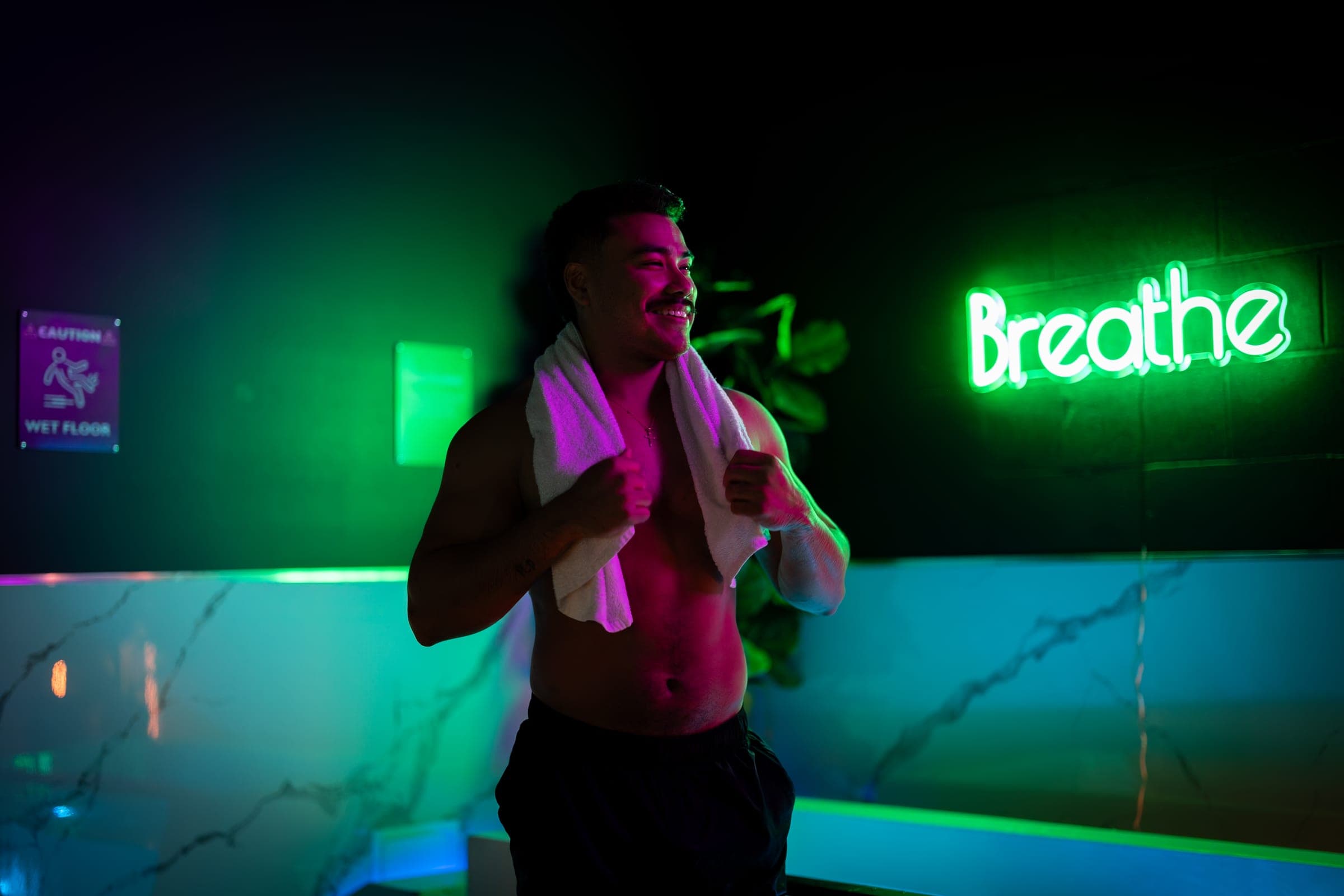
- Gently pat yourself dry with a warm towel.
- Put on dry clothes, starting with layers around your core.
- Engage in light activities, like walking, to boost circulation.
Avoid hot showers or intense exercise immediately after your session.
Consistency is key. Research indicates that regular cold exposure, done correctly, can help your body adapt to stress better and improve overall resilience.
Once you're comfortable with the basics, you can experiment with ways to make your sessions even more effective.
Tips to Get the Most Out of Cold Plunge Therapy
When to Do Cold Plunges
Starting your day with a cold plunge can be a game-changer. Early morning sessions are invigorating and align with your body's natural rhythms, helping boost alertness and set a positive tone for the day.
On the flip side, avoid plunging close to bedtime. The energizing effects can make it harder to wind down and get quality sleep. Once you figure out the best time for you, stick to a consistent schedule to see the best results.
Building a Routine
Creating a regular cold plunge habit takes some planning. Start slowly and gradually increase your exposure time and frequency over a few weeks. Research shows that about 11 minutes of total cold exposure per week is enough to reap the benefits.
Keep track of your progress with a journal or an app. This can help you monitor how your body reacts to different durations and frequencies, making it easier to fine-tune your routine over time.
Pay Attention to Your Body
Tuning into your body's signals is key to making cold plunge therapy both safe and effective. If you feel faint, short of breath, or experience extreme discomfort beyond the usual cold sensation, stop immediately.
Everyone adapts at their own pace. Some might notice progress quickly, while others take more time - and that's completely fine. Focus on your own journey instead of comparing yourself to others.
Ways to Improve Your Cold Plunge Sessions
Making the most of your cold plunge sessions goes beyond just stepping into icy water. By integrating additional therapies, you can amplify the benefits and build a well-rounded wellness routine.
Combining Cold Plunges with Other Therapies
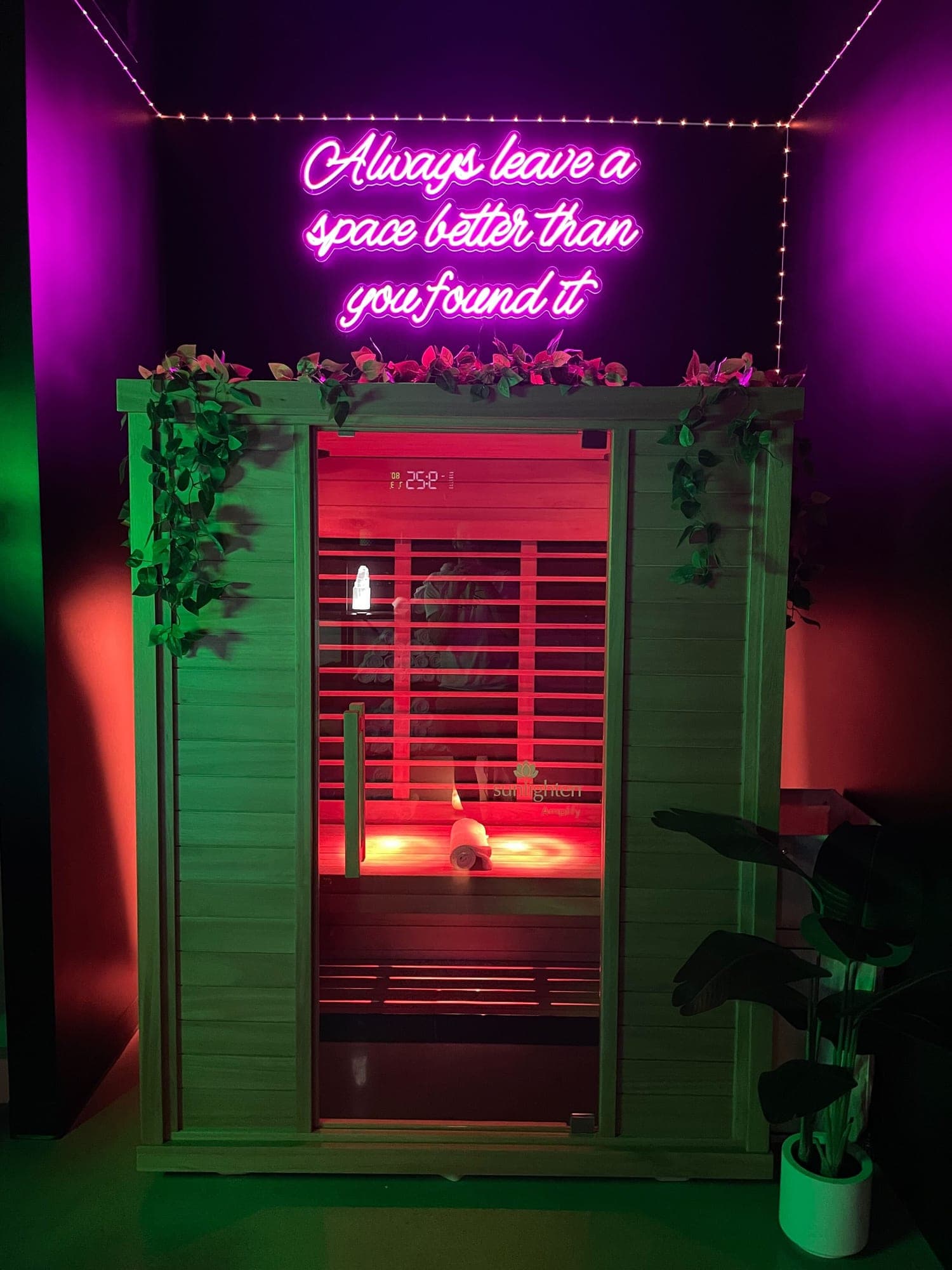
Switching between hot and cold exposure, also known as contrast therapy, can boost circulation, ease inflammation, and aid recovery. Pairing cold plunges with heat-based therapies, like infrared saunas, creates a dynamic combination that supports better immunity, deeper sleep, and even fat metabolism. Infrared saunas work well with cold plunges by improving blood flow, relaxing tight muscles, and encouraging detoxification through sweating. Together, these therapies promote heart health, recovery, and mental clarity.
"Combining cold plunges with other therapies can enhance benefits such as improved immunity, sleep quality, and fat-burning. Cold exposure can help reduce pain and improve mood by triggering the release of endorphins", says Dr. Frank Lipman.
Conscious Body Recovery: Private Therapy Options
If you're looking for a guided experience, Conscious Body Recovery offers private sessions that blend infrared saunas with cold plunges. These sessions are tailored for effectiveness, with expert guidance and adjustable durations to suit your needs. Their facilities feature clean, top-notch equipment and professional supervision, ensuring you get the most out of contrast therapy.
Summary and Final Thoughts
Cold plunge therapy can be a straightforward way to boost both physical and mental well-being when done regularly and safely. By following the steps outlined, you can make this practice a beneficial part of your daily routine.
Begin with water temperatures between 50-59°F (10-15°C) for 30-90 seconds, and slowly work up to 2-5 minutes as your body adjusts. Dr. Frank Lipman highlights that sticking to a routine and using proper techniques matters more than pushing your limits too quickly.
To stay safe, focus on key precautions: monitor water temperature, warm up beforehand, and recover with proper hydration and gradual warming. When done thoughtfully, cold plunge therapy can offer noticeable improvements to your overall health.
If you have any medical conditions, it's essential to consult a healthcare professional before starting. With the right approach and consistency, cold plunge therapy can become a powerful addition to your wellness practices.