Quick answer
- If I want to cut swelling and soreness after a hard workout, I’d pick a cold plunge.
- The main thing I’d keep in mind is simple: cold is for short-term flare-ups, heat is for longer-term support.
- If I were choosing between them, I’d match the method to the type of inflammation first, then build the routine around training, soreness, and sleep.
In this article · 7 sections
If I want to cut swelling and soreness after a hard workout, I’d pick a cold plunge. If I want steady support for low-grade inflammation, stress, and recovery, I’d lean toward an infrared sauna.
Here’s the short answer:
- Cold plunge fits acute inflammation
- Best for swelling, soreness, and DOMS after training
- Works by narrowing blood vessels
- Often used at 50 to 59°F for 2 to 5 minutes
- Research notes relief in the 48 to 96 hour window after exercise
- Cold exposure may trigger a 200 to 300% jump in norepinephrine
- Infrared sauna fits chronic, whole-body inflammation
- Best for low-grade inflammation, stiffness, and stress load
- Works by increasing blood flow
- Often used at 120 to 150°F for 15 to 30 minutes
- May help lower CRP, a marker linked to systemic inflammation
- Can also support sleep and post-training recovery
- Using both can make sense
- Contrast sessions often use 2 to 3 rounds
- A simple setup: 15 to 30 minutes heat, then 1 to 3 minutes cold
- End with cold for alertness or heat for a calmer evening
The main thing I’d keep in mind is simple: cold is for short-term flare-ups, heat is for longer-term support. And if muscle growth is the goal, I’d wait at least 6 hours after lifting before doing a cold plunge.
Quick Comparison
| Factor | Infrared Sauna | Cold Plunge |
|---|---|---|
| Best for | Chronic inflammation | Acute inflammation |
| Main effect | More circulation | Less swelling |
| Temperature | 120 to 150°F | 45 to 59°F |
| Session length | 15 to 30 minutes | 1 to 5 minutes |
| After lifting | Fine for recovery | Wait 6+ hours if muscle gain matters |
| Extra effect | Sleep and relaxation support | Energy and pain relief |
If I were choosing between them, I’d match the method to the type of inflammation first, then build the routine around training, soreness, and sleep.
How Infrared Saunas Help Reduce Inflammation
Unlike a standard sauna, which heats the air around you, an infrared sauna uses light waves to heat your body more directly. That heat reaches tissue and raises your core temperature from the inside out. Most sessions fall in the 120 to 160°F range, and that deeper heat is what makes infrared useful for inflammation.
As your core temperature rises, blood vessels widen and circulation increases. That can help your body move out metabolic byproducts and inflammatory signals more efficiently. With regular use over time, infrared sauna sessions may also lower C-reactive protein (CRP), which is a common marker tied to chronic systemic inflammation.
Infrared heat also triggers heat shock proteins, which help protect tissue and support repair after physical stress. That’s one reason infrared works well for steady, whole-body inflammation support.
There’s also a second layer to it. Sauna sessions can help shift the body toward recovery by easing stress and supporting better sleep, both of which play a part in lowering inflammation over time.
Why Heat Supports Whole-Body Recovery
Infrared heat is a good fit when the goal is sustained recovery support for chronic inflammation and muscle repair.
Sauna sessions also increase heart rate and create a light cardio-like effect. After training, heat can support recovery without interfering with repair signals in the way cold sometimes can.
You don’t need marathon sessions to get started. Short, moderate sessions are enough at first, while longer sessions tend to produce a stronger recovery response. If you want fast relief for swelling and soreness, saunas and cold plunges work in opposite ways to support recovery.
How Cold Plunges Help Control Inflammation
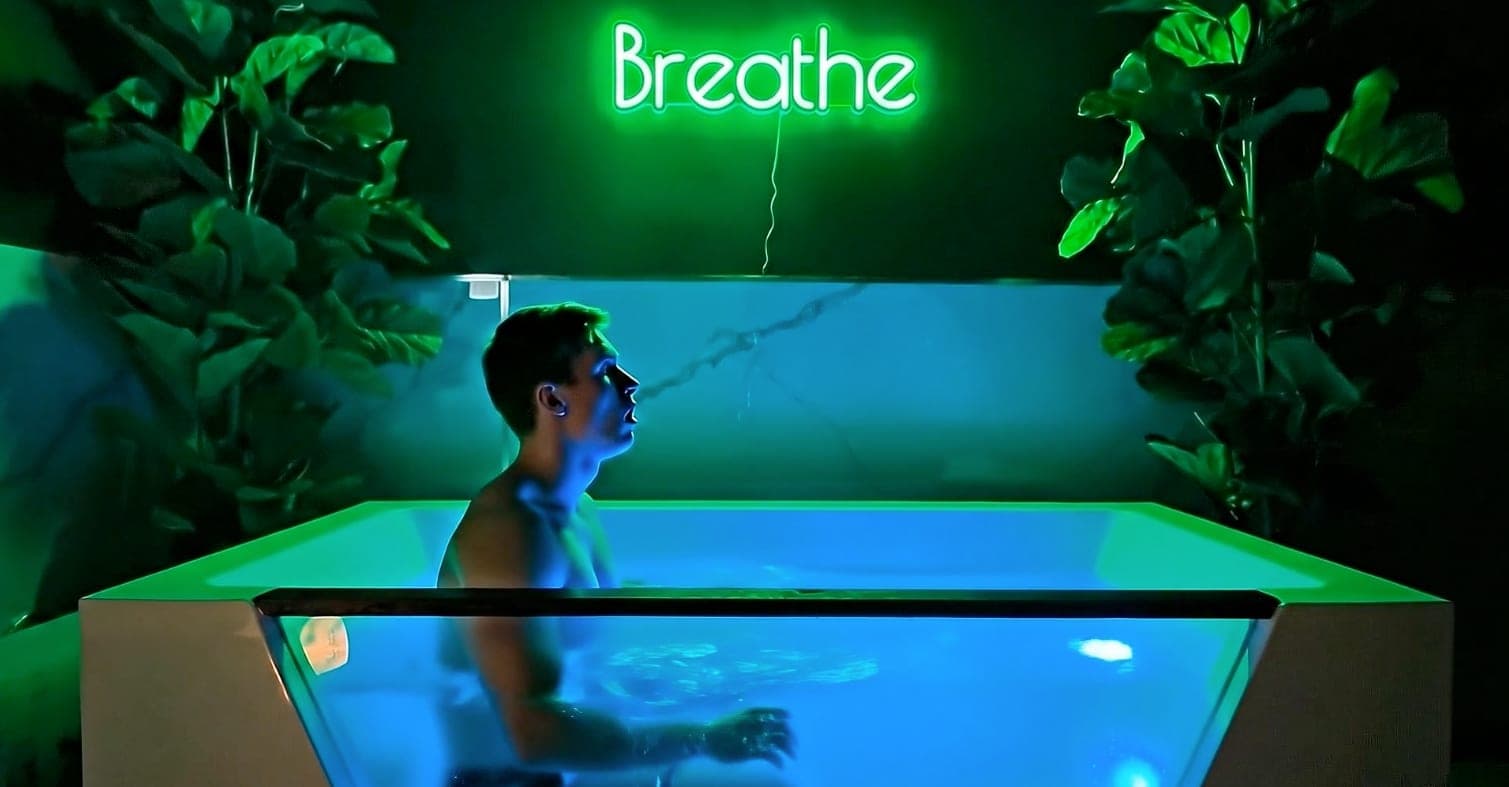
Cold plunges are the fast-relief play for acute inflammation. A cold plunge means full or partial immersion in cold water.
The main driver here is vasoconstriction. Cold narrows blood vessels and cuts blood flow to the skin and extremities. That can help limit swelling and inflammatory signaling in stressed tissue. It also lowers tissue metabolism and slows pain signals, which can make sharp, post-workout discomfort easier to handle. On top of that, cold exposure can trigger a 200 to 300% surge in norepinephrine, a neurotransmitter tied to alertness and anti-inflammatory effects.
For delayed onset muscle soreness (DOMS), research shows measurable relief in the 48 to 96 hour window after exercise. And after endurance or high-intensity training, even shorter sessions may cut fatigue and soreness.
There’s one catch. If your main goal is muscle growth, don’t jump into a cold plunge right after lifting. Wait at least 6 hours. That’s the tradeoff: cold is better for fast relief, while heat tends to fit longer-term recovery support.
Why Cold Works Best for Acute Soreness and Swelling
Cold exposure works best as a targeted recovery tool. It’s most useful when tissues feel hot, swollen, or irritated after a hard workout or long event.
The table below shows how to match your protocol to your goal:
| Goal | Temperature | Duration |
|---|---|---|
| Beginner adaptation | 60 to 65°F | 30 to 60 seconds |
| Acute soreness relief | 50 to 59°F | 2 to 5 minutes |
| DOMS reduction (research standard) | 50 to 59°F | 10 to 20 minutes |
Check with a doctor first if you take medications that affect blood pressure, circulation, or temperature regulation.
Infrared Sauna vs. Cold Plunge: Which One Fits Your Goal?
With the mechanisms clear, the choice comes down to your recovery goal.
Cold plunges are a better fit for acute inflammation. Infrared saunas are better for chronic inflammation and longer-term recovery. Cold narrows blood vessels to help limit swelling. Heat widens them to help circulation and repair.
| Feature | Infrared Sauna | Cold Plunge |
|---|---|---|
| Primary Mechanism | Vasodilation (vessel widening) | Vasoconstriction (vessel narrowing) |
| Inflammation Target | Chronic, systemic low-grade | Acute, post-workout swelling/DOMS |
| Typical Temperature | 120 to 150°F | 45 to 59°F |
| Session Duration | 15 to 30 minutes | 1 to 5 minutes (up to 20 minutes in research) |
| Primary Benefits | Heat shock protein activation, sleep support | Norepinephrine surge, immediate energy, rapid recovery |
| Key Safety Considerations | Dehydration, low blood pressure, avoid if feverish | Heart conditions, high blood pressure, cold-shock response |
Use the guide below to match each method to your training load, soreness, and recovery needs.
When to Choose an Infrared Sauna
Infrared heat makes sense when you're dealing with ongoing inflammation, chronic stiffness, or stress-related recovery problems. Regular sessions may help lower systemic inflammatory markers like CRP.
Heat also promotes vasodilation, which helps circulation without the muscle-gain tradeoff tied to immediate cold exposure. After strength training, sauna use avoids that same tradeoff linked to jumping into cold too soon.
When to Choose a Cold Plunge or Use Both Together
Cold works best after hard training, swelling, or endurance events when fast recovery matters most. A common rule of thumb is to wait at least 6 hours after resistance training before cold immersion, so you don't blunt muscle growth.
If you want both effects, contrast therapy - alternating heat and cold, using contrast therapy for recovery, can give circulation a strong push. Research shows it can reduce creatine kinase, a marker of muscle damage, by 20 to 25% and lower systemic inflammation markers by 30 to 40%. End with cold if you want alertness, or finish with heat if better sleep is the goal. The next step is turning that choice into a simple private routine. You can also use a recovery speed calculator to see how these methods shorten your downtime.
Building a Private Contrast Therapy Routine
Now comes the part that matters most: how to set up the session.
A simple place to start is 15 to 30 minutes in an infrared sauna (120 to 150°F), then 1 to 3 minutes in a cold plunge (45 to 55°F), repeated for 2 to 3 cycles. That gives you a clear rhythm without making the session feel like a chore.
The finish matters too. End with cold if you're doing contrast therapy during the day and want more alertness. End with heat if your goal is sleep and a calmer wind-down. Most people do well with this routine 2 to 4 times per week as part of a steady recovery habit.
Here are a few sample protocols you can use right away:
| Recovery Goal | Recommended Protocol |
|---|---|
| Muscle Recovery | 15 min sauna → 2 min cold → 10 min sauna → 1 min cold |
| Stress Relief | 20 min sauna → 1 min cold → 15 min sauna → 1 min cold |
| Performance Boost | 12 min sauna → 3 min cold → 12 min sauna → 2 min cold |
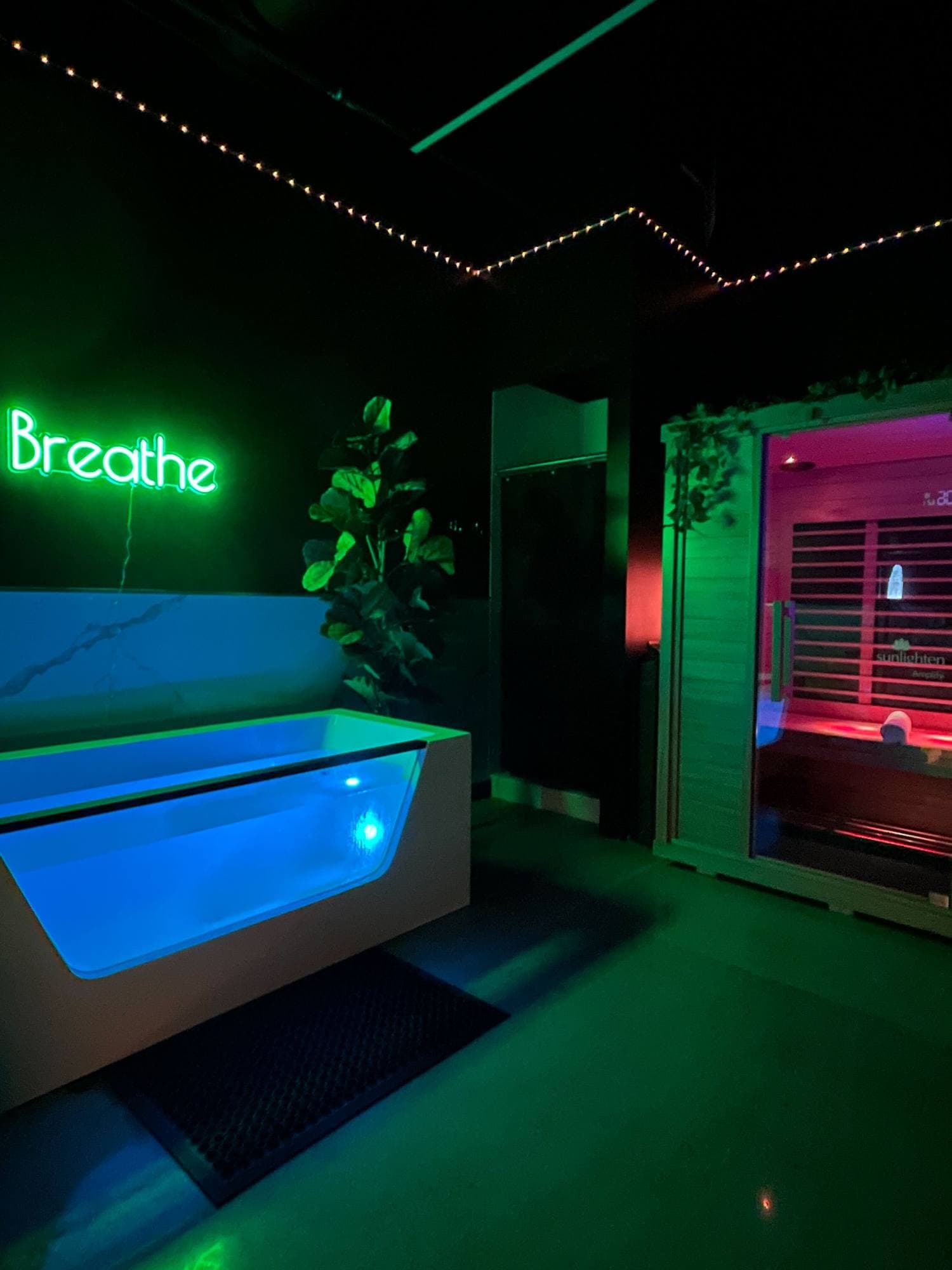
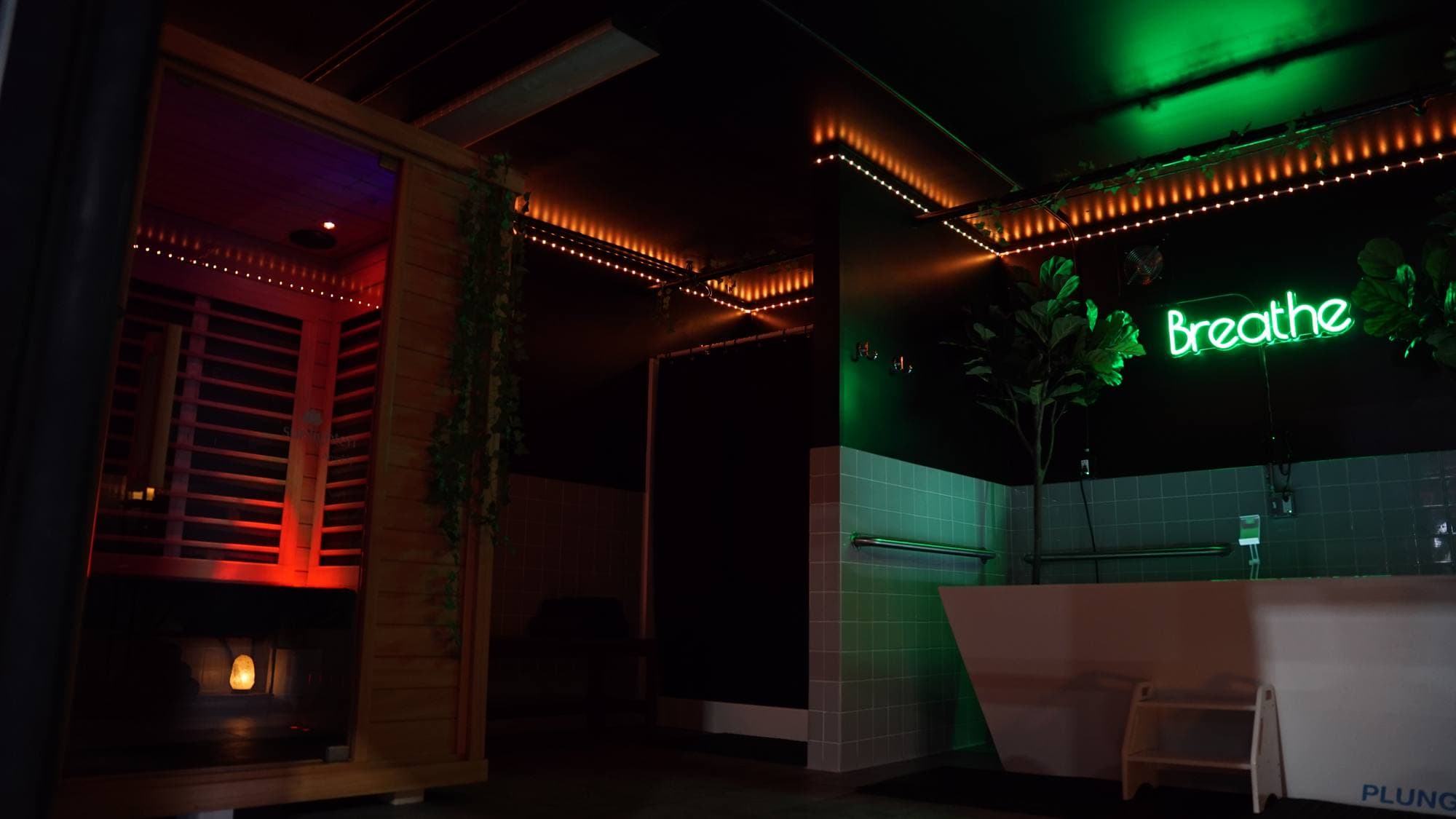
If you want a private setup instead of a busy spa or gym, Conscious Body Recovery offers infrared sauna and cold plunge sessions in 25-, 55-, or 85-minute options. You can book single sessions or go with packages or memberships.
Conclusion: Heat for Long-Term Support, Cold for Fast Relief
Infrared heat supports longer-term recovery. Cold immersion works best for acute soreness and swelling. Use both when you want fast relief and longer-term support.
FAQs
Can I use infrared sauna and cold plunge on the same day?
Yes. Using an infrared sauna and a cold plunge on the same day is common. It’s often part of contrast therapy to support recovery, circulation, and inflammation.
Switching between heat and cold creates a vascular pump effect. That process helps flush toxins and move oxygen to your tissues. At Conscious Body Recovery, private suites make it easy to move through these cycles based on your wellness goals.
How do I know if my inflammation is acute or chronic?
Acute inflammation usually comes from a recent, short-term trigger, like soreness or swelling after a hard workout or an injury. It tends to show up in one area, often as pain you can pinpoint or swelling you can see.
Chronic inflammation sticks around much longer and is more often tied to deeper issues, such as chronic stress, hormone imbalances, poor sleep, or long-term immune dysregulation.
Who should avoid cold plunges or infrared saunas?
These therapies are generally safe, but talk to your doctor first if you’re pregnant or have heart or circulation issues. That also applies if you have heart disease, high blood pressure, or take blood pressure medication.
Use extra caution with cold plunges or skip them if you have:
- cold allergy
- Raynaud’s
- peripheral vascular disease
- open wounds
- infections
- a weakened immune system
You should avoid infrared saunas if you have:
- kidney disease
- active infections
- fever
- bleeding
- heat-sensitive conditions
- implanted medical devices