Quick answer
- Recovery has become more than a fitness buzzword.
- Because the provided video transcript was not included, the specific claims, examples, and narrative flow from the source are not specified in the video materials available here.
- Instead, it expands on the theme with practical context for wellness-minded readers who want to understand the purpose behind heat and cold therapy.
In this article · 16 sections
How Saunas and Cold Plunges May Support Recovery
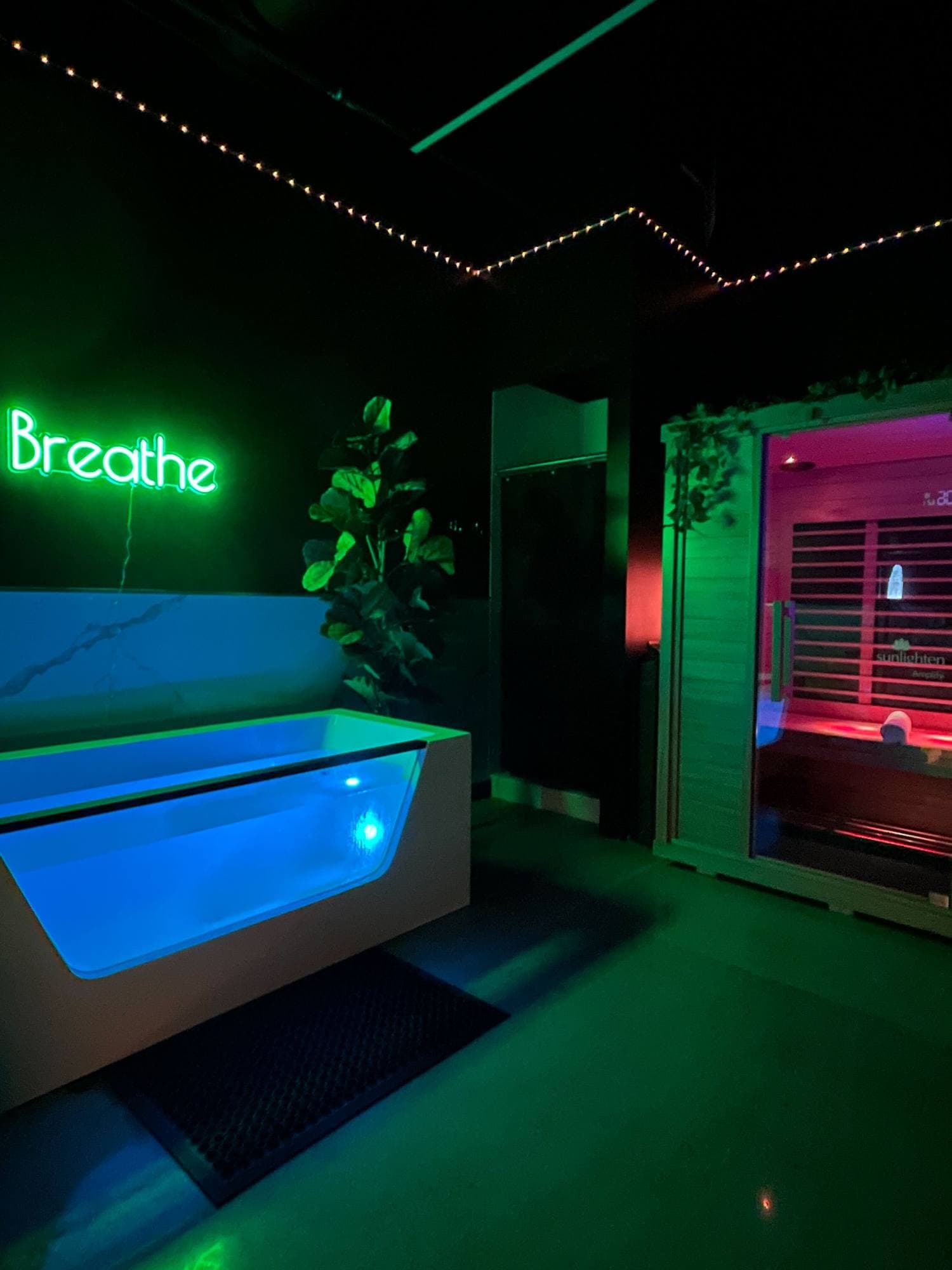
Recovery has become more than a fitness buzzword. For many people, it is the missing piece between training hard, managing stress, and actually feeling well. Among the most talked-about recovery tools today are saunas and cold plunges - two practices often used together in contrast therapy.
Because the provided video transcript was not included, the specific claims, examples, and narrative flow from the source are not specified in the video materials available here. Still, based on the topic alone, it is possible to build a useful, reader-friendly analysis of how sauna use and cold exposure are commonly understood to support recovery, where they may help most, and what a thoughtful routine can look like.
This article is not a substitute for the original video. Instead, it expands on the theme with practical context for wellness-minded readers who want to understand the purpose behind heat and cold therapy.
Key Takeaways
- Saunas and cold plunges are often used to support recovery, especially after training, stress, or periods of physical fatigue.
- Heat may encourage relaxation, circulation, and muscle comfort, while cold is commonly used to reduce perceived soreness and create a feeling of alertness.
- Contrast therapy alternates heat and cold to create a strong physiological shift that many people find refreshing and restorative.
- The best protocol depends on your goal - deep relaxation, post-workout recovery, resilience training, or mental reset.
- More is not always better; short, controlled sessions are often more sustainable than extreme exposure.
- Consistency matters more than intensity for most people building a long-term wellness routine.
- Hydration, timing, and personal tolerance are essential, especially if you are new to either practice.
- People with medical conditions should use caution, since heat and cold can place stress on the cardiovascular system.
Why Recovery Deserves More Attention
Many health-conscious people are not simply looking for symptom relief. They want habits that help them stay balanced over time - physically, mentally, and emotionally. That is part of why sauna bathing and cold immersion have become so popular.
These practices fit a broader shift in wellness: moving from reactive care to proactive recovery. Instead of waiting until stress, tension, or burnout become overwhelming, people are building rituals that help regulate the body on a regular basis.
For athletes and active adults, recovery can mean fewer lingering aches and a better return to training. For busy professionals, it may mean decompression after long hours, more mental clarity, and a stronger sense of reset.
What a Sauna Does for the Body
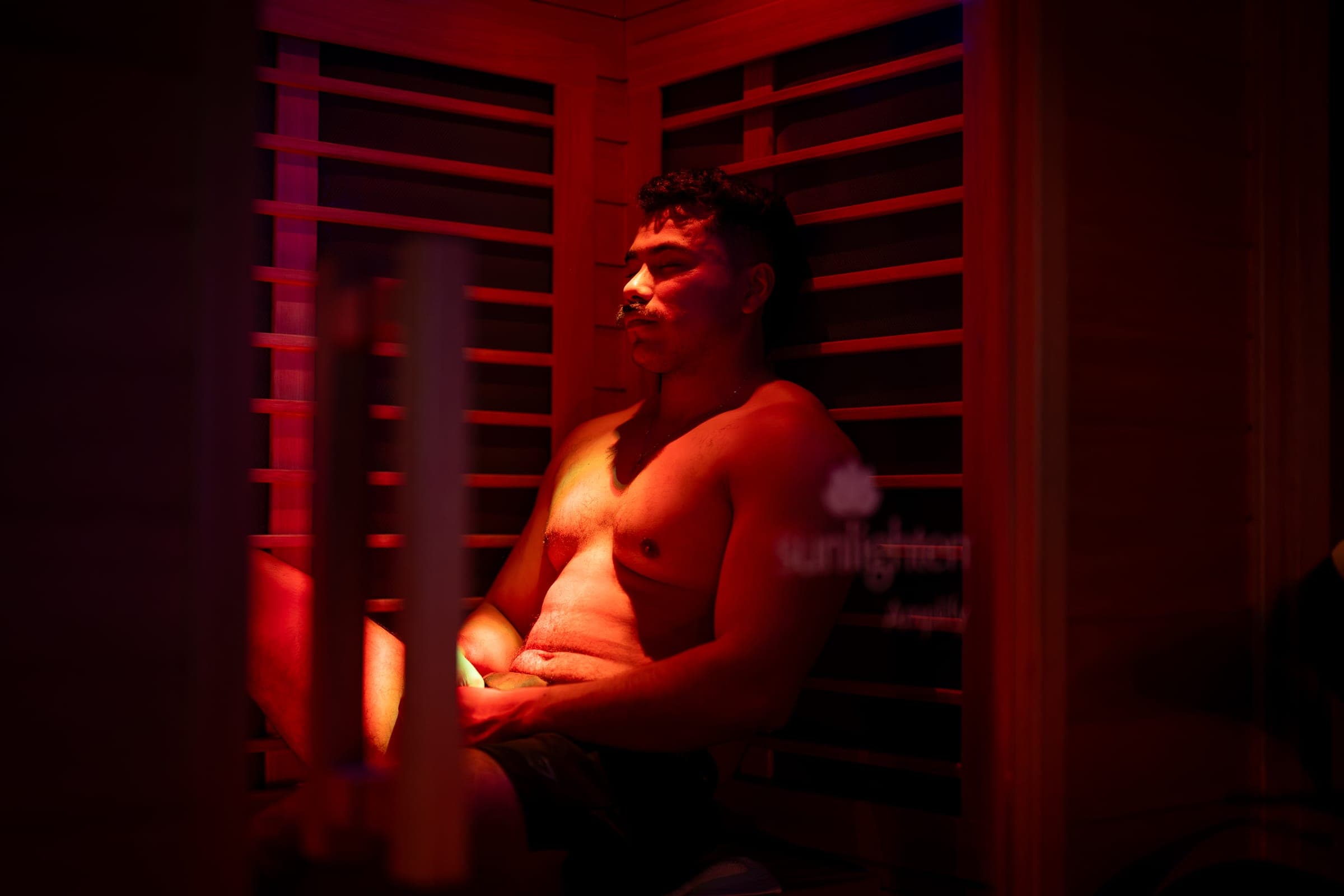
A sauna exposes the body to sustained heat, which creates a predictable stress response. Heart rate rises, blood vessels widen, and sweating increases. That combination often produces a sense of physical release.
Potential recovery benefits of sauna use
While exact effects depend on session length, temperature, and the individual, sauna use is commonly associated with:
- Muscle relaxation
- Temporary relief from stiffness
- Increased circulation
- A calming effect on the nervous system
- A transition from "go mode" to rest mode
This matters for recovery because not all fatigue is purely muscular. Sometimes the body is carrying stress as much as exertion. Heat can help create the conditions for downshifting.
Why heat feels restorative
Part of sauna’s appeal is simple: it slows you down. In a world full of stimulation, stepping into a warm, quiet room removes distractions and encourages stillness. That can be especially valuable for people who already exercise regularly but struggle to recover well because their nervous system never fully settles.
In that sense, sauna recovery is not just about tissue or circulation. It is also about state change - moving from tension into calm.
What a Cold Plunge Does for the Body
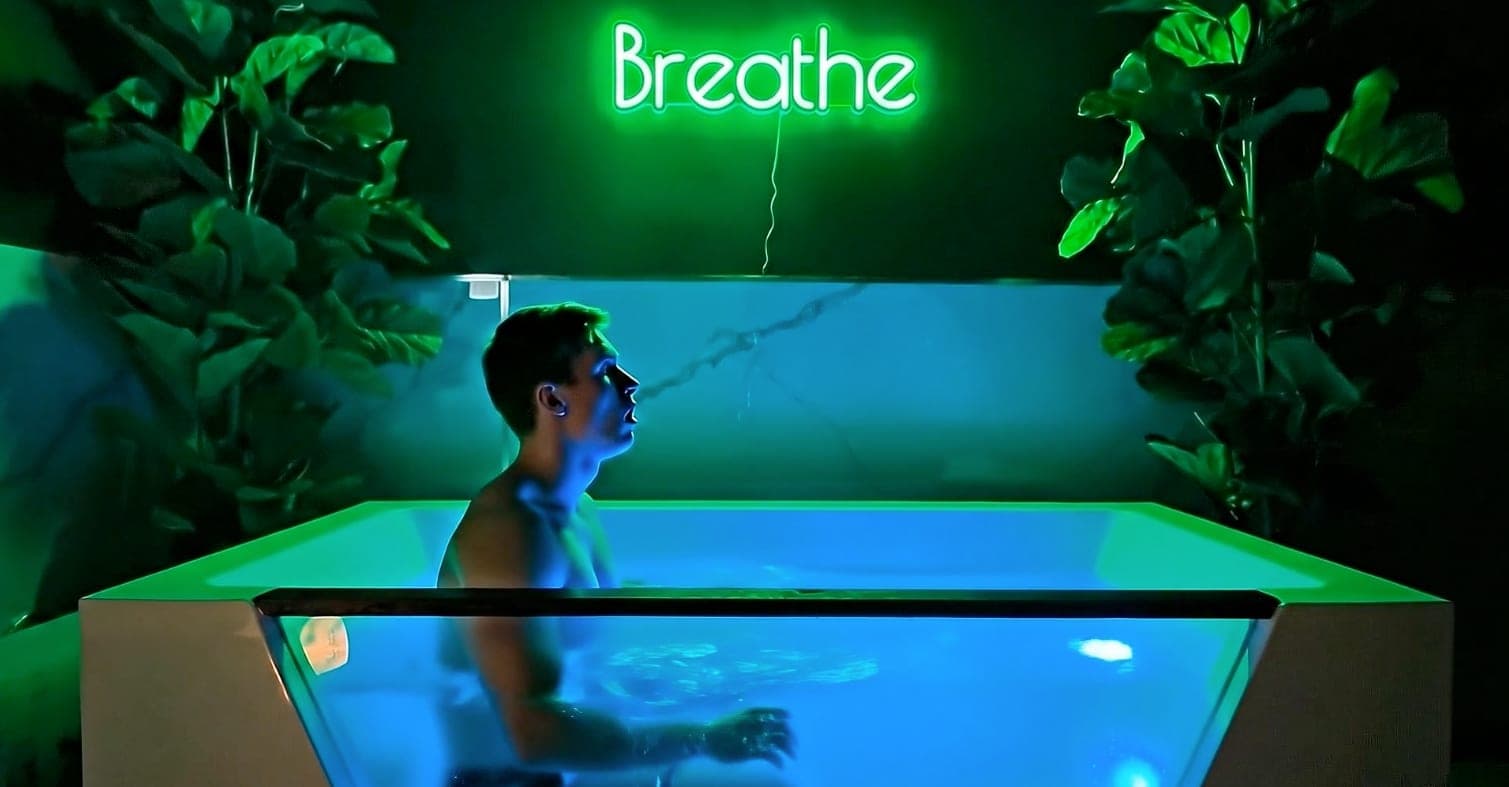
Cold plunges create the opposite kind of stimulus. Instead of softening into warmth, the body reacts to sudden cold with an immediate surge of alertness. Breathing changes, blood vessels constrict, and the mind becomes sharply focused.
Potential recovery benefits of cold exposure
Cold plunges are commonly used for:
- Reducing the sensation of soreness
- Supporting recovery after intense exercise
- Boosting alertness
- Building tolerance to discomfort
- Creating a strong mental reset
Many people describe cold immersion as a fast way to "clear the system." That does not mean it solves every recovery problem, but it can produce a noticeable shift in how the body feels.
Why cold can feel powerful
Cold exposure is intense, but that intensity is part of the appeal. It demands presence. You cannot casually scroll your way through a cold plunge. Your attention goes straight to the breath, the body, and the immediate moment.
For people who value mindfulness, that can be one of the hidden benefits. A cold plunge is not only physical; it can also function as a forced interruption of mental noise.
Why People Combine Saunas and Cold Plunges
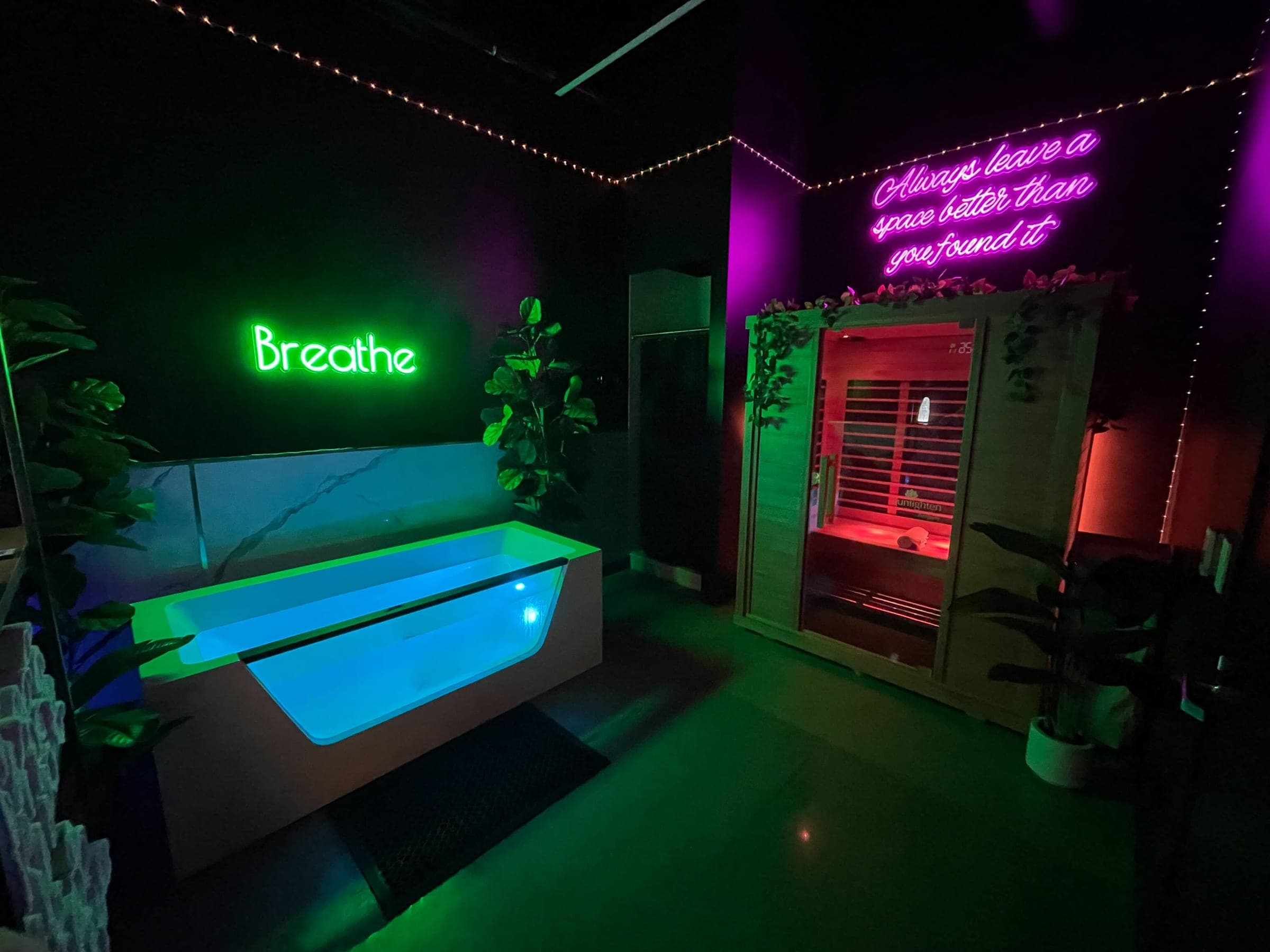
Using heat and cold together is often called contrast therapy. The idea is that alternating between two very different stimuli may create a stronger recovery effect than either one alone for some individuals.
The basic logic of contrast therapy
Heat tends to feel expansive and relaxing. Cold tends to feel contracting and stimulating. Moving between the two can create:
- A sharper sense of physical reset
- More noticeable shifts in circulation
- A blend of calm and alertness
- A ritualized recovery experience that engages both body and mind
Some people finish on cold to feel energized. Others finish on heat to leave feeling relaxed. The "best" ending depends on the goal.
Sauna vs. Cold Plunge: Which Is Better for Recovery?
There is no universal winner. Each tool does something different.
Sauna may be a better fit if your goal is:
- Relaxation
- Stress reduction
- Loosening up after a long day
- Gentle support for tight muscles
- Creating a slow, meditative recovery session
Cold plunge may be a better fit if your goal is:
- Feeling refreshed quickly
- Easing post-workout soreness
- Sharpening focus
- Building resilience through controlled discomfort
- Recovering after high-intensity effort
Contrast therapy may be best if you want:
- A more immersive wellness ritual
- Both relaxation and stimulation
- A strong mental and physical reset
- A recovery routine that feels intentional and structured
The Role of the Nervous System in Recovery
One of the most useful ways to understand sauna and cold plunge therapy is through the nervous system.
Recovery is not just about muscles rebuilding. It is also about whether your body can move effectively between activation and rest. Many people are stuck in a chronic low-grade stress state: tired, tense, wired, and never fully recovered.
- Sauna often helps promote parasympathetic activity - the "rest and digest" side of the nervous system.
- Cold exposure initially triggers a stress response, but over time, controlled practice may help some people improve their response to stress.
That combination is one reason contrast therapy can feel so compelling. It gives the body a chance to experience stress and recovery in a deliberate, contained way.
How to Think About Timing
Without a transcript, the video’s timing recommendations are not specified in the video. In general, timing depends on intent.
After a workout
People often use:
- Sauna for relaxation and decompression
- Cold plunge for soreness management and post-exertion recovery
On a rest day
Heat and cold can become part of a broader self-care ritual, especially when paired with:
- Breathwork
- Light mobility
- Meditation
- Gentle walking
During stressful periods
A sauna session may be especially appealing when the bigger problem is nervous system overload rather than exercise fatigue. A cold plunge may work better when someone feels mentally sluggish and wants a fast reset.
A Practical Approach for Beginners
If you are new to heat or cold exposure, simplicity is usually the best place to start.
Beginner-friendly guidelines
- Start with short sessions
- Focus on steady breathing
- Avoid treating it like a toughness contest
- Pay attention to how your body responds later, not just during the session
- Build a routine you can repeat consistently
A common mistake is assuming that extreme exposure produces better results. In practice, people often benefit more from a moderate routine they can maintain.
Common Misunderstandings About Recovery Tools
"If it feels intense, it must be working better"
Not necessarily. Intensity and effectiveness are not the same thing. Overdoing heat or cold can leave you depleted rather than restored.
"Recovery means doing less"
Not always. Effective recovery is active in its own way. It means using the right input at the right time, whether that is movement, sleep, hydration, heat, or cold.
"Everyone should use the same protocol"
Recovery is deeply individual. Training volume, stress load, sleep quality, health status, and personal preference all matter.
Safety Considerations That Should Not Be Ignored
Saunas and cold plunges are popular, but they are not risk-free.
Use extra caution if you have:
- Cardiovascular concerns
- Blood pressure issues
- A history of fainting
- Pregnancy-related considerations
- Sensitivity to heat or cold
- Any medical condition that affects circulation or autonomic regulation
Also keep in mind:
- Hydration matters
- Avoid alcohol before or during sessions
- Stop if you feel dizzy, numb, panicked, or unwell
- New users should ease in gradually
If you have health concerns, medical guidance is important before beginning a heat or cold routine.
What Makes These Practices So Appealing Right Now
Beyond physical benefits, saunas and cold plunges match the values of today’s wellness culture. They offer:
- Privacy
- Ritual
- Sensory reset
- A non-digital experience
- Personalized pacing
For people seeking balance, that matters. These are not passive entertainment experiences. They are intentional moments that ask you to tune in.
That may be part of their real staying power. In a culture of constant stimulation, both heat and cold create an experience you can actually feel - immediately, unmistakably, and without much explanation.
How to Decide What Works for You
The best recovery method is the one that fits your body, your schedule, and your broader wellness goals.
Ask yourself:
- Do I need to relax or re-energize?
- Am I recovering from hard training or chronic stress?
- Do I prefer gentle restoration or high-intensity reset?
- Can I use this regularly without overcomplicating my routine?
Those questions matter more than trends.
Conclusion
Saunas and cold plunges have become popular for good reason: they offer distinct, tangible ways to support recovery. Heat tends to soothe and soften, while cold tends to sharpen and invigorate. Used alone or together, they can help people create more intentional recovery routines that support both body and mind.
The most important insight is this: recovery is not one-size-fits-all. Some people need deeper rest. Others need a reset that brings them back online. Saunas and cold plunges can each play a role, but their value depends on how thoughtfully they are used.
Because the source transcript was not provided, the article cannot verify the video’s specific claims or recommendations. Still, the broader lesson remains clear: recovery works best when it is treated not as an afterthought, but as a core part of long-term well-being.
Source: "Are saunas and cold plunges actually good for you? - BBC World Service" - BBC World Service, YouTube, May 7, 2026 - https://www.youtube.com/watch?v=WCKrgYEN19g