Quick answer
- Improves Circulation: Heat expands blood vessels by up to 70%, while cold constricts them by 90%, creating a "vascular pump."
- Reduces Muscle Soreness: Studies show a 31% faster recovery from soreness when compared to rest.
- Supports Mental Recovery: Cold exposure increases dopamine by 250%, improving focus and motivation.
In this article · 11 sections
Key Benefits of Contrast Therapy
- Improves Circulation: Heat expands blood vessels by up to 70%, while cold constricts them by 90%, creating a "vascular pump."
- Reduces Muscle Soreness: Studies show a 31% faster recovery from soreness when compared to rest.
- Supports Mental Recovery: Cold exposure increases dopamine by 250%, improving focus and motivation.
- Speeds Up Strength Recovery: Pairing a 15-minute sauna with a 3-minute cold plunge can enhance recovery by 25%.
Practical Protocols for Effective Recovery
- Infrared Sauna + Cold Plunge: Alternate 15 minutes of heat (120 to 140°F) with 3 minutes of cold (50 to 59°F). Repeat 1 to 5 cycles based on experience.
- Contrast Showers: Alternate 3 minutes of hot water with 1 minute of cold for 4 to 5 cycles.
- Contrast Baths: Target specific areas like calves or hands with warm and cold water immersion.
Safety Tips for Contrast Therapy
- Consult a doctor if you have heart conditions or other health concerns.
- Start with shorter cold exposure (20 to 30 seconds) if new to this method.
- Avoid heavy meals before sessions and stay hydrated.
By integrating contrast therapy into your routine, you can combat winter stiffness, recover faster, and maintain peak performance throughout the season.
What Contrast Therapy Does for Athletes
Understanding Contrast Therapy
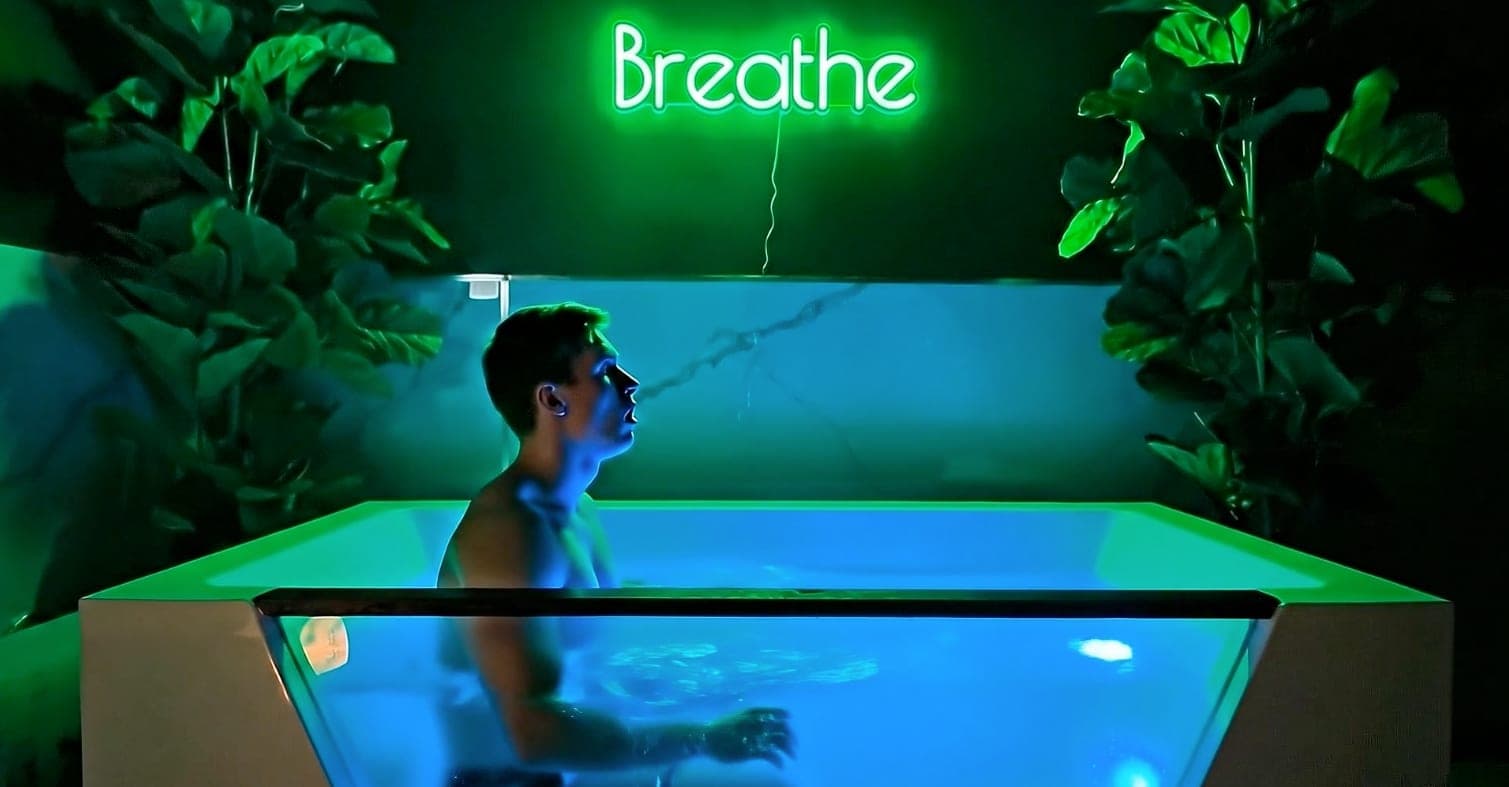
Contrast therapy involves alternating between heat and cold - commonly using a sauna and a cold plunge or ice bath - to stimulate specific recovery processes. This temperature shift is intentional, pushing the body to respond in ways that simple rest cannot. By switching between heat and cold, athletes can unlock recovery benefits that go beyond passive relaxation.
"Think of your body like a thermostat. When you jump from a 180°F sauna to a 45°F plunge, you are basically asking that thermostat to do a 100-meter dash." - Tyler McDonald, NASM-CPT, CNC
The most popular setup includes an infrared sauna paired with a cold plunge, but other methods, like contrast baths or showers, can deliver similar results. The effectiveness lies in the deliberate temperature changes, not necessarily the equipment used.
Key Physical Benefits of Contrast Therapy
Heat causes blood vessels to expand, increasing their width by up to 70%, which floods muscles with oxygen, glucose, and amino acids - essential components for repair. Cold exposure, on the other hand, forces blood vessels to constrict by up to 90%, helping flush out metabolic waste like lactate and inflammatory cytokines. This process, often referred to as a "vascular pump," moves blood and lymphatic fluid through the body more efficiently than passive recovery.
This is particularly useful during winter, when cold weather naturally slows circulation and tightens connective tissues. Contrast therapy helps counteract these effects, keeping muscles flexible and joints mobile, even in challenging conditions.
"You're actually improving the strength and plasticity of your vasculature, which is super good for your cardiovascular health." - Josh Hagen, PhD, Ohio State University
The benefits extend beyond circulation. Alternating temperatures also engage the autonomic nervous system. Cold exposure activates the sympathetic "fight-or-flight" response, while heat triggers the parasympathetic "rest-and-digest" state. This back-and-forth helps balance heart rate variability (HRV), a critical indicator of how well the body is recovering between workouts. Emerging studies support these measurable physiological changes.
What the Research Says About Contrast Therapy
Recent research highlights the effectiveness of contrast therapy. A 2026 randomized trial showed that it sped up recovery from delayed-onset muscle soreness (DOMS) by 31% compared to passive rest. Additionally, a review of 13 studies revealed that athletes experienced significantly less muscle soreness at every checkpoint up to 96 hours post-exercise.
"Contrast therapy is one of the few interventions where you get the benefits of heat shock proteins and cold shock proteins in the same session. You're stacking two distinct cellular stress responses that hit different repair pathways." - Dr. Rhonda Patrick, Founder, FoundMyFitness
This dual stress response is unique to contrast therapy, as it activates repair mechanisms that neither heat nor cold can achieve alone. When combined with proper sleep, nutrition, and cold plunge safety best practices, contrast therapy becomes a powerful tool for resetting performance.
Winter Training Challenges and How Contrast Therapy Addresses Them
Common Winter Training Problems
Winter training brings unique hurdles that can throw even the most dedicated athletes off track. For starters, cold air tightens muscles, limiting your range of motion right from the beginning. On top of that, blood flow shifts toward your core to keep you warm, leaving your arms and legs with reduced circulation. This can make them feel heavy and sluggish during workouts like runs or rides. Combine this with the fatigue of a long training block, and your body becomes slower to recover, with soreness sticking around longer than usual.
The mental challenges of winter training are just as real. Shorter days and gray skies can sap your motivation, making it harder to stay consistent. This is where contrast therapy steps in, using a mix of heat and cold exposure to tackle these winter-specific struggles.
How Contrast Therapy Helps with Winter Training
Contrast therapy is a game-changer for addressing the physical toll of winter training. By alternating between heat and cold, it boosts circulation, helping to loosen stiff muscles and improve overall blood flow during those colder months.
Heat exposure activates proteins that aid in cellular repair, while cold immersion reduces inflammation, cutting down on post-training soreness. For example, research shows that pairing a 15-minute sauna session with a 3-minute cold plunge can speed up strength recovery by 25% compared to just resting. That’s a big advantage for athletes training four or five days a week in the dead of winter.
Mental and Physical Recovery During Long Winter Cycles
Contrast therapy isn’t just about muscles - it also helps keep your mind in the game. Cold exposure has been shown to increase dopamine levels by 250% and double plasma norepinephrine, which boosts both motivation and focus. Over the course of a long winter training block, this cycling between cold-induced alertness and the calming effects of heat creates a reset for your nervous system. It keeps you mentally sharp and physically prepared for your next session.
For those in San Diego looking for a consistent way to integrate contrast therapy into their routine, Conscious Body Recovery offers private infrared sauna and cold plunge sessions. Their self-serve suites and flexible booking options make it easy to fit recovery into even the busiest training schedules.
Contrast Therapy Protocols for Winter Recovery
Knowing that contrast therapy works is one thing, but figuring out how to incorporate it into your routine is another. These protocols are designed to fight off winter stiffness, improve circulation, and keep you performing at your best. Here are three practical approaches, ranging from facility-based options to simple routines you can do at home.
Infrared Sauna and Cold Plunge Protocol
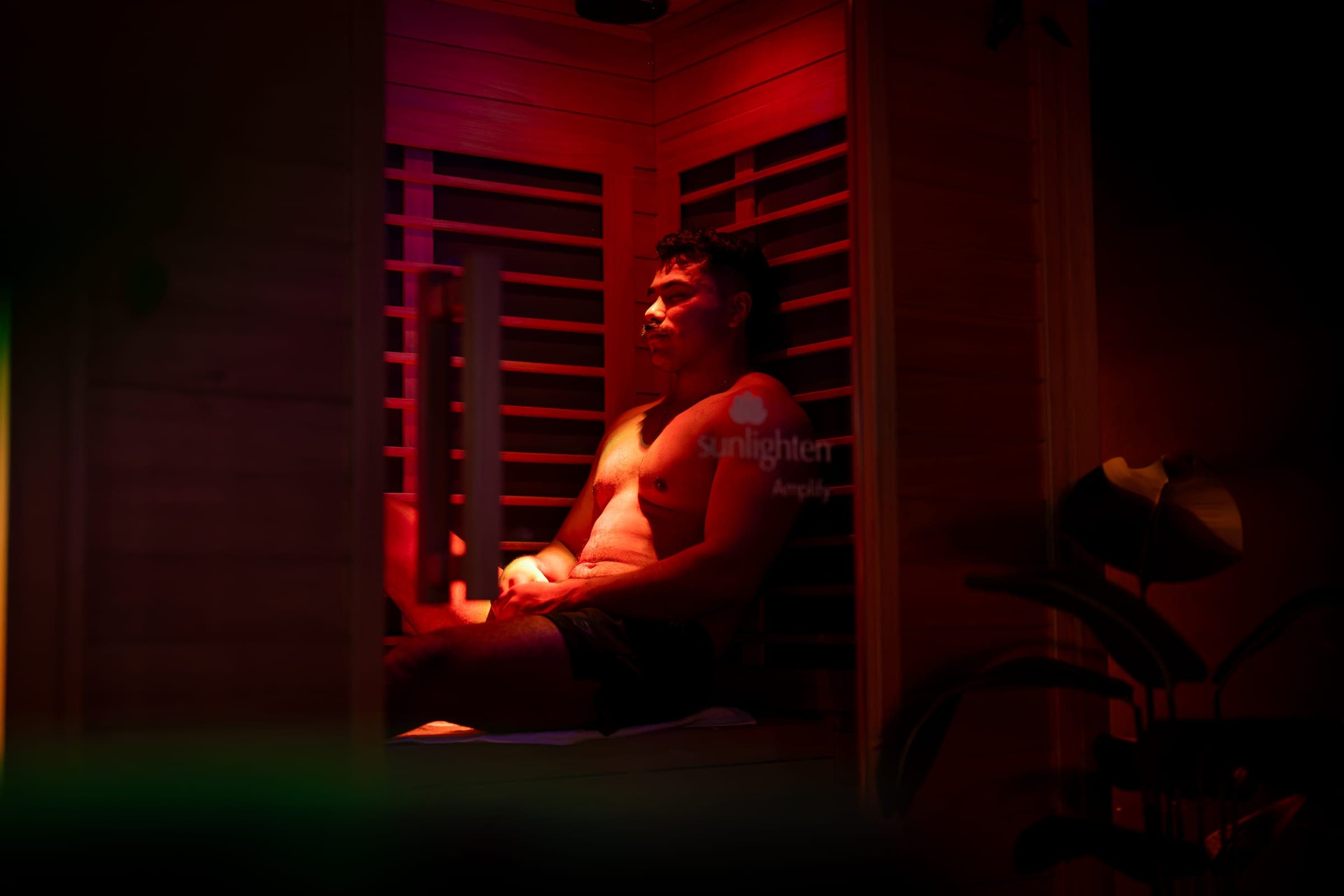
Studies show that pairing a 15-minute infrared sauna session (at 120 to 140°F) with a 3-minute cold plunge (at 50 to 59°F) speeds up strength recovery by 25% compared to resting passively. You can tweak this protocol based on your experience level:
- Beginners: Start with 10 to 12 minutes in the sauna, followed by 1 to 2 minutes in the cold plunge. Complete 1 to 2 cycles.
- Advanced athletes: Work up to 3 to 5 cycles, gradually increasing exposure as your body adapts.
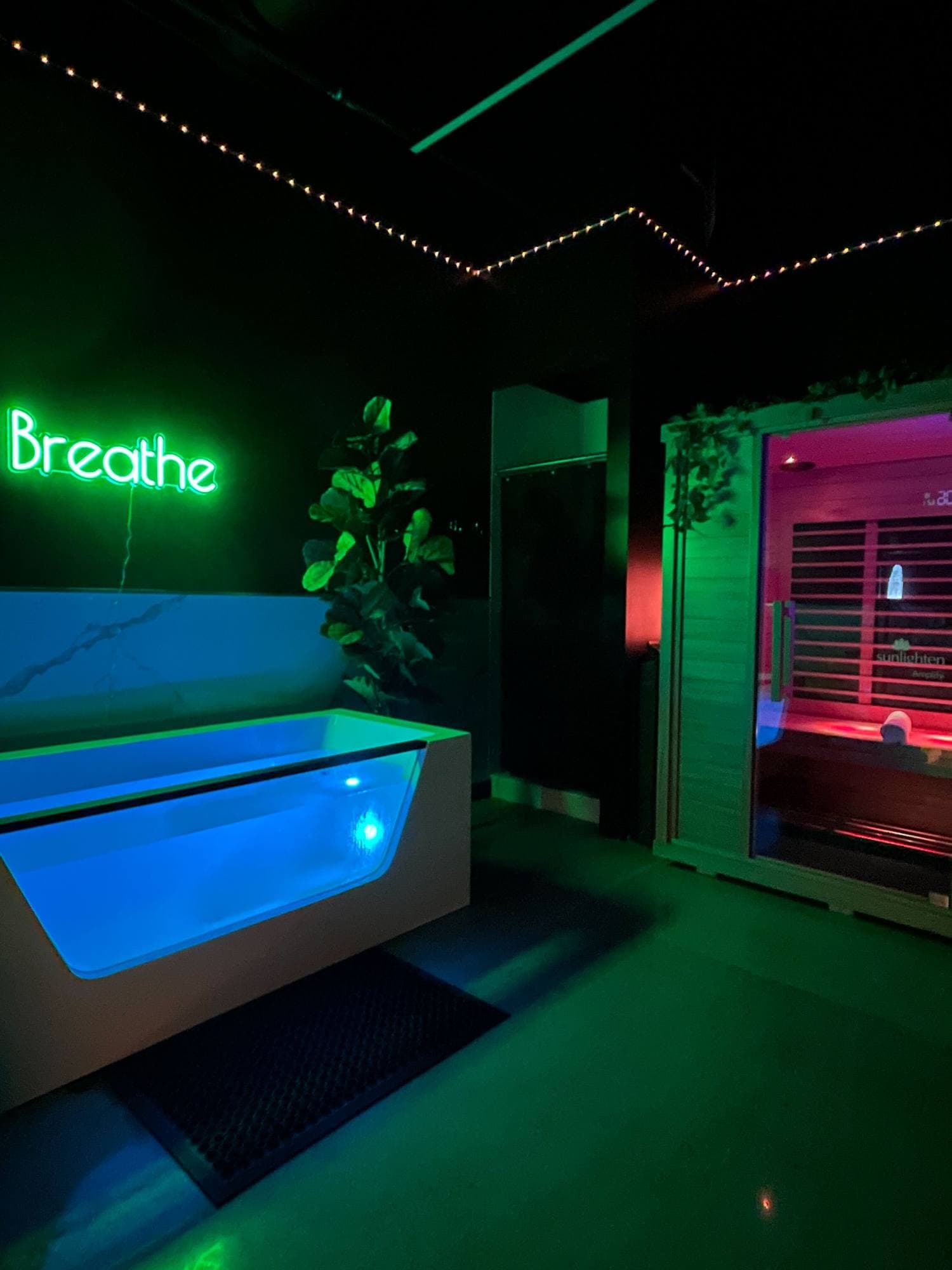
For a consistent and controlled environment, Conscious Body Recovery in San Diego offers private suites equipped with infrared saunas and cold plunge tubs. Sessions can last 25, 55, or 85 minutes, and their self-serve format lets you set your own pace. If you're short on time or access to specialized equipment, contrast showers can be a convenient alternative.
Contrast Showers for Everyday Use
Contrast showers are a simple, practical option for daily recovery - perfect for lighter training days or when you can't make it to a facility. The process is straightforward: alternate between 3 minutes of hot water (100 to 110°F) and 1 minute of cold water (50 to 60°F) for 4 to 5 cycles, totaling about 20 minutes.
While showers don’t provide the full-body immersion of saunas or cold plunges - resulting in a milder cardiovascular response - they still promote circulation and help flush out metabolic waste after tough workouts. Think of this as a daily maintenance tool to ward off stiffness and keep you ready for more intensive recovery sessions.
Contrast Baths for Targeted Relief
When dealing with soreness in specific areas - like tight calves after a run, aching hands from cold-weather activities, or swollen ankles - contrast baths can deliver focused relief. You’ll need two containers: one filled with warm water (100 to 110°F) and the other with cold water (50 to 59°F). Alternate immersing the sore area for 3 to 4 minutes in warm water, then 1 minute in cold water. Repeat for 3 to 4 cycles.
Because water transfers heat more effectively than air, this method is particularly effective for extremities. End with a warm cycle to relax or a cold one to feel invigorated. Contrast baths are a great way to complement full-body therapies by addressing localized discomfort. Whichever method you choose, don’t forget to stay hydrated. Drink 16 to 20 oz of water with electrolytes before and after your session to replenish fluids lost during the heat phase.
Safety Tips and How to Adjust Contrast Therapy for Winter
Medical Considerations and Precautions
While contrast therapy can be effective for many healthy athletes, it’s not suitable for everyone. The rapid shifts between heat and cold can put a strain on the cardiovascular system. If you have heart disease, high blood pressure, or Raynaud's disease, it’s essential to consult your doctor before trying it. The same advice applies if you’re pregnant or taking medications that influence heart rate or blood pressure.
Some general guidelines to keep in mind: avoid heavy meals 1 to 2 hours before a session, and stop immediately if you notice symptoms like dizziness, a pounding headache in the sauna, or irregular breathing and loss of coordination in the cold plunge.
It’s worth noting that most studies on cold water immersion involve men - approximately 85% of participants are male. This means research for female athletes is still developing. Women, particularly those with hormonal sensitivities, should approach this therapy cautiously and monitor how their bodies react.
Now, let’s explore how to adjust your contrast therapy routine for winter.
Adjusting Your Approach for Winter Conditions
Winter’s colder temperatures bring unique challenges to contrast therapy. Since your body is already working harder to maintain warmth, it’s crucial to ease into the practice and adapt your routine gradually. This approach not only ensures safety but also helps you get the most out of your sessions during the colder months.
Rather than diving into advanced cycles right away, build up your tolerance over the season. Consider tracking your cold plunge progress to see how your body adapts. Start with three sessions per week at moderate temperatures and shorter durations in early winter. Over the course of 4 to 6 weeks, you can increase to five to seven sessions per week as your body adjusts to the thermal stress.
| Experience Level | Sauna Temp | Duration | Cold Plunge Temp | Duration | Cycles |
|------------------|------------|----------|------------------|----------|--------|
| Beginner | 120 to 140°F | 10 to 12 min| 50 to 59°F | 1 to 2 min | 1 to 2 |
| Intermediate | 120 to 140°F | 12 to 15 min| 50 to 59°F | 2 to 3 min | 2 to 3 |
| Advanced | 120 to 140°F | 15 to 20 min| 41 to 59°F | 3 to 5 min | 3 to 5 |
Sources:
If you’re using an outdoor sauna in winter, ensure it reaches at least 170°F. Anything below this temperature may not fully activate heat shock proteins, which are critical for cellular repair and one of the benefits of regular sauna use. After a cold plunge, warm up gradually by changing into dry clothes and sipping a warm drink. Avoid jumping back into activity too quickly, as this can cause sharp blood pressure fluctuations that strain the heart.
For those just starting with contrast therapy, keep your initial cold exposures brief - 20 to 30 seconds is enough to begin building tolerance. Always have someone nearby during cold immersion, especially early on. The body’s shock response can be unpredictable, and having assistance at hand is a simple but essential safety precaution.
How to Add Contrast Therapy to Your Winter Recovery Routine
Pairing Contrast Therapy with Other Recovery Methods
Contrast therapy works best when it's part of a broader recovery plan, not as a standalone solution. After your workout, start with some stretching while your muscles are still warm, then follow it with contrast therapy after a brief cool-down. This approach helps kick-start the recovery process before you begin thermal cycling.
To support recovery further, pair contrast therapy with supplements like magnesium, collagen, omega-3s, and electrolyte-rich fluids. After finishing a session, spend 5 to 10 minutes doing light movements to gradually rewarm your body and stabilize blood pressure.
Building a Weekly Winter Contrast Therapy Schedule
To make contrast therapy a regular part of your routine, schedule sessions that align with your training intensity. For most athletes, 3 to 4 sessions per week work well. If you're in a high-volume or competition phase, daily sessions can help manage soreness and keep you ready to perform. On the other hand, during deload weeks, opt for lower temperatures and shorter durations to match the reduced intensity.
For example, research into the benefits of contrast therapy shows that combining 15 minutes in a sauna with a 3-minute cold plunge can speed up strength recovery by 25% compared to simply resting. Use longer sessions during intense training weeks, and switch to shorter ones during lighter periods. If you're in San Diego, Conscious Body Recovery offers flexible options with private suites featuring infrared saunas and cold plunges. Their sessions, available in 25, 55, or 85-minute increments, can be booked individually, in packages, or through monthly memberships, making it easy to adapt to your training schedule.
| Training Phase | Recommended Frequency | Session Focus |
|----------------------------------|-----------------------|-------------------------------------------------|
| Active Training | 3 to 4 times per week | Full contrast cycles at moderate intensity |
| High-volume/Competition Week | Daily | Managing soreness and maintaining performance |
| Deload Week | Daily (low intensity) | Shorter rounds with lower temperatures for recovery |
Conclusion: Using Contrast Therapy to Get Through Winter Stronger
Cold-weather training takes a toll on your body, leading to stiff muscles, sluggish blood flow, and mental fatigue that can build up over the season. Contrast therapy tackles these issues head-on. By alternating between heat and cold, it supports better circulation, enhances nerve function, and strengthens both cardiovascular and mental endurance - keeping athletes sharp and ready during even the toughest winter training sessions.
But the benefits don’t stop there. Contrast therapy also helps build cold tolerance. Regular exposure to extreme temperatures trains your body to adapt to challenging conditions - a process often called environmental training. This adaptation can improve both your performance and your comfort when facing the elements during winter. Combined with its recovery advantages, contrast therapy is a practical, easy addition to your routine.
For a professional and tailored experience, Conscious Body Recovery in San Diego offers private suites equipped with infrared saunas and cold plunges. With flexible session lengths and membership options, it’s designed to fit seamlessly into any training schedule. Plus, as the only wellness center in San Diego with fully private rooms for individuals, couples, or small groups, it provides a focused, personalized recovery environment.
Winter training doesn’t have to leave you stiff and drained. Contrast therapy not only helps you recover but also strengthens your body and mind, so you can tackle the season with confidence and resilience.
FAQs
When should I do contrast therapy around my workout?
Contrast therapy works best when performed soon after a workout. The process generally includes spending 10 to 15 minutes in heat - like sitting in a sauna - followed by a quick 2 to 3 minutes in a cold plunge. This cycle is repeated several times. The combination promotes better circulation, eases muscle stiffness, and helps clear out metabolic waste, aiding recovery and boosting performance. It's particularly useful during the chilly winter months.
Will contrast therapy reduce strength or muscle gains?
When timed correctly, contrast therapy is unlikely to interfere with muscle growth. To ensure muscle repair and growth aren't disrupted, wait 4 to 6 hours after training before using cold exposure. This delay gives your body enough time for the inflammation needed for recovery, before using cold therapy to ease soreness and stiffness.
How do I know if I’m overdoing contrast therapy in winter?
If you’re experiencing ongoing fatigue, unusual soreness, dizziness, or discomfort that doesn’t go away with rest, you might be overdoing contrast therapy. To keep things safe, stick to suggested guidelines: spend 15 to 30 minutes in an infrared sauna set at 120 to 140°F, followed by 1 to 3 minutes in cold water at 45 to 55°F. Repeat this cycle 2 to 3 times. Most importantly, pay attention to how your body feels. If you notice excessive tiredness or pain, scale back your sessions.