Quick answer
- Heart Rate Variability (HRV) is a powerful metric that helps you understand how well your body is recovering (and calculate your recovery speed) and adapting to stress.
- Why HRV Matters: It’s more sensitive than resting heart rate, helping athletes spot overtraining or illness early.
- Using HRV: Monitor trends over time, not just daily fluctuations.
In this article · 7 sections
Heart Rate Variability (HRV) is a powerful metric that helps you understand how well your body is recovering (and calculate your recovery speed) and adapting to stress. It measures the small differences in time between your heartbeats, offering insights into the balance between your "fight-or-flight" and "rest-and-digest" systems. Higher HRV indicates better recovery and readiness for physical activity, while lower HRV suggests fatigue or stress.
Here’s what you need to know:
- Why HRV Matters: It’s more sensitive than resting heart rate, helping athletes spot overtraining or illness early.
- Key Metrics:
- RMSSD: Best for daily recovery tracking. Measure it in the morning to decide if you're ready for intense training.
- SDNN: Tracks long-term stress and recovery trends.
- LF/HF Ratio: Shows the balance between stress and recovery signals.
- Using HRV: Monitor trends over time, not just daily fluctuations. Adjust training intensity based on HRV levels to avoid overtraining.
- Tools for Tracking: Devices like chest straps (Polar H10), smart rings (Oura), and wristbands (WHOOP) provide reliable HRV data.
Pairing HRV tracking with recovery techniques like contrast therapy (alternating heat and cold) can further support your recovery and improve overall performance. This data-driven approach ensures you're training smarter, not harder.
Key HRV Metrics for Recovery Tracking
Not all HRV (Heart Rate Variability) numbers tell the same story. Different metrics highlight specific aspects of your nervous system's activity, and knowing which ones to focus on can change how you approach recovery. While there are plenty of HRV measurements available, three stand out as the most practical for athletes monitoring their readiness.
RMSSD: Short-Term Recovery Insights
RMSSD (Root Mean Square of Successive Differences) is widely regarded as the go-to metric for daily recovery tracking. It measures beat-to-beat variations over a short period (1 to 5 minutes), reflecting parasympathetic nervous system activity.
What sets RMSSD apart is its responsiveness. It quickly adapts to changes in recovery status, making it ideal for deciding whether to push through a tough workout or take it easy. Typical RMSSD values for athletes range between 50 and 100 milliseconds, but what truly matters is your personal baseline.
"RMSSD is often considered the gold standard for short-term HRV measurements." - Healify Blog
The best time to measure RMSSD is first thing in the morning, before getting out of bed. If your RMSSD is within 10% of your baseline, you're ready for high-intensity training. A drop of 10 to 20% suggests scaling back your effort by 30 to 40%, while a drop of more than 20% signals the need for complete rest. For a broader perspective on recovery, SDNN offers insight into long-term trends.
SDNN: Long-Term Stress and Recovery Patterns
While RMSSD is perfect for daily decisions, SDNN (Standard Deviation of NN intervals) provides a bigger picture of your recovery status over time. It measures overall HRV across longer durations, typically 24 hours, capturing the combined activity of both the sympathetic and parasympathetic systems.
SDNN is particularly valuable for monitoring chronic stress and evaluating whether your training program is helping you adapt or pushing you too far. For healthy adults, 24-hour SDNN values typically fall between 20 and 50 milliseconds, while shorter-term readings range from 30 to 100 milliseconds.
Think of SDNN as your long-term recovery tracker. While it won't help you decide on today's workout, an upward trend in SDNN over weeks indicates positive adaptation. Conversely, a downward trend - even if your daily RMSSD looks fine - can signal that accumulated stress is outpacing recovery. This makes SDNN a key metric for shaping your overall training strategy before considering the next measure of autonomic balance.
LF/HF Ratio: Balancing Sympathetic and Parasympathetic Activity
Adding another layer of insight, the LF/HF Ratio offers a frequency-based view of autonomic balance. This ratio compares "stress signals" (Low Frequency, or LF) to "recovery signals" (High Frequency, or HF), helping determine whether your system is still stressed or ready to recover.
"Think of LF as 'stress signals' and HF as 'recovery signals.' LF/HF compares how many stress signals your heart is getting versus recovery signals." - UltraFit360
A ratio below 3.0 suggests balance, while a ratio above 4.0 indicates sympathetic dominance, meaning your body needs rest. This metric is especially helpful when RMSSD and SDNN provide conflicting data, as it clarifies whether you're genuinely recovered or simply masking fatigue.
| Metric | Time Window | What It Measures | Best Used For |
|---|---|---|---|
| RMSSD | 1 to 5 minutes | Parasympathetic (vagal) tone | Daily training readiness |
| SDNN | 24 hours | Overall autonomic balance | Long-term stress trends |
| LF/HF Ratio | Frequency-based | Sympathetic vs. parasympathetic balance | Identifying stress dominance |
HRV in Athlete Recovery and Training Adaptation
HRV monitoring helps athletes differentiate between beneficial stress and harmful overload. By observing HRV trends over time, athletes can assess whether their bodies are adapting well to training or heading toward excessive strain.
Tracking Chronic and Acute Adaptations
HRV provides insight over different timeframes. Short-term changes in lnRMSSD (the natural logarithm of RMSSD) reflect immediate responses to training. For instance, HRV often dips after an intense workout but typically rebounds within 24 to 72 hours.
Long-term adaptations require a broader perspective. A 7-day lnRMSSD average smooths out daily fluctuations, making it easier to spot trends. A gradual increase over weeks suggests positive adaptation, showing your body is growing stronger and managing the training load effectively. For example, one athlete incorporating strength training saw an 11.0% increase in rMSSD between days 29 and 56, signaling successful adaptation. On the flip side, a steady decline could point to excessive training, poor recovery, or even non-functional overreaching.
"Near-flat HRV over five years suggests equilibrium... I'm neither overtrained (declining HRV) nor undertrained (rising HRV) over the longer term." the5krunner
A single low HRV reading isn’t as meaningful as a consistent downward trend. When HRV remains relatively stable over months or years, it indicates a sustainable training volume that avoids both overtraining and undertraining. These acute and chronic patterns provide a solid foundation for using HRV to guard against overtraining.
Using HRV to Prevent Overtraining
Daily HRV tracking can act as an early warning system, often identifying overtraining risks weeks before physical symptoms show up. For instance, one lifter experienced a 15% HRV drop before any symptoms appeared, prompting a 20% reduction in training and a quick recovery.
The 80/20 Rule for HRV-guided training suggests maintaining your planned structure but adjusting intensity based on daily HRV readings. Here’s how it works:
- HRV at or above baseline: Go ahead with high-intensity sessions, heavy lifting, or personal record attempts.
- HRV 10 to 20% below baseline: Reduce intensity by 30 to 40% and focus on technique or light aerobic work (e.g., Zone 2 sessions).
- HRV 20 to 30% or more below baseline: Take a full rest day or stick to gentle activities like walking or stretching. Aim for at least 9 hours of sleep.
The key is spotting a sustained decline. If HRV remains low for more than five days or drops 20 to 30% below baseline for 7 to 14 days, cut training volume by 50% and avoid high-intensity work. Research supports this approach, showing that HRV-guided training can improve aerobic fitness (VO2max) more effectively than rigid training plans. Essentially, you’re training when your body is ready, not just sticking to a fixed schedule.
| Training State | HRV Trend | Recommended Action |
|---|---|---|
| Optimal | Stable or slightly upward | Proceed with planned high-intensity work |
| Functional Overreaching | Temporary downward trend | Continue training but plan for a recovery or taper phase |
| Non-Functional Overreaching | Sustained drop (7 to 14 days) | Reduce volume and eliminate high-intensity work immediately |
| Overtraining Syndrome | Chronically suppressed (30%+) | Stop training and consult a medical professional |
Best Practices for HRV Monitoring
Choosing the Right HRV Monitoring Tools
The device you pick plays a huge role in how useful your HRV data will be. Chest straps like the Polar H10 are known for their ECG-level accuracy, making them ideal for morning spot-checks. If you'd rather avoid a morning routine, wearables like the Oura Ring offer overnight tracking, giving you insights without extra effort.
Wrist-worn devices such as WHOOP and the Apple Watch use optical sensors. These tend to show HRV values that are 6 to 11% lower than ECG readings but are still great for spotting long-term trends. If you're just starting out, camera-based smartphone apps can be a free way to dip your toes into HRV tracking, though their accuracy doesn’t match that of dedicated devices.
| Device Type | Accuracy | Best For |
|---|---|---|
| Chest Strap (e.g., Polar H10) | Excellent (ECG) | Precision-focused athletes on a budget |
| Smart Ring (e.g., Oura) | Very Good (PPG) | Sleep and recovery tracking without extra steps |
| Wristband (e.g., WHOOP) | Very Good (PPG) | Recovery analytics for serious athletes |
| Smartwatch (e.g., Apple Watch) | Good/Fair (PPG) | Multi-sport athletes wanting all-in-one features |
Once you’ve chosen the right device, the next step is to set a baseline that’s tailored to you.
Establishing a Personal Baseline
After selecting a device, the focus shifts to building a reliable baseline. HRV varies greatly from person to person, influenced by factors like age, genetics, and fitness level. This makes population averages pretty useless for personal tracking.
Don’t rush to interpret your data right away. Most devices need two to four weeks of tracking to calibrate. For example, the Oura Ring takes about two weeks, while WHOOP uses a 30-day rolling window to establish your baseline. This baseline isn’t a fixed number - it’s a moving average based on 7 or 30 days. If your HRV drops consistently over four days compared to your baseline, it might signal stress or even the onset of illness.
"The single biggest mistake in consumer HRV tracking is comparing your number to someone else's. What matters is whether your reading today is above, near, or below your own rolling average." Marco Altini, Founder of HRV4Training
Consistency in HRV Measurements
To make the most of your HRV data, consistency is key. A standardized routine can cut down day-to-day data fluctuations by as much as 40 to 60%. The best time for measurement? Right after waking up, before you do anything else. This timing aligns with your circadian rhythm's impact on recovery, ensuring your data reflects your true physiological state. Lying flat on your back in the same position each day helps, as shifting from lying to sitting can alter readings by 15 to 25%.
Keep your breathing steady and natural during the measurement. If you’re taking manual readings, aim for 2 to 2.5 minutes of clean data to ensure accuracy. Lastly, track external factors like alcohol intake, sleep quality, and intense workouts, or even the benefits of contrast therapy, as these can help explain any unexpected changes in your HRV.
Integrating HRV with Contrast Therapy at Conscious Body Recovery
Using HRV Trends to Time Your Therapy Sessions
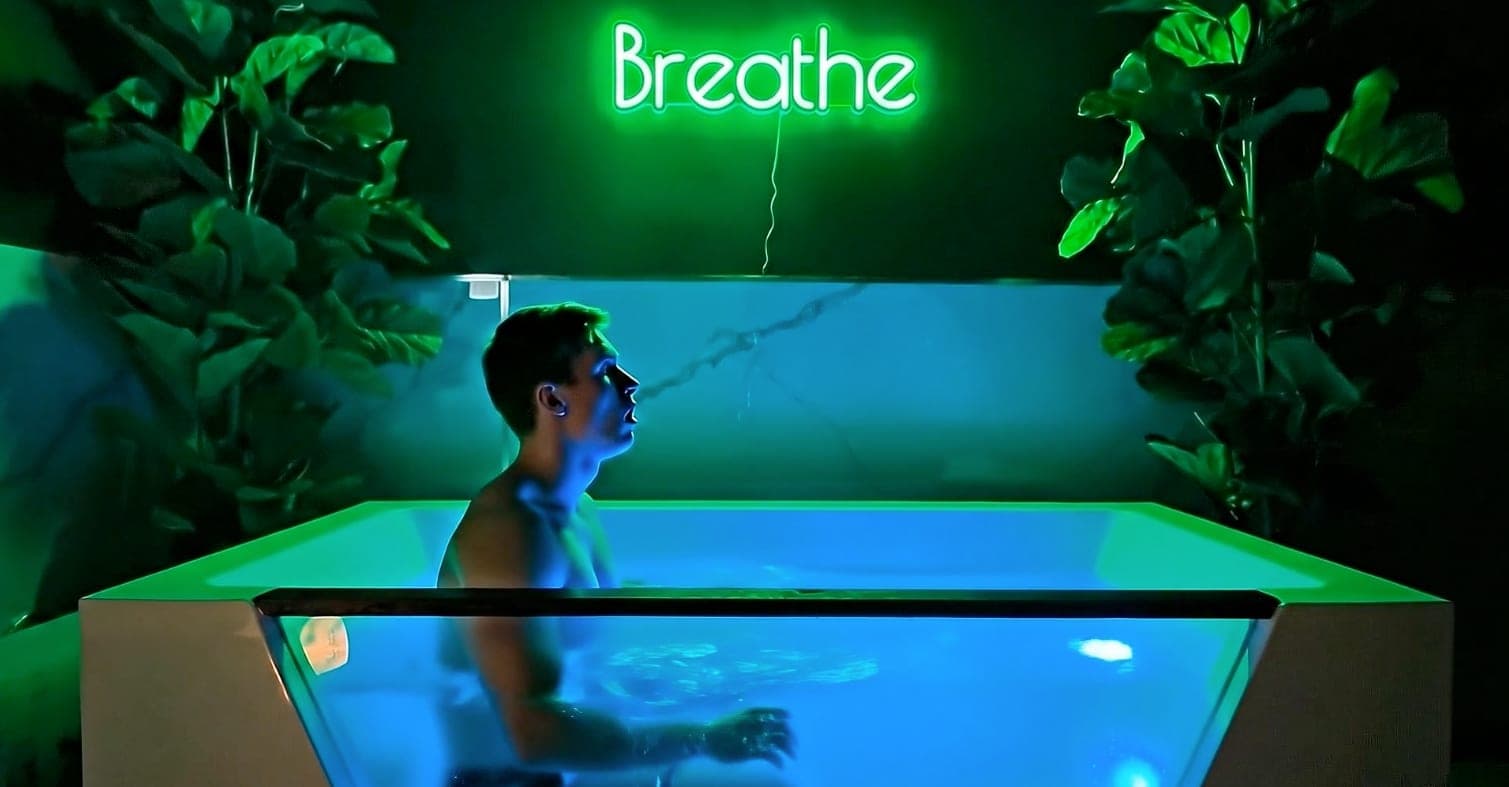
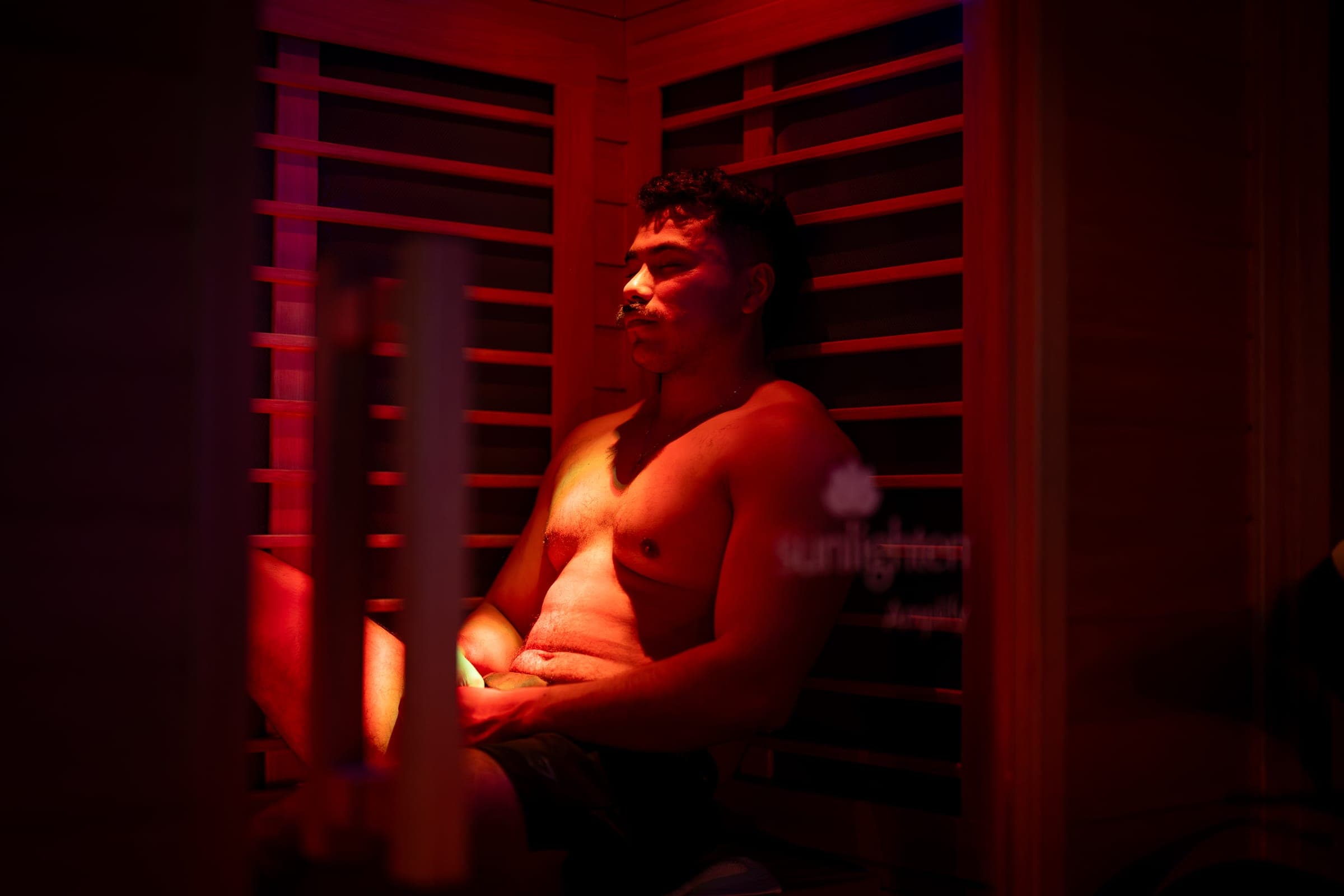
Pairing HRV insights with contrast therapy can elevate your recovery game. HRV acts as a guide, showing whether your nervous system is stressed or ready to recover. When your HRV is high and trending upward, it’s the perfect time for longer, more intense contrast therapy sessions. You could aim for 2 to 3 cycles alternating between the infrared sauna (120 to 150°F) and a cold plunge (45 to 55°F). On days when your HRV is low, keep it simple - try a shorter, 15-minute session of moderate infrared heat in the early evening. This approach promotes vasodilation and activates your parasympathetic response without overloading your system.
Tracking your 30-day HRV trends can help you spot stress buildup before it leads to overtraining. With this data, you can schedule sessions at Conscious Body Recovery when your body will benefit most from the vascular pump effect, which helps clear metabolic waste. This timing ensures your recovery aligns with your body’s needs, enhancing both performance and overall well-being.
The timing of your session’s end is equally critical. If your HRV data points to poor sleep quality, plan your session 2 to 3 hours before bedtime and finish with heat - or skip the final cold plunge. This lets the post-sauna cooling mimic your body’s natural temperature drop, setting you up for deeper sleep. On the other hand, if you’re looking for a daytime energy boost, end with a cold plunge. This triggers a sympathetic response and increases norepinephrine, which sharpens focus and improves mood.
Benefits of Private Contrast Therapy
Contrast therapy not only supports recovery but also trains your autonomic nervous system to switch smoothly between stress and relaxation states. Cold exposure, in particular, activates the vagus nerve, enhancing what researchers call "vagal flexibility" - your body’s ability to regulate its stress response more effectively.
"Contrast therapy is one of the few non-pharmacological interventions with documented, measurable effects on vagal tone and heart rate variability (HRV)." Daniel Pietruszewski, Optimum Health
The quick shifts between heat and cold create a vascular pump effect, improving blood vessel elasticity and speeding up the removal of metabolic waste. Infrared heat ramps up heat shock proteins (HSP70), which repair damaged cells and strengthen your body’s defenses against future stress. Meanwhile, cold water immersion can boost norepinephrine levels by up to 300%, enhancing mood and focus.
At Conscious Body Recovery, sessions are tailored to your HRV data, ensuring optimal recovery. Membership options include private sessions starting at 25 minutes for $199/month (Silver Unlimited) or 55 minutes for $299/month (Gold Unlimited), giving you the tools to maximize your recovery in a personalized, stress-free environment.
Conclusion
Heart rate variability (HRV) is a reliable way to gauge your recovery status. A high HRV suggests your nervous system is ready for intense training, while consistently low scores - especially below 20 ms - signal that your body might need more recovery time. Tracking 30-day trends can help spot early signs of overtraining.
Pairing HRV data with optimal contrast therapy timing creates a powerful recovery strategy. Alternating between heat and cold trains your autonomic nervous system to shift smoothly between stress and recovery modes. This hormetic effect enhances resilience and can lead to improved HRV over time.
At Conscious Body Recovery, this approach is taken a step further with fully personalized sessions. Each session is tailored to match your HRV trends, offering private suites where you control the lighting, scents, and temperature. Whether your HRV indicates readiness for extended cycles or calls for moderate heat therapy, the environment adapts to your needs.
Recovery becomes smarter with HRV and personalized contrast therapy. These tools empower you to make informed decisions that enhance performance, prevent overtraining, and support long-term well-being. Conscious Body Recovery provides the resources to fine-tune your recovery process, helping you achieve measurable improvements in nervous system health and overall resilience. Use these insights to elevate both your training and recovery.
FAQs
What can falsely lower my HRV?
HRV readings can be impacted by factors like stress, fatigue, dehydration, lack of sleep, certain medications, or varying measurement conditions. For more accurate results, stick to a consistent testing routine and try to minimize these influences whenever you can.
How do I set my personal HRV baseline?
To figure out your HRV baseline, take daily measurements at the same time each day - mornings are ideal - for about 1 to 2 weeks. Once you have these readings, calculate the average to establish your baseline. Focus on comparing your HRV trends against this baseline, rather than relying on general population averages, to track recovery and spot any changes, whether positive or negative. Staying consistent with your measurement routine is crucial for reliable data.
How should I use HRV to time contrast therapy?
To get the most out of your recovery, keep an eye on your Heart Rate Variability (HRV) before and after contrast therapy sessions. The ideal timing for contrast therapy is about 30 to 60 minutes after exercise. This involves alternating between heat and cold: use an infrared sauna set to 120 to 140°F for 15 to 20 minutes, followed by a cold plunge at 45 to 55°F for 1 to 3 minutes.
During the session, monitor your HRV. You’ll likely notice spikes during the cold exposure and dips during the heat, which can give you insights into how your body is responding. For the best results, repeat this cycle 2 to 3 times to help improve recovery and support your autonomic nervous system.