Quick answer
- Contrast therapy, oral collagen supplements, topical products, and light-based treatments are all approaches to promoting collagen health.
- Contrast Therapy: Alternates heat (saunas) and cold (ice baths) to boost circulation, stress recovery, and collagen production conditions.
- Oral Collagen Supplements: Provide building blocks for collagen production with peptides absorbed into the bloodstream.
In this article · 8 sections
Looking to support your skin, joints, and overall tissue health? Here's the quick breakdown:
Contrast therapy, oral collagen supplements, topical products, and light-based treatments are all approaches to promoting collagen health. Each method works differently:
- Contrast Therapy: Alternates heat (saunas) and cold (ice baths) to boost circulation, stress recovery, and collagen production conditions.
- Oral Collagen Supplements: Provide building blocks for collagen production with peptides absorbed into the bloodstream.
- Topical Products: Offer surface-level hydration but don’t penetrate deeply enough to stimulate collagen production.
- Light-Based Treatments: Use red and near-infrared light to energize cells and stimulate collagen synthesis internally.
Key Takeaway: Contrast therapy creates a natural vascular response and supports tissue repair, while supplements and light therapy work internally to stimulate collagen production. Topical products are better for short-term skin hydration rather than long-term collagen support.
Quick Comparison:
| Method | How It Works | Benefits | Limitations |
|---|---|---|---|
| Contrast Therapy | Heat and cold boost blood flow, repair | Circulation, tissue repair | Requires access to equipment |
| Oral Supplements | Provides peptides for collagen synthesis | Skin elasticity, hydration | Results take weeks to appear |
| Topical Products | Hydrates surface skin | Temporary plumping effect | Limited to surface benefits |
| Light-Based Treatments | Stimulates cells via light energy | Collagen, anti-aging | High cost, multiple sessions |
To combine benefits, pair methods like contrast therapy with supplements or light treatments for a more well-rounded approach to collagen health.
1. Contrast Therapy
Mechanism of Action
Contrast therapy works by creating a dynamic vascular response. Alternating between heat and cold causes blood vessels to expand and contract, boosting blood flow to the skin and surrounding tissues by up to seven times the normal resting levels. This increased circulation delivers oxygen and nutrients directly to cells, aiding in repair and regeneration.
Heat exposure stimulates the production of heat shock proteins (HSPs), like HSP70 and HSP90, which help repair damaged proteins and protect cellular structures. Regular sauna use can increase HSP production by as much as 48%. On the flip side, cold immersion at around 50°F doubles plasma norepinephrine levels, which helps manage stress and supports tissue recovery. Additionally, heat exposure significantly raises growth hormone levels, which directly aids in cellular repair.
Impact on Collagen Production
While contrast therapy doesn't provide collagen directly, it enhances the body's ability to produce it. The improved blood flow delivers essential nutrients like amino acids, vitamin C, and minerals required for collagen synthesis. Since collagen production naturally declines by about 1% annually after your mid-20s, creating the right conditions for its production becomes increasingly important over time.
The combination of increased HSP production and better circulation helps balance collagen synthesis and breakdown. Heat exposure helps maintain mitochondrial health, while cold exposure encourages the formation of new mitochondria, ensuring cells have the energy needed for effective tissue repair.
Tissue Repair Benefits
Research shows that contrast therapy leads to greater reductions in muscle soreness and strength loss compared to passive recovery methods. Alternating temperatures help flush out metabolic waste while delivering fresh nutrients to damaged tissues, making it highly effective for easing delayed onset muscle soreness (DOMS) and supporting overall recovery. By improving tissue repair, contrast therapy also indirectly supports collagen maintenance by creating the ideal environment for cellular regeneration.
For best results, aim for a total of 11 minutes of cold exposure and 57 minutes of heat exposure weekly, spread across 2 to 4 sessions . Following the Søberg Principle - ending your session with cold and letting your body reheat naturally - enhances metabolic signaling and activates brown fat .
Skin Elasticity and Anti-Aging Effects
Contrast therapy’s enhanced circulation benefits your skin by delivering the nutrients needed for collagen production. Over time, regular sessions help blood vessels become more flexible and responsive, improving vascular tone. This results in better skin elasticity and supports the processes that keep skin looking youthful.
A study involving 2,300 men found that using a sauna 4 to 7 times a week reduced the risk of cardiovascular disease by 63% compared to just once a week. While the study focused on heart health, the same vascular benefits extend to skin and connective tissues. Infrared saunas, which operate at 120 to 150°F, may offer a more comfortable experience than traditional saunas at 170 to 195°F, while still providing deep tissue benefits.
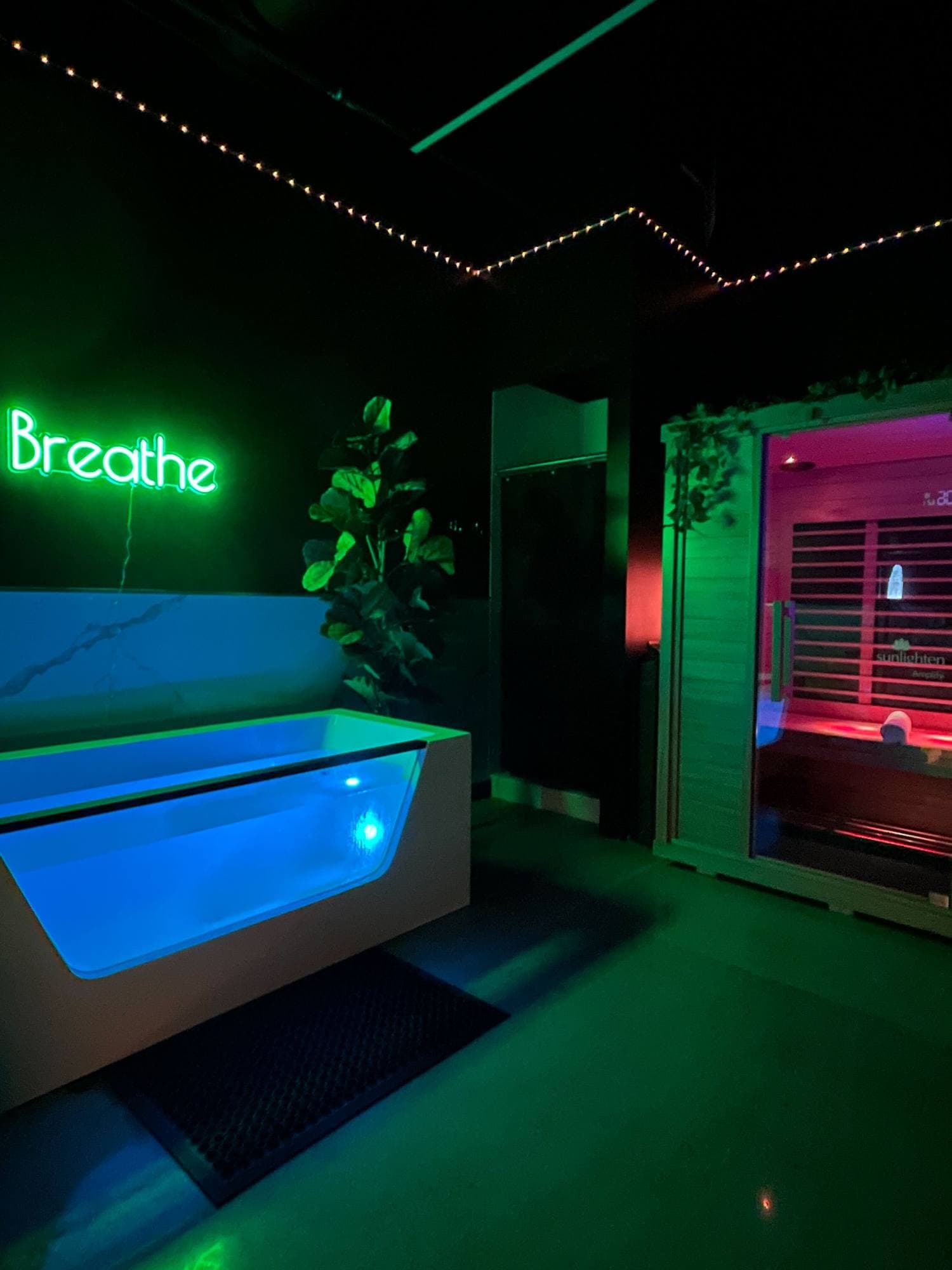
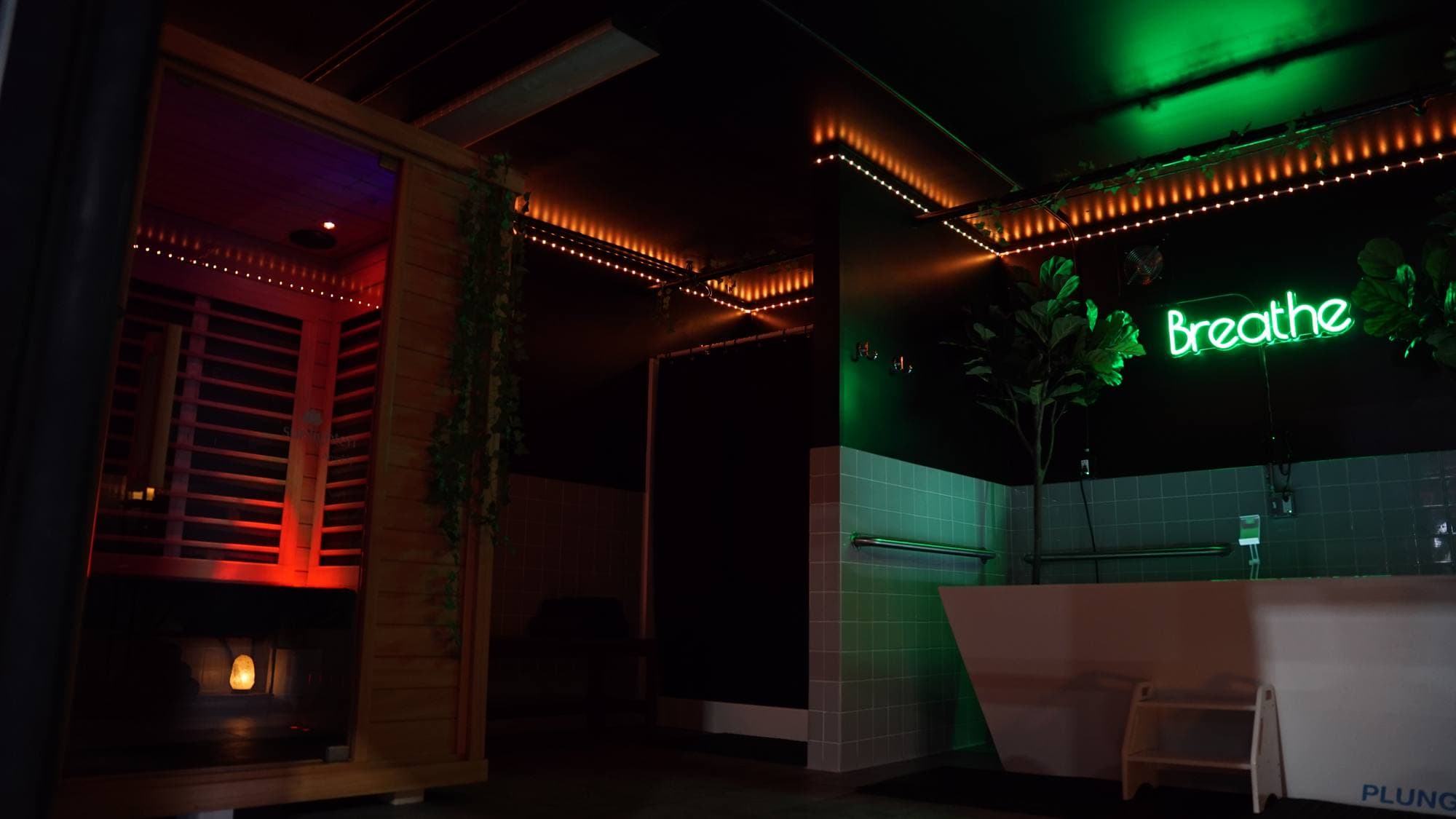
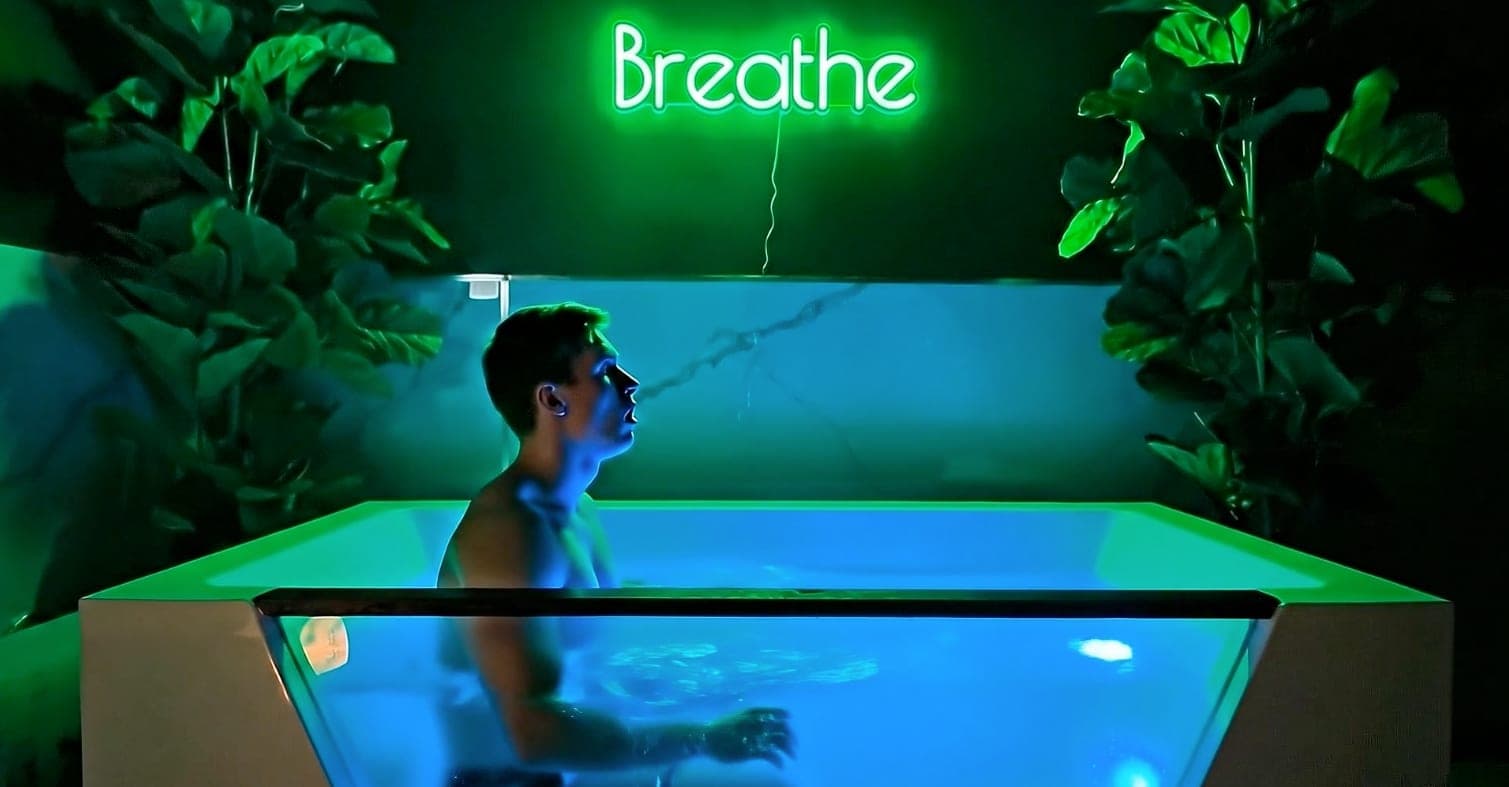
At Conscious Body Recovery, our private infrared sauna and cold plunge sessions are designed to take full advantage of these scientifically supported benefits. By enhancing tissue repair and promoting collagen production, contrast therapy provides a strong foundation for comparing it to other collagen-boosting strategies.
2. Oral Collagen Supplements
Mechanism of Action
Oral collagen supplements work differently from methods like contrast therapy. Instead of stimulating natural processes, they directly provide the raw materials needed for collagen production. When you consume hydrolyzed collagen, it breaks down during digestion into small di- and tripeptides like Pro-Hyp and Gly-Pro-Hyp. About 10% of these peptides survive digestion and make their way through the gut barrier to reach various tissues.
Once these peptides arrive in the skin's dermal layer, they activate fibroblast cells, which are responsible for producing collagen. Dr. Ron Ledoux explains:
"The specific peptides of VERISOL® are recognized by the fibroblast cells in the dermal layer of the skin. The cells are stimulated to increase their collagen metabolism to counter-balance the pretended collagen degradation in the dermis".
These peptides also activate the TGF-β/Smad signaling pathway, which promotes the expression of genes like COL1A1 mRNA that are critical for collagen synthesis.
Impact on Collagen Production
Oral supplements do more than just stimulate new collagen production - they also help slow down its breakdown. Research shows a 60% increase in procollagen levels within just four weeks of use. This dual action involves stimulating collagen synthesis and inhibiting enzymes like MMP-1, MMP-3, and MMP-9, which are responsible for breaking down collagen.
Dosage plays a key role in achieving these benefits. A daily intake of 2.5 to 10g improves skin hydration and elasticity, while higher doses (10 to 20g) support musculoskeletal recovery and bone health. For maximum effectiveness, combining collagen with co-factors like vitamin C, zinc, and copper is recommended. These nutrients help assemble absorbed amino acids into functional collagen fibrils, enhancing the overall process. Over time, these cellular changes lead to visible improvements in skin texture and elasticity.
Skin Elasticity and Anti-Aging Effects
Consistent use of collagen supplements can yield noticeable results. For example, taking 2.5g of specific peptides daily for 4 to 12 weeks has been shown to improve skin elasticity by up to 15% compared to placebo groups. A review of 28 clinical trials found that 82% of studies reported at least one positive result, with 44% showing improvements in both skin hydration and elasticity.
Marine-derived collagen stands out as particularly effective for skin health. Thanks to its high bioavailability and better absorption rates compared to bovine or porcine collagen, it delivers stronger results. One study found that taking 10g of marine hydrolyzed collagen daily reduced wrinkle scores by 35% after 12 weeks. This is especially beneficial for post-menopausal women, who face a sharp 30% drop in skin collagen within the first five years of menopause, followed by an annual decline of 2%.
3. Topical Collagen Products
Mechanism of Action
Topical collagen products face a key limitation: collagen molecules are simply too large to penetrate the skin's outermost layer, the stratum corneum. This layer acts as a robust barrier, preventing most collagen molecules from reaching the deeper layers where fibroblasts are responsible for producing new collagen. Because of this, these products are more about surface-level benefits - like hydration and a temporary plumping effect - rather than directly promoting collagen production at deeper levels.
To work around this, many products incorporate smaller peptides, penetration enhancers, antioxidants, or retinoids to support the skin's existing collagen structure. However, the effectiveness of these products depends on factors like the molecular size of the ingredients, the quality of the formulation, and individual skin characteristics. Even with these enhancements, their ability to stimulate new collagen production remains limited.
Impact on Collagen Production
Unlike methods like contrast therapy or oral collagen supplements, which work internally to stimulate fibroblasts and enhance collagen production, topical collagen products focus on the skin's surface. While some advanced formulations include ingredients like growth factors or peptides that might influence skin cell activity, their impact on generating new collagen is minimal compared to internal approaches.
Skin Elasticity and Anti-Aging Effects
These products excel at providing immediate hydration and a temporary plumping effect by reducing water loss from the skin. However, these benefits are short-lived and fade once the product is removed. For long-term anti-aging results, topical collagen should be part of a comprehensive skincare routine. Combining it with internal collagen-boosting methods can enhance its overall effectiveness, but it shouldn't be relied on as a standalone solution.
4. Light-Based Therapies
Light-based treatments provide a unique, energy-focused approach to boosting collagen production, complementing methods like contrast therapy and oral supplements.
Mechanism of Action
Light-based therapies, particularly Red Light Therapy (RLT), rely on a process called photobiomodulation. Using wavelengths between 600 nm and 1,000 nm, these therapies trigger photochemical reactions in cells without generating heat. When light photons penetrate the skin, they interact with Cytochrome c Oxidase (CCO) in mitochondria, releasing Nitric Oxide (NO). This release optimizes the electron transport chain, leading to a surge in ATP production - the energy cells need for repair and protein synthesis.
Additionally, light therapy influences gene expression, activating transcription factors like NF-κB and AP-1, which are involved in cell growth and inflammatory responses. Red light (600 to 700 nm) targets surface-level skin, while near-infrared light (780 to 1,200 nm) penetrates deeper layers, reaching muscles, bones, and even internal organs.
Impact on Collagen Production
By increasing cellular energy and signaling, light-based therapies stimulate fibroblasts, the cells responsible for producing collagen and elastin. According to Youlumi:
"By promoting the synthesis of these crucial proteins [collagen and elastin], RLT contributes to skin tightening, wrinkle reduction, and accelerates wound healing and tissue repair".
Unlike topical treatments that act only on the surface, light therapy activates the internal cellular processes necessary for building collagen. This makes it an excellent addition to other collagen-boosting strategies, creating a well-rounded approach to tissue repair.
Tissue Repair Benefits
Light-based therapies accelerate healing by activating the body's repair mechanisms. They help reduce inflammation by lowering levels of pro-inflammatory cytokines like TNF-α, IL-1β, and IL-6, while shifting immune cells toward an anti-inflammatory state. Many modern protocols combine red light panels with infrared saunas to enhance cellular energy and collagen production. The infrared sauna and cold plunge cycle also supports improved circulation and inflammation control.
Skin Elasticity and Anti-Aging Effects
Near-infrared light penetrates deeply, supporting mitochondrial activity and providing the energy necessary for ongoing tissue repair and maintenance. This helps preserve skin elasticity and flexibility, both essential for a youthful appearance. Infrared-induced sweating also aids in detoxification.
For optimal results, aim for 2 to 4 sessions per week, using red light (600 to 700 nm) for surface-level concerns like wrinkles and elasticity, and near-infrared light (780 to 1,200 nm) for deeper tissue repair and joint health.
Pros and Cons
Let’s break down the strengths and limitations of contrast therapy, oral supplements, topical products, and light-based treatments to understand how they contribute to collagen health.
Contrast therapy enhances vascular tone, promotes cellular repair, and helps reduce inflammation. However, it often requires access to specialized equipment like infrared saunas or cold plunges, which can be costly. For a more budget-friendly option, alternating hot and cold showers at home can provide similar benefits, although they may lack the intensity of professional setups.
Oral collagen supplements provide whole-body support for skin, joints, and connective tissues. The downside? Their effectiveness can vary due to bioavailability, and noticeable results typically take 8 to 12 weeks to appear. On the other hand, topical products offer immediate hydration and a temporary plumping effect. However, because collagen molecules are large, they don't penetrate deeply enough to stimulate long-term collagen production.
Light-based therapies are non-invasive and work by activating fibroblasts and boosting cellular energy. The challenge here lies in cost - professional LED beds and panels can be pricey, and achieving the best outcomes often requires multiple sessions.
From an accessibility and safety perspective, regular sauna usage (4 to 7 times per week) has been linked to a 63% lower risk of cardiovascular disease and a 50% reduction in all-cause mortality. Similarly, cold exposure has shown promise in supporting immune function. For instance, one study revealed that taking regular cold showers over 30 days led to a 29% drop in sickness-related work absences.
To get the most out of these methods, combining treatments can be effective. For example, pairing the vascular and cellular benefits of contrast therapy with the systemic support of supplements can amplify results. While at-home routines can offer meaningful benefits, specialized facilities often deliver stronger outcomes. For those seeking a professional experience, Conscious Body Recovery (https://consciousbodyrecovery.com) provides private infrared sauna and cold plunge sessions tailored to support collagen health.
Conclusion
Contrast therapy taps into your body's natural repair systems rather than depending solely on external supplements. The vascular pumping effect - created by alternating between heat and cold - helps flush out metabolic waste while delivering oxygen and nutrient-packed blood to tissues. This active process supports cellular repair in ways that passive methods can't replicate.
The heat phase stimulates heat shock proteins, which play a key role in repairing and protecting cells. Meanwhile, the cold phase provides anti-inflammatory benefits and helps regulate the nervous system, creating optimal conditions for tissue recovery.
To begin incorporating contrast therapy, aim for 2 to 4 sessions per week using a straightforward protocol: spend 15 to 20 minutes in a sauna (120 to 140°F), followed by 1 to 3 minutes in a cold plunge (45 to 55°F). Always finish with the cold phase to reduce core temperature and enhance recovery. Stay hydrated and allow your body to warm up naturally after each session.
If you're looking for a professional setup, Conscious Body Recovery in San Diego offers private infrared sauna and cold plunge suites. Memberships start at $199/month, providing daily 25-minute sessions designed to help you build long-term tissue resilience. Learn more at Conscious Body Recovery.
FAQs
Is contrast therapy safe for everyone?
Contrast therapy is considered safe for the majority of people, but it’s not ideal for everyone. If you have conditions such as cardiovascular issues, circulatory problems, or sensitive skin, it’s important to approach this therapy with caution. In fact, consulting a healthcare professional before trying it is a smart move if you have any health concerns. Safety should always come first.
How long until I see collagen-related results?
Visible changes in collagen health, such as better skin elasticity and improved tissue repair, often start to show after a few weeks of regular contrast therapy sessions. That said, the exact timing can differ based on individual factors and how often the therapy is performed.
What’s the best way to combine contrast therapy with collagen supplements or red light?
To pair contrast therapy with collagen supplements or red light therapy, begin with your contrast sessions. For example, spend 15 to 20 minutes in an infrared sauna set to 120 to 140°F, followed by a cold plunge at 45 to 55°F for 1 to 3 minutes. Repeat this cycle 2 to 3 times.
Afterward, incorporate red light therapy either during or shortly after your contrast routine. This can help support collagen production. Additionally, the improved circulation from contrast therapy may aid in better absorption and effectiveness of collagen supplements.